

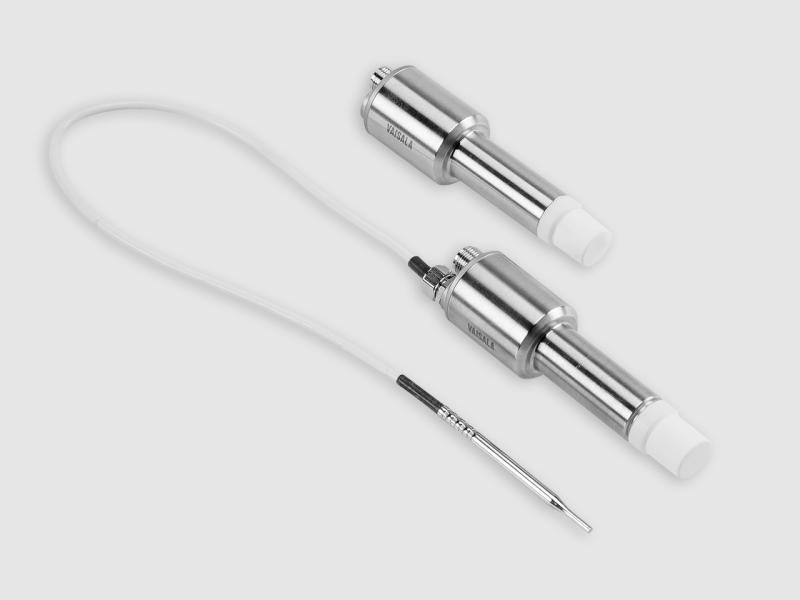
Medidor HPP272 de peróxido de hidrógeno vaporizado, humedad y temperatura
para procesos de bio-descontaminación
Nota de aplicación
Hydrogen peroxide in vapor form is becoming increasingly popular in gaseous bio-decontamination processes. Vaporized H2O2 is proven to be a better alternative to formaldehyde, which is considered a carcinogen by the World Health Organization. When low-temperature vaporized H2O2 is applied in a sealed room, it is effective against a broad spectrum of biological organisms – including viruses, spores, bacteria, and fungi – achieving a more than 6-log reduction in bioburden.
The vapor breaks down into oxygen and water, leaving no lingering odor and no residue, making it an environmentally friendly option and eliminating the need for a post-process residue wipe down. It is non-carcinogenic, has excellent compatibility with a wide variety of materials, and can be used to disinfect sensitive electronics. The high level of disinfection efficiency provided by H2O2 makes it ideal for use in, for example, medical laboratories and pharmaceutical applications. Measurement devices play a very important role in real time monitoring of the presence of H2O2 in these applications, and reduce the need for biological, enzyme or chemical indicators.
Companies offering hydrogen peroxide related products and services either offer equipment specifically designed for H2O2 vapor decontamination or provide decontamination services. Increasing awareness of the importance of adequately cleaned premises across the healthcare and research sectors, especially in developed and emerging economies, has led to the adoption of H2O2 generators. Using an H2O2 vapor generator, hydrogen peroxide vapor can be used to decontaminate non-critical equipment, furniture, and environmental surfaces. Equipment and furniture needs to be dry and visibly clean prior to beginning the bio-decontamination process.
Environmental surfaces such as hospital equipment and furniture can harbor infectious agents. Hydrogen peroxide generators are increasingly being adopted in order to reduce the risk of patients and visitors acquiring infections from healthcare facilities. The generators are effective in bio-decontaminating intensive care units, operation rooms, emergency and patient rooms, waiting areas, tissue culture labs, blood banks, sputum induction areas, and ambulances, and can also be used for surgical equipment. With regulatory authorities and patients demanding safer environments, infection control procedures such as bio-decontamination processes are top priorities for healthcare personnel.
In laboratories, contaminated surfaces or air can have catastrophic effects on research activities. Vaporized H2 O2 generators are commonly used to decontaminate lab facilities such as procedure rooms, necropsy rooms, incubators, biological safety cabinets, animal racks, and washers.
In processing plants, food and beverages can be exposed to microbial contaminants from the air or from surfaces. This can result in spoilage and may also cause diseases, leading to product recalls and a negative impact on sales. Hydrogen peroxide can be used to sterilize containers, packing and storage rooms, storage tanks, closures, processing equipment, and isolators.
In animal farming, H2 O2 is used for disinfection purposes. For example, milking machines must be appropriately bio-decontaminated before reuse. Animal housing facilities are decontaminated to keep them free from diseases, bacterial infections, and microorganisms.
Using an HVAC system, hydrogen peroxide vapor can bio-decontaminate large spaces (8,000 square feet and above), effectively fumigating a whole area. It has also been used in the bio-decontamination of military equipment and facilities, as well as in aircraft, trucks, or other closed and contaminated areas in logistics supply chains.
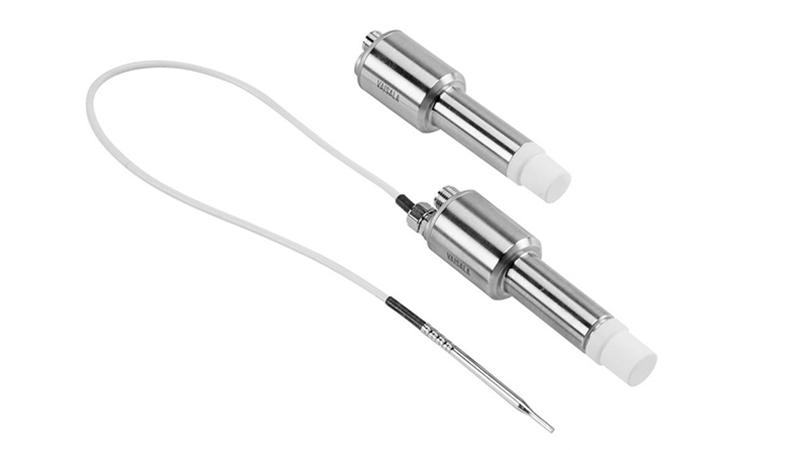
Measuring the right parameters is important for quality control. During the bio-decontamination process the decontaminated air contains H2O2, which influences the humidity level.
The Vaisala PEROXCAP® Hydrogen Peroxide, Humidity, and Temperature Probe HPP270 series can help you with room bio-decontamination measurement needs and can measure ppm (H2O2), relative saturation (RS%), relative humidity (RH%) and temperature (T) accurately. Relative saturation refers to the whole vapor mixture including both vaporized hydrogen peroxide and humidity, whereas relative humidity only refers to water vapor
para procesos de bio-descontaminación

La última incorporación a la familia Indigo de transmisores y sondas, el Indigo80 es un indicador y registrador de datos compacto y portátil. Ideal…

para inspecciones rápidas y comprobación de errores

Transmisores de ±1,5 % HR para HVAC exigentes, con certificado
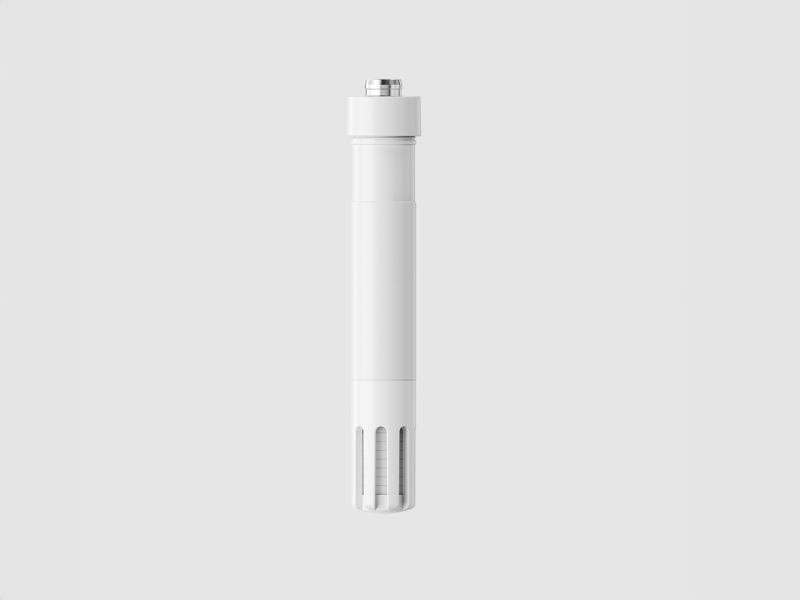
La sonda de humedad HMP113 con gabinete de plástico tiene una confiabilidad excelente y una tolerancia química, y es apta para ambientes sin…
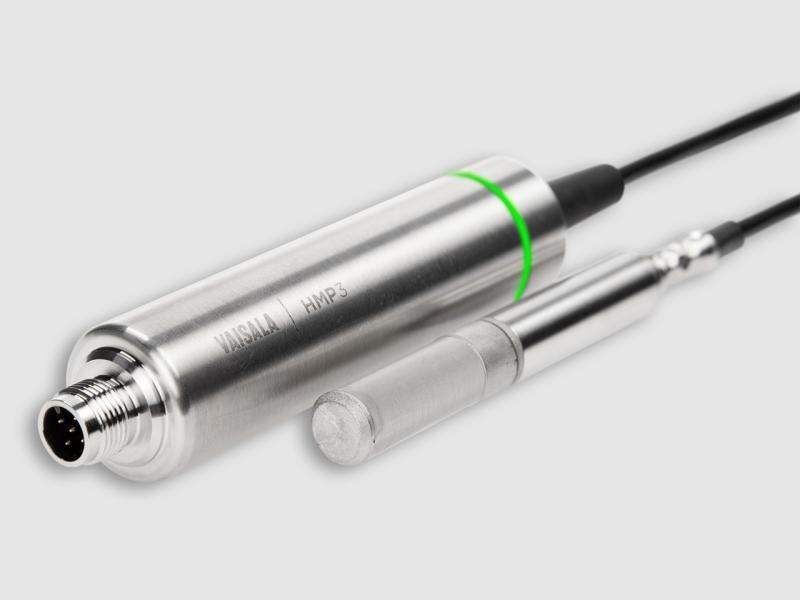
para aplicaciones de humedad y temperatura de uso general con sensor intercambiable
Principio de funcionamiento de los sensores infrarrojos, compensación por temperatura, presión y humedad, y ubicación de transmisores.
Por qué el CO2 es crítico en el cultivo celular, el riesgo de condensación al medir en alta humedad y temperatura, y por qué la esterilización sin…

Por qué se reduce el O2 y se eleva el CO2 en cámaras de atmósfera controlada, y qué instrumentos toleran el frío y la humedad elevada de este entorno.

Qué es el muestreo por equilibrio, por qué el calefaccionado del sensor puede alterar la medición en el campo, y qué rango se necesita para perfiles…
Un especialista responde con la solución, el instrumento y el servicio que corresponden.
Instrumentos para cotizar
Todavía no hay instrumentos. Se puede escribir igual: un especialista responde.