

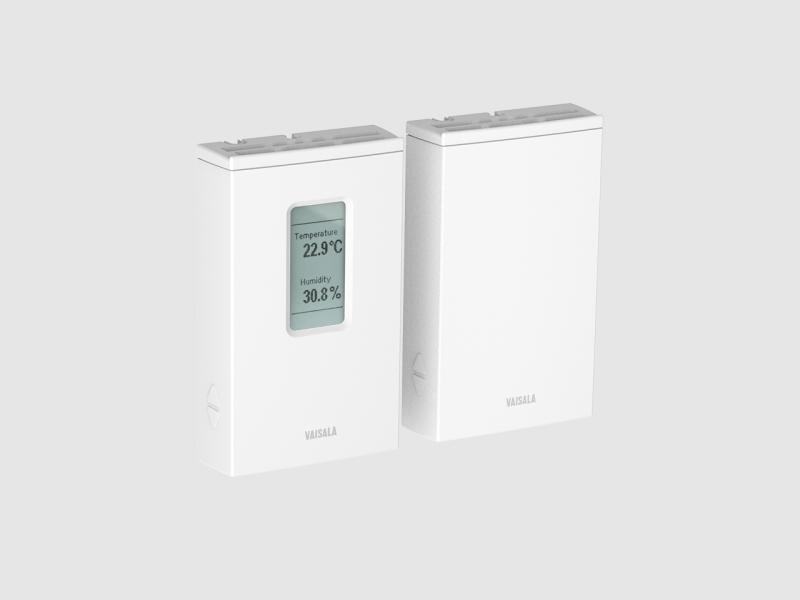
Transmisores de humedad y temperatura Serie HMW90
Transmisores de pared de ±1,7% HR con certificado para HVAC exigentes.
Nota de aplicación
Human comfort, productivity, and a sense of health and well-being are the positive outcome of a healthy indoor environment where the indoor air is fresh and free from odors, dust and other contaminants. Human comfort depends on a complex interaction of multiple variables with humidity being only one of them. However, optimizing both temperature and relative humidity satisfies the comfort requirements for a wider variety of occupants as opposed to regulating temperature only.
Low relative humidity in indoor air results in human discomfort. Headache, irritated eyes, sore throat, and dry skin are all symptoms of a dry indoor environment. Dry air lowers the natural defense against airborne infections and makes people vulnerable to the attack of viruses and other micro-organisms.
In addition to the problems associated with low humidity, too high humidity can also cause problems. These problems are related to the growth and spread of unhealthy biological pollutants and to the damaging effect of moisture on the construction materials.
Typically humans are less sensitive to humidity than temperature. People generally fail to associate discomfort and potential health problems with variations in relative humidity. This is where a good technology can support the human senses. A reliable humidity measurement is the key to successful humidity control.
The recommendations for indoor air relative humidity vary from country to country. The ASHRAE standard 55 specifies that to decrease the possibility of discomfort due to low humidity, the dew point temperature should not be less than 2.8°C (37°F). This equals to 30% relative humidity in 21°C. The upper dew point limit is specified to 16.7°C (47°F), which equals to 76% relative humidity in 21°C.
Health and Safety Executive in the United Kingdom recommends relative humidity in the range of 40 to 70% in the workplace environment. At higher temperatures, the relative humidity should be at the lower end of this range. Similarly OSHA, Occupational Safety & Health Administration in the United States, recommends controlling indoor air humidity in the range of 20-60%.
Humidity problems are often related to excess humidity, especially in colder climates. For example, The National Building Code of Finland states that humidity in indoor air shall not be high enough as to be damaging on a continual basis, nor shall condensation be allowed to concentrate on structures or their surfaces. The code further states that high levels of humidity shall not be allowed within ventilation systems in a way that will cause moisture damage, growth of microbes or microorganisms, or any other health hazards.
Vaisala introduced the Vaisala HUMICAP® thin-film capacitive humidity sensor in 1973. Since then, Vaisala has become the market leader in relative humidity measurements and the thin-film capacitive humidity sensor has developed from one company’s innovation into a global industry standard.
Today, capacitive thin-film polymer humidity sensors are widely used in industrial and commercial applications. The sensor consists of a substrate on which a thin film of polymer is deposited between two conductive electrodes. The thin-film polymer absorbs and releases water vapor as the relative humidity of the surrounding air increases and decreases. The dielectric properties of the polymer film depend on the amount of absorbed water. A change in the relative humidity of the surrounding environment changes the capacitance of the sensor. The electronics of the instrument measure the capacitance and convert it into a humidity reading.
Vaisala HUMICAP® sensors are known for their accuracy, excellent long-term stability and negligible hysteresis. All instruments have been calibrated and adjusted by the manufacturer prior to shipping. Vaisala HUMICAP® contains a promise to the customers for quality and reliability. In typical HVAC applications this means measurement performance that lasts, offering convenience in maintaining the instruments in the field.
In humidity controlled applications, the humidity sensor is typically located in the supply air duct or even in an outdoor environment where condensation can occur. The unique capability of Vaisala HUMICAP® sensors to recover from condensation without changes in the measurement stability make them ideal for these applications.
The wide range of Vaisala HUMICAP® relative humidity and temperature instruments fits a large variety of applications, including the most demanding conditions. For calibration of fixed instruments and for spot-checking measurements, Vaisala offers a wide selection of portable and handheld meters.
Transmisores de pared de ±1,7% HR con certificado para HVAC exigentes.
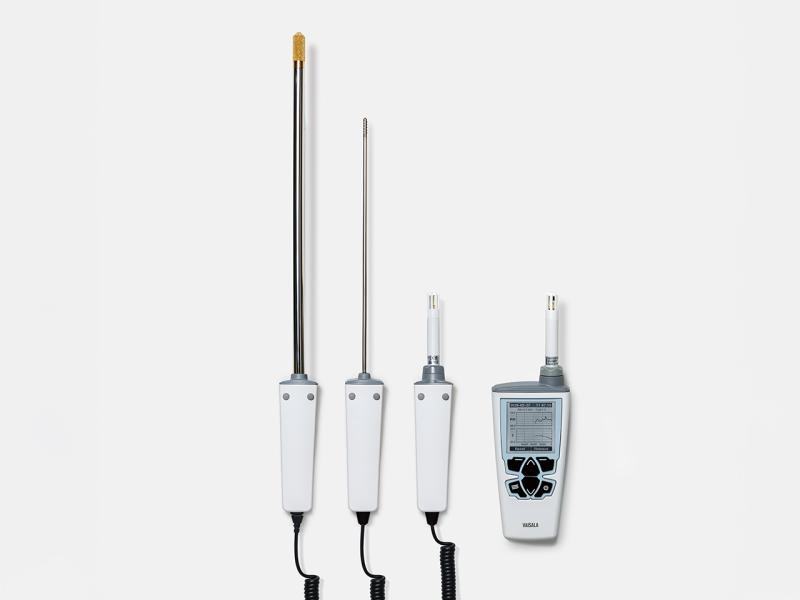
para inspecciones rápidas y comprobación de errores
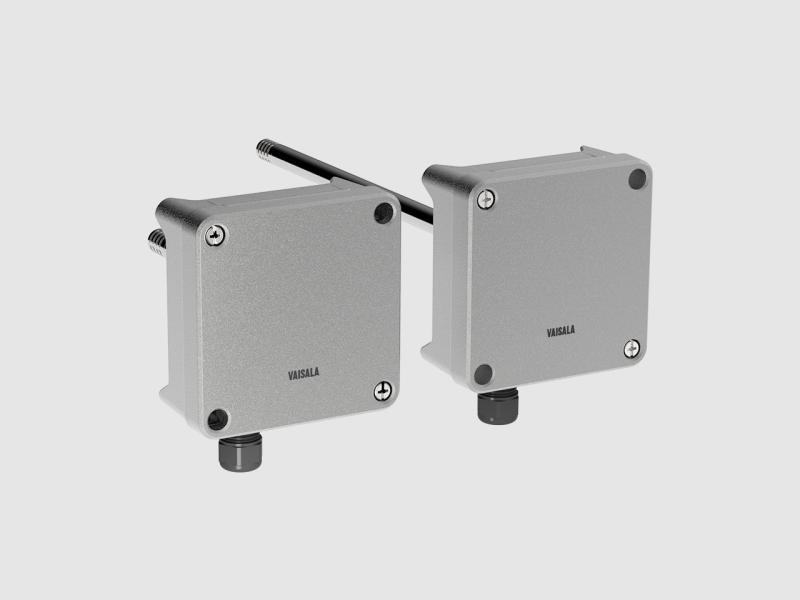
Transmisores de ±1,5 % HR para HVAC exigentes, con certificado
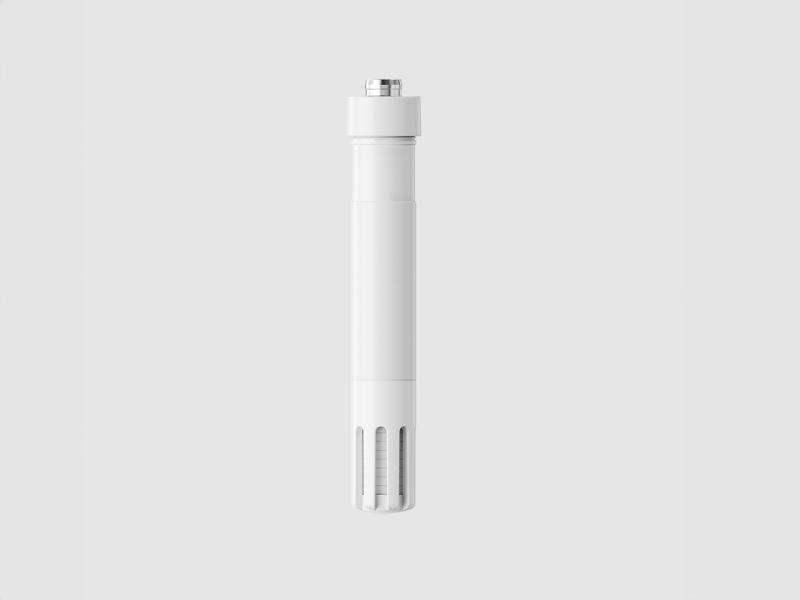
La sonda de humedad HMP113 con gabinete de plástico tiene una confiabilidad excelente y una tolerancia química, y es apta para ambientes sin…
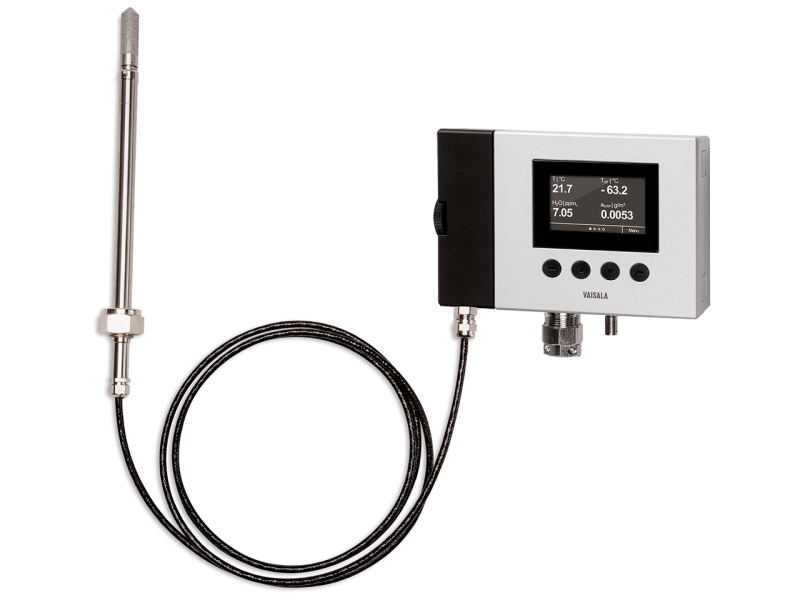
Para usar en las zonas con clasificación hasta 0 y 20
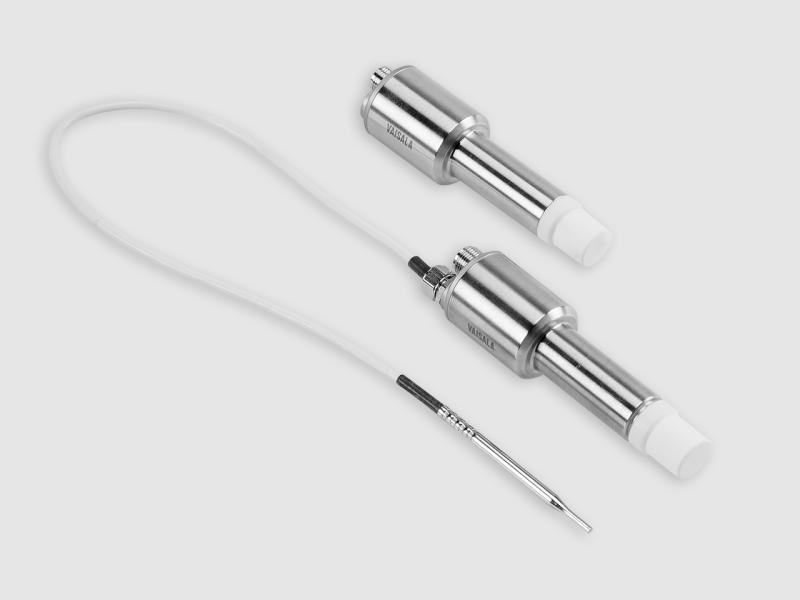
para procesos de bio-descontaminación

Principio de funcionamiento de los sensores infrarrojos, compensación por temperatura, presión y humedad, y ubicación de transmisores.
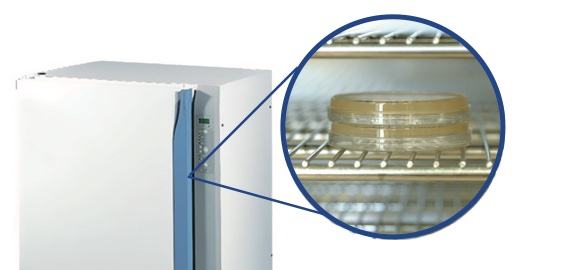
Por qué el CO2 es crítico en el cultivo celular, el riesgo de condensación al medir en alta humedad y temperatura, y por qué la esterilización sin…

Por qué se reduce el O2 y se eleva el CO2 en cámaras de atmósfera controlada, y qué instrumentos toleran el frío y la humedad elevada de este entorno.

Qué es el muestreo por equilibrio, por qué el calefaccionado del sensor puede alterar la medición en el campo, y qué rango se necesita para perfiles…
Un especialista responde con la solución, el instrumento y el servicio que corresponden.
Instrumentos para cotizar
Todavía no hay instrumentos. Se puede escribir igual: un especialista responde.