

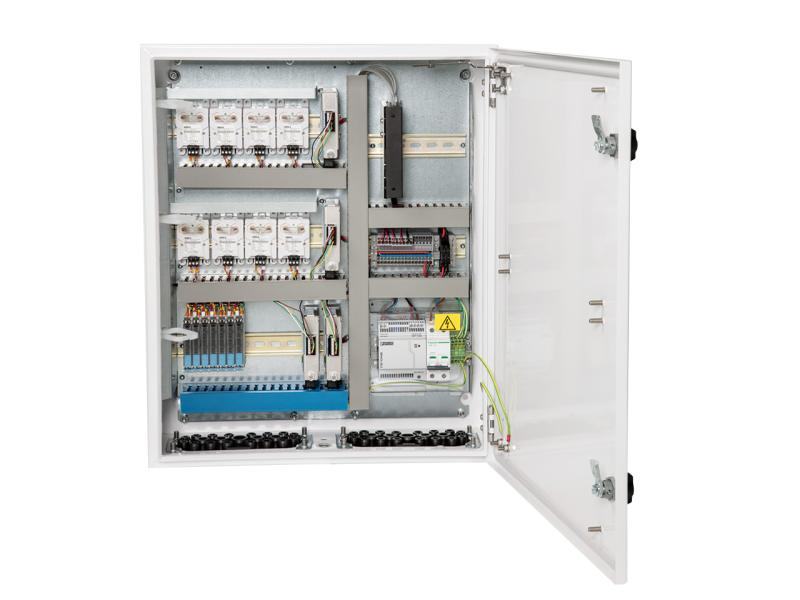
CAB100 Industrial Cabinet for continuous monitoring systems
for cleanrooms and industrial settings
Nota de aplicación
Integrating environmental monitoring system data into quality management systems
In pharmaceutical manufacturing, environmental conditions can make or break product quality. From temperature and humidity to air quality and pressure differentials, maintaining strict control over these factors isn’t just a best practice…it’s a regulatory necessity. That’s where an Environmental Monitoring System (EMS) comes in, tracking and recording critical environmental data to ensure compliance and product integrity. But, while collecting this data is essential, what truly makes the difference is how the data is used.
Many companies struggle with scattered monitoring systems and manual data logging while trying to keep up with regulatory expectations. The solution? Seamlessly integrating EMS data into a Quality Management System (QMS). This isn’t just about ticking compliance boxes; it’s about building a smarter, more efficient way to manage environmental controls.
In this application note, we’ll explore why EMS-to-QMS integration is more than just a technical upgrade — it’s a strategic move that simplifies audits, enhances decision-making, and ultimately protects product quality. We’ll break down what the regulators expect, how to implement a system that works, and why getting this right saves time, money, and compliance headaches in the long run.
Regulatory agencies such as the FDA, EMA, and ISO don’t simply suggest environmental monitoring; they require it. Failing to comply can lead to costly investigations, production delays, and even product recalls. So, what exactly do these agencies expect when it comes to environmental monitoring and data integrity?
FDA’s 21 CFR Part 11: Keeping electronic records secure
The FDA’s 21 CFR Part 11 sets the standard for electronic recordkeeping. If you’re collecting environmental data digitally (and you should be), your system needs to ensure that records are:
EU GMP Annex 1 & 11: Contamination control and digital compliance
For companies operating in the EU, Annex 1 is particularly important for sterile manufacturing. Regulators want continuous monitoring in place to prevent contamination, which means:
Meanwhile, Annex 11 focuses on the integrity of digital systems, requiring EMS data to be fully traceable, validated, and protected against system failures. If your monitoring system is not aligned with these guidelines, you are not only risking compliance…you are risking product quality.
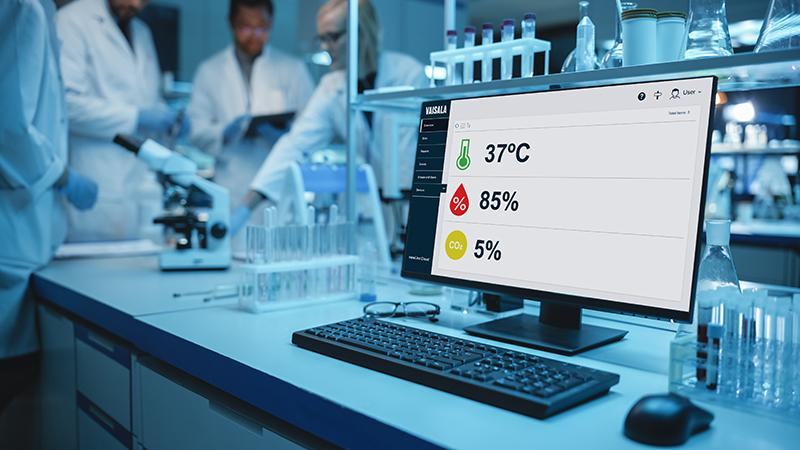
Think of your Quality Management System (QMS) as the nerve center for compliance and decision-making. Now imagine if critical environmental data lived outside of it, scattered across spreadsheets, handwritten logs, or unstructured reports. Sounds like a compliance nightmare, right?
That’s why integrating EMS data into your QMS is a game-changer. It ensures that environmental monitoring isn’t just happening…it’s actively contributing to quality control, risk management, and audit readiness. Here’s how it makes a difference:
Instead of relying on manual logs that could be outdated by the time they’re reviewed, integrated systems provide real-time tracking of environmental factors like temperature, humidity, CO₂ levels, and pressure differentials. With automated alerts, teams can respond instantly to deviations, preventing small issues from escalating into major quality risks.
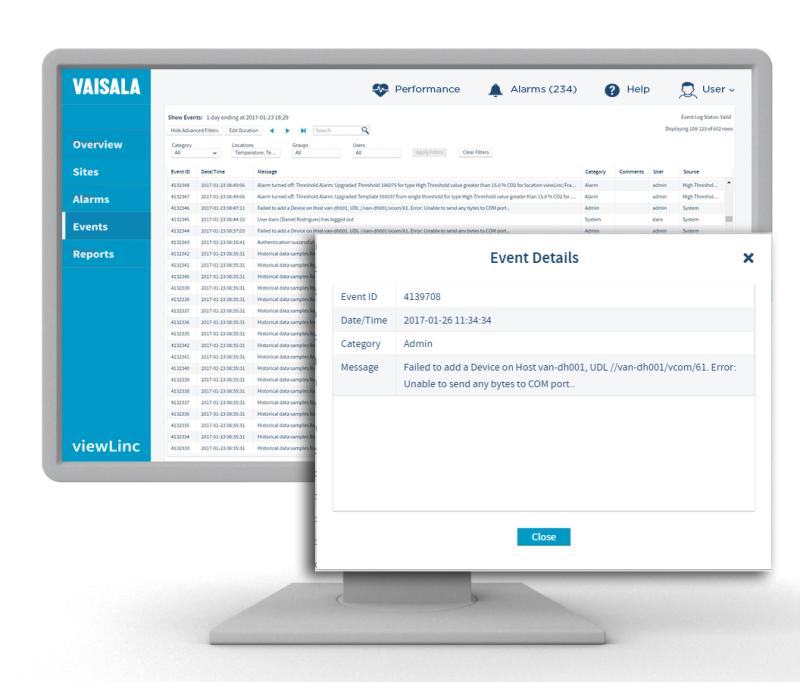
Part 11 compliance isn’t just a regulatory hoop to jump through…it’s a safeguard against data tampering, accidental loss, and security breaches. Integrated EMS-QMS solutions offer automated audit trails, encrypted records, and secure authentication protocols, ensuring that every piece of environmental data is protected and easily traceable.
Batch records are a cornerstone of pharmaceutical manufacturing. When EMS data is automatically linked to batch records within the QMS, it eliminates manual documentation errors and ensures a complete, compliant record for every product lot. This is particularly crucial for GMP compliance and FDA/EMA audits, where missing or inaccurate environmental data can delay product release.
Beyond compliance, integrating EMS with QMS gives companies a strategic advantage by enabling predictive quality management. Advanced analytics and trend tracking can identify potential environmental risks before they impact production, allowing teams to take corrective action proactively.
So, how do you make EMS-QMS integration work for your facility? The good news is that the technology is already available…it's just a matter of applying the right approach.

Integrating EMS data into a QMS isn’t an overnight project, but with the right planning, it can be a smooth transition.
For a small-scale implementation, it might take 6 months to set up system connections, validate data transfers, and train staff. Larger implementations, covering multiple facilities and cleanrooms, can take two years or more but offer significant long-term benefits.

Bringing EMS data into your QMS is more than just a regulatory necessity…it’s a smart business move. By integrating real-time monitoring, automated compliance tracking, and predictive analytics, manufacturers can reduce risk, improve efficiency, and enhance product quality.
Whether you’re planning a new integration or improving an existing system, the key is ensuring that your environmental data isn’t just collected…it’s used effectively. When EMS and QMS work together, compliance becomes easier, audits run smoother, and your operations stay one step ahead.
With regulatory scrutiny only increasing, now is the time to take control of environmental data and use it to your advantage. The right integration strategy doesn’t just help you meet compliance standards…it transforms the way you manage quality altogether.

A seasoned operational leader with over 25 years of experience leading teams through high profile, high stress, and fast-paced environments, Harold has an impressive track record of meeting challenges head-on and driving positive impact. With extensive experience in Operations, Manufacturing, Facilities Management, Manufacturing Automation, and Engineering leadership, he has proven his ability to optimize processes, reduce costs, and enhance efficiency across the pharmaceutical industry.
He has successfully directed operations at various sites across multiple manufacturing locations. Harold has been accountable for facilities management, technical operations, and infrastructure performance, ensuring compliance with stringent regulatory standards for multiple biopharmaceutical firms.
In this webinar with guest speaker Harold Woods, you'll learn how to make your environmental monitoring data the most efficient component of your QMS. You’ll leave with practical strategies for:
Watch now
Refined over two decades, viewLinc ensures compliance, accuracy, and ease of use for GxP-regulated and critical environments.
Choose from viewLinc Enterprise Server for on-premises monitoring or viewLinc Cloud SaaS.
Vaisala’s viewLinc Enterprise Server seamlessly integrates with other systems via Vaisala's OPC UA or the viewLinc API, enabling efficient data sharing.
OPC UA Integration:
viewLinc API Integration:
Note: Both integration methods allow unidirectional data flow—data can be extracted from viewLinc, but not imported into it.
for cleanrooms and industrial settings
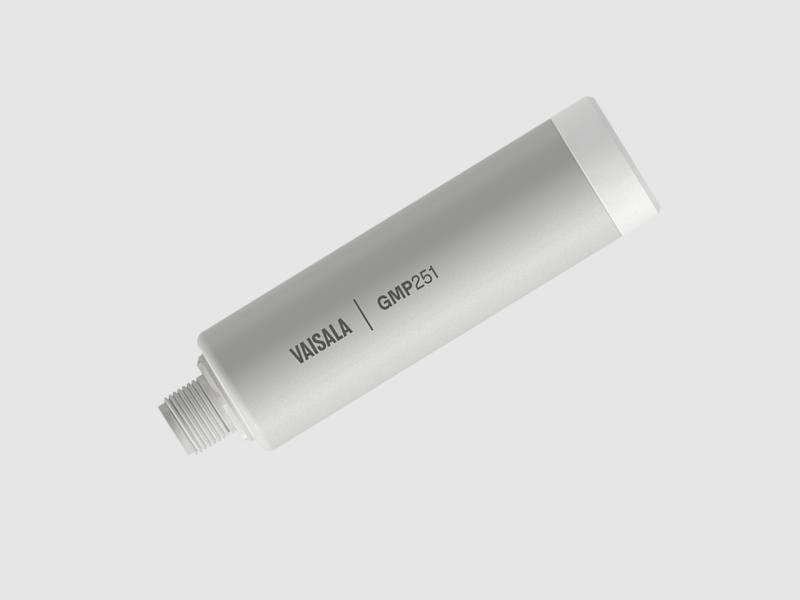
para mediciones de niveles de % en incubadoras de biología, almacenamientos fríos y demás aplicaciones exigentes
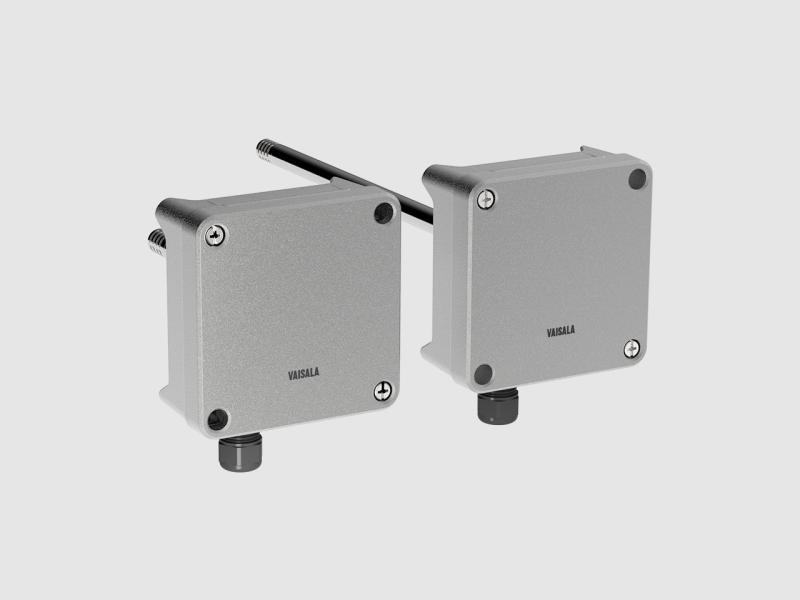
Transmisores de ±1,5 % HR para HVAC exigentes, con certificado
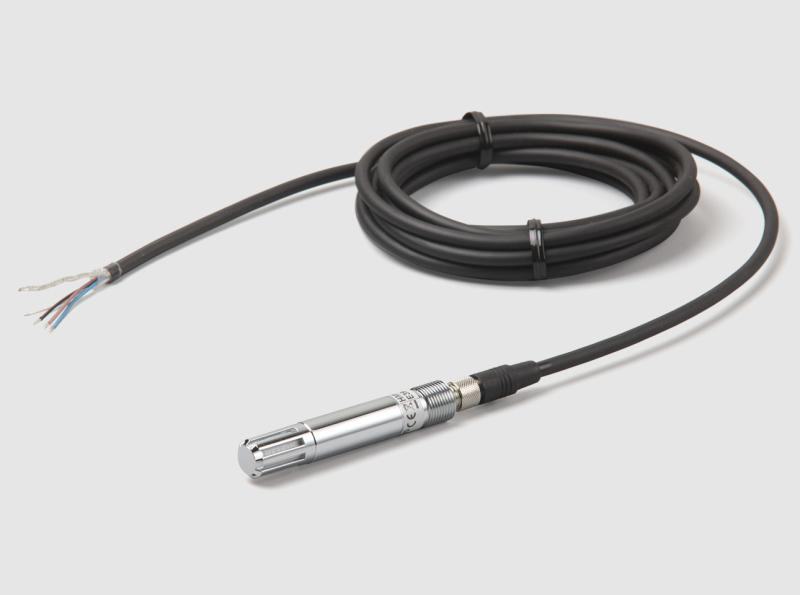
con ±1,5 % HR Precisión para aplicaciones de volumen exigentes
con ±1,5 % HR Precisión para aplicaciones de volumen exigentes
con ±1,5 % HR Precisión para aplicaciones de volumen exigentes

Principio de funcionamiento de los sensores infrarrojos, compensación por temperatura, presión y humedad, y ubicación de transmisores.
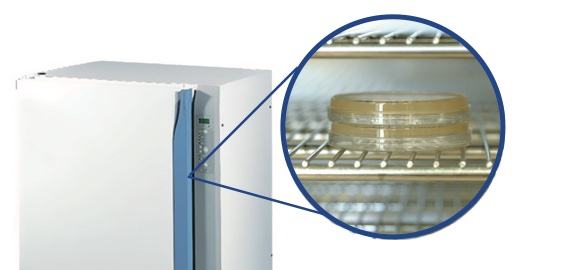
Por qué el CO2 es crítico en el cultivo celular, el riesgo de condensación al medir en alta humedad y temperatura, y por qué la esterilización sin…

Por qué se reduce el O2 y se eleva el CO2 en cámaras de atmósfera controlada, y qué instrumentos toleran el frío y la humedad elevada de este entorno.

Qué es el muestreo por equilibrio, por qué el calefaccionado del sensor puede alterar la medición en el campo, y qué rango se necesita para perfiles…
Un especialista responde con la solución, el instrumento y el servicio que corresponden.
Instrumentos para cotizar
Todavía no hay instrumentos. Se puede escribir igual: un especialista responde.