

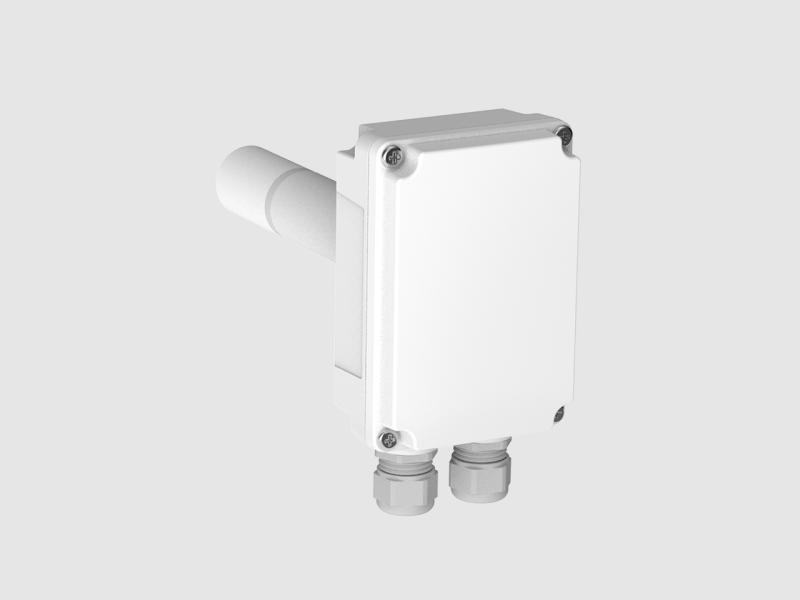
Transmisor GMD110 para CO2 en ducto
Para mediciones de alta precisión en aplicaciones de HVAC
Nota de aplicación

In addition to its excellent refrigerant properties, the safety and the non-flammable nature of CO2 have already been realized in the early days of refrigeration. CO2 is one of the natural refrigerants that does not harm the ozone layer and has no or negligible climate impact. CO2 has replaced the restricted CFC, HCFC and HFC refrigerants, which cause ozone depletion and are powerful greenhouse gases.
CO2 is a non-toxic and nonflammable gas. However, it does not support life and exposure to elevated CO2 concentrations can induce a risk to life. The leakage of odorless and colorless CO2 refrigerant cannot be detected without proper sensors. Although CO2 is considered to be a non-toxic gas, CO2 concentration can reach dangerously high levels in poorly ventilated spaces.
There are guidelines and regulations related to the acceptable levels of CO2 in working environments. For example, the U.S. Occupational Safety & Health Administration, OSHA, has set limitation to CO2 exposure. The permissible exposure limit (PEL) describes the maximum daily human exposure to a substance allowed in a workroom's air over an 8-hour shift. PEL for CO2 is 5 000 ppm measured as time weighted average (TWA) level of exposure. In addition, the American Conference of Governmental Industrial Hygienists, ACGIH, has set the short-term exposure limit to 30,000 ppm of CO2.
CO2 is always present in the atmosphere at a low level of approximately 400 ppm. However, high concentrations of CO2 are extremely dangerous. Drowsiness is experienced under continuous CO2 exposure at a level of 10,000 ppm (1%). At 2-3% of CO2 heaviness in the chest is experienced and breathing becomes more frequent and deeper. Headache and sweating will also develop during the exposure. Levels above 5% of CO2 are considered toxic. At 4-5% of CO2 , breathing becomes uncomfortable and lack of oxygen starts causing dizziness. At 6% of CO2 the sensory processing abilities start deteriorating after some minutes. Less than one minute of exposure to 10-15% of CO2 results quickly in unconsciousness. When the CO2 level is between 17 and 30%, fatal exposure occurs in less than one minute.
At all places where CO2 gas or CO2 ice is used, produced, shipped or stored, the levels of CO2can rise dangerously high and the environment must be monitored with an appropriate sensor.
When measuring CO2 for the safety of the personnel, the CO2 transmitter should be installed as close as possible to potential leakage points for early detection. Transmitters should also be placed in all human occupied spaces. When designing the CO2 safety monitoring solution, the geometry of the monitored area should be considered, taking into account ventilation and air flow in the space. The number and location of the CO2 transmitters should always be based on risk assessment of the monitored area. Learn about Vaisala's reliable and accurate CO2 transmitters:
CO₂ Probe GMP251
CO₂ Probe GMP252
| Typical Concentrations and Effects | |
| Effect | CO2 Concentration |
| Typical atmosphere | 350 - 450 ppm |
| Acceptable indoor air quality | 600 - 800 ppm |
| Tolerable indoor air quality | 1000 ppm |
| Average exposure limit over 8 hours | 5000 ppm |
| Concern, short exposure only | 6000 - 30000 ppm |
| Increased respiration and headache | 3 - 8 % |
| Nausea, vomiting, unconsciousness | 10 % + |
| Sudden unconsciousness, death | 20 % + |
Para mediciones de alta precisión en aplicaciones de HVAC
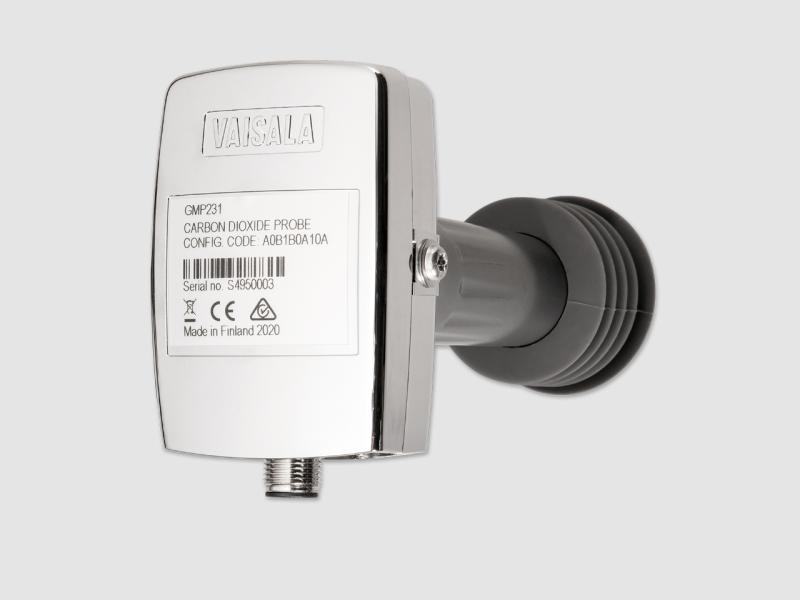
para incubadoras de CO₂
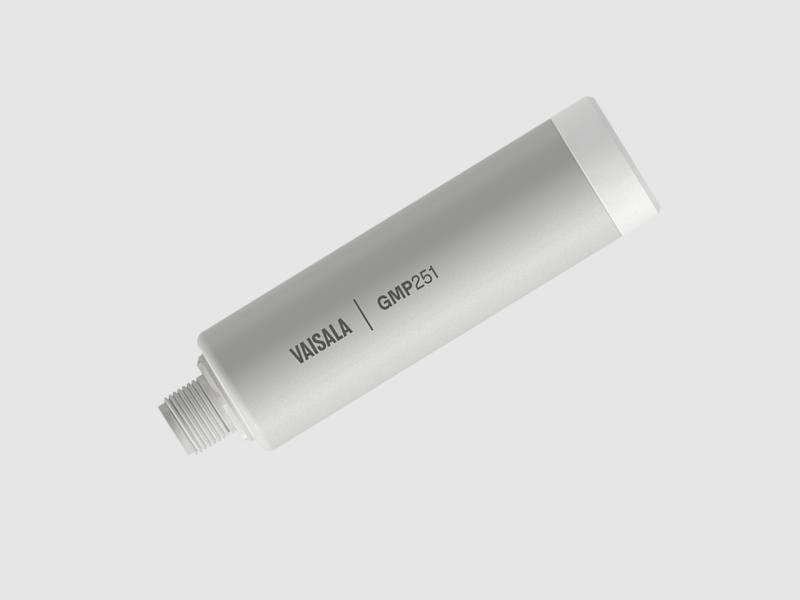
para mediciones de niveles de % en incubadoras de biología, almacenamientos fríos y demás aplicaciones exigentes
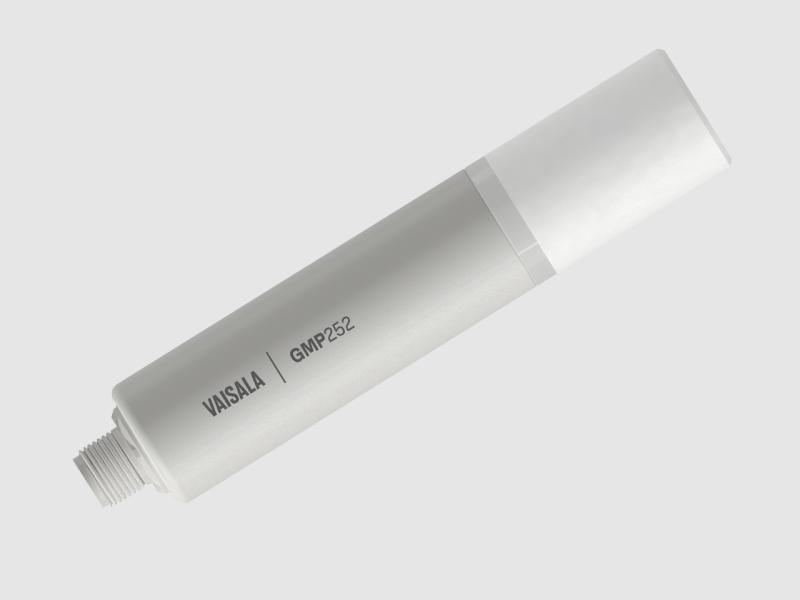
para mediciones del nivel de ppm en agricultura, refrigeración y HVAC exigentes
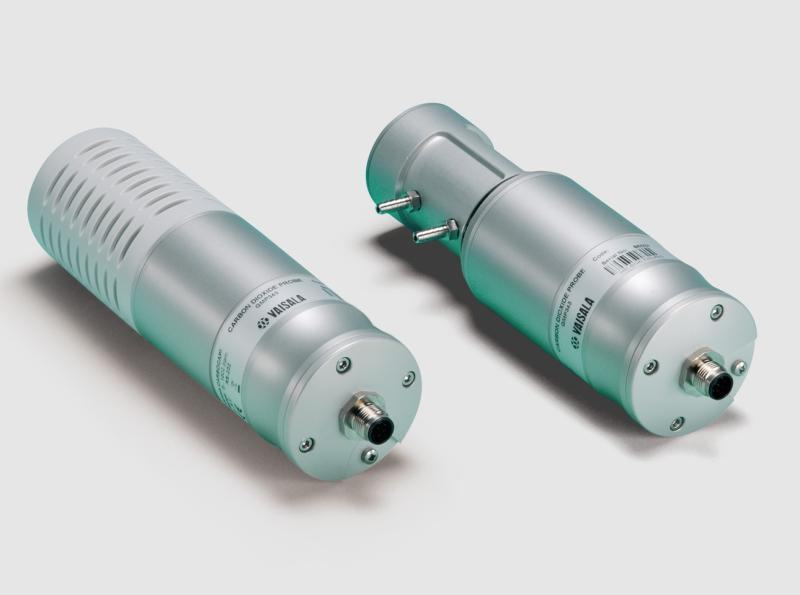
para mediciones exigentes
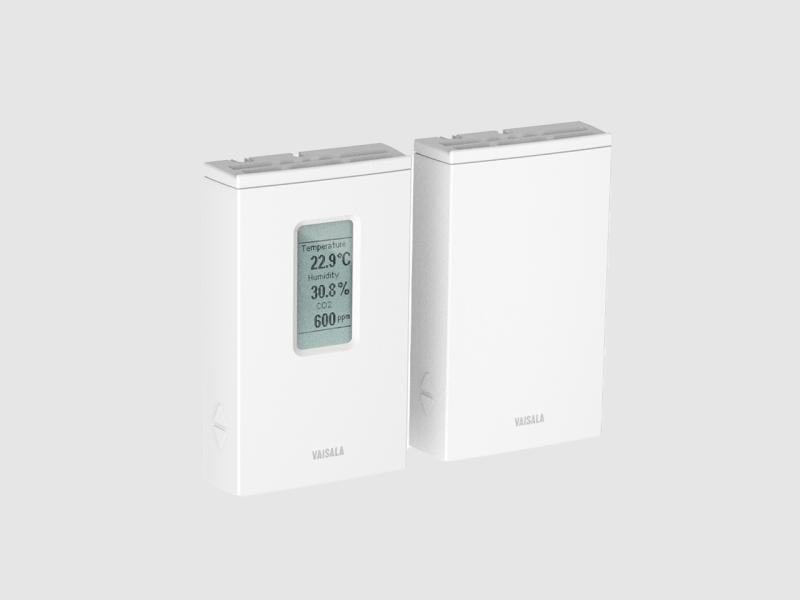
para proyectos de edificios ecológicos
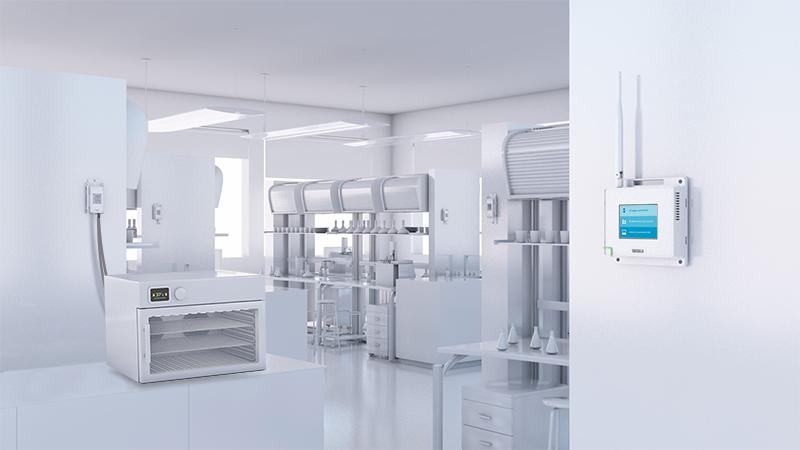
El sistema de monitoreo viewLinc de Vaisala hace un seguimiento de las condiciones ambientales de forma inalámbrica usando dispositivos inalámbricos…

Uno de los requisitos más importantes para reducir los costos de enfriamiento es medir adecuadamente las condiciones. Las primeras cuestiones a…
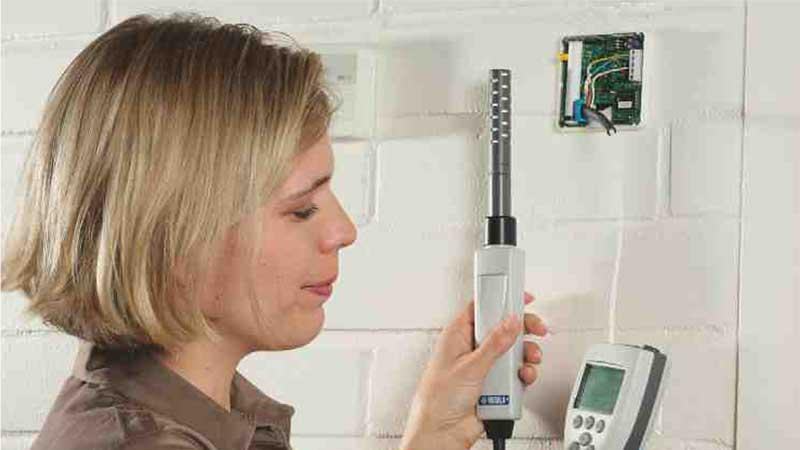
El dióxido de carbono y otros gases compuestos por dos o más átomos diferentes absorben la radiación infrarroja (IR) de una forma característica y…
Otra estrategia para evitar explosiones es instalar los equipos eléctricos dentro de carcasas “a prueba de explosiones”. Estás carcasas pueden…
Un especialista responde con la solución, el instrumento y el servicio que corresponden.
Productos para cotizar
Todavía no hay productos. Se puede escribir igual: un especialista responde.