

Tecnología inalámbrica de vanguardia para el monitoreo ambiental
El sistema de monitoreo viewLinc de Vaisala hace un seguimiento de las condiciones ambientales de forma inalámbrica usando dispositivos inalámbricos…
Dry food is probably the most common and convenient method of feeding many animals. Dry food usually comes into existence in the extrusion process concerned with processing starch materials under the influence of higher temperature, humidity and high pressure. In the engineering process, materials are ground and mixed, dried and coated with flavor substances. To obtain a long-life product, it is necessary to assure low water content ranging from 5 to 8,5%. The low water content prevents development of bacteria and mold, thanks to which preservatives do not need to be used. The water content in dry food can be quickly and precisely specified on the basis of the drying method that adopts IR radiation. This method has been laboratory-tested in the Radwag Research Laboratory. For the purposes of testing, MA R, MA X2, MA X7 and MA 5Y moisture analyzers by Radwag have been used.
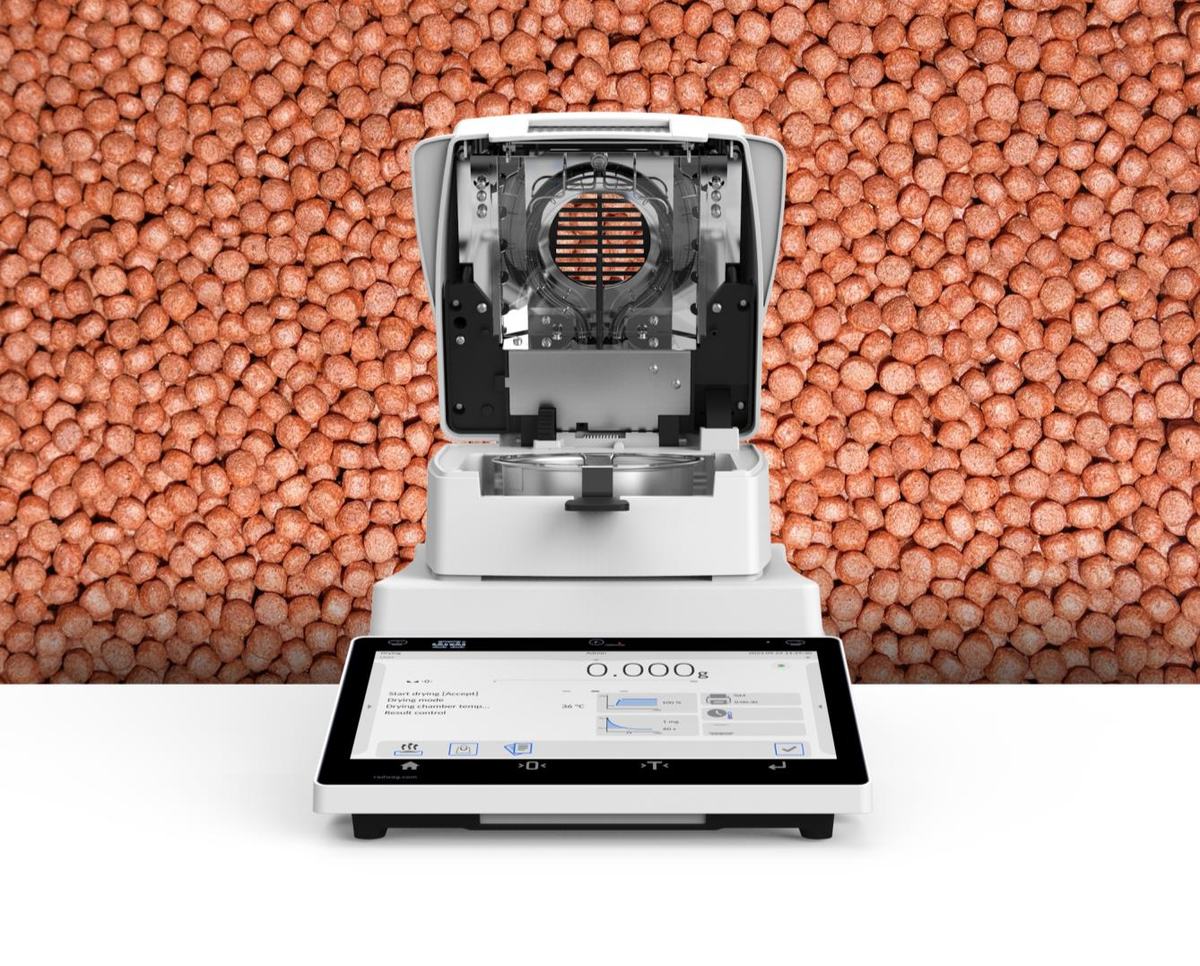
The application note includes basic information for validation of the fish food drying method with the use of MA R, MA X2, MA X7 and MA 5Y moisture analyzers by Radwag Wagi Elektroniczne. The application note may be the basis for elaborating own drying method with a special regard to distinctive features of the product in question.
The method with the use of IR radiation
ACCURACY of determining water / dry matter content is the difference between the result of the water / dry matter content received in the moisture analyzer method and the result of the water / dry matter content received while drying the same sample through a reference method. PRECISION is a degree of compliance between independent results of the test, received in specific conditions. The measure of precision is a standard deviation from a series of several measurements.
The reference method parameters are usually specified in standards or other discipline-specific documents as the so-called guides. If such documents are unavailable, the drying temperature that does not cause the sample to change colors is used. Such an approach applies to previously dehydrated products and raw products.
Before testing, the sample must be stored in a tightly sealed container. Before testing, grind the sample down (with a grinder).
Laboratory dryer, glass weighing vessels with a lid, AS 220.X2 analytical balance, laboratory spoon. Electric grinder.
Place the sample with a mass of ca. 5g in pre-dried glass weighing vessels. Specify the real mass of the sample in question with the use of the balance whose weighing accuracy is 0.1 mg (AS 220.X20). Put weighing vessels with the sample and lids in the temperature-controlled laboratory dryer. Dry samples at the temperature of 105 o C for 3 hours. After this period, remove vessels and place in the desiccator until they cool down and weigh afterwards. Place samples in the laboratory dryer again and keep on drying them for 30 minutes. Cool them down and weigh again. Repeat the procedure until you obtain a stable sample or record the sample mass growth after drying.

The water content testing with the use of the moisture analyzer (IR radiation) entails two phenomena: convection and radiation. The sample temperature rises from outer layers to the bottom of the sample. The temperature gradient in the sample structure minimizes through optimization of the thickness of the dried sample and drying temperature. Too high drying temperature may lead to surface burning of the sample, which may be hard to diagnose when the sample color is dark.
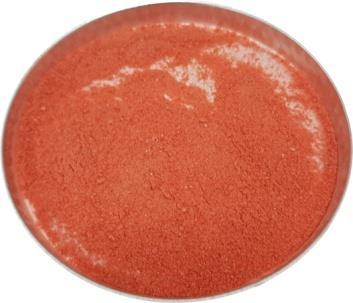
Before testing, the sample must be stored in a tightly sealed container. Before testing, grind the sample down (with a grinder). The example of Gold Fish samples before and after grinding is showed on the side.
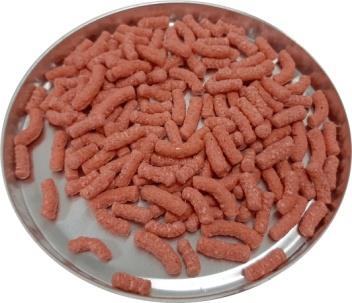
ORIGINAL SAMPLE
GROUND SAMPLE
MA R, MA X2, MA X7 or MA 5Y moisture analyzer, laboratory spoon, disposable aluminum weighing pans, electric grinder.
Set drying parameters presented below. Collect the sample with a mass of ca. 1.5 ÷ 4 g and distribute a thin layer of the sample throughout the weighing pan. Lock the drying chamber manually or automatically.
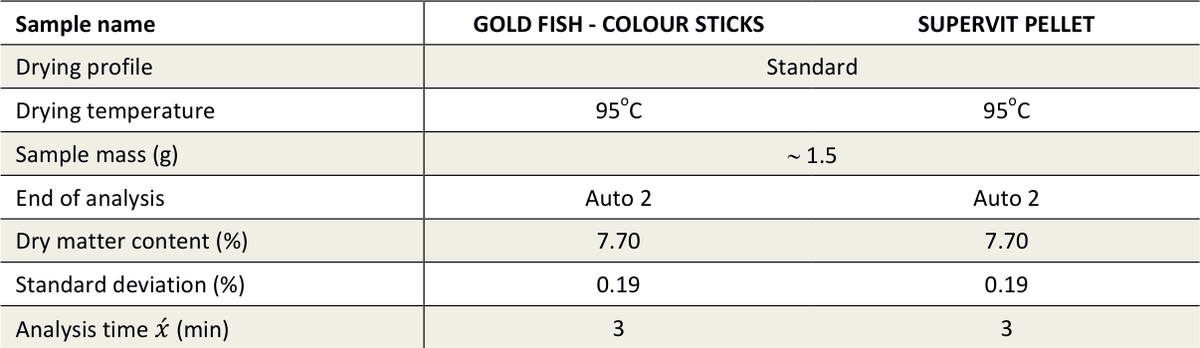

The method in question has been verified by the Research Laboratory, yet the results do not include factors arising from diversity of tested samples, operators’ personal skills as well as measuring capability used by moisture analyzer users. For this reason Radwag shall not be held responsible for drying parameters but they can be used to elaborate own drying method.
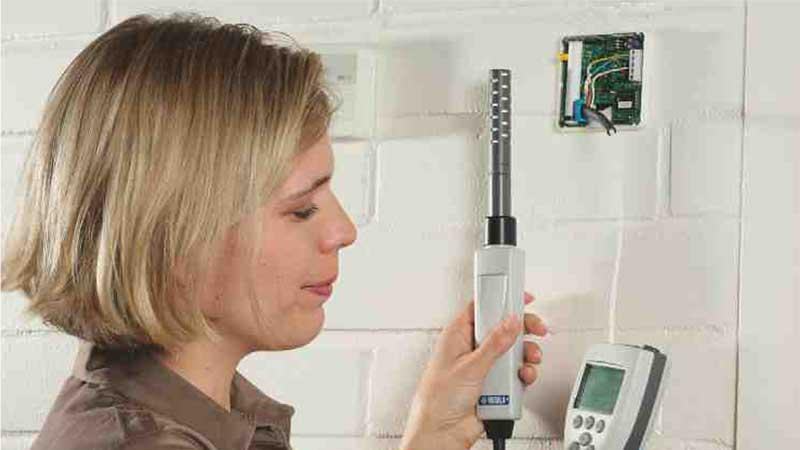
El sistema de monitoreo viewLinc de Vaisala hace un seguimiento de las condiciones ambientales de forma inalámbrica usando dispositivos inalámbricos…

Uno de los requisitos más importantes para reducir los costos de enfriamiento es medir adecuadamente las condiciones. Las primeras cuestiones a…
El dióxido de carbono y otros gases compuestos por dos o más átomos diferentes absorben la radiación infrarroja (IR) de una forma característica y…
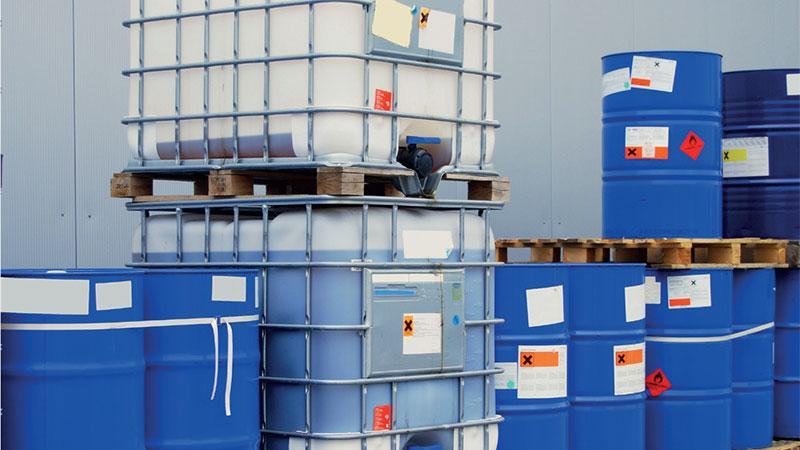
Otra estrategia para evitar explosiones es instalar los equipos eléctricos dentro de carcasas “a prueba de explosiones”. Estás carcasas pueden…
Un especialista responde con la solución, el instrumento y el servicio que corresponden.
Productos para cotizar
Todavía no hay productos. Se puede escribir igual: un especialista responde.