

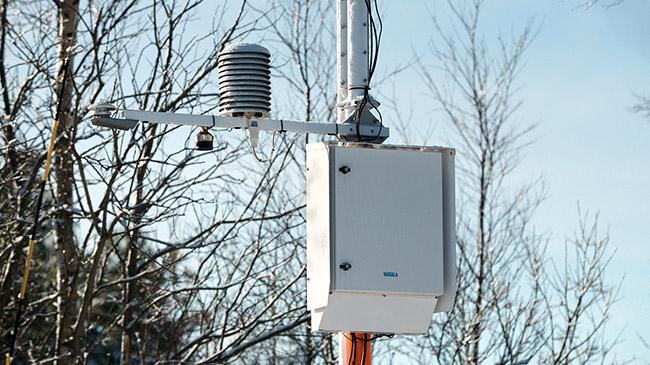
Automatic Weather Station AWS310
Vaisala Automatic Weather Station AWS310 is a complete communication and weather observation solution that can be used as a standalone unit, or as…
Novedad
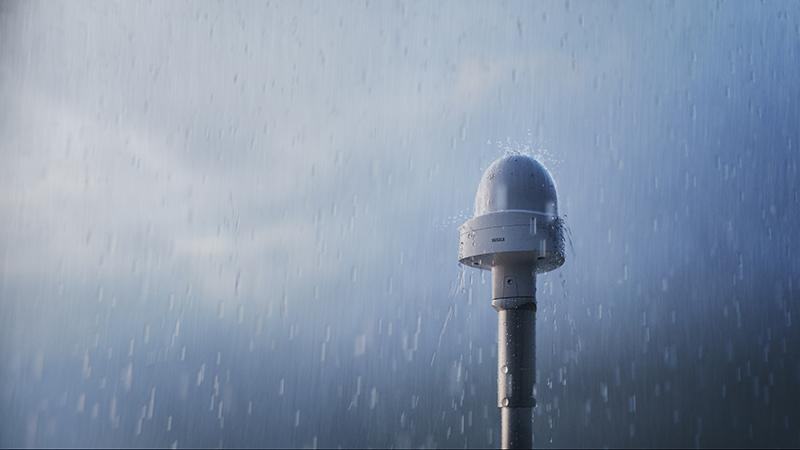
Conventional precipitation gauges have two problems. The data they produce runs consistently low, because the mechanical collection process loses precipitation to wind, evaporation, and freezing. That bias runs through every network and every model built on it. Correction factors help, but they are inconsistent across networks and cannot fully compensate.
The second problem is coverage. In many of the locations most vulnerable to flash floods and debris flows, such as remote mountain slopes and exposed catchments, there are no gauges at all. Conventional gauges require regular on-site maintenance, which makes remote and exposed sites too costly to equip. When intense rainfall hits an unmonitored slope, there is no data to trigger a warning.
Research published in Weather, the journal of the Royal Meteorological Society (Dunn et al., 2025)*, confirms that losses range from a few percent under favorable conditions to nearly half of actual precipitation in demanding ones, and for snow or exposed sites, recorded amounts can fall below one-third of what actually fell. As the frequency and intensity of extreme precipitation events increases, the cost of that gap grows with it.
“For over a century, precipitation gauges have measured too low. Not because of how networks were designed or operated. Because of a physical limitation built into the technology itself, one that the entire field had learned to work around. Our engineers thought differently, and proved it with RM60,” says Anne Jalkala, EVP, Weather, Energy, and Environment at Vaisala.
A different approach to measurementVaisala today launches PRECICAP® Radar Precipitation Sensor RM60, the first precipitation sensor built to solve both problems at network scale. Where conventional gauges collect and count rainfall mechanically, RM60 uses patented radar technology to measure each falling raindrop, snowflake, and hailstone individually as it passes through the air. Because RM60 does not rely on catchment, it is not subject to the physical losses that affect conventional gauges. That means more detailed data: not just how much rain fell, but how hard it was raining, what type of precipitation it was, and the size distribution of the drops. It requires no cleaning, no calibration, and no field visits throughout its service life, and its design eliminates the wind errors that affect conventional gauges without any additional infrastructure.
RM60 delivers better ground truth for weather radar networks, and richer inputs for forecast models and hydrological simulations. The result is more complete, more trustworthy data for the forecasters, hydrologists, and infrastructure operators who depend on it, and ultimately for the communities whose safety depends on their work.
Proven in the field, practical at scaleRM60 has been field-deployed since 2020, with dozens of units operating across a range of climates and environments. More than 700,000 hours of field data cover conditions from subarctic winters to tropical rainfall and high-wind Atlantic conditions.
Over its lifecycle, RM60’s total cost of ownership is substantially lower than a conventional tipping-bucket station, due to the elimination of maintenance visits, infrastructure requirements, and consumables. A tipping-bucket gauge typically requires at least four maintenance visits per year. RM60 requires none. It can run on a compact solar panel and battery and mounts on a standard mast, making it practical across the full network, including sites that have historically been too costly or difficult to equip.
The sensor serves professional precipitation networks across meteorology, hydrology, hydropower, and solar energy applications.
*Sources: Dunn, R.E., Fowler, H.J., Green, A.C., Lewis, E. et al. (2025). Tipping-bucket rain gauges: a review of the undercatch phenomenon, and methods for its reduction and correction. Weather, Royal Meteorological Society. https://rmets.onlinelibrary.wiley.com/doi/full/10.1002/wea.7736About VaisalaVaisala is a global leader in measurement instruments and intelligence for climate action. We equip our customers with devices and data to improve resource efficiency, drive energy transition, and care for the safety and well-being of people and societies worldwide. With over 90 years of innovation and expertise, we employ a team of close to 2,500 experts committed to taking every measure for the planet. Vaisala series A shares are listed on the Nasdaq Helsinki stock exchange.
www.vaisala.com
Vaisala PRECICAP® Radar Precipitation Sensor RM60
Vaisala Automatic Weather Station AWS310 is a complete communication and weather observation solution that can be used as a standalone unit, or as…
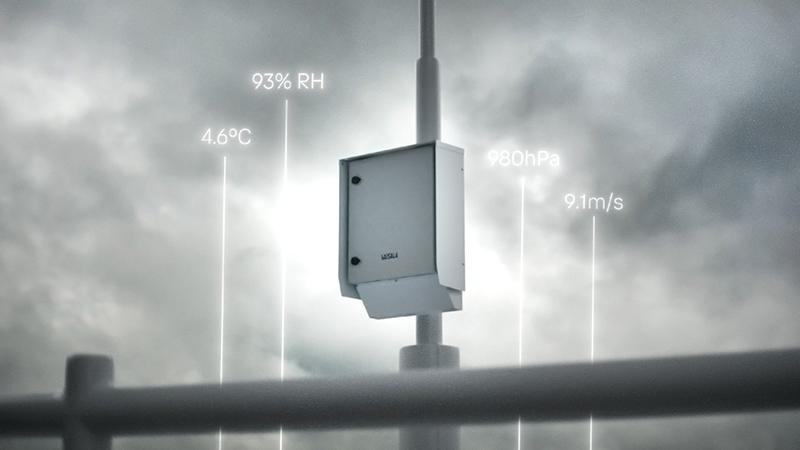
Our next-generation, cyber secure and modular Maritime Automatic Weather Station AWS830 is engineered for harsh marine environments and compliant…
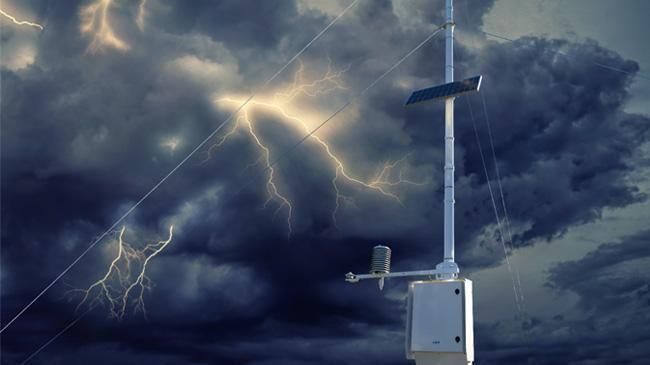
The Vaisala Automatic Weather Station AWS810 enables modern, high-quality surface weather observation networks anywhere in the world.
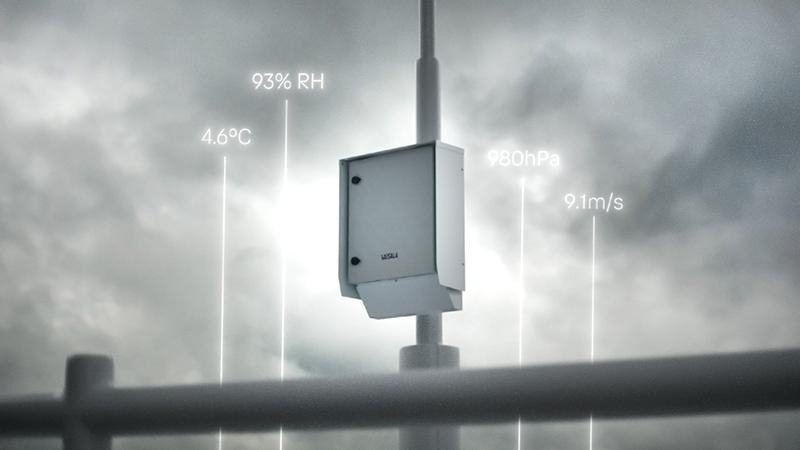
Vaisala Maritime Automatic Weather Station AWS830 delivers accurate, always‑on weather, environmental, oceanographic, and motion data for demanding…
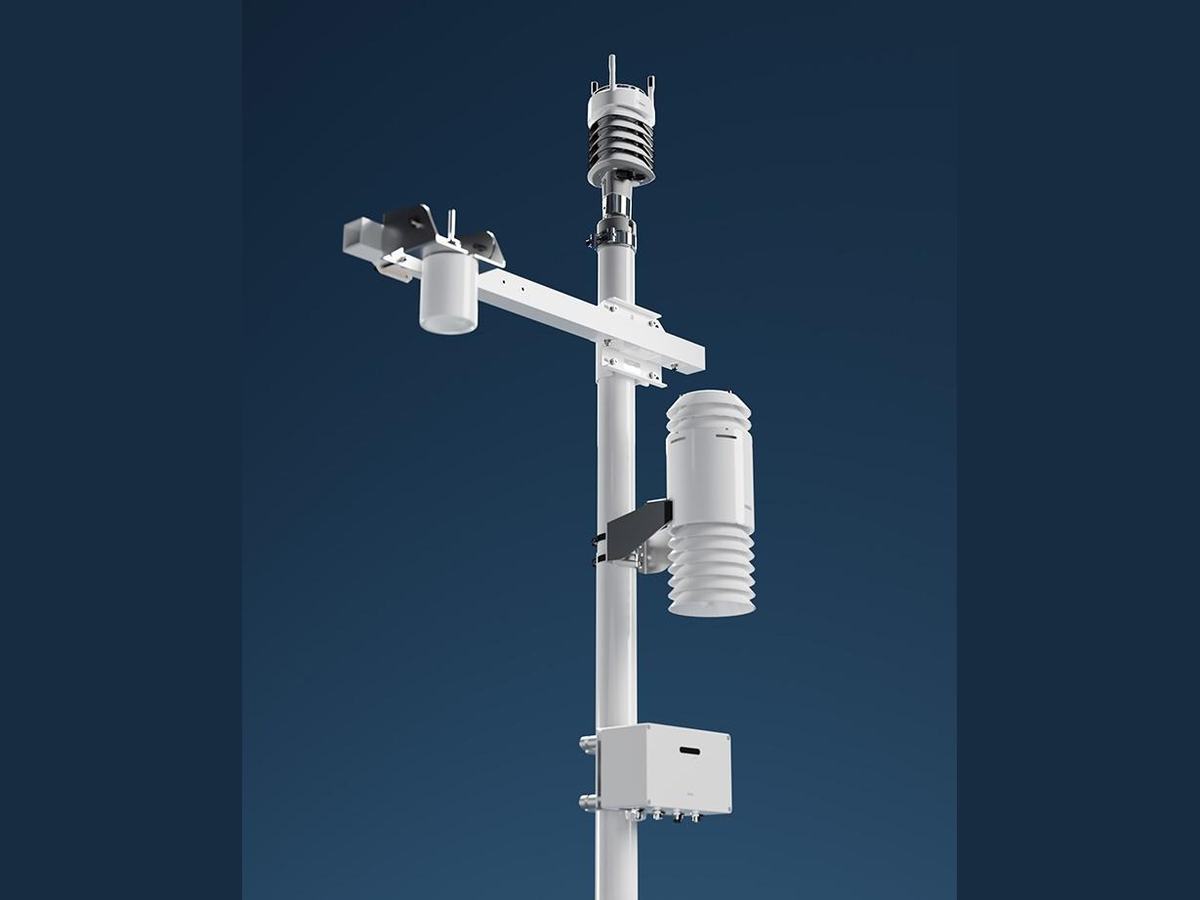
Vaisala Beam Weather Station BWS500 is a compact, scalable station for weather, air quality and road condition data, from a single standalone station…
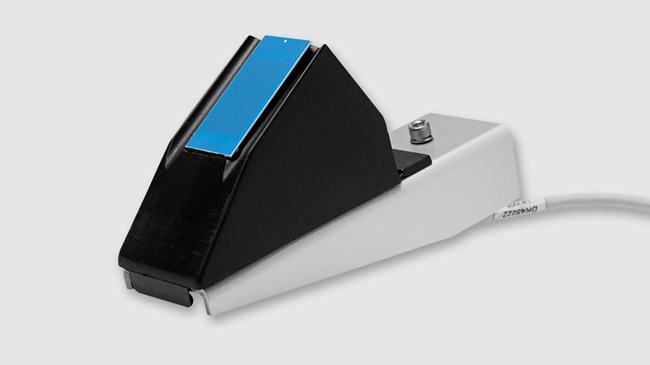
Quickly and accurately detect rain and snow with the Vaisala Rain Detector DRD11A. The instrument operates via droplet detection rather than by…
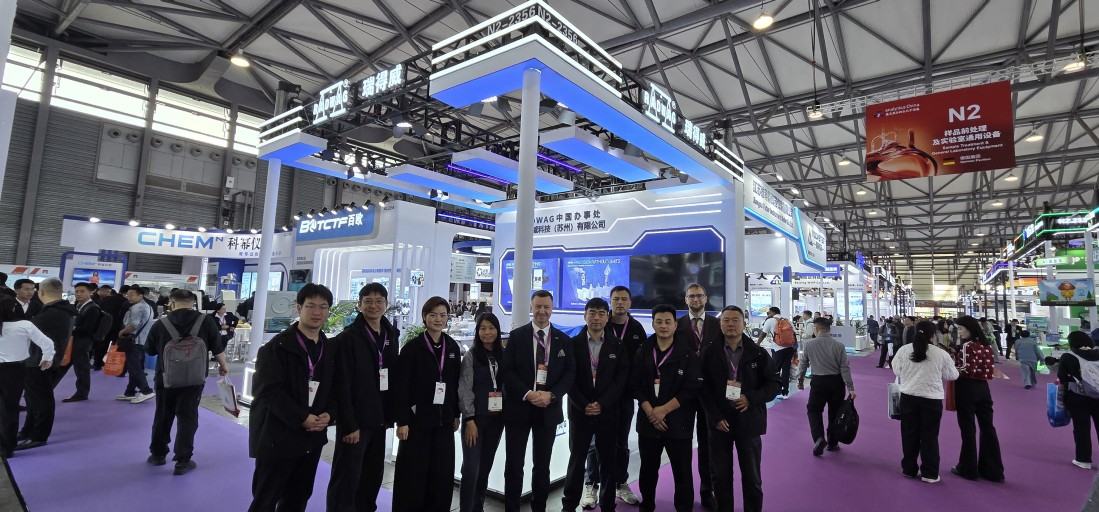
Del 18 al 20 de noviembre , las balanzas y básculas RADWAG se pudieron ver en la feria comercial “analytica China” en Shanghái , la feria analítica…
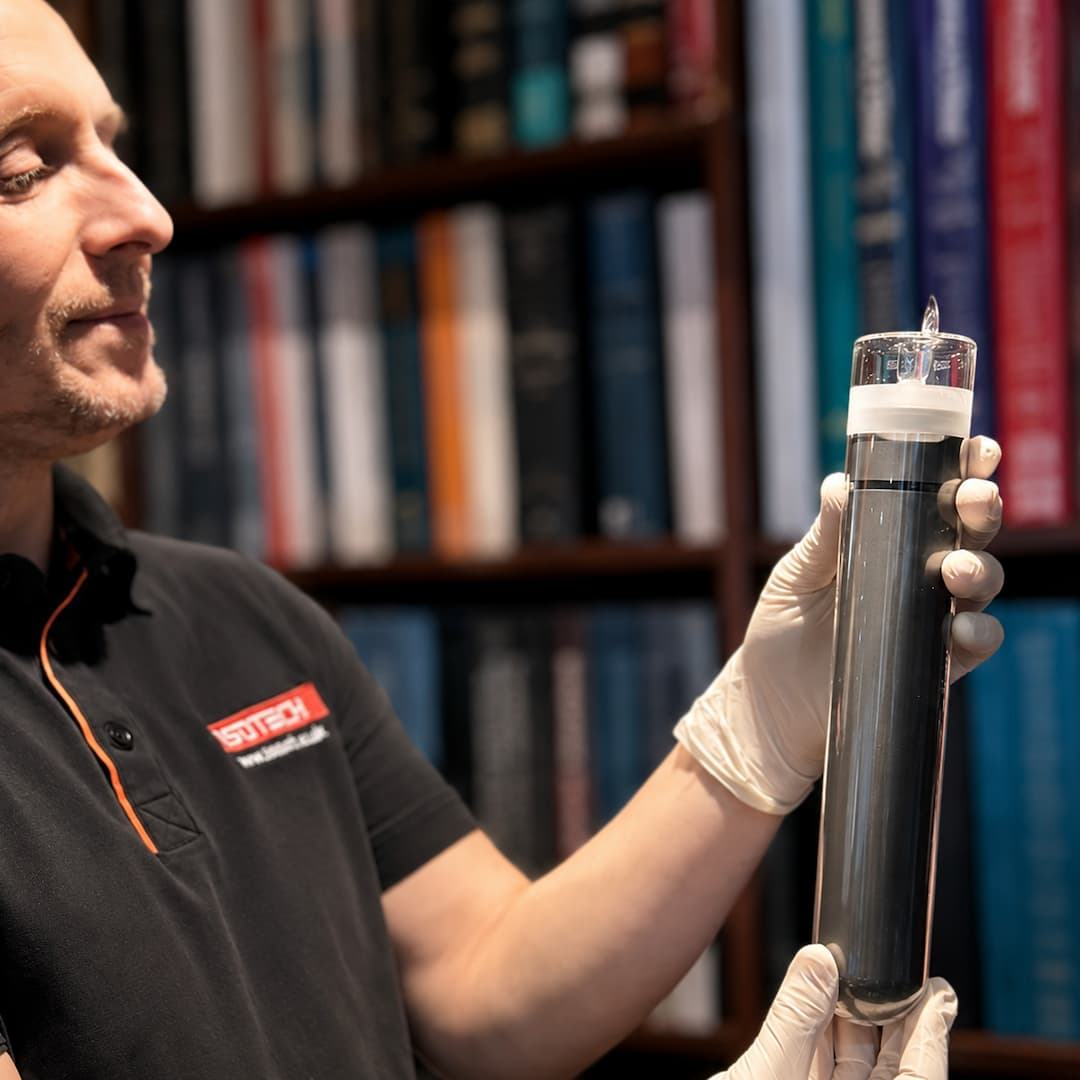
As we enter the last few weeks of 2026, Isotech is reflecting on forty years of accredited calibration at its Southport laboratory. From its early…

Los “Días Polacos en Georgia” son el evento promocional más importante dirigido a las empresas polacas en este país y tienen como objetivo aumentar…
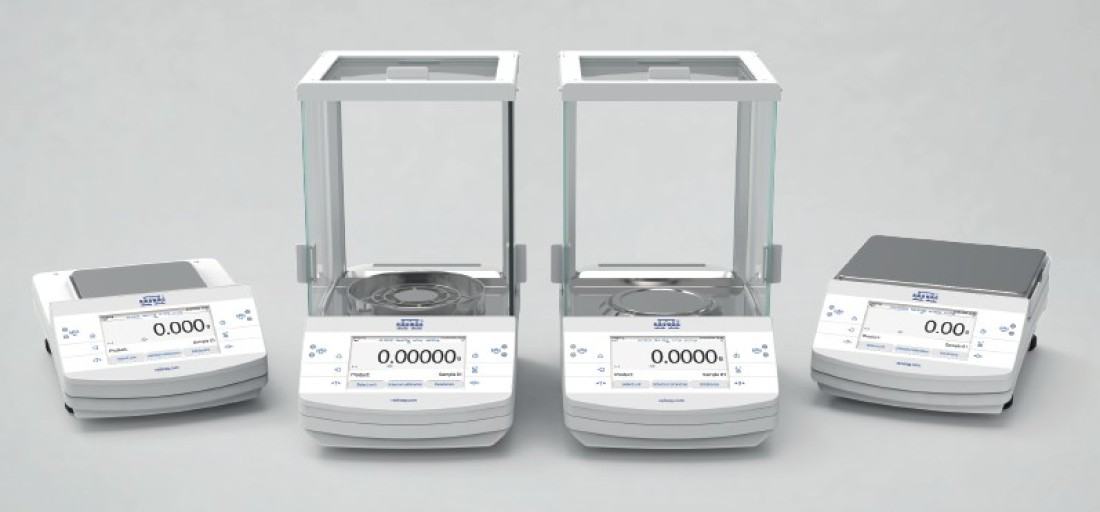
La oferta de RADWAG se ha ampliado con las balanzas analíticas AS RX y las balanzas de precisión PS RX y PS RX.M . Este es un nuevo paso en el…
Un especialista responde con la solución, el instrumento y el servicio que corresponden.
Productos para cotizar
Todavía no hay productos. Se puede escribir igual: un especialista responde.