


CAB100 Industrial Cabinet for continuous monitoring systems
for cleanrooms and industrial settings
Nota técnica
When I began my career in construction in 1971, I had no experience in cleanroom construction. At 21, in a microelectronics cleanroom project, I had to figure it out. I studied every drawing and detail to learn how airflow interacts with equipment and materials, how return air placement affects the room conditions. I learned that all cleanroom designs are not created equal. That experience sparked a career-long experience of making cleanrooms that do more than look good on paper. I learned how to make them function.
Over the years, Hodess Cleanrooms has continued to apply lessons learned to develop innovative air handling and load segregation designs that improved efficiency and reduced costs. We also expanded through strategic acquisitions, like Protocol Management Services and Cleanrooms West, broadening our capabilities in certification, testing, and proprietary cleanroom components.
Hodess now serves three main markets: life sciences (pharma, biotech, cell therapy, radiological), microelectronics (semiconductors, MEMS, defense), and green energy (EV batteries, solar panels). We design, build, and certify cleanrooms, dry rooms, and environmental rooms. Rather than simply building to specifications, we optimize layouts, advise on operational protocols, and apply a vast matrix of lessons learned from thousands of projects.
Far too often, cleanrooms are designed like ordinary office spaces. A contractor puts up walls and ceilings, a mechanical engineer specifies “ISO 5” and proceeds to build at 450 air changes per hour without modelling how the air will actually behave. That usually results in a cleanroom that can't be certified. Rooms need to be looked at based on their actual use, their length, width and height, and how they will function before you decide what ISO level and air change rate you use.
At Hodess, we’re frequently called in to fix brand new cleanrooms that cannot function as intended. Millions of dollars’ worth of equipment can end up stranded in rooms that are uncertifiable. When a cleanroom fails, the true cost isn’t just the price of fixing it—it’s lost productivity, wasted materials, and delayed delivery of a product to market.
We’ve seen projects where critical elements—like exhaust for furnaces—were overlooked, threatening the entire operation. Our in-house expertise and use of computational fluid dynamics (CFD) modeling allow us to optimize airflow, particulate level, pressure, temperature, and humidity before construction begins. With a full understanding of the room and how it will be used, our cleanrooms can prevent the issues that plague poorly designed rooms: hot spots, dead zones, and pressure loss.
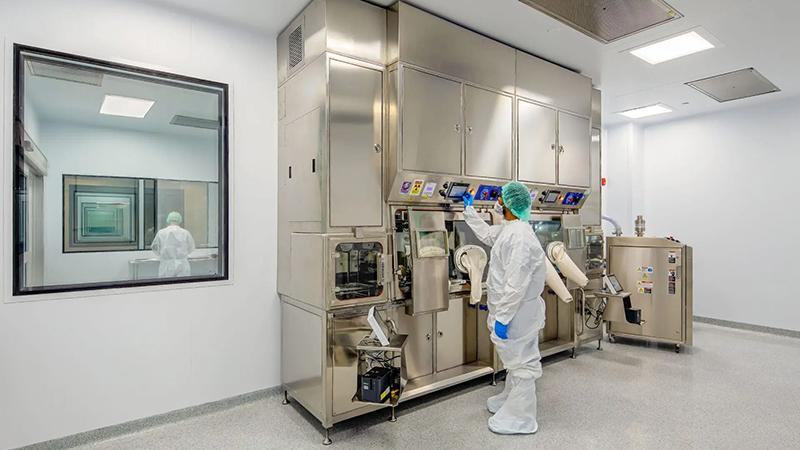
Over four decades and thousands of projects, we’ve developed several “non-negotiables”:
Our projects range from ISO 8 buffer prep suites to giga-factory dry rooms. Whether it’s a fast-track bioprocessing facility delivered in eight months or a 500,000 + sq. Ft. battery plant, the principle is the same: design, build, clean, certify, monitor, and support throughout the life cycle of the cleanroom.
Cleanrooms are complex, finely tuned environments that require ongoing support throughout their lifecycle. Understanding this is why, in the history of Hodess, we’ve never delivered a cleanroom that didn’t function as designed. Our philosophy is to build “multi-million-dollar watches” and help our clients to wind them.
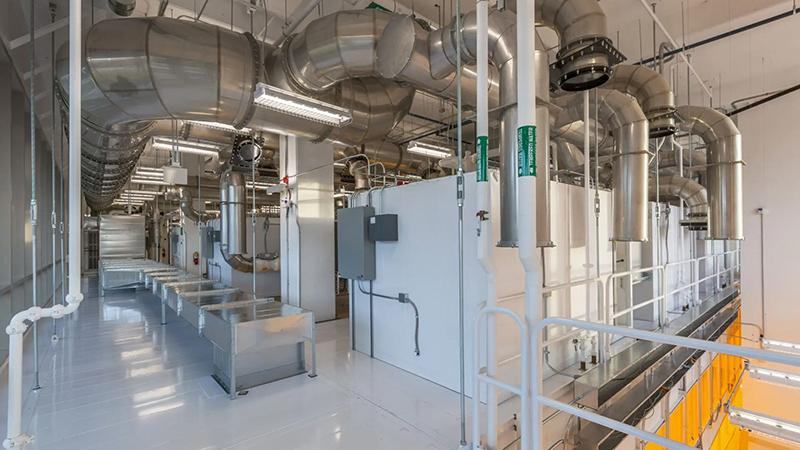
This webinar explores smart and sustainable cleanroom design, focusing on efficiency, reliability, and long-term success. Attendees will learn about ISO and GMP standards, optimizing airflow, energy efficiency, and regulatory compliance, while gaining insights from industry leaders on HVAC measurements and real-world project examples. Ideal for cleanroom professionals and engineers.
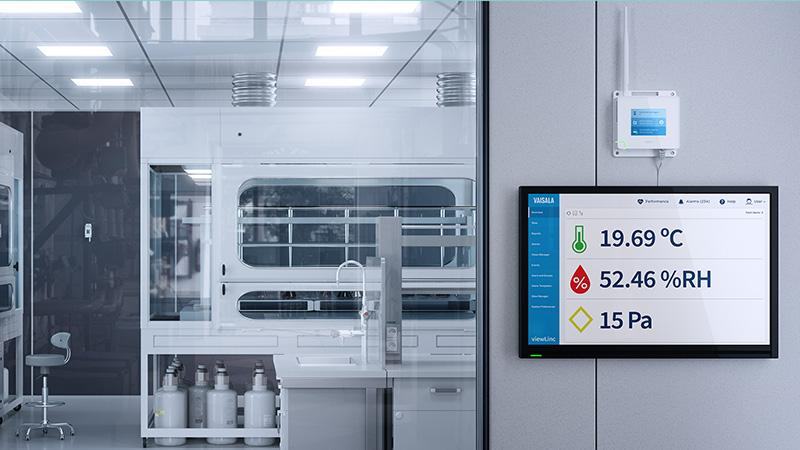
for cleanrooms and industrial settings

Transmisores de ±1,5 % HR para HVAC exigentes, con certificado
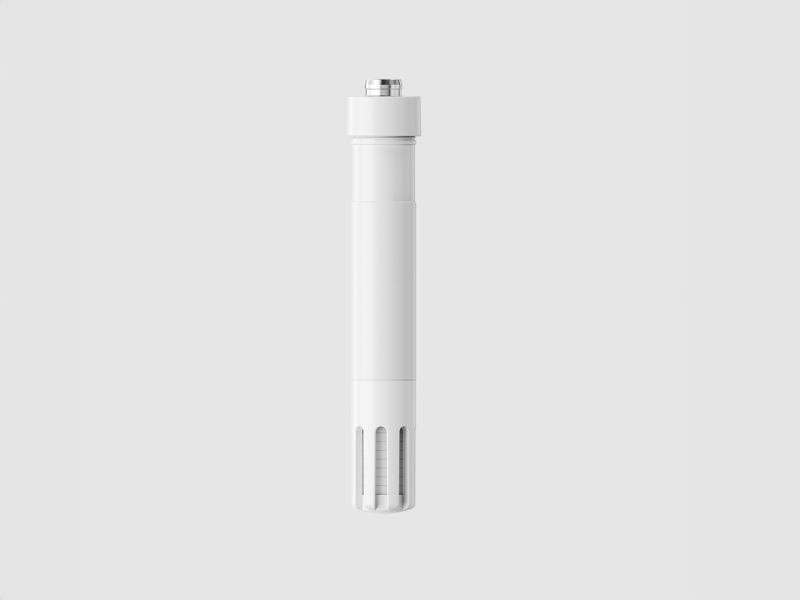
La sonda de humedad HMP113 con gabinete de plástico tiene una confiabilidad excelente y una tolerancia química, y es apta para ambientes sin…
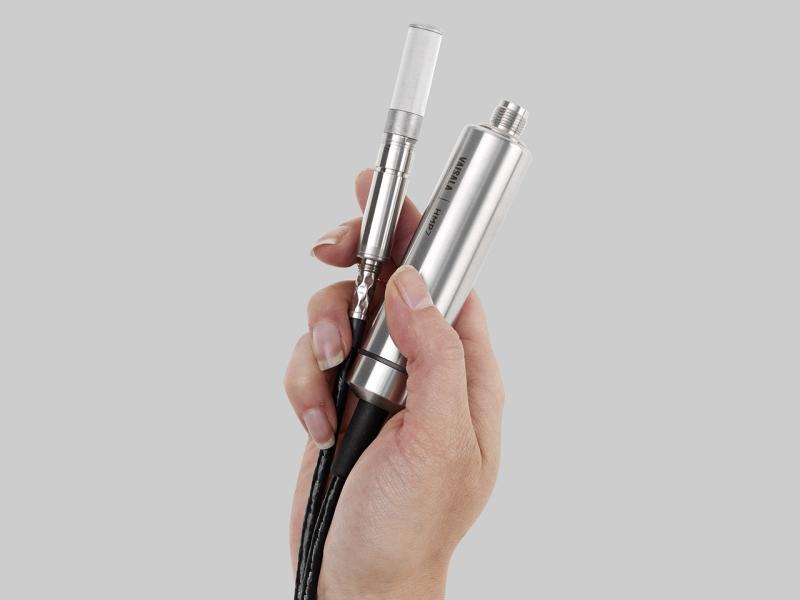
para altas humedades
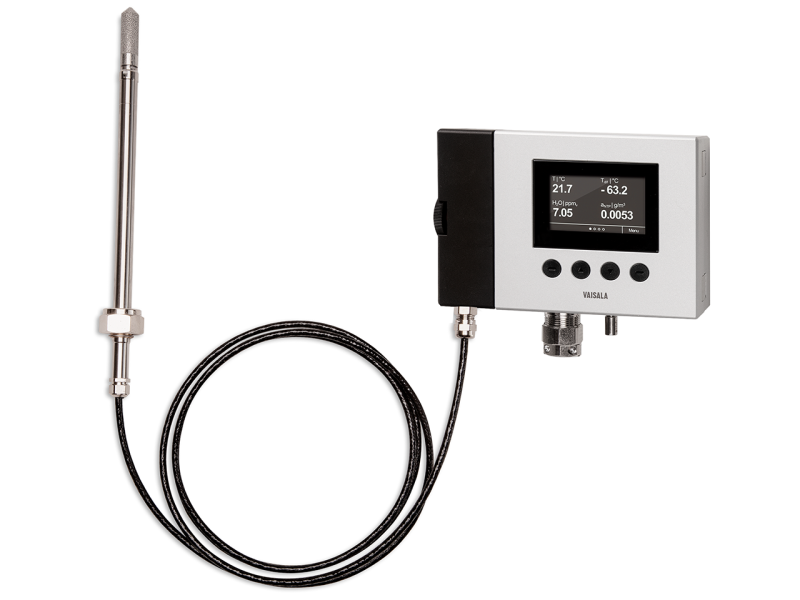
Para usar en las zonas con clasificación hasta 0 y 20
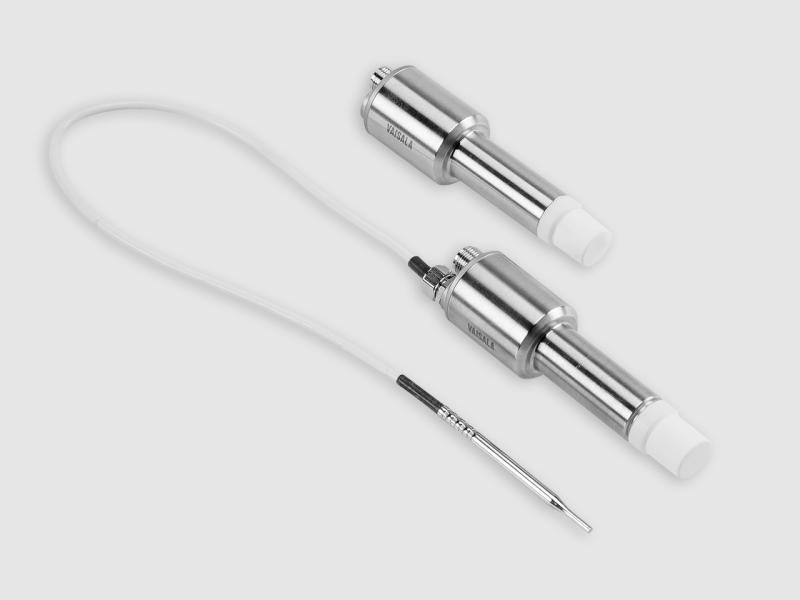
para procesos de bio-descontaminación

Qué son la humedad relativa, el punto de rocío, la humedad absoluta y la razón de mezcla, cómo la temperatura y la presión distorsionan la lectura, y…

Cómo se comporta la humedad en condiciones reales, los tres problemas de medición más frecuentes, y dos escenarios prácticos —aire calentado y aire…

Cuándo medir humedad relativa y cuándo punto de rocío, qué exige la alta y la baja humedad, cómo influyen temperatura y presión, y cuándo conviene…

La climatización representa hasta el 40 % de la demanda energética de un centro de datos. Esta guía de Vaisala explica cómo la exactitud de medición…
Un especialista responde con la solución, el instrumento y el servicio que corresponden.
Instrumentos para cotizar
Todavía no hay instrumentos. Se puede escribir igual: un especialista responde.