


Autosonde AS41
Upper air soundings provide the crucial data necessary for a complete atmospheric weather profile that leads to accurate forecasting. However…
Nota técnica
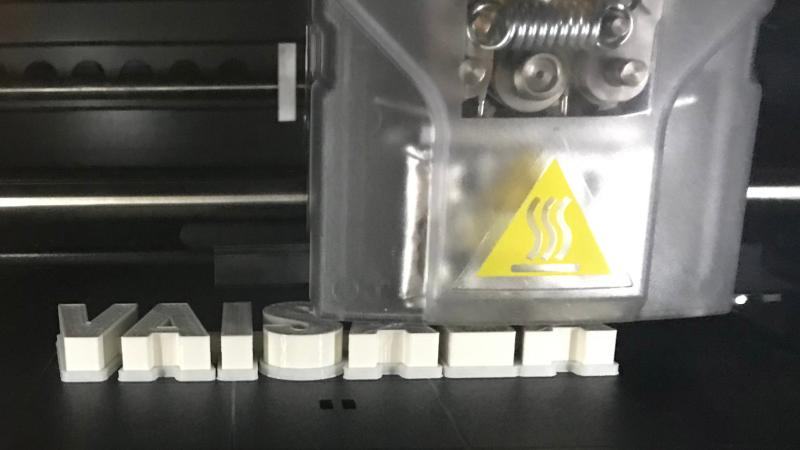
Another significant advantage in metal 3D printing is the improved printing speed and production rate. This technology is already challenging traditional manufacturing methods in mass production markets. The ability to reproduce high-quality products is essential to mass production and critical end-use applications such as aerospace, automotive, or medical components.
Moisture plays an important role in many stages of the manufacturing chain so, to ensure consistent quality, it is essential to make sure conditions in facilities throughout the production chain are stable. Manufacturing and storage facilities for equipment and materials should be temperature and humidity controlled to ensure a high-quality product.
High-quality additive manufacturing requires high-quality raw material. The powder materials such as aluminum or titanium alloys used in the selective laser melting (SLM) process are sensitive to ambient humidity. If the powder absorbs too much water from the surrounding air, its chemical characteristics can change dramatically, leading to loss of print quality. All storage conditions, whether inside or outside of the printer, should be carefully monitored to ensure that the raw material meets the manufacturer’s specifications.
With metals, regardless of the 3D printing method used, there is a sintering or melting process that fuses metallic powder to the solid metal part. The sintering must take place in an inert environment with low levels of oxygen and moisture. This can be a harsh environment for any measurement device, but the conditions can also be monitored indirectly through dew point measurement of the inlet and outlet gasses.
Plastic Additive ManufacturingFused filament fabrication (FFF), also known as fused deposition modeling (FDM), uses a filament of thermoplastic material extruded to the printing platform layer by layer. These filaments are made from a variety of polymers such as ABS (acrylonitrile, butadiene, styrene), PLA (polylactic acid), or PA (polyamide, more commonly known as nylon). All of these polymers have the ability to absorb water, with the amount dependent on the polymer type and the relative humidity of the ambient air. The effects caused by the moisture also depend on the material.
Some materials, like ABS, can withstand relatively high concentrations of moisture without any impact on their material strength, but problems may still emerge during extrusion. When ABS is heated above 200°C the absorbed moisture will evaporate and turn into steam. This causes issues in the print quality since the steam will affect the material flow. Some materials, such as PA (nylon) also suffer from hydrolysis. This means that water molecules damage the polymer chains during extrusion and the material loses its tensile strength.
ConclusionUpper air soundings provide the crucial data necessary for a complete atmospheric weather profile that leads to accurate forecasting. However…
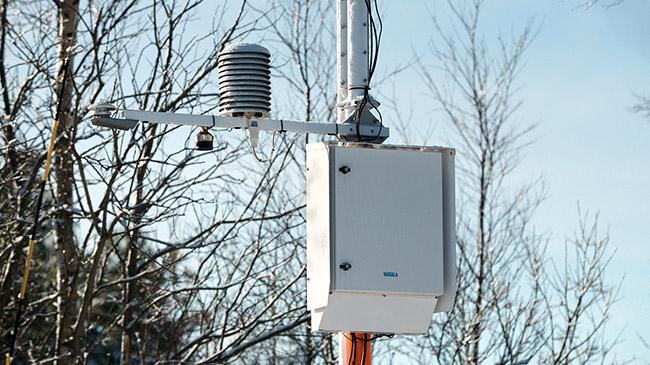
Vaisala Automatic Weather Station AWS310 is a complete communication and weather observation solution that can be used as a standalone unit, or as…
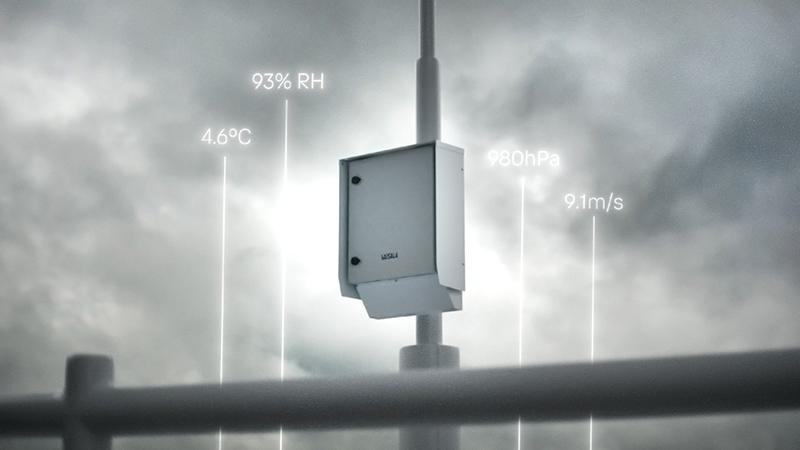
Our next-generation, cyber secure and modular Maritime Automatic Weather Station AWS830 is engineered for harsh marine environments and compliant…
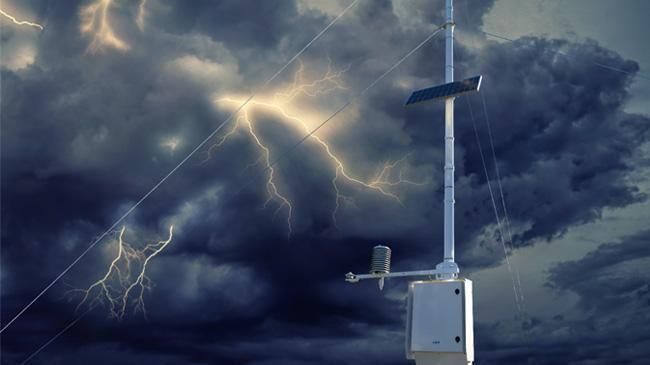
The Vaisala Automatic Weather Station AWS810 enables modern, high-quality surface weather observation networks anywhere in the world.
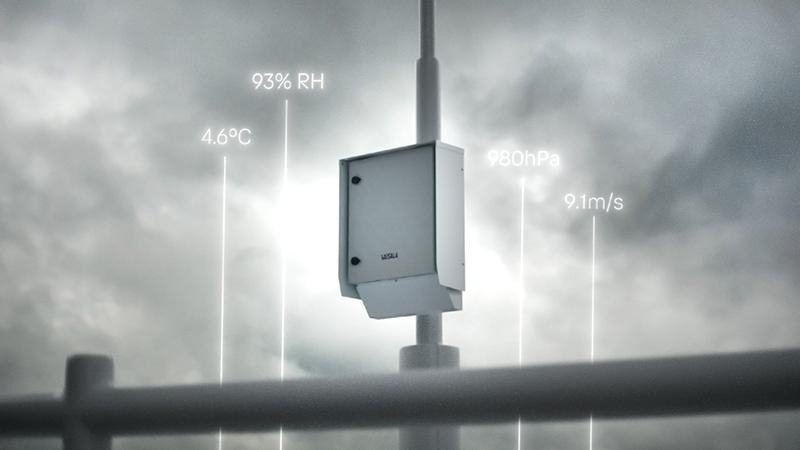
Vaisala Maritime Automatic Weather Station AWS830 delivers accurate, always‑on weather, environmental, oceanographic, and motion data for demanding…
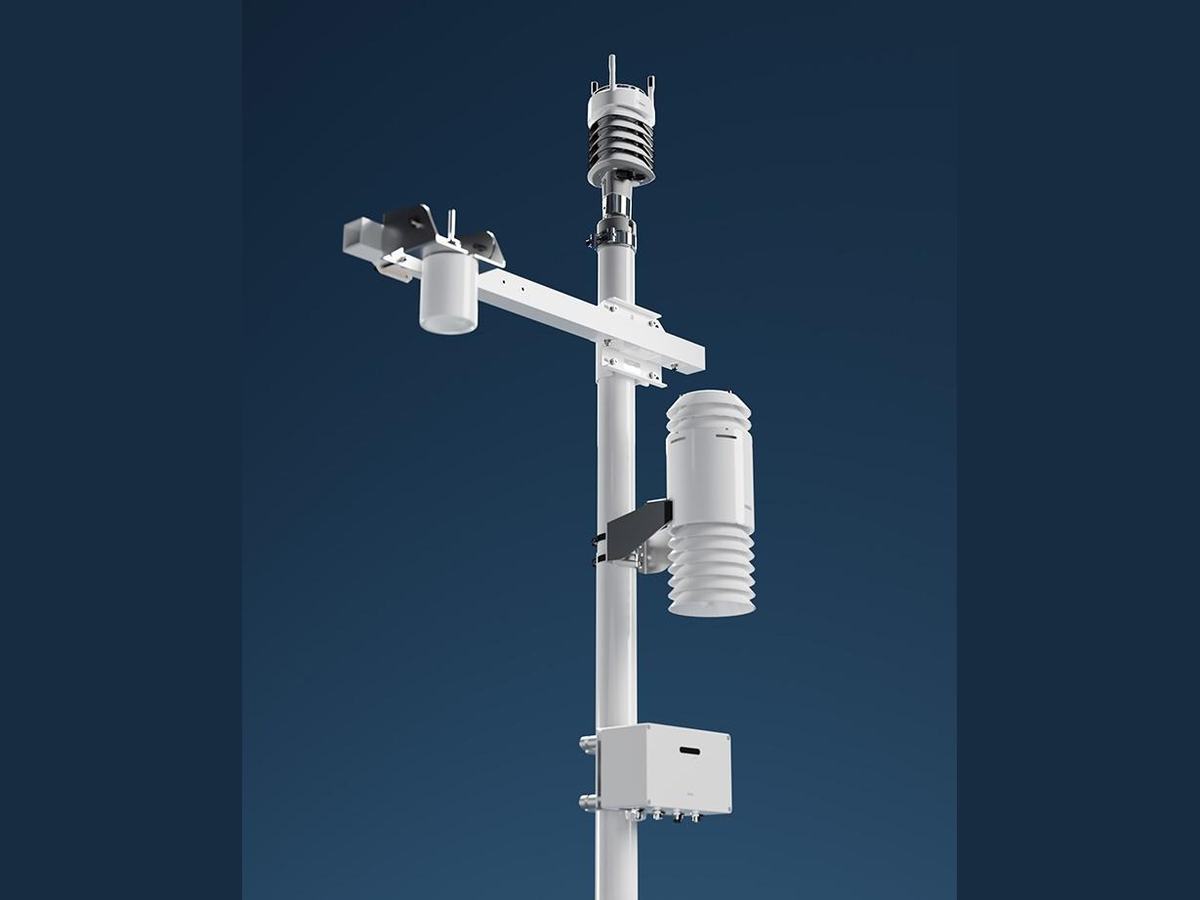
Vaisala Beam Weather Station BWS500 is a compact, scalable station for weather, air quality and road condition data, from a single standalone station…

La Punto de Rocío y Temperatura DMP5 Vaisala DRYCAP® está diseñada para la medición de humedad en línea en aplicaciones de secado industrial con…

El Dr. Lauri Reuter es una experta en el futuro de los alimentos y la persona a quien preguntar si alguna vez te has preguntado qué vamos a comer en…

Las empresas industriales continúan tomando medidas para minimizar sus emisiones de carbono. Muchos están reduciendo el uso de combustibles fósiles y…

En el proceso de caustificación, los químicos pasivos se convierten en químicos de cocina activos para producir licor blanco. Se utiliza en el…
Un especialista responde con la solución, el instrumento y el servicio que corresponden.
Productos para cotizar
Todavía no hay productos. Se puede escribir igual: un especialista responde.