

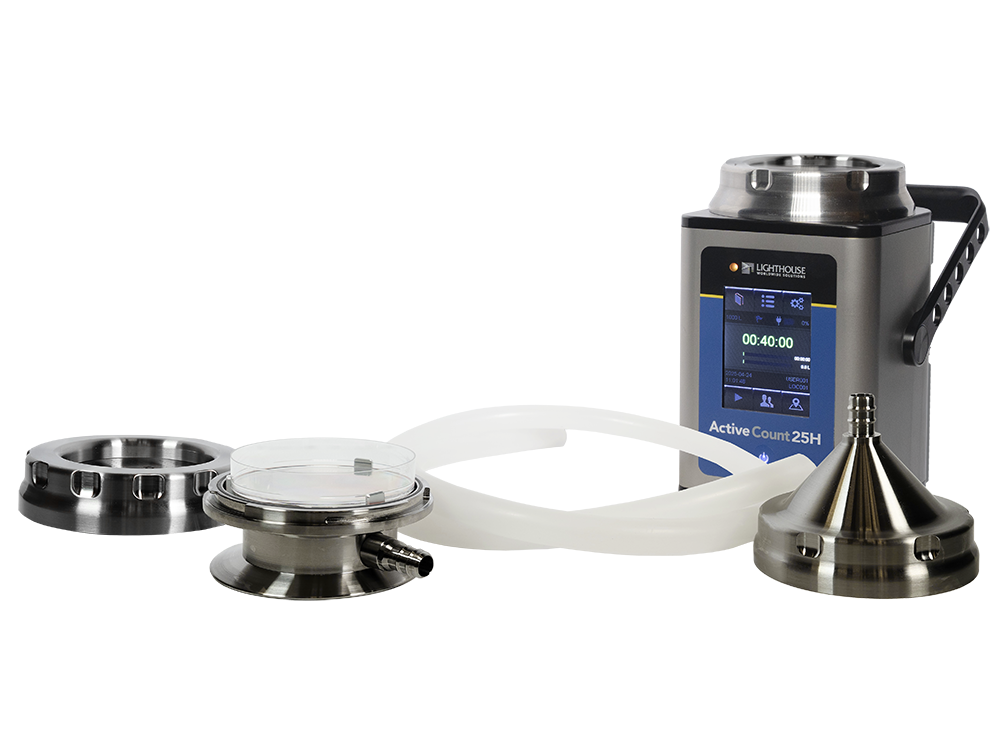
ActiveCount remote impactor kits
When viable sampling is part of your day-to-day, you need tools that adapt—not ones that hold you back. The ActiveCount Remote Impactor Kit is…
Nota técnica
When it comes to viable sampling in cleanrooms and critical spaces, you’ve got two main media options: traditional petri plates and Rapid Micro Bio (RMB) cassettes. Both get the job done, but they do it in very different ways—and depending on your setup, timelines, and data requirements, one may be a much better fit than the other.
Let’s break down the real-world reasons teams lean one way or the other.
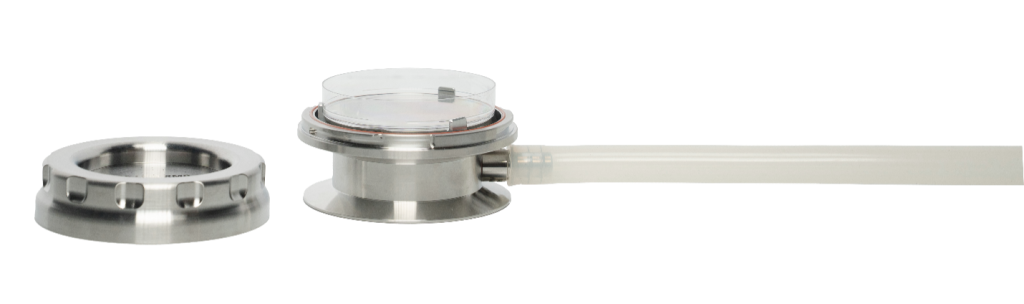
Most cleanroom folks have been using petri plates for viable sampling forever—and for good reason. They’re simple, cost-effective, and everyone already knows how to work with them. They’re especially common in pharma and biotech environments where regulations have been built around traditional methods.
If your team incubates in-house, you’ve probably got petri plate workflows dialed in. The process is predictable, and results are usually available within 3 to 7 days, depending on the incubation protocol. For routine monitoring or regulatory compliance, this timing might be totally acceptable.
Real-world example:
A sterile injectable manufacturer runs daily viable air sampling on multiple ISO 5 areas. They use petri plates because the facility already has an in-house lab with validated incubation and identification systems. Their timelines allow for a 5-day wait on results, and they appreciate the cost savings of petri plates over time.
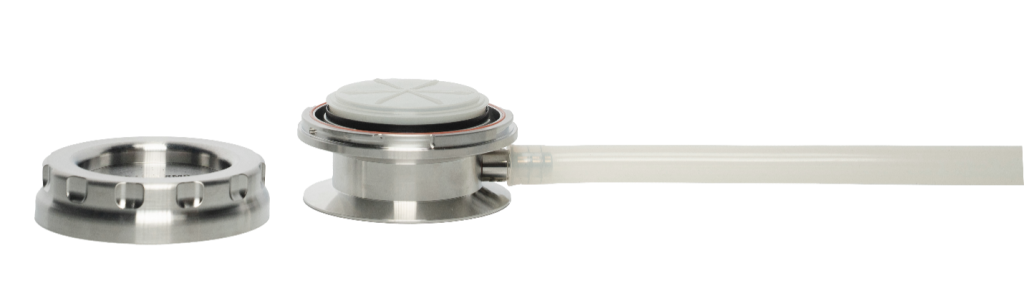
On the flip side, Rapid Micro Bio cassettes are gaining serious traction—especially when speed, data integrity, or contamination control is top of mind. The RMB cassette is a closed system, which makes it much easier to handle in high-risk areas. Plus, some systems can start giving you results in as little as 24 hours.
That kind of speed can make a huge difference.
Real-world example:
A cell therapy facility is working with short-shelf-life products—every minute counts. They use RMB cassettes because they need viable monitoring results within 24 to 48 hours to release product safely. They’ve also found that the closed cassette system reduces false positives from operator handling.
There’s no “one-size-fits-all” here. If your main concern is cost and you’ve got the time to wait for results, petri plates will probably work just fine. But if you’re working in high-risk zones, handling sensitive product, or you simply can’t afford to wait five days for micro results, RMB cassettes are worth a serious look.
The good news? You don’t have to choose just one. Many facilities use both, depending on the area, process, and urgency.
So, what matters most to your team—speed, cost, handling, or risk reduction?
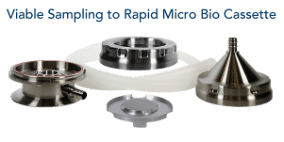
Real talk: many facilities are juggling mixed-use areas, tight timelines, and strict compliance standards. The ability to plug-and-play between media types isn’t just nice to have—it’s a game-changer.
Need help figuring out which setup fits your team best? Lighthouse will walk you through it. Tell them what you’re sampling, how fast you need results, and how your system’s set up. They’ll help build a kit that works today and grows with you down the road.
When viable sampling is part of your day-to-day, you need tools that adapt—not ones that hold you back. The ActiveCount Remote Impactor Kit is…
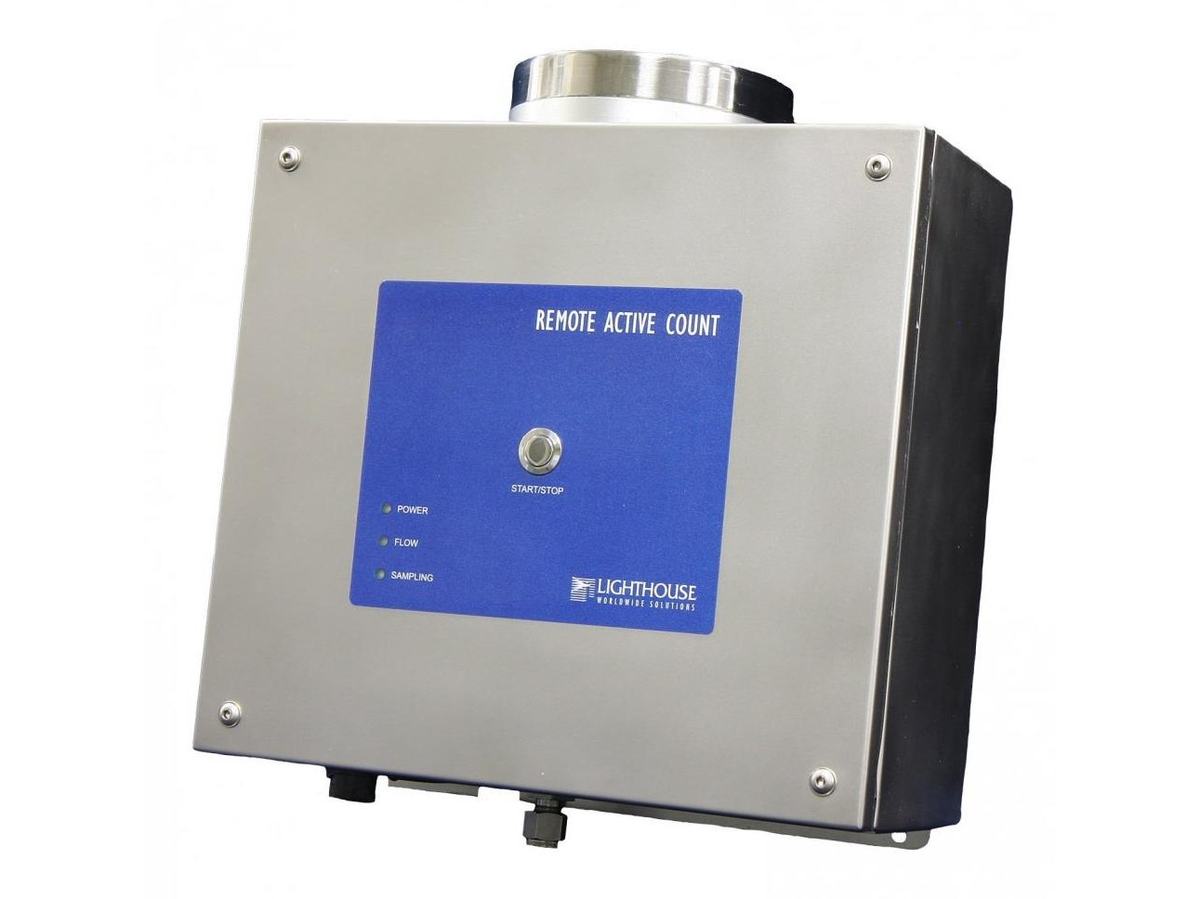
The ActiveCountRp is a remote viable air sampler with an integrated pump, built for continuous cGMP-compliant microbial monitoring.
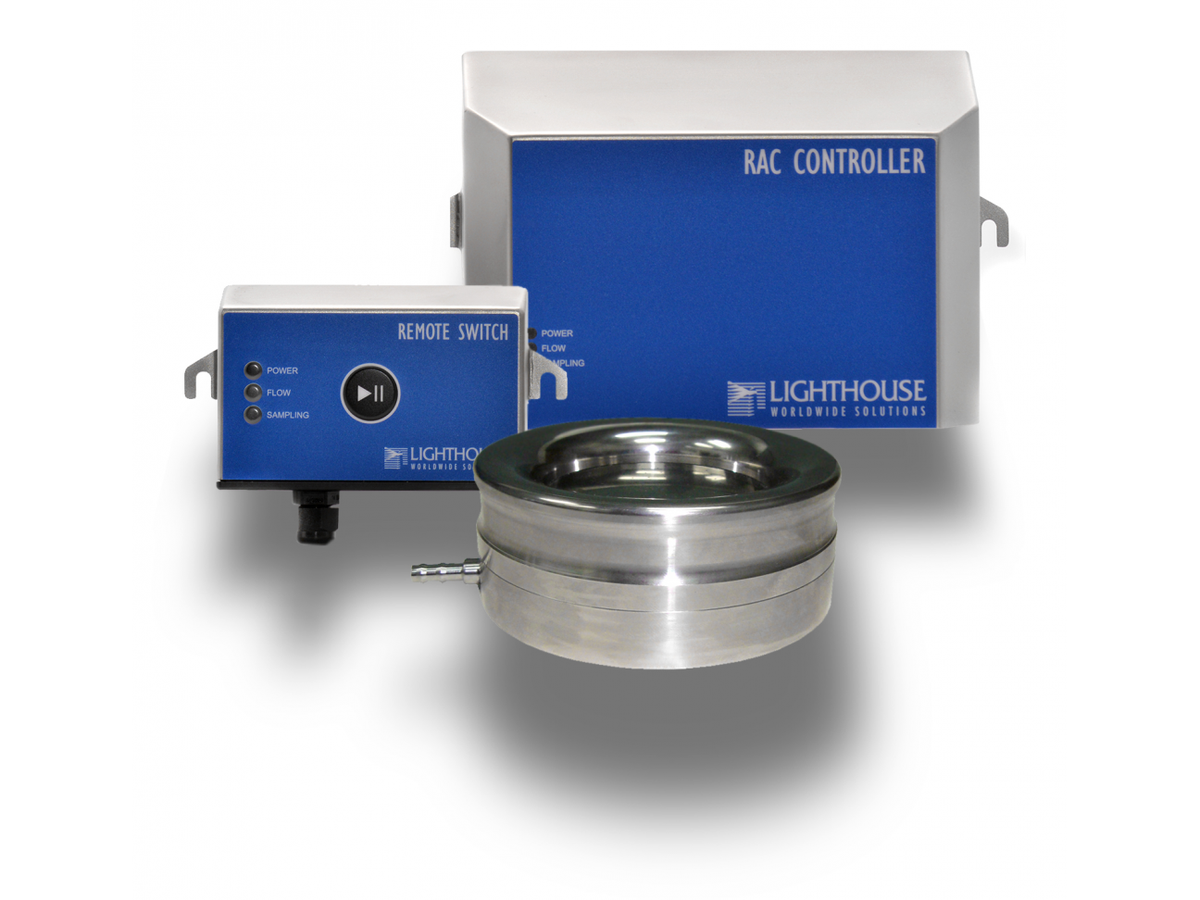
ActiveCountR™ is built for continuous, reliable operation with flexible sampling control, so you can trust your viable data run after run.
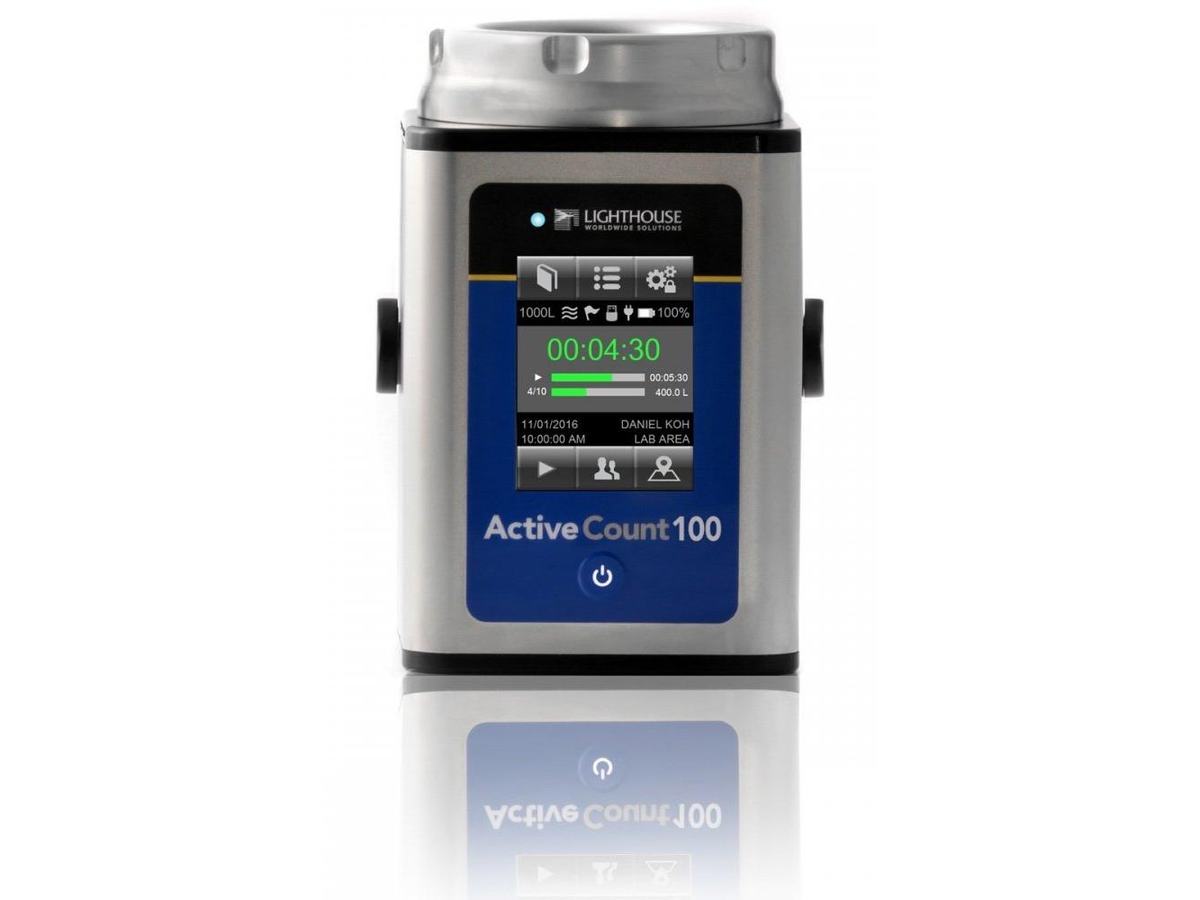
Meet ActiveCount… the portable microbial air sampler for cleanrooms and aseptic environments. With self-adjusting flow control and programmable…

La Punto de Rocío y Temperatura DMP5 Vaisala DRYCAP® está diseñada para la medición de humedad en línea en aplicaciones de secado industrial con…

El Dr. Lauri Reuter es una experta en el futuro de los alimentos y la persona a quien preguntar si alguna vez te has preguntado qué vamos a comer en…

Las empresas industriales continúan tomando medidas para minimizar sus emisiones de carbono. Muchos están reduciendo el uso de combustibles fósiles y…

En el proceso de caustificación, los químicos pasivos se convierten en químicos de cocina activos para producir licor blanco. Se utiliza en el…
Un especialista responde con la solución, el instrumento y el servicio que corresponden.
Productos para cotizar
Todavía no hay productos. Se puede escribir igual: un especialista responde.