

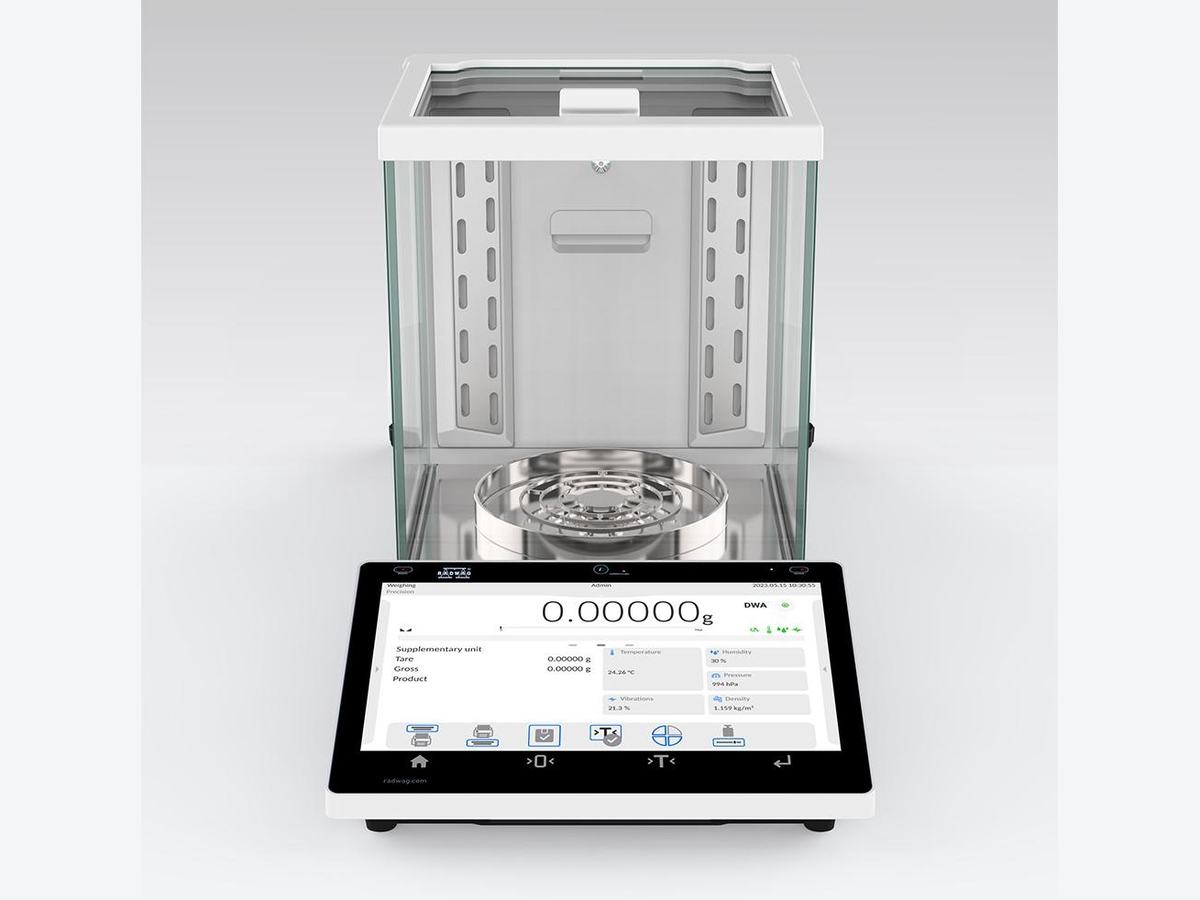
Balanza analítica XA 82/220.5Y.A
son dispositivos de laboratorio avanzados que combinan tecnología de punta con una precisión de medición incomparable. Equipadas con un innovador…
Nota técnica

2
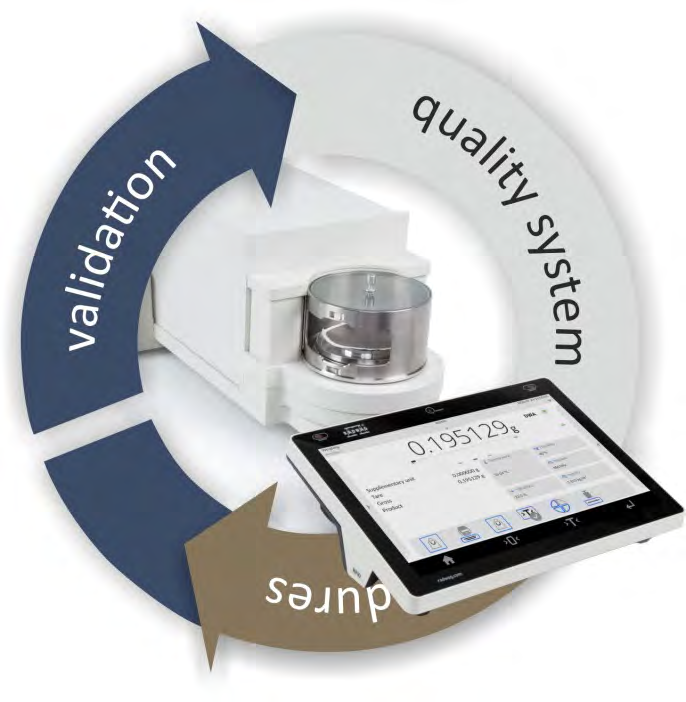
Thanks to the CFR 21 part 11 that was elaborated and implemented for use on the 20 th of August 1997, it is possible to replace hard copies with electronic equivalents. The aforesaid amendment is aimed at assuring consistency, reliability and accuracy of electronic documents and electronic signatures. If electronic signatures and related electronic documents meet requirements of 21 CFR part 11, the FDA (Food and Drug Administration) must consider the electronic signatures as equivalent to handwritten signatures. To make sure full compliance is obtained, actions in three different areas defined below must be taken: o VALIDATION §11.10 (a,b,c,d) is the responsibility of the supplier that installs the device, and aside from assessment of correct operation of the equipment concerns inspection of protection related to verification of changes, access to various application levels and verification of electronic signatures and documents. All these actions serve as one of the elements of the measuring system validation.
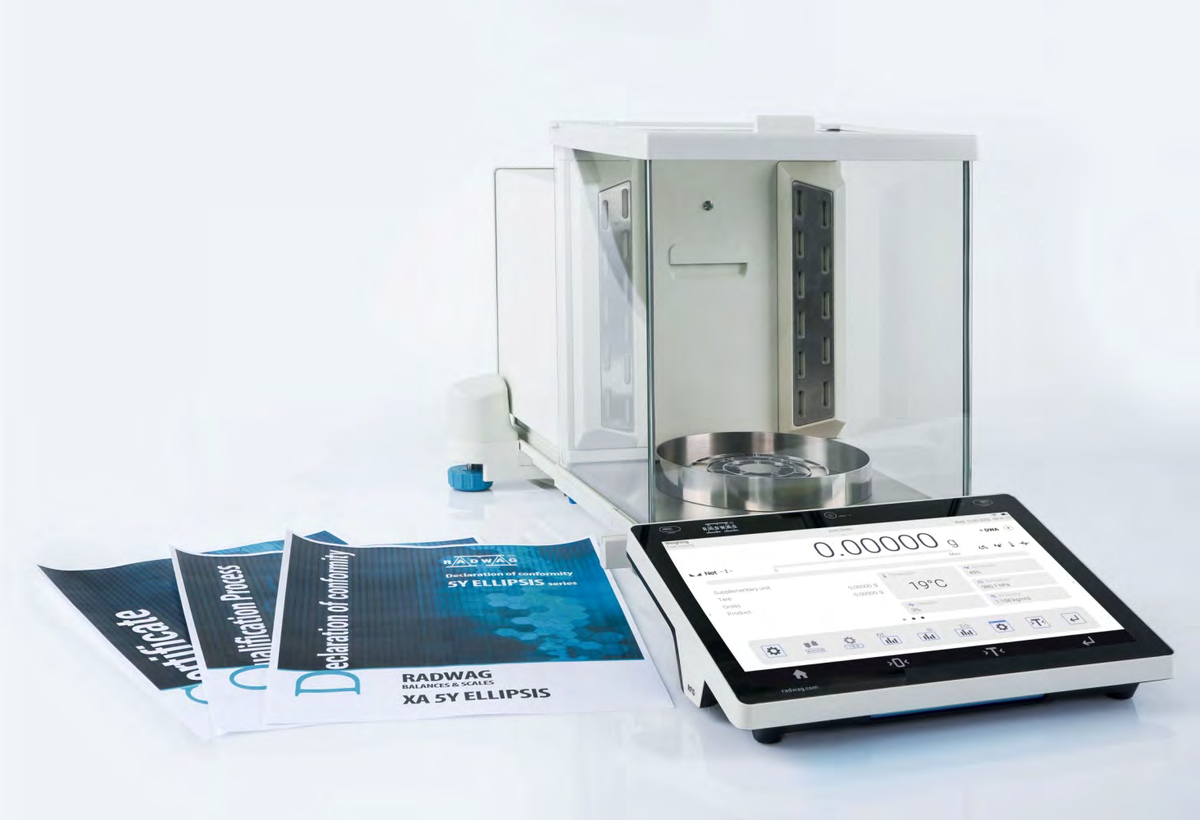
Maximum load 220g, elementary reading unit d=0.01/0.1mg Applications: ReflexLEVEL System, Ambient Light, Digital Weighing Auditor, Smart Min Weight o QUALITY MANAGEMENT SYSTEM §11.10 (e,f,g,h) is within the operator’s duty and involves all so-called SOPs, that is Standard Operating Procedures. They apply to measuring process aspects. They must be as simple as possible, yet their fulfilment must assure effective operation.
3
o SOP – ADMINISTRATIVE SUPERVISION §11.10 (i,j,k) is within the operator’s scope of duties and applies to settings and working parameters of the device and entire system. This term also involves such fields as staff training, access and distribution inspection means, change supervision procedures (introduction of changes).
Validation – verification of operation and security of the weighing system, supplier's actions Quality System – qualifications of staff, inspection of the weighing system documentation related to the process user responsibility, SOP – quality management system procedures for the measurement process, user responsibility It is not possible to obtain compliance with 21 CFR part 11 through a single device or weighing system. The manufacturer or distributor may however deliver the device whose functions allow obtaining the compliance. The organisation that implements such a system for use must have relevant Standard Operating Procedures (SOPs) in place. Pursuant to requirements of 21 CFR §11.10 (i), the personnel must be technically skilled (training, awareness of responsibility).
The inevitable element that is strictly related to this issue is risk management (ICHQ) that must realistically define requirements not only in terms of accuracy of measurement but also needs regarding compliance with 21 CFR part 11. This means that only the documents and records that have an impact on safety and product quality must be subject to requirements of the part 11. It is a reasonable approach, yet such clear distinctions, particularly within one closed measuring system, are usually not adopted in reality.
4
a. Agency stands for the Food and Drug Administration. b. Biometry is the method of verifying identity of a natural person by measuring physical features or distinctive behaviours that are both unique and measurable. c. Closed system is the environment in which the access to the system is supervised by people responsible for content of electronic records that are available in this system. d. Digital signature is the electronic signature based on cryptographic methods of author authentication, created with the use of a series of rules and set of parameters in the way that both the signer’s identity and data integrity may be verified. e. Electronic document (record) is any combination of text or graphic information, data, voice information, images or information entered through other methods of presentation, designed, modified, kept, archived, read, or transmitted in the computer system. f. Electronic signature is the electronic data compilation, composed of any symbol or series of symbols, and made, used or authorised by a natural person as a legally binding equivalent of this person’s handwritten signature. g. Handwritten signature stands for a handwritten last name or graphic sign of a natural person, that is handwritten by this person and made or accepted in order to authenticate the document in a durable way. The nature of making a signature is maintained with the use of a writing tool or marking tool, e.g. pen or burin. The handwritten last name or graphic sign, conventionally made in paper, may also be entered in other forms of expression in order to record a last name or mark/sign. h. Open system is the environment in which the access to the system is not supervised by people responsible for content of electronic records that are available in this system.
The requirements of 21 CFR are applicable only in case it is necessary to obtain compliance for products launched on the American market. This document is published by FDA. The European Commission in turn published the document on GMP (4), Annex 11 for computerised systems. The requirements from these two legal acts are virtually identical.
5
As mentioned before, it is not possible to declare compliance with CFR 21 part 11 for any measuring system. This system may however have features facilitating obtainance of compliance. Such functions apply to balances and terminals by Radwag, i.e. 5Y, X2, X7, CY10 series, etc. The requirements and nature of the operators’ working environment may differ substantially, yet main features of Radwag’s weighing systems are stable. See below to learn how requirements of CFR 21 part 11 are adopted by weighing applications. The description concerns requirements given in the following:
˗ § 11.10 Part B – closed system supervision ˗ § 11.50 Signature marks ˗ § 11.70 Combination of signature with electronic record ˗ § 11.100 Part C – general requirements, electronic signatures ˗ § 11.200 Part C – components of electronic signature and means of inspection ˗ § 11.300 Part C – identification code check (passwords)
MYA 5.5Y.FA – measurement of filter mass in laboratory and industrial applications, differential weighing Maximum load of 5g, elementary reading unit d=0.001mg Applications: ReflexLEVEL System, Ambient Light, Digital Weighing Auditor, Smart Min Weight To obtain full compliance of the weighing system with requirements stipulated in 21 CFR part 11, it is necessary to combine mechanisms implemented in the balance with procedures (SOP) and other administrative procedures that are part of the Quality Management System. It applies to all measuring systems, regardless of what size they measure.
6
The operators who use closed systems to create, maintain or send electronic documents must adopt procedures and inspection measures that serve to assure authenticity, integrity and, if suitable, confidentiality of electronic documents, and to make sure the signer cannot easily reject signed documents as non-authentic. Such procedures and inspection measures must involve the following:
identification of invalid or modified records.
All measuring systems by Radwag are designed in accordance with requirements of the Quality Management System, i.e. ISO 9001 and ISO 17025, that are concerned with designing, manufacturing and verifying high-resolution weighing systems dedicated to the pharmaceutical, cosmetic and petrochemical industries. The systemic approach to manufacture and inspection together with continuous supervision of essential process parameters guarantee precision and correct operation of balances and weighing systems that are produced by Radwag.

Inspection of metrological parameters of laboratory balances as per OIML R 76 Verification of piston pipette volume on the basis of the reference method ISO 8655-6:2022 Every important electronic record that is subject to requirements of CFR 21 part 11 is recorded, stored and protected. The access to the system is limited and offers several permission levels for the sake of protection of all electronic records. Thanks to these basic features, it is possible to obtain a positive result in the validation procedure. The best solution is the one in which Radwag’s professional auditors perform validation.
7
conduct such an analysis and copy electronic records.
The copy of records related to weighing, reporting may be generated by the system administrator and saved on the external Flash Drive carrier. The frequency of making verification copies is established by authorised people, e.g. Head of the Laboratory. To verify compliance of the copy with original records, it is necessary to compare records stored in the databases of the balance with the content of the electronic file. The information saved in the audit trail may be filtered by date or type of operation, which substantially accelerates and facilitates supervision of all events recorded in the measuring system.
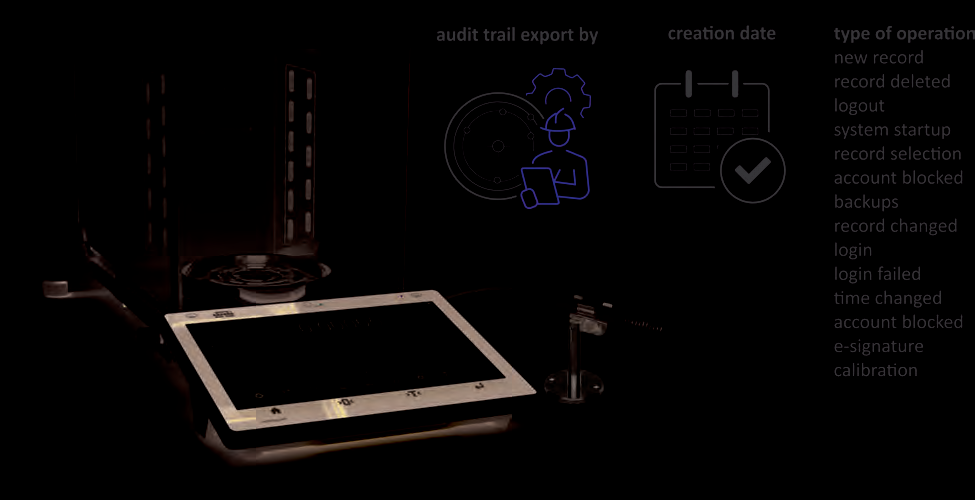
Maximum load 220g, elementary reading unit d=0.01/0.1mg Applications: ReflexLEVEL System, Ambient Light, Digital Weighing Auditor, Smart Min Weight The information saved in the database may also be sent to the printer or exported to the external memory in the format that is acceptable to calculation sheets, as long as the operator has relevant permission.
8
Record protection allowing precise and direct readout throughout record storage period.
All information is permanently stored in the database. The access to saved data is limited via several permission levels. The essential information may therefore be browsed only by authorised people. Every time the information is saved, corrected or modified in the weighing system, it is recorded in the event log. This way of saving and supervising guarantees stability and security of all information related to inspection, production and supervision. The weighing system has the so-called Alibi memory that is a separated field of memory within which every essential information is saved permanently. The efficiency of such a form of record is confirmed through the OIML certificate. Periodically and based on the adopted schedule, the records may be archived in any safe place, using the export-to-external memory option. The analysis of data included in external carriers may be carried out for example in the Excel.
Maximum load 5g, elementary reading unit d=0.001mg Applications: ReflexLEVEL System, Ambient Light, Digital Weighing Auditor, Smart Min Weight
9
Limited access to the system for unauthorised people.
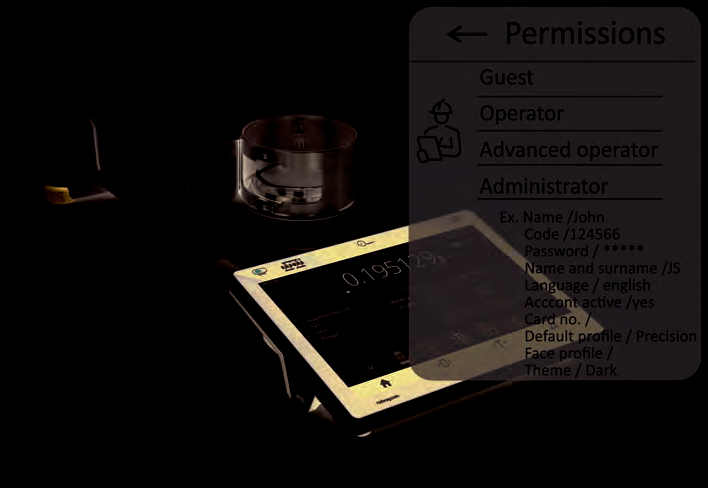
After being activated, the weighing system enters the active mode but most operations may be executed only after the operator has logged into the system. The permission level assigned to the operator determines the scope of works that he may perform. The example of permission division is showed in the table 1.
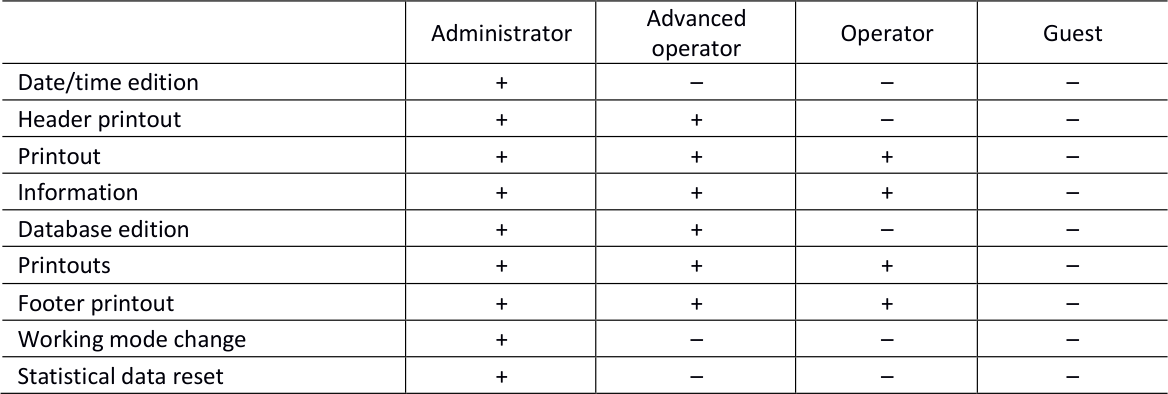
Date/time edition + – – – Header printout + + – – Printout + + + – Information + + + – Database edition + + – – Printouts + + + – Footer printout + + + – Working mode change + – – – Statistical data reset + – – –
The people who use closed systems to create, maintain or send electronic documents must adopt procedures and inspection measures that assure authenticity, integrity and, if relevant, confidentiality of electronic documents, and to assure that the signer cannot easily reject signed documents as non-authentic. Such procedures and inspection measures must involve the following:
and must be available and ready to be browsed and copied by the agency.
The system administrator has a direct access to the audit trail preview and is able to generate global reports on records and modifications. All printouts, electronic signatures are marked with time and date of making the record.
10
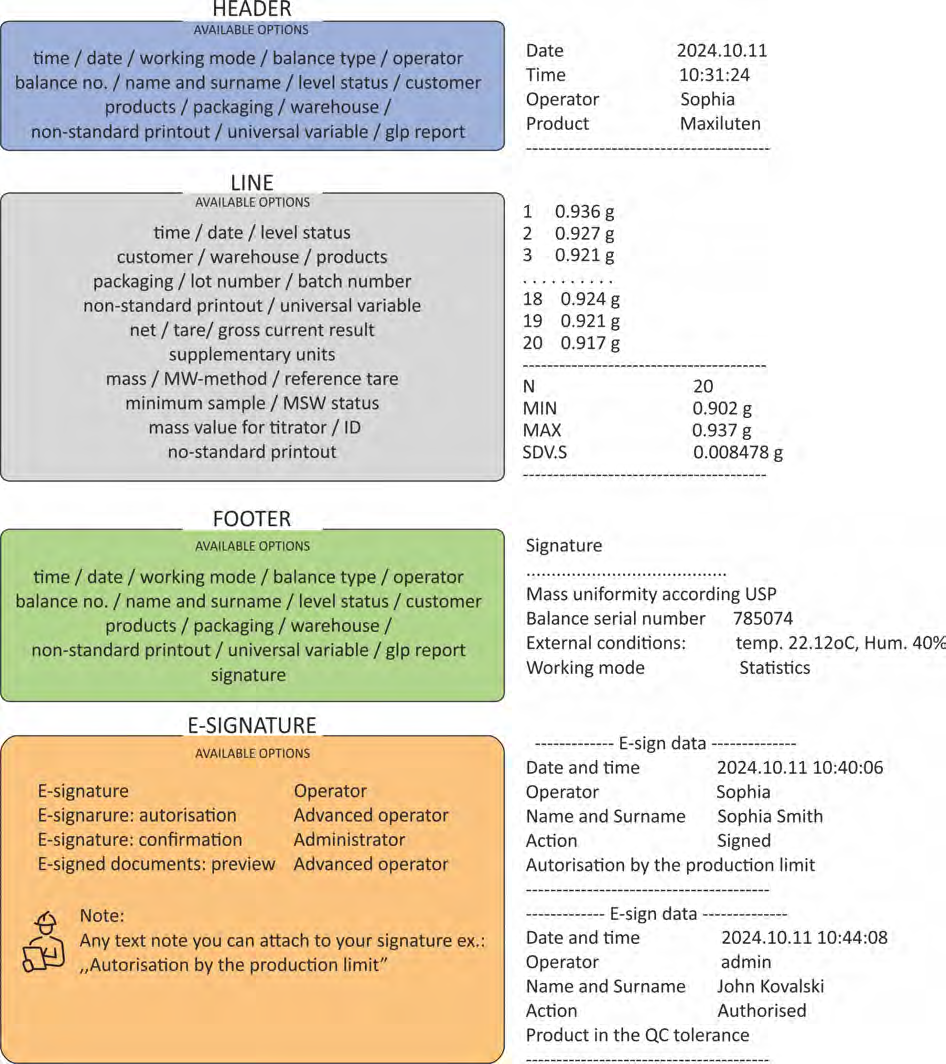
In practice, the content of printout, regardless of the complexity, is adapted to information templates applicable in the Laboratory. Using standard information and freely programmable printouts, it is possible to create any printout templates that are dedicated to processes and analyses conducted by the Laboratory.
11
per circumstances.
The Radwag measuring system allows designing the order of events for most editing and measuring processes. It applies to such applications as differential weighing, mixture creation, comparison, dosing, etc. With respect to other internal processes, such as zeroing, tarring and adjustment, a strictly defined order of operations is adopted. Correctness of these events is verified through comparison of results of these operations with assigned limits. The operations defined by the operator, such as SOPs (Standard Operation Procedures), concerning periodical inspection of balance indication accuracy with the use of the external standard may also be defined through the so-called scheduled tasks.
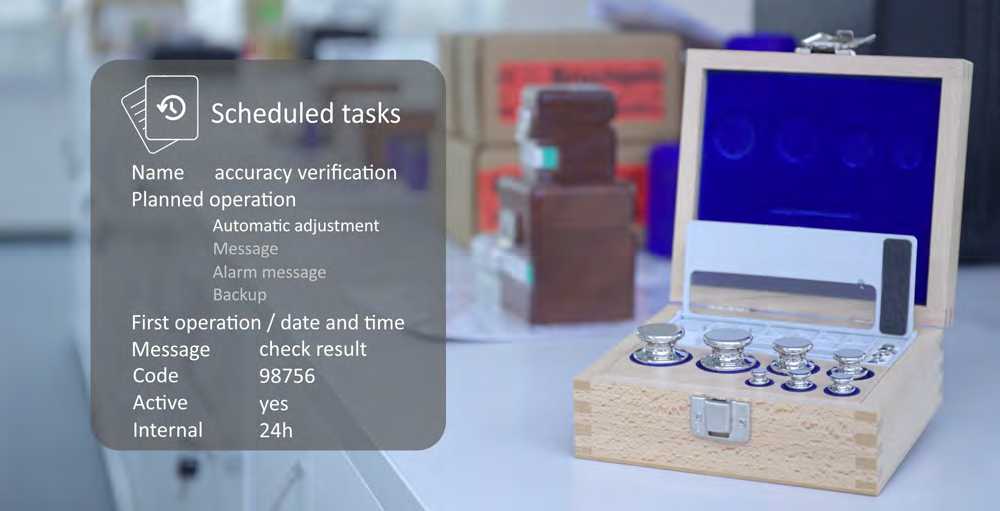
system or computer system, change the record or perform the specific operation.
The permission check is attributable only to the weighing system administrator who is responsible for defining the scope of permission for all operators, including the following:
procedures, analyses using the measuring system are carried out,
12
data sources or operating instructions.
All weighing systems manufactured by Radwag have the so-called closed IT systems, that is the ones which may be accessed only through secured communication interfaces. It is confirmed through studies of notified bodies and OIML certificates.
tasks.
Improving personnel’s skills on a continuous basis is one of the elements of every quality system. Radwag organises metrological and application training that may serve as a basis for improvement of measuring methods and processes in the pharmaceutical, chemical and petrochemical industries. During these training sessions, the knowledge and skills are juxtaposed, as it is one of the most important aspects of improving staff competence.
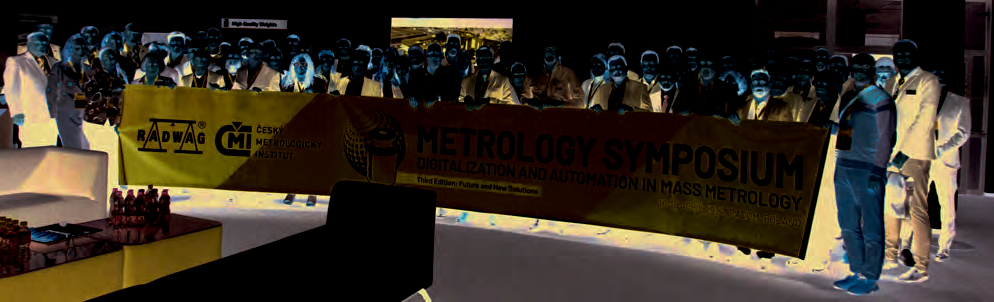
Figure 9. Metrology symposium 2024, Radom, Radwag headquarters.
13
falsification.
The quality management system in every organisation serves as a foundation that builds the trust to the company’s brand and products. It contains fixed systemic elements and dedicated procedural solutions that allow achieving specific goals.
documents the time sequence of the system documentation development and modification.
The system documentation must involve all aspects related to operation of the weighing system. It applies to technical inspections, periodical calibrations and ongoing functional tests. Radwag provides such services for every weighing system, but the scope and interval for periodical inspections must always result from the Quality Management System or GWP/GLP records.
14
signature and process related to signing, e.g. preview, approval, responsibility or authorship.
Every completed and confirmed mass measurement is permanently saved in the weighing database in connection with the date, time, name of substance weighed, ambient conditions and name of the operator. Any options related to the header, printout footer and non-standard printouts allow more precise description of the process. The electronically signed document is saved in the report database in which it may be browsed, resigned, its content may be confirmed and authorised. The aforesaid operations may be performed only by operators that have been assigned relevant permission levels. While making the signature, confirming or authorising, it is possible to add a unique note that will be permanently associated with your signature.
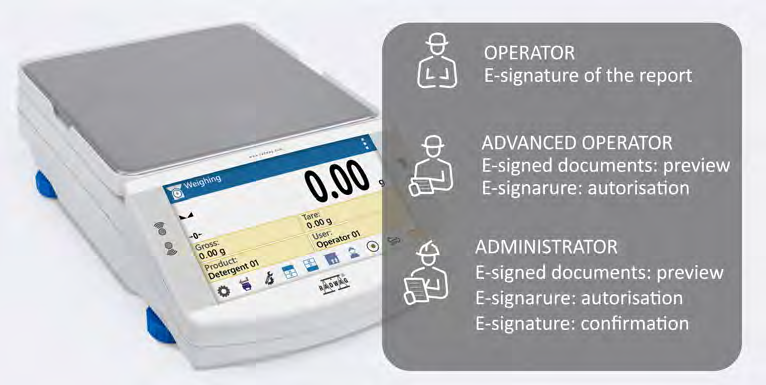
Maximum load 6100g, elementary reading unit d=0.01g Display unit 7”, Smart Lab – Automatic adjustment, IR Sensors, Alibi Memory, Access check, Weighing reports, MSW
15
means.
The nature of Radwag’s weighing system does not allow assigning or transferring handwritten signatures between electronic documents. The information on signatures, documents, signed or verified reports is closed, with no further changes allowed. The audit trail file is not editable, but remains sortable and browsable.
assigned to anybody else.
Every system operator has his own name, code and password. The system supervises personal resources and does not allow various operators to use the same names or codes.
CFR 21 (11.200.a) – Components of the electronic signature and inspection measures. The electronic signatures that are not based on biometry must adopt at least two different identifying elements, such as ID code and password. When a person makes a series of signatures during one continuous period of controlled access to the system, the first signature must be made using all components of the e-signature; next signatures must be made using at least one component of the electronic signature that may be made and is intended to be used by this person only. When the person makes one or more signatures not during one continuous cycle of controlled access to the system, every signature must be made using all components of the signature.
Electronic signatures must be used only by their original owners and must be managed and made in the way that ensures that an attempt to use the electronic signature by anybody else than original owner would require cooperation of two or more people.
16
The information on every system operator includes name, code, password, first and last name, permission levels, account status, menu language, profile in use, RFID card number. While logging into the system, it is necessary to confirm one’s identity by entering the system access code.
CFR 21 (11.200.b) – Components of the electronic signature and inspection measures. Electronic signatures based on biometry must be so designed as to prevent their use by anybody else than their original owner.
The operator verification mechanisms based on biometric verification are only existent in the 5Y and HY10 weighing system. However they are not used to sign documents and to approve other essential operations related to mass measurement.
People who use electronic signatures based on identification codes in connection with passwords must adopt inspection measures that assure security and integrity. Here are these inspection measures:
have the same combination of ID code and password.
This requirement assures the weighing system through own internal inspection mechanisms. The system administrator is not authorised (able) to change the principle of system operation with regard to these inspection mechanisms.
(for example in case of outdated password).
The system administrator may activate or permanently deactivate every account. The account deactivation period is not supervised by the weighing system so it must be determined by the operator’s quality management system.
17
temporary or permanent replacements on the basis of relevant strict inspection means.
The Radwag’s weighing system does not allow identification of the operator using external identification devices. While logging, a unique code and password must be entered.
management board.
The operator may log in many times, yet the number of unsuccessful attempts to log into the weighing system is globally defined by the system administrator. If all attempts have been used up, the operator’s account is blocked and the system administrator must intervene in such a case. The weighing result serving as a transaction in the testing process may be invisible to the unlogged operator, this option may be selected by the system administrator. The aforesaid solutions are to secure the weighing system against unauthorised use.
changed in an unauthorised way.
The authorisation related to access to the weighing system is granted by the system administrator. The access passwords for the menu are unique passwords given by the system operators. The IT solution in which the external device assigns and stores essential information related to weighing system safety is not adopted.
18
The company’s weighing systems may be used anywhere compliance with requirements stipulated in FDA 21 CFR part 11 is needed. As mentioned before, full compliance requires a comprehensive systemic approach in which functional capabilities of the balance are supported by procedures of the Quality Management System, including the so-called SOP (Standard Operation Procedure). Please note that the purpose is not to create highly complicated closed systems but ergonomic solutions that guarantee stability and safety in the production and control. Such features are available in Radwag’s weighing systems where data security is as important as precision of measurements and stability of parameters in time.
Assurance of compliance with regard to FDA 21 CFR part 11 is tantamount to assurance of compliance with requirements of EU GMP Annex 11. You must know that Annex 11 EU GMP concerns all forms of computerised systems used as part of operations regulated by GMP. Although it is a holistic approach, it not only covers the production area but also inspection of single processes and final inspection. Every 5Y, X2, X7, CY10 weighing system by Radwag has suitable features and protection that allow obtaining compliance but in fact it is always required to adopt a comprehensive approach in which the field of devices and measurements is as important as knowledge, competence and awareness of responsibility of the operator who performs measurements.
19


son dispositivos de laboratorio avanzados que combinan tecnología de punta con una precisión de medición incomparable. Equipadas con un innovador…
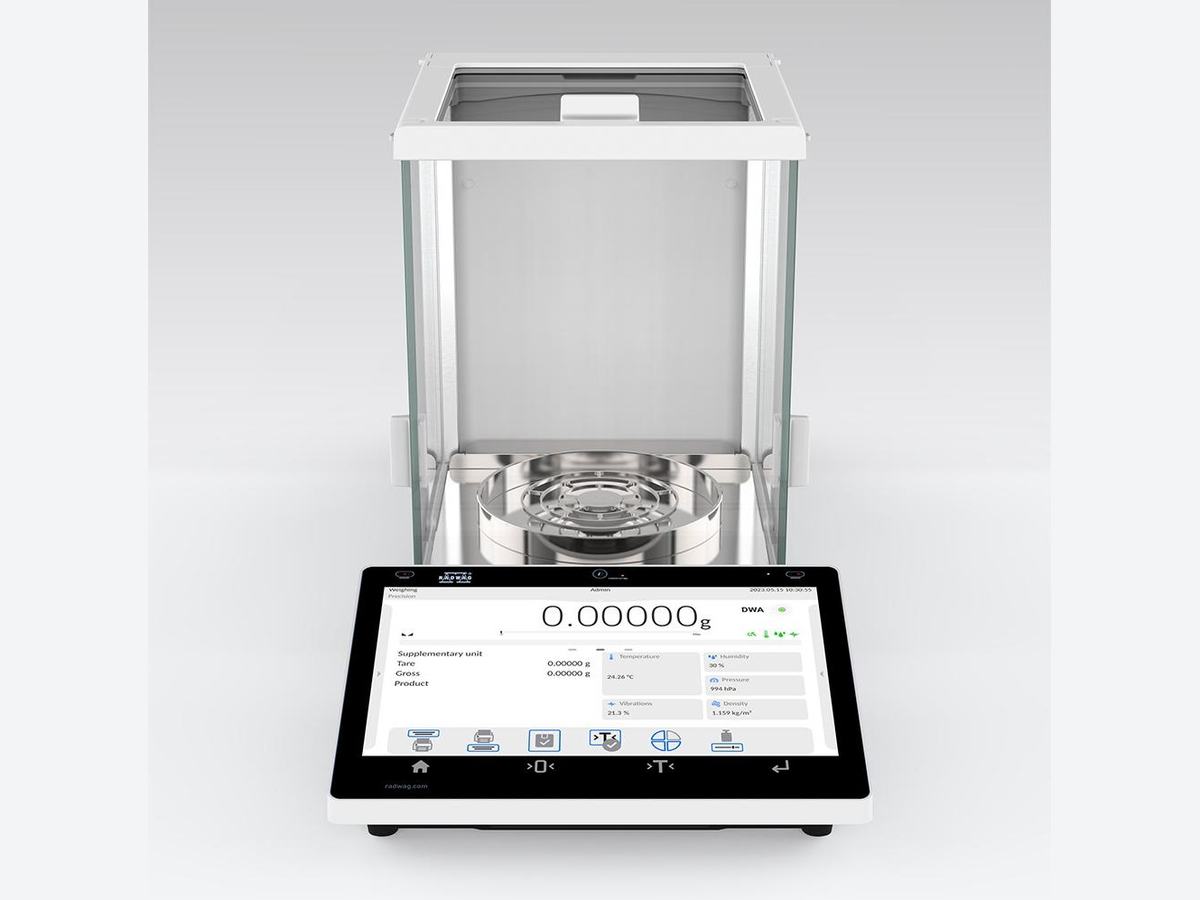
Indica al usuario en qué dirección debe nivelar la balanza. El sistema guía al usuario paso a paso, lo que minimiza el riesgo de errores durante la…
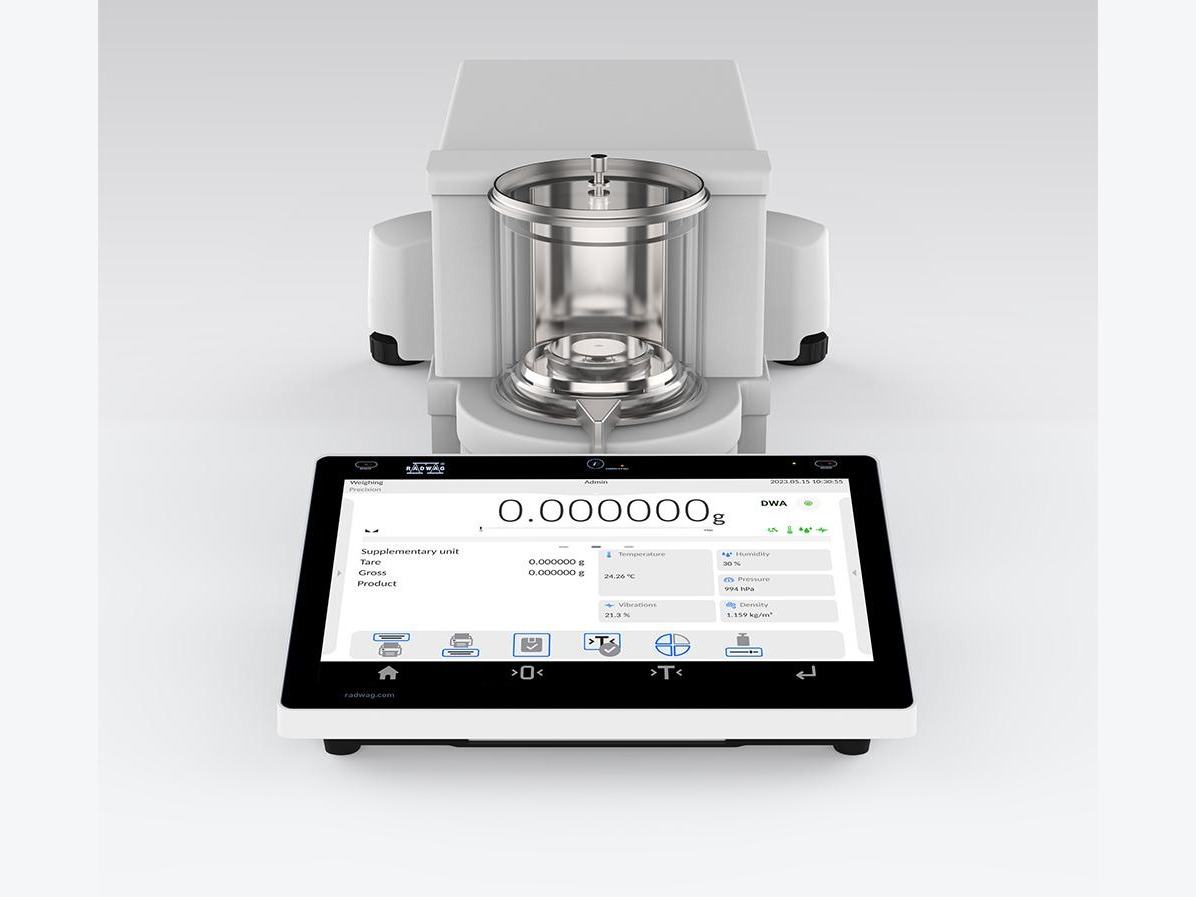
Las microbalanzas MYA tienen la unidad de lectura más pequeña del mundo [d] 1 μg y la pesada mínima más pequeña [USP] 0,82 mg. Están equipadas con…
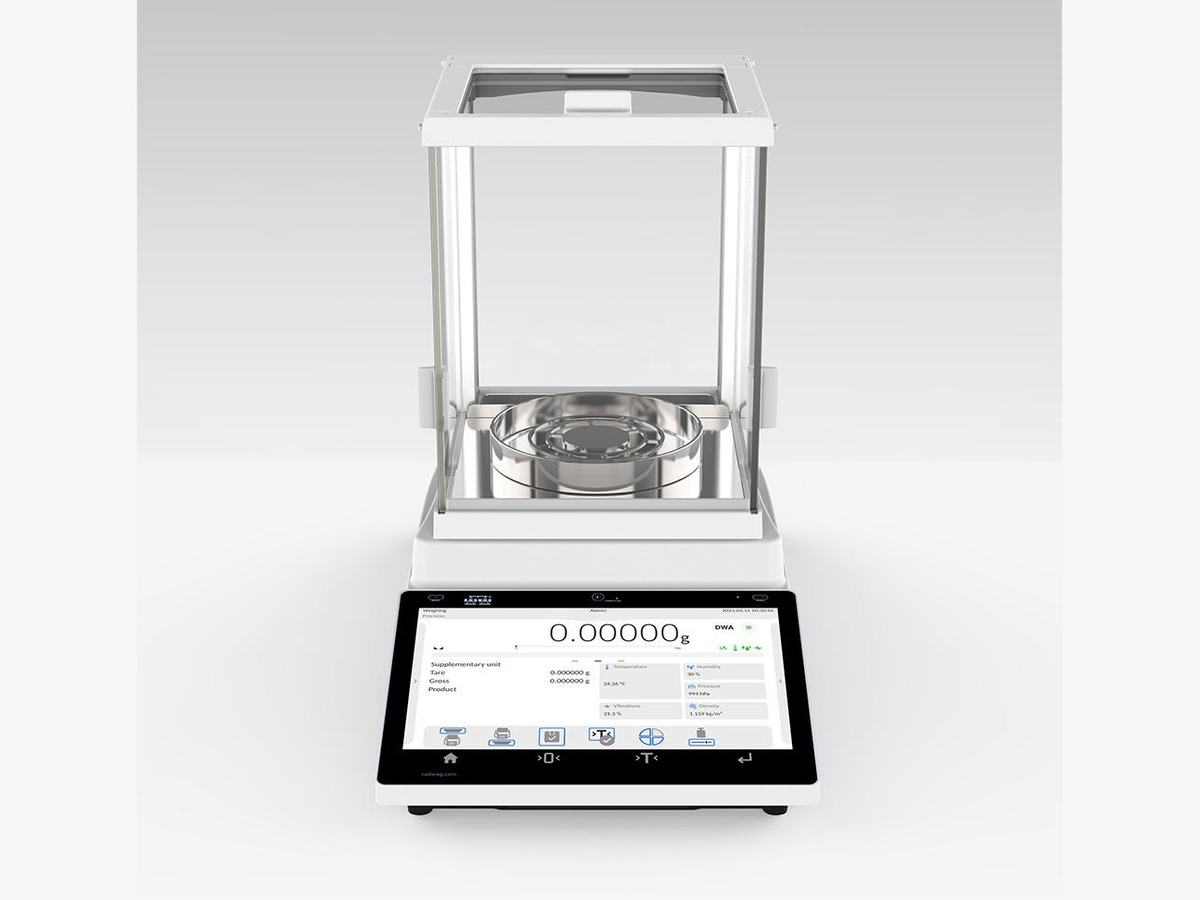
Las balanzas analíticas AS 5Y tienen una cómoda pantalla táctil de 10 pulgadas. Una pantalla grande significa más información al mismo tiempo y mayor…
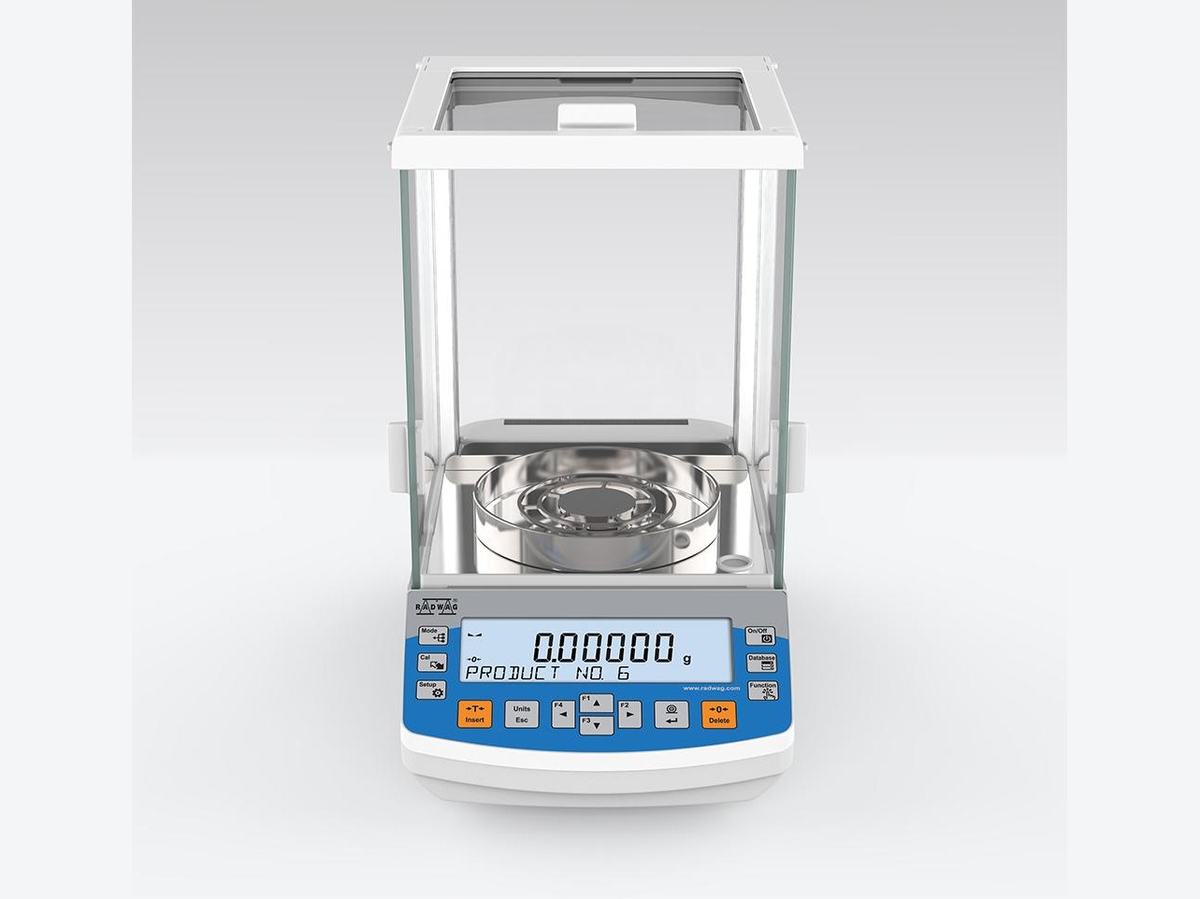
Las últimas balanzas analíticas AS R2 PLUS tienen una cámara de pesaje espaciosa, y el gran espacio libre de la puerta abierta, permite el libre…
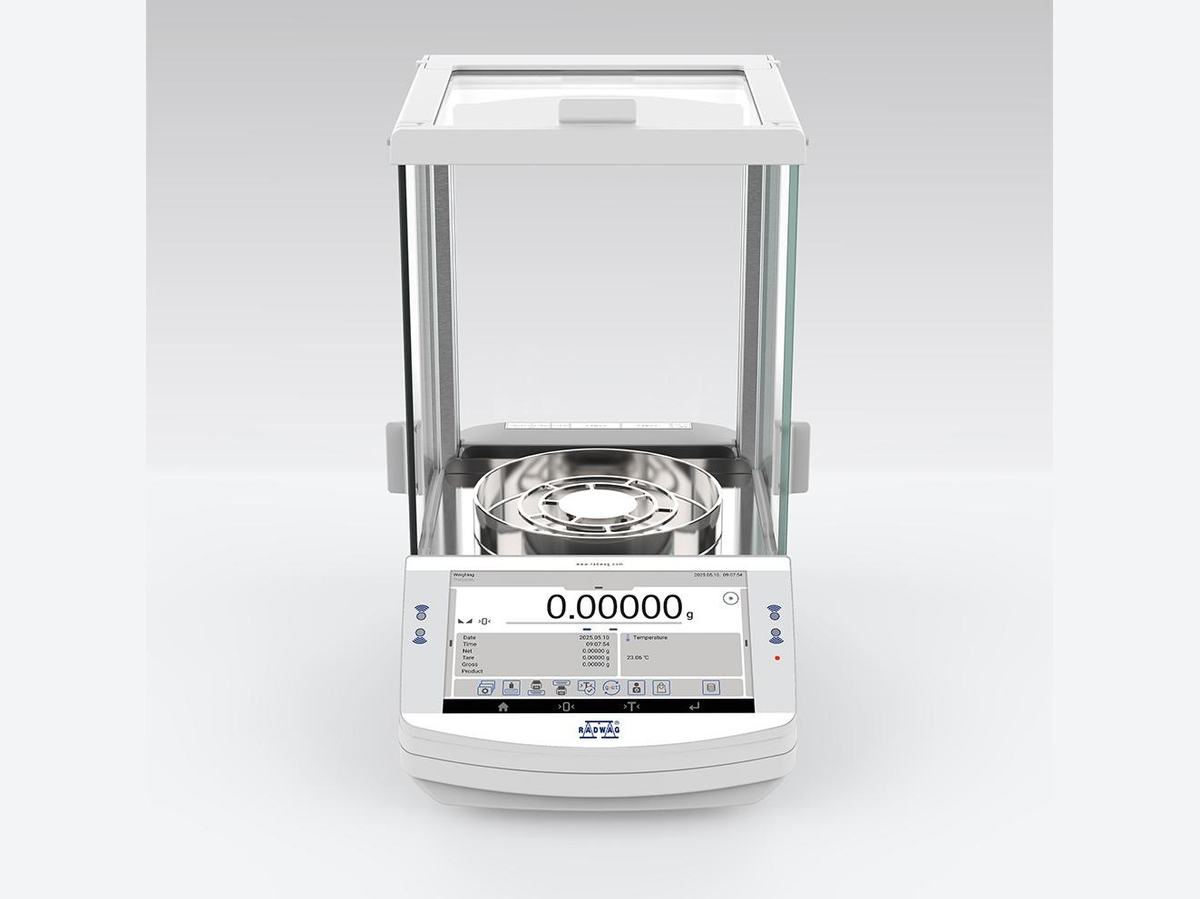
Las últimas balanzas analíticas AS X7 tienen una cámara de pesaje espaciosa, y el gran espacio libre de la puerta abierta, permite el libre acceso al…

La Punto de Rocío y Temperatura DMP5 Vaisala DRYCAP® está diseñada para la medición de humedad en línea en aplicaciones de secado industrial con…

El Dr. Lauri Reuter es una experta en el futuro de los alimentos y la persona a quien preguntar si alguna vez te has preguntado qué vamos a comer en…

Las empresas industriales continúan tomando medidas para minimizar sus emisiones de carbono. Muchos están reduciendo el uso de combustibles fósiles y…

En el proceso de caustificación, los químicos pasivos se convierten en químicos de cocina activos para producir licor blanco. Se utiliza en el…
Un especialista responde con la solución, el instrumento y el servicio que corresponden.
Productos para cotizar
Todavía no hay productos. Se puede escribir igual: un especialista responde.