

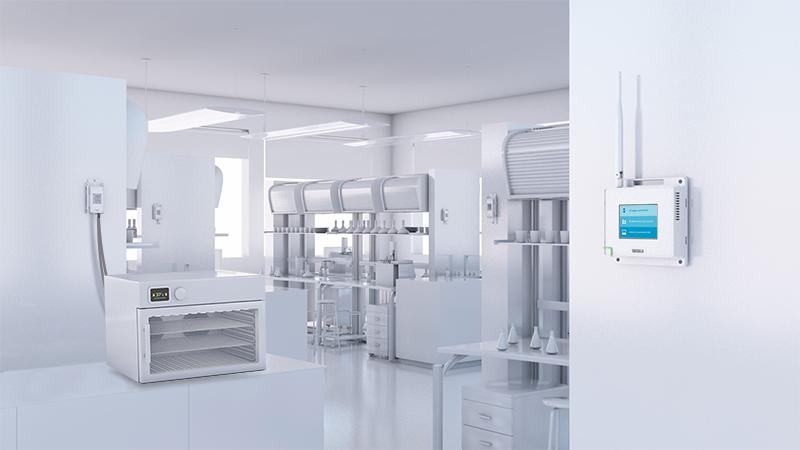
Tecnologia de ponta sem fio de para monitoramento ambiental
O sistema de monitoramento viewLinc Vaisala acompanha as condições ambientais usando os dispositivos sem fio VaiNet, da Vaisala, que usam a…
Nota de aplicação
Water in the structure of food products, including spices, is one of essential factors that initiate product degradation. For this reason the goal is to limit its amount, mainly through diverse drying processes. It also applies to paper that derives from grains dried together with skin, which as a result of dehydration are shriveled. The sensory values of the pepper result from presence of piperine (C 17 H 19 O 3 N) on the outer layer of pepper grains, which raises the body temperature, boosts metabolism and production of digestive juices. Ground pepper is hygroscopic so it is necessary to periodically check its moisture and assure suitable storage and transportation conditions. The amount of water in pepper must not exceed 13%, which can be quickly and precisely verified with the use of MA R, MA X2, MA X7 and MA 5Y moisture analyzers by Radwag.
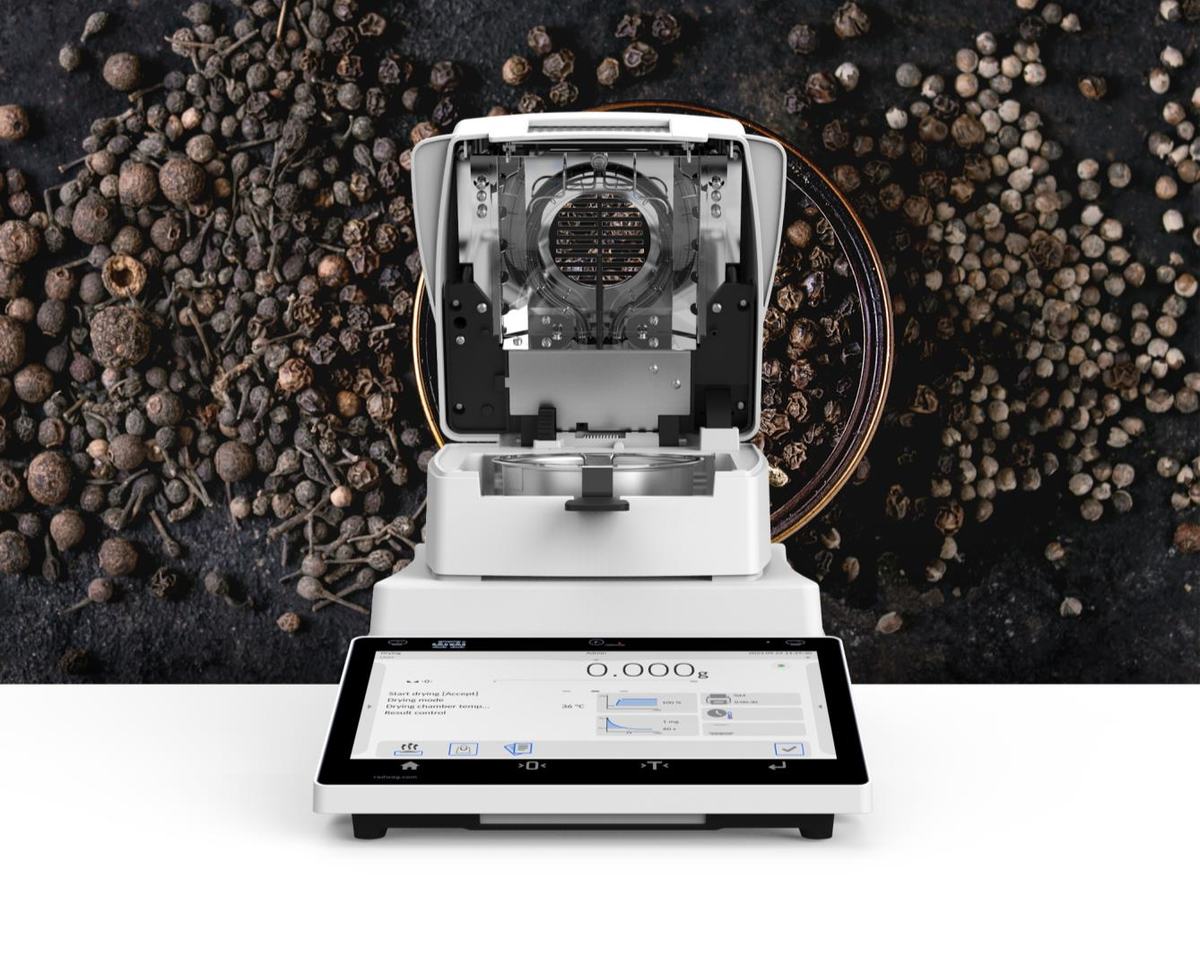
The application note includes basic information for validation of the black pepper drying method with the use of MA R, MA X2, MA X7 and MA 5Y moisture analyzers series by Radwag Wagi Elektroniczne. The application note may be the basis for elaborating own drying method with special regard to distinctive features of the product in question.
The method with the use of IR radiation
ACCURACY of determining water / dry matter content is the difference between the result of the water / dry matter content received in the moisture analyzer method and the result of the water / dry matter content received while drying the same sample through a reference method. PRECISION is a degree of compliance between independent results of the test, received in specific conditions. The measure of precision is a standard deviation from a series of several measurements.
The reference method parameters are usually specified in standards or other discipline-specific documents as the so-called guides. If such documents are unavailable, the drying temperature that does not cause the sample to change colors is used. Such an approach applies to previously dehydrated products and raw products.
Before testing, the sample must be stored in a tightly sealed container. Before testing, fragment the sample with a grinder if it takes a form of grains.
Laboratory dryer, glass weighing vessels with a lid, AS 220.X2 analytical balance, laboratory spoon, electric grinder.
Place the sample with a mass of ca. 5 g in pre-dried glass weighing vessels. Specify the real mass of the sample in question with the use of the balance whose weighing accuracy is 0.1 mg (AS 220.X2). Put weighing vessels with the sample and lids in the temperature-controlled laboratory dryer. Dry samples at the temperature of 105 o C for 1 hour. After this period, remove vessels and put into the desiccator to let them cool down and weigh afterwards. Place samples in the laboratory dryer again and keep on drying for 30 minutes. Cool them down and weigh again. Repeat the procedure until you obtain a stable sample mass or record the sample mass growth after drying.

The water content testing with the use of the moisture analyzer (IR radiation) entails two phenomena: convection and radiation. The sample temperature rises from outer layers to the bottom of the sample. The temperature gradient in the sample structure minimizes through optimization of the thickness of the dried sample and drying temperature. Too high drying temperature may lead to surface burning of the sample, which may be hard to diagnose if the sample color is dark.
Before testing, the sample must be stored in a tightly sealed container. Before testing, fragment the sample with a grinder if it takes a form of grains.
MA R, MA X2, MA X7 or MA 5Y moisture analyzer, laboratory spoon, disposable aluminum weighing pans, electric grinder.
Set drying parameters presented below. Collect the sample with a mass of ca. 2 g and distribute a thin layer of the sample throughout the weighing pan. Lock the drying chamber manually or automatically.
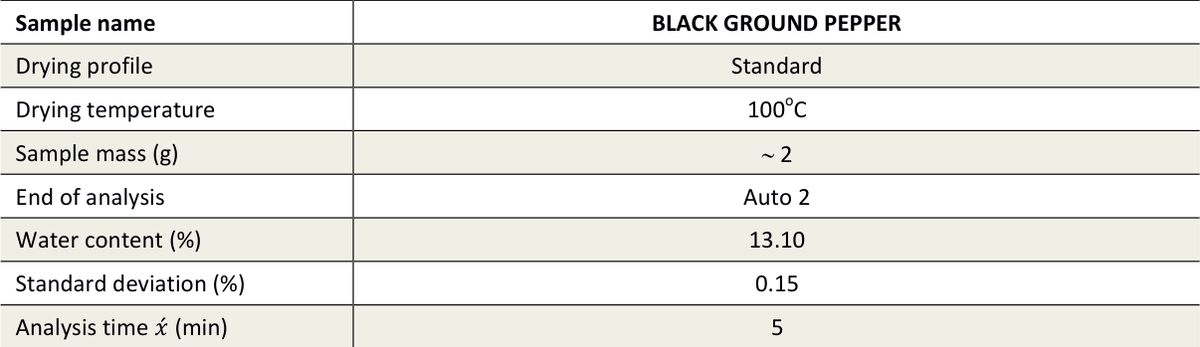

The method in question has been verified by the Research Laboratory, yet the results do not include factors arising from diversity of tested samples, operators’ personal skills as well as measuring capability used by moisture analyzer users. For this reason Radwag shall not be held responsible for drying parameters but they can be used to elaborate own drying method.
O sistema de monitoramento viewLinc Vaisala acompanha as condições ambientais usando os dispositivos sem fio VaiNet, da Vaisala, que usam a…

Um dos requisitos mais importantes para reduzir os custos de refrigeração é, em primeiro lugar, medir as condições corretamente. As primeiras…
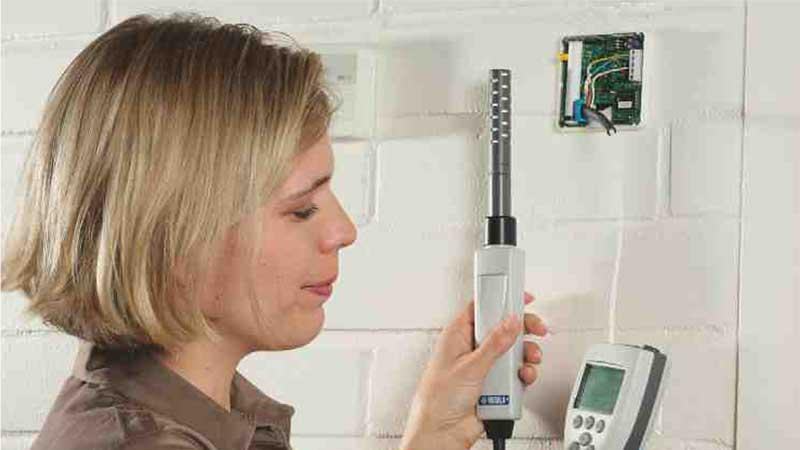
O dióxido de carbono e outros gases compostos por dois ou mais átomos diferentes têm uma forma característica e exclusiva de absorver a radiação…
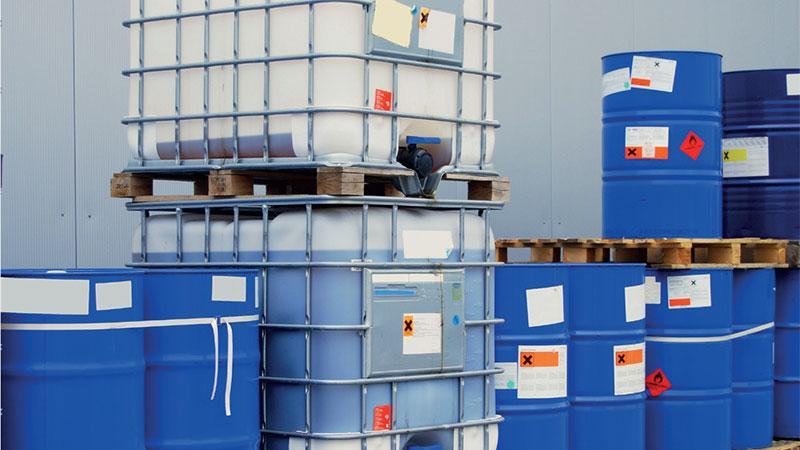
Outra abordagem para prevenir explosões é instalar equipamentos elétricos dentro de compartimentos "à prova de explosão". Esses compartimentos podem…
Um especialista responde com a solução, o instrumento e o serviço adequados.
Produtos para cotar
Ainda não há produtos. É possível escrever mesmo assim: um especialista responde.