

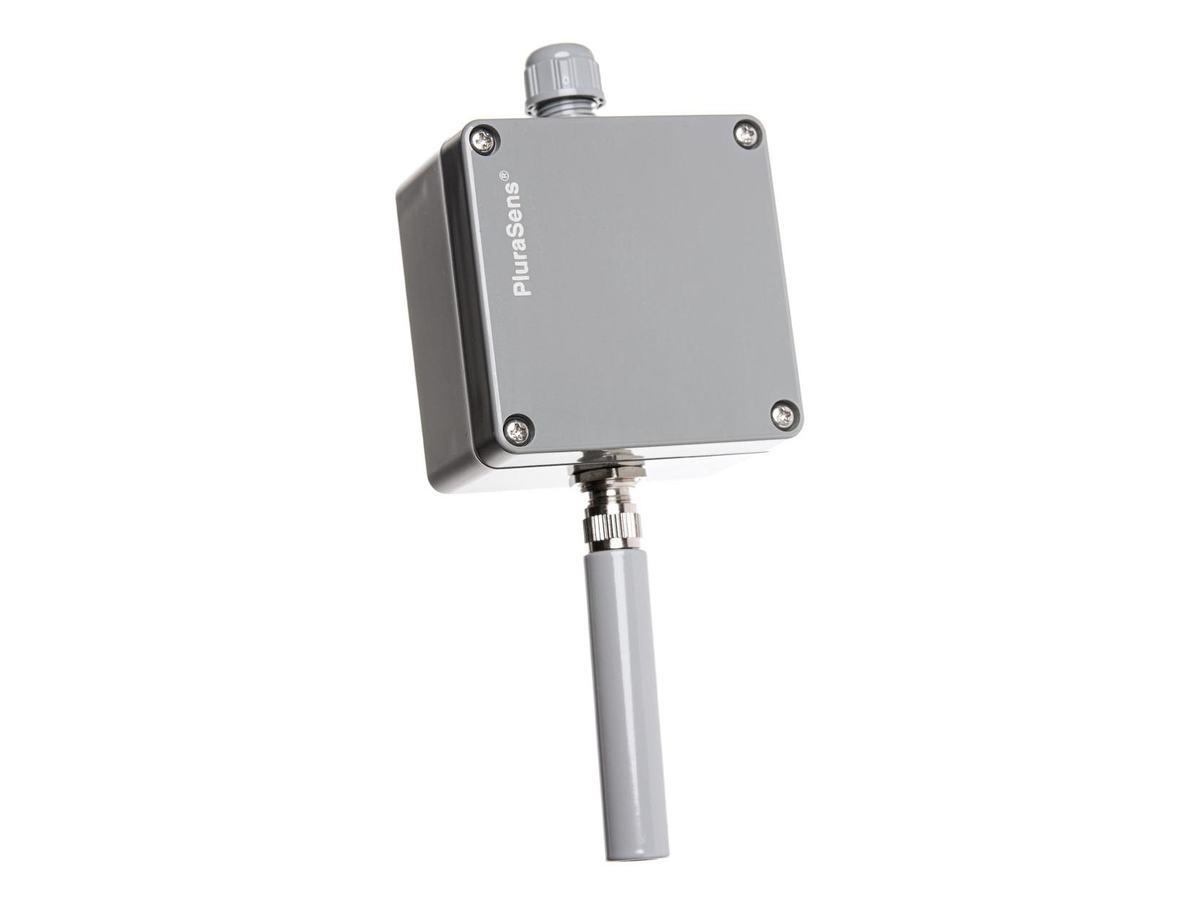
Humidity & temperature transmitter (E2218)
Humidity and temperature transmitter E2218 is a member of new PluraSens ® family of multifunctional measurement instruments. The transmitter is…
Nota de aplicação
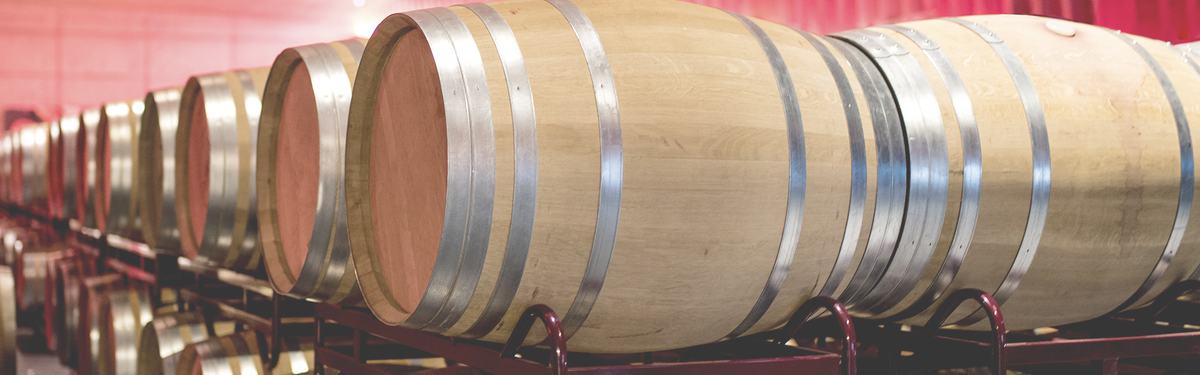
Gas hazard areas in wineries include: storages for harvested grapes, fermentation and bottling rooms as well as barrel cellars. These confined spaces must be carefully controlled to timely prevent dangerous concentrations of Carbon Dioxide, Nitrogen, Argon, Sulfur Dioxide, Ozone and Ethanol.
Carbon Dioxide (CO2) is the most common gas in a winery, as it is present in several processes at once: cold storage of harvested grapes, fermentation, atmosphere inerting in tanks and forced carbonation of sparkling wine.
CO2 is colorless, odorless and heavier than air, which means that any leaks can cause invisible and toxic concentrations to accumulate in rooms. TWA - 5 000 ppm and STEL - 40 000 ppm. That is why use of fixed gas detectors is a mandatory measure for continuous detection of the gas.
In addition to Carbon Dioxide, Nitrogen (N2) and Argon (Ar) can also be used for atmosphere inerting, depending on goals of a manufacturer.
Nitrogen and Argon are non-toxic, but can displace Oxygen (O2), causing asphyxiation. Therefore their levels must be controlled with gas detectors for the safety of the work environment. But both N2 and Ar cannot be detected on their own because they are inert and do not react with other substances. In this case, a reliable solution is Oxygen deficiency (less than 19% O2) detection in a room.
As for Ethanol, it is produced during fermentation. Its vapors can be dangerous reaching the lower explosive limit (LEL = 3,3 % vol) in case of a potential leak, so should also be detected.
Sulfur Dioxide (SO2) and Ozone (O3) are used to treat and disinfect winery equipment.
SO2 is colorless gas with a pungent, irritating, and rotten smell. In excessive quantities it is toxic and has negative health effects. TWA is as low as 5 ppm.
O3 is now used extensively for sanitizing in wineries due to its efficiency. It is also hazardous to health and must be controlled with gas detectors (detection range is 0…5 ppm).
Evikon MCI offers a range of instruments for above gases measurements as well as a light module EK30 for visual and sound alarms to warn people about hazardous concentrations both inside and outside a room.
Humidity and temperature transmitter E2218 is a member of new PluraSens ® family of multifunctional measurement instruments. The transmitter is…
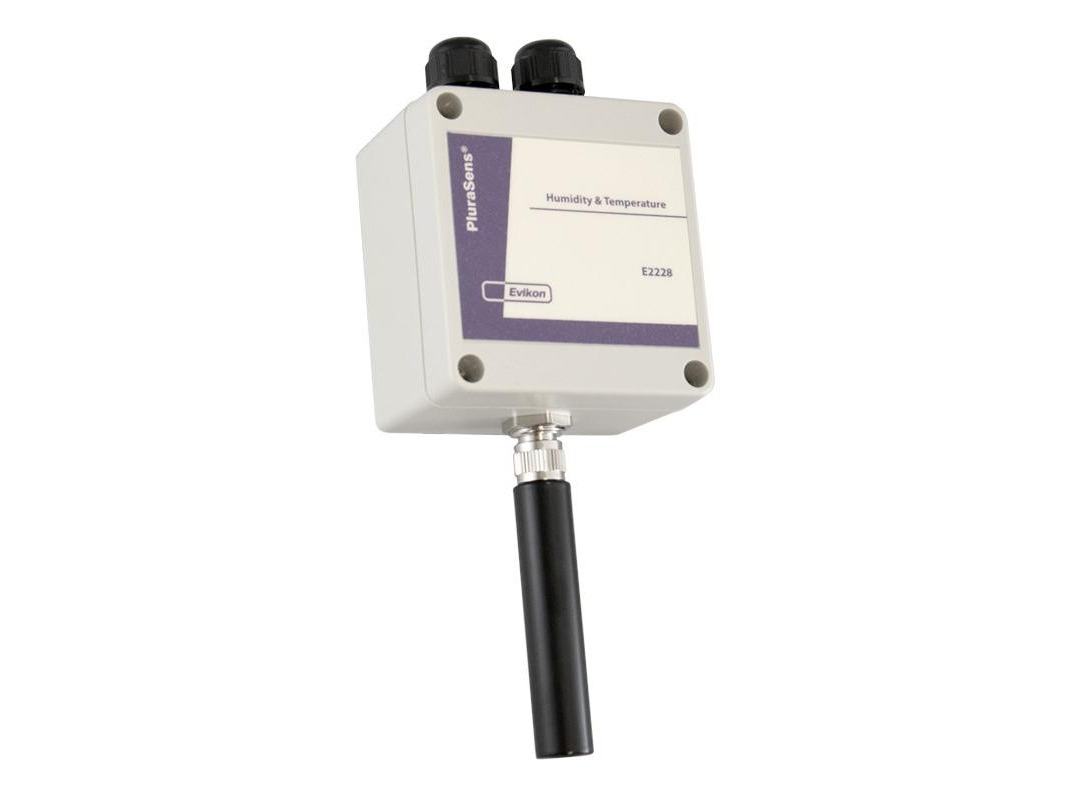
Humidity and temperature transmitter E2228 is a member of new PluraSens ® family of multifunctional measurement instruments. The transmitter is…
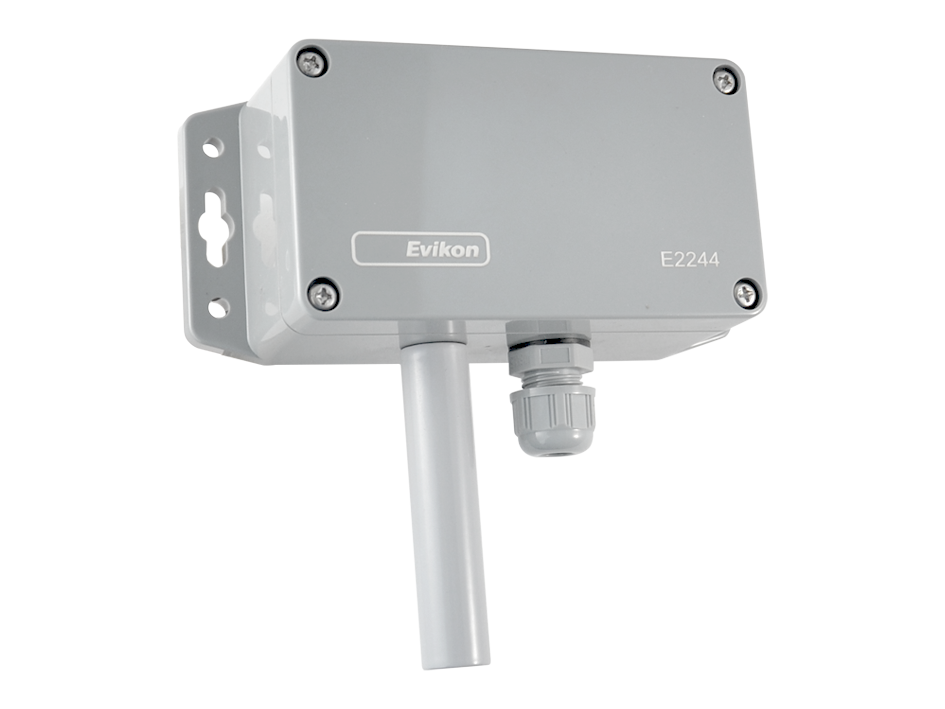
E2244 features 4 analog outputs 2x4-20 mA and 2x0-10 V for connection to various secondary instruments and controllers, BMS systems.
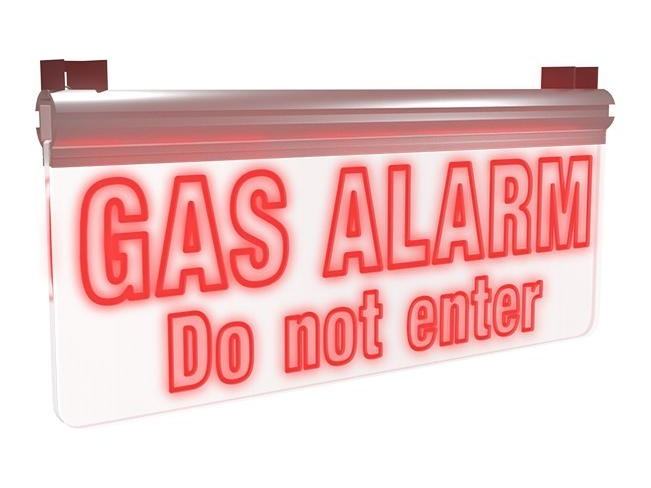
EK30 one-sided light module is intended to warn people in areas, where hazardous concentrations of gas can accumulate. The module has visual and…
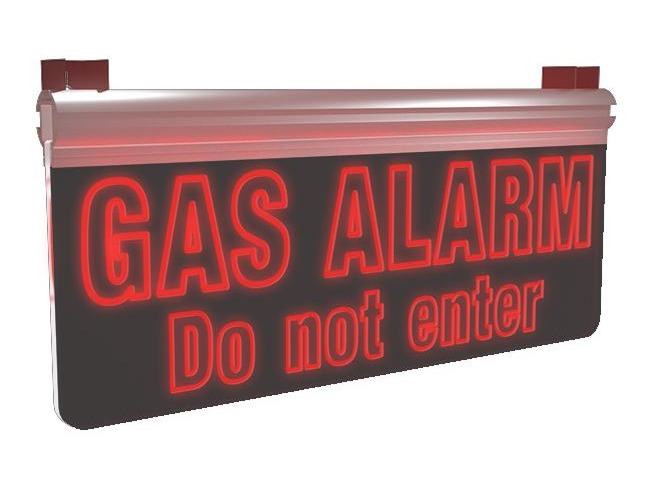
EK32 double-sided light module is intended to warn people in areas, where hazardous concentrations of gas can accumulate. The module has visual and…
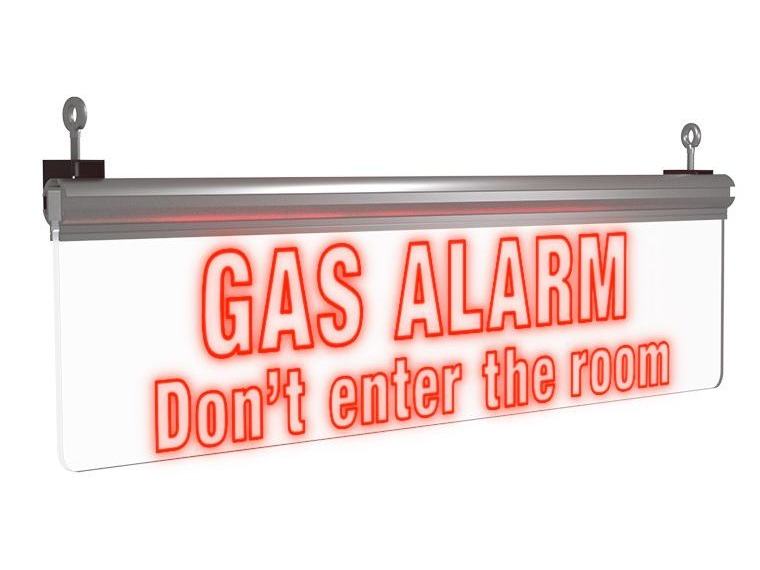
EK60 one-sided single sided light module is intended to warn people in areas, where hazardous concentrations of gas can accumulate. The module has…
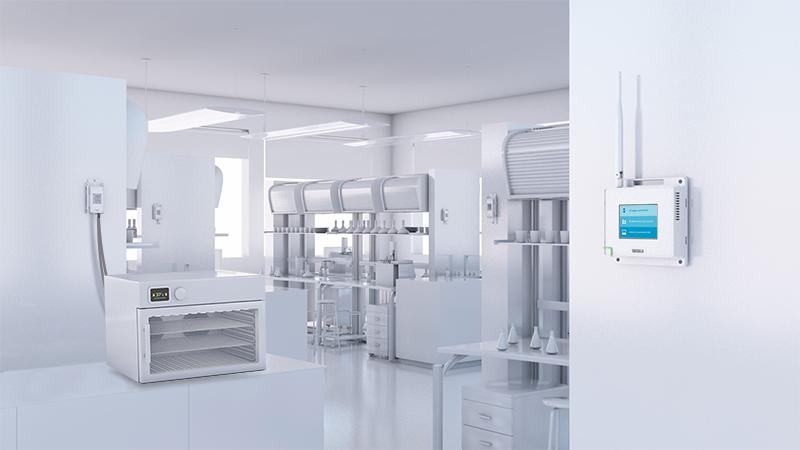
O sistema de monitoramento viewLinc Vaisala acompanha as condições ambientais usando os dispositivos sem fio VaiNet, da Vaisala, que usam a…

Um dos requisitos mais importantes para reduzir os custos de refrigeração é, em primeiro lugar, medir as condições corretamente. As primeiras…
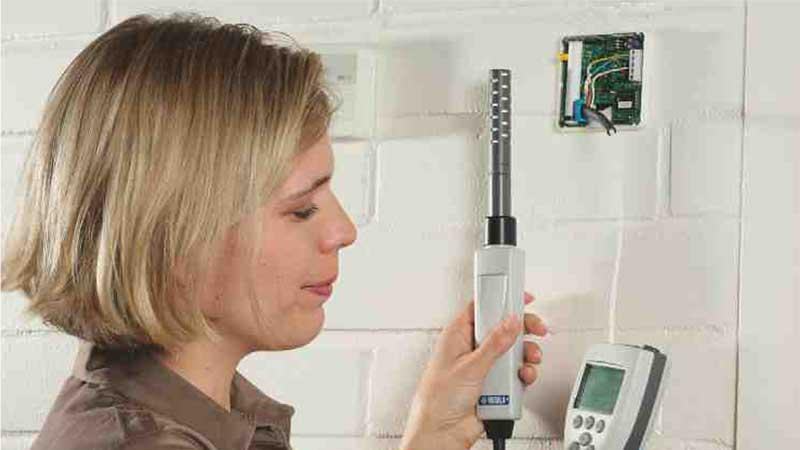
O dióxido de carbono e outros gases compostos por dois ou mais átomos diferentes têm uma forma característica e exclusiva de absorver a radiação…
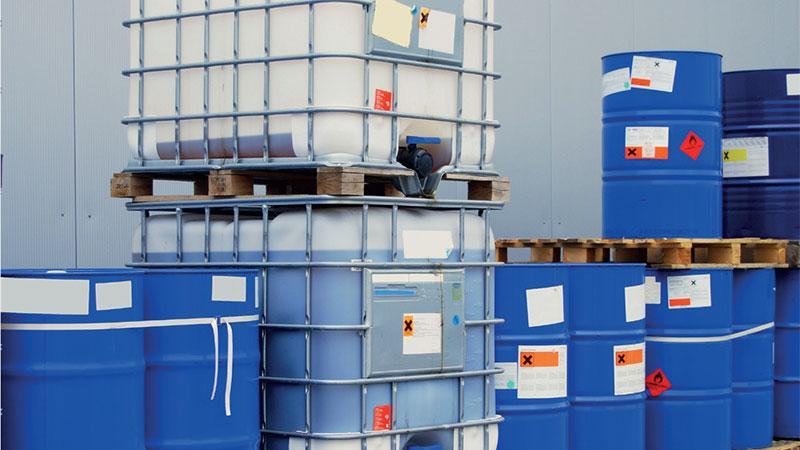
Outra abordagem para prevenir explosões é instalar equipamentos elétricos dentro de compartimentos "à prova de explosão". Esses compartimentos podem…
Um especialista responde com a solução, o instrumento e o serviço adequados.
Produtos para cotar
Ainda não há produtos. É possível escrever mesmo assim: um especialista responde.