

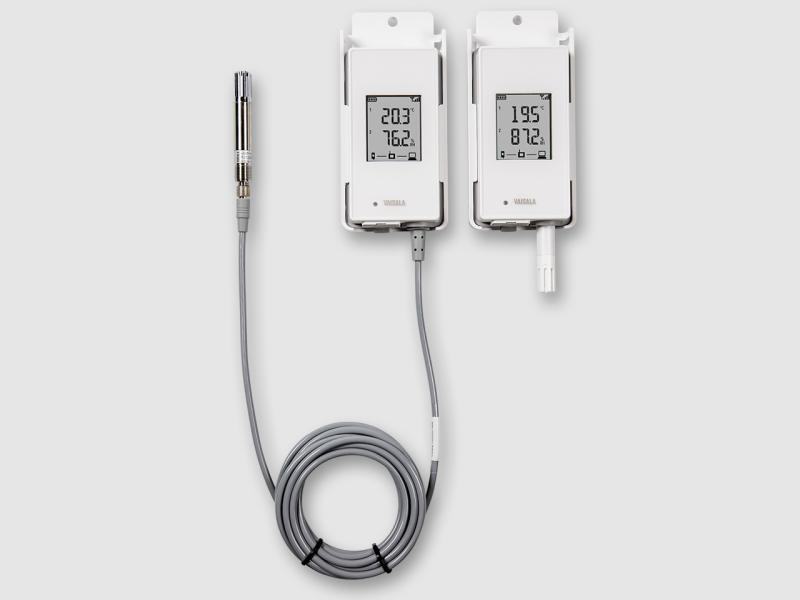
CWL100 Wireless Data Logger
for monitoring humidity and temperature
Nota técnica
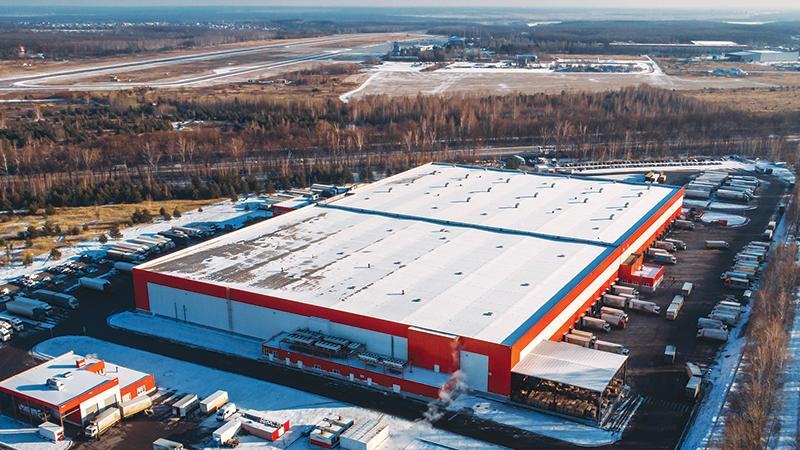
Temperature mapping is a crucial process for maintaining GxP compliance, product quality, and regulatory adherence in temperature-sensitive environments. Seasonal variations—whether extreme heat in summer or cold in winter—can impact storage conditions, making it essential to conduct seasonal temperature mapping to identify potential risks and ensure consistent environmental control.
This checklist provides a step-by-step approach to help you plan, execute, and analyze temperature mapping effectively. By following these best practices, you can ensure accurate data collection, regulatory compliance, and optimal environmental conditions year-round.
☑ Ensure compliance with GxP guidelines.
☑ Review any updates to regulations or internal SOPs.
2. Define Objectives
☑ Identify the purpose of the thermal mapping (e.g., validation, monitoring).
☑ Determine the specific areas and equipment to be mapped.
3. Develop a Protocol
☑ Create a detailed thermal mapping protocol.
☑ Include scope, methodology, acceptance criteria, reporting requirements.
4. Select Equipment
☑ Choose calibrated data loggers and sensors.
☑ Verify calibration certificates are up-to-date.
5. Plan the Mapping Schedule
☑ Schedule mapping during peak seasonal conditions (summer/winter).
☑ Coordinate with relevant departments to minimize disruptions.
6 .Install Data Loggers
☑ Place data loggers in critical areas (e.g., storage, processing zones).
☑ Ensure even distribution and proper placement according to the protocol.
7. Conduct Pre-Mapping Checks
☑ Verify all equipment is functioning correctly.
☑ Document initial conditions and any deviations.
8. Monitor and Record Data
☑ Start data logging according to the protocol.
☑ Ensure continuous monitoring throughout the mapping period.
9. Environmental Controls
☑ Maintain consistent environmental conditions.
☑ Record any changes or interventions during the mapping period.
10. Retrieve Data Loggers
☑ Carefully collect all data loggers.
☑ Ensure no data is lost or corrupted.
11. Analyze Data
☑ Review and analyze the collected data.
☑ Identify any temperature excursions or trends.
☑ Address any identified issues or deviations.
12. Report Findings
☑ Compile a comprehensive report.
☑ Include data analysis, graphs, and any deviations from the protocol.
13. Review and Approve
☑ Submit the report for review by relevant stakeholders.
☑ Obtain necessary approvals and sign-offs.
For more detailed information on these steps, please see our white paper: Better Warehouse Mapping
In this on-demand webinar, you will learn from a seasoned expert with 20+ years of experience.
✔ Regulatory insights – Global compliance demystified
✔ Best practices – Sensor placement, common pitfalls & troubleshooting
✔ Actionable guidance – Tips from real-world temperature mapping
Watch now
for monitoring humidity and temperature
for monitoring humidity and temperature
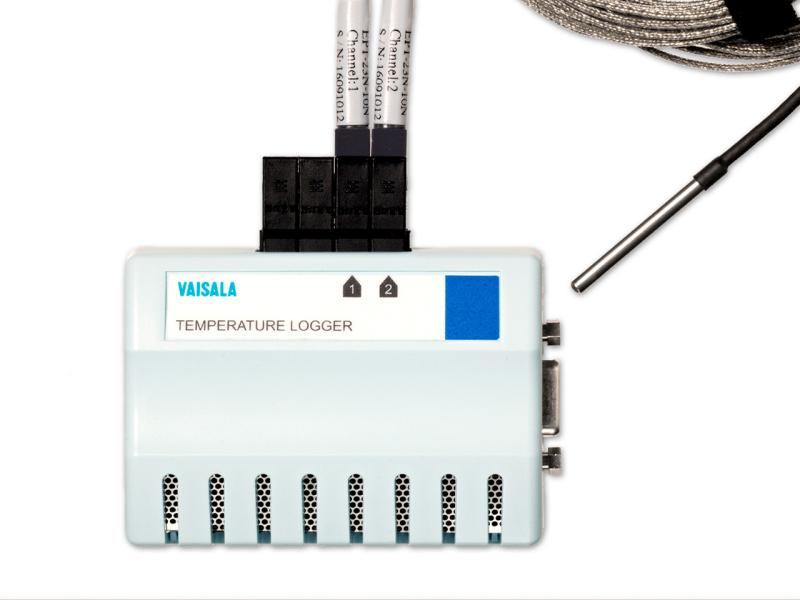
para mapeamento e monitoramento de temperatura exigentes
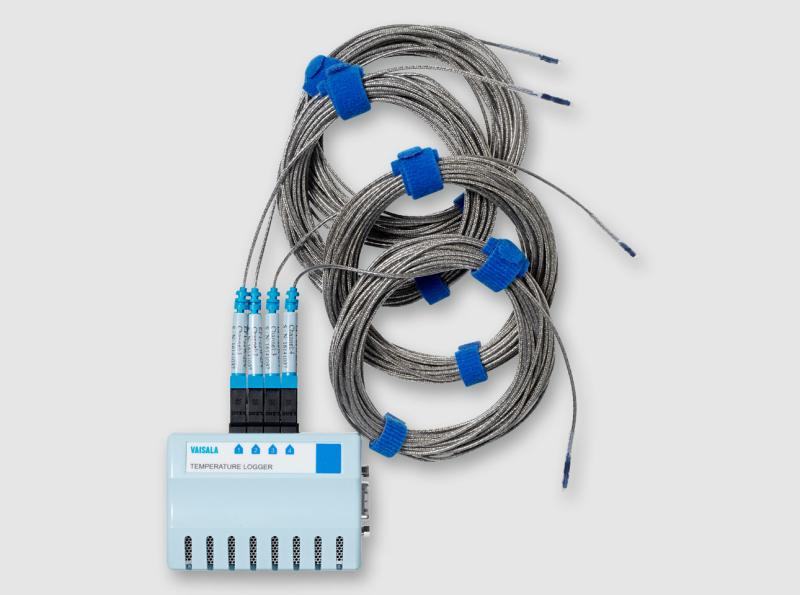
para monitoramento de amplas faixas de temperaturas
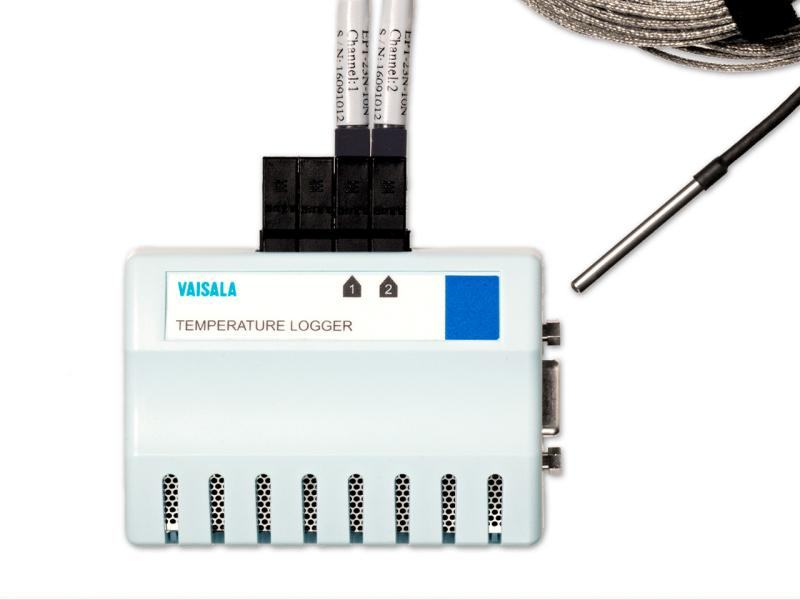
para mapeamento e monitoramento de temperatura exigentes
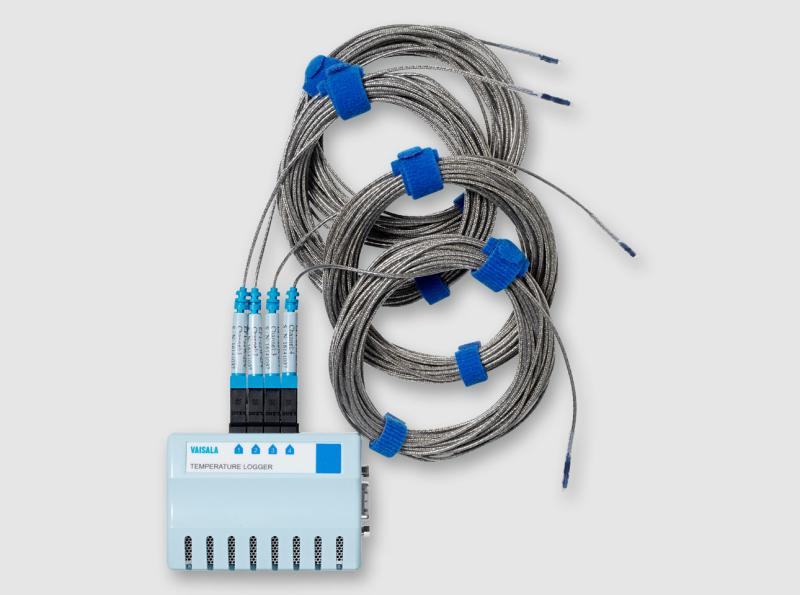
para monitoramento de amplas faixas de temperaturas

A sonda de temperatura e ponto de orvalho DMP5 Vaisala DRYCAP® foi desenvolvida para medição de umidade em linha em aplicações de secagem industrial…

Lauri Reuter é um especialista no futuro da alimentação e a pessoa certa para perguntar se você já se perguntou o que comeremos no futuro e como toda…

As empresas industriais continuam a tomar medidas para minimizar as suas emissões de carbono. Muitos estão a reduzir a utilização de combustíveis…

No processo de caustificação, os produtos químicos passivos são convertidos em produtos químicos ativos para cozinhar para produzir licor branco…
Um especialista responde com a solução, o instrumento e o serviço adequados.
Produtos para cotar
Ainda não há produtos. É possível escrever mesmo assim: um especialista responde.