

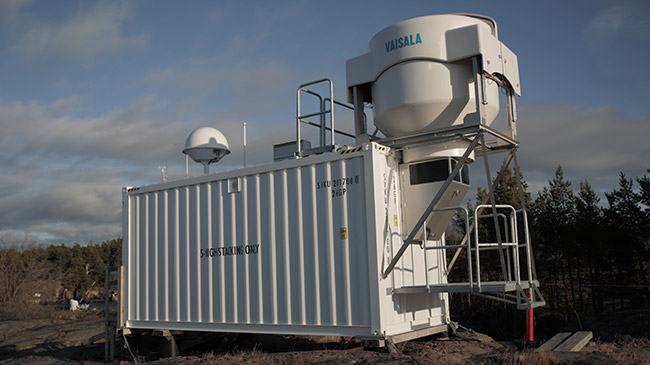
Autosonde AS41
Upper air soundings provide the crucial data necessary for a complete atmospheric weather profile that leads to accurate forecasting. However…
Nota técnica

Vaisala instruments are known for preserving research assets in clinical trials, medical device distributors, pharmaceutical and nutraceutical manufacturing and packaging and many other regulated applications. This is because of the reliability of the sensors and the ease-of-use of the software and devices.
However, there is another industry that relies on our life science solutions – aerospace. Our environmental measurement solutions are on the Mars Rover Curiosity and the International Space Station. Of course it follows that life science research in space would benefit from Vaisala reliability...
Scientists at BioServe Space Technologies at the University of Colorado have been using Vaisala's carbon dioxide, humidity, and temperature sensors to control life science experiments both onboard Space Shuttle flights and at the International Space Station (ISS) since 1992 to regulate plant growth and animal habitat environments.
This research seeks to understand how low gravity affects living organisms, and to develop advanced life support systems, including agriculture and water purification bioreactors. The overarching goal is to support the goal of long-distance space missions. In small sealed space capsules the effects of gravity are isolated from other environmental factors, such as light, temperature and humidity levels, and fluctuating concentrations of carbon dioxide, oxygen and trace gas contaminants. Vaisala humidity and temperature sensors control the payload that provides essential life support functions for animal models (mice) during transport flight.
Dr. Alexander Höhn, adjunct Associate Professor of Aerospace Engineering Sciences at Colorado University oversees this research. Says Höhn,
"We found Vaisala in early 1990s while searching for small, rugged carbon dioxide sensors. Sensors from other manufacturers were also tested but nothing else worked as reliably. Over the years, the legacy sensors have been replaced with GMM220 series CO2 modules and HMP110 humidity and temperature probes. However, the long retired sensors are still functional and continue to show reasonable readings after almost 20 years."
The longevity of the sensors in especially impressive considering they are exposed to environmental conditions far exceeding their original design; including condensation during unpowered payload phases, heavy vibrations during launch, and extended microgravity.
Read the full story, guest authored for Vaisala News by Dr. Höhn…
Upper air soundings provide the crucial data necessary for a complete atmospheric weather profile that leads to accurate forecasting. However…
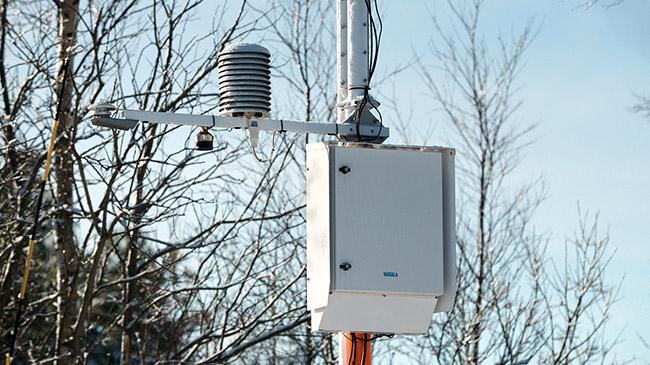
Vaisala Automatic Weather Station AWS310 is a complete communication and weather observation solution that can be used as a standalone unit, or as…
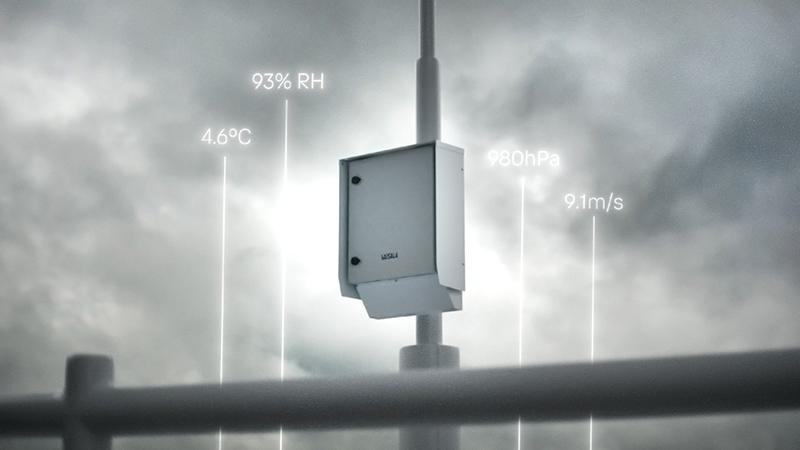
Our next-generation, cyber secure and modular Maritime Automatic Weather Station AWS830 is engineered for harsh marine environments and compliant…
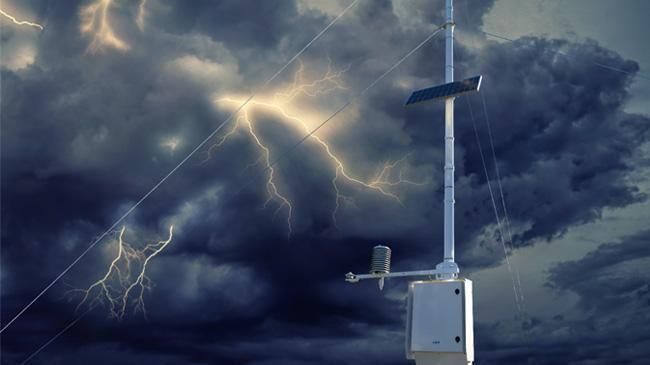
The Vaisala Automatic Weather Station AWS810 enables modern, high-quality surface weather observation networks anywhere in the world.
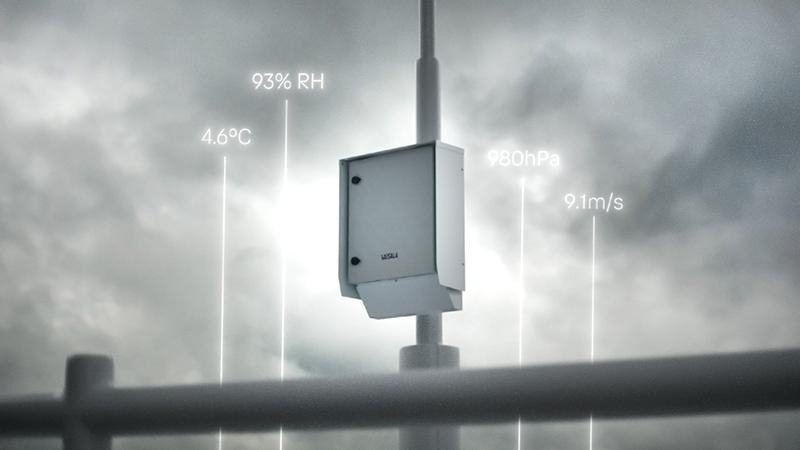
Vaisala Maritime Automatic Weather Station AWS830 delivers accurate, always‑on weather, environmental, oceanographic, and motion data for demanding…
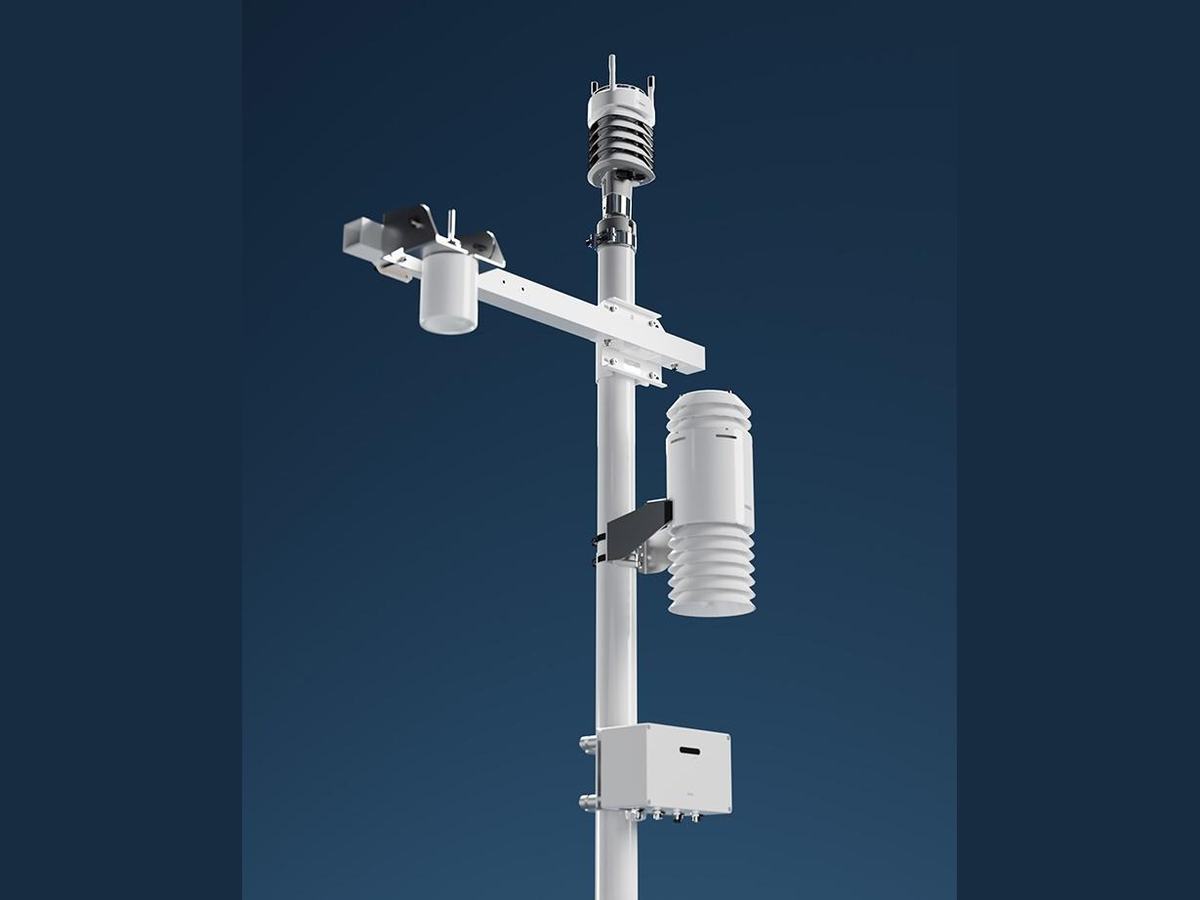
Vaisala Beam Weather Station BWS500 is a compact, scalable station for weather, air quality and road condition data, from a single standalone station…

A sonda de temperatura e ponto de orvalho DMP5 Vaisala DRYCAP® foi desenvolvida para medição de umidade em linha em aplicações de secagem industrial…

Lauri Reuter é um especialista no futuro da alimentação e a pessoa certa para perguntar se você já se perguntou o que comeremos no futuro e como toda…

As empresas industriais continuam a tomar medidas para minimizar as suas emissões de carbono. Muitos estão a reduzir a utilização de combustíveis…

No processo de caustificação, os produtos químicos passivos são convertidos em produtos químicos ativos para cozinhar para produzir licor branco…
Um especialista responde com a solução, o instrumento e o serviço adequados.
Produtos para cotar
Ainda não há produtos. É possível escrever mesmo assim: um especialista responde.