


Autosonde AS41
Upper air soundings provide the crucial data necessary for a complete atmospheric weather profile that leads to accurate forecasting. However…
Nota técnica

As clays naturally contain a high level of water, uneven drying due to poor humidity control leads to internal stresses that can ultimately lead to a crack or breakage. In brick or ceramics manufacturing, these cracks and breakages mean lost production volume and therefore wasted money. Proper temperature and humidity control in the drying process is the most straightforward way to ensure high yield and consistent end-product quality for these types of products.
Put simply, there are two options when it comes to minimizing the risk of cracking for bricks and ceramics: you can either tweak the raw materials to improve elasticity and resistance to cracking, or you can improve the drying process.
Fine-tuning the raw material is often an impractical solution as it not only disrupts the established practices for sourcing raw materials, but finding new, high-quality clays and testing how they behave is a time-consuming and expensive process that a business may not be able to afford. Improving the drying process is a not only a quicker and more practical way forward, but it’s also much cheaper too.
There are some unique challenges to keep in mind when it comes to drying construction materials. For example, ceramics need high relative humidity at the start of the drying process to avoid cracking, and this can affect the performance of the sensors used in the measurement equipment. In a high-humidity environment, poor-quality sensors can become saturated with condensed water and give unreliable results.
When it comes to brick manufacturing, temperature and humidity vary widely during the various steps of the drying process. Lack of proper humidity control can lead to over drying, which wastes energy, or to a situation where the product dries too quickly and cracking occurs.
In addition to improving end-product quality, controlling the drying process can also save energy. This matters because the drying process is extremely energy intensive and can account for a quarter of all energy consumed in the production process.
Vaisala products are designed to tolerate the harsh conditions in industrial drying processes for ceramics and bricks, ensuring stable and accurate measurement even in high-humidity and high-temperature environments.
Upper air soundings provide the crucial data necessary for a complete atmospheric weather profile that leads to accurate forecasting. However…
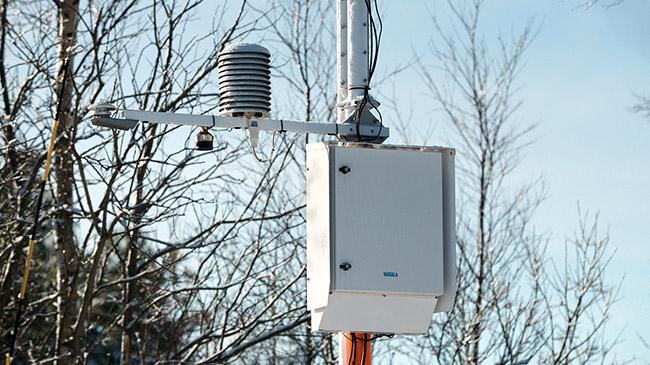
Vaisala Automatic Weather Station AWS310 is a complete communication and weather observation solution that can be used as a standalone unit, or as…
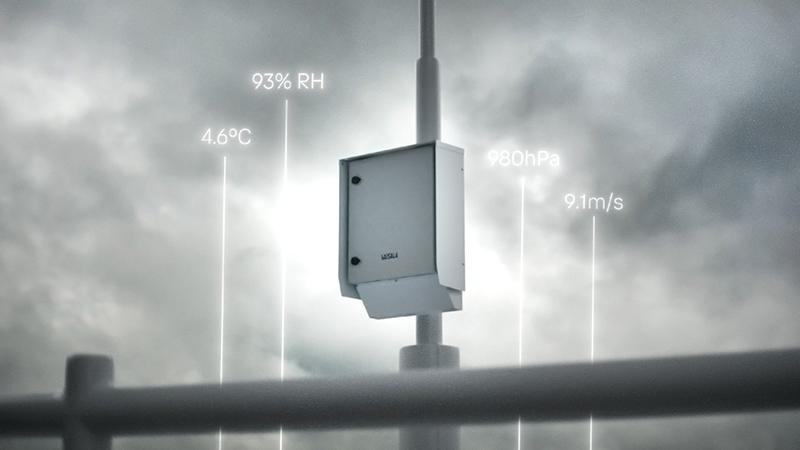
Our next-generation, cyber secure and modular Maritime Automatic Weather Station AWS830 is engineered for harsh marine environments and compliant…
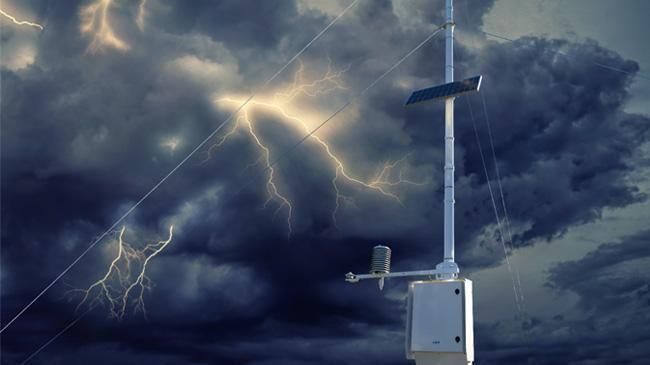
The Vaisala Automatic Weather Station AWS810 enables modern, high-quality surface weather observation networks anywhere in the world.
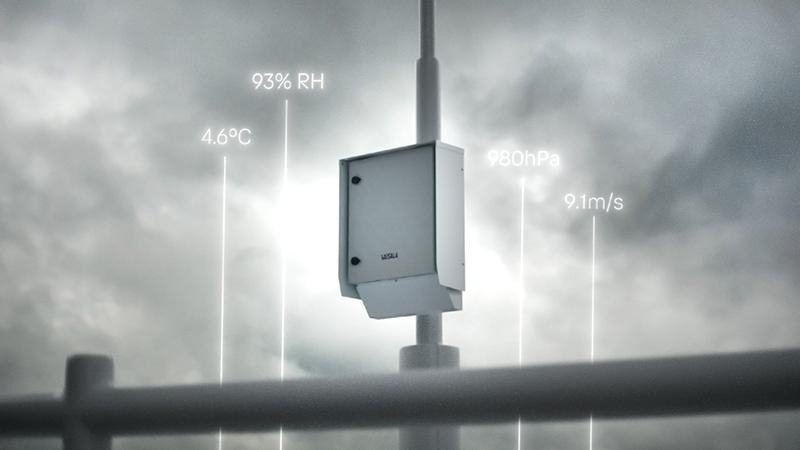
Vaisala Maritime Automatic Weather Station AWS830 delivers accurate, always‑on weather, environmental, oceanographic, and motion data for demanding…
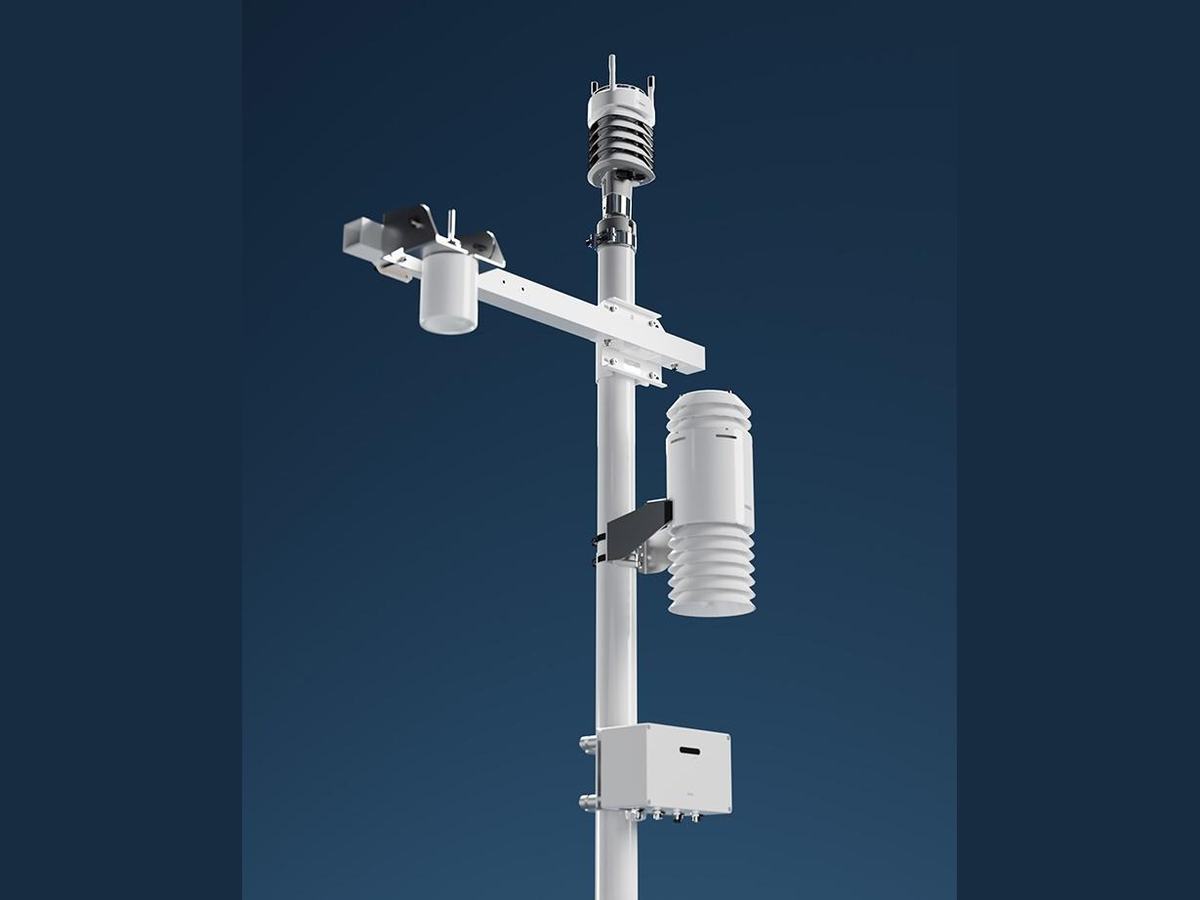
Vaisala Beam Weather Station BWS500 is a compact, scalable station for weather, air quality and road condition data, from a single standalone station…

A sonda de temperatura e ponto de orvalho DMP5 Vaisala DRYCAP® foi desenvolvida para medição de umidade em linha em aplicações de secagem industrial…

Lauri Reuter é um especialista no futuro da alimentação e a pessoa certa para perguntar se você já se perguntou o que comeremos no futuro e como toda…

As empresas industriais continuam a tomar medidas para minimizar as suas emissões de carbono. Muitos estão a reduzir a utilização de combustíveis…

No processo de caustificação, os produtos químicos passivos são convertidos em produtos químicos ativos para cozinhar para produzir licor branco…
Um especialista responde com a solução, o instrumento e o serviço adequados.
Produtos para cotar
Ainda não há produtos. É possível escrever mesmo assim: um especialista responde.