

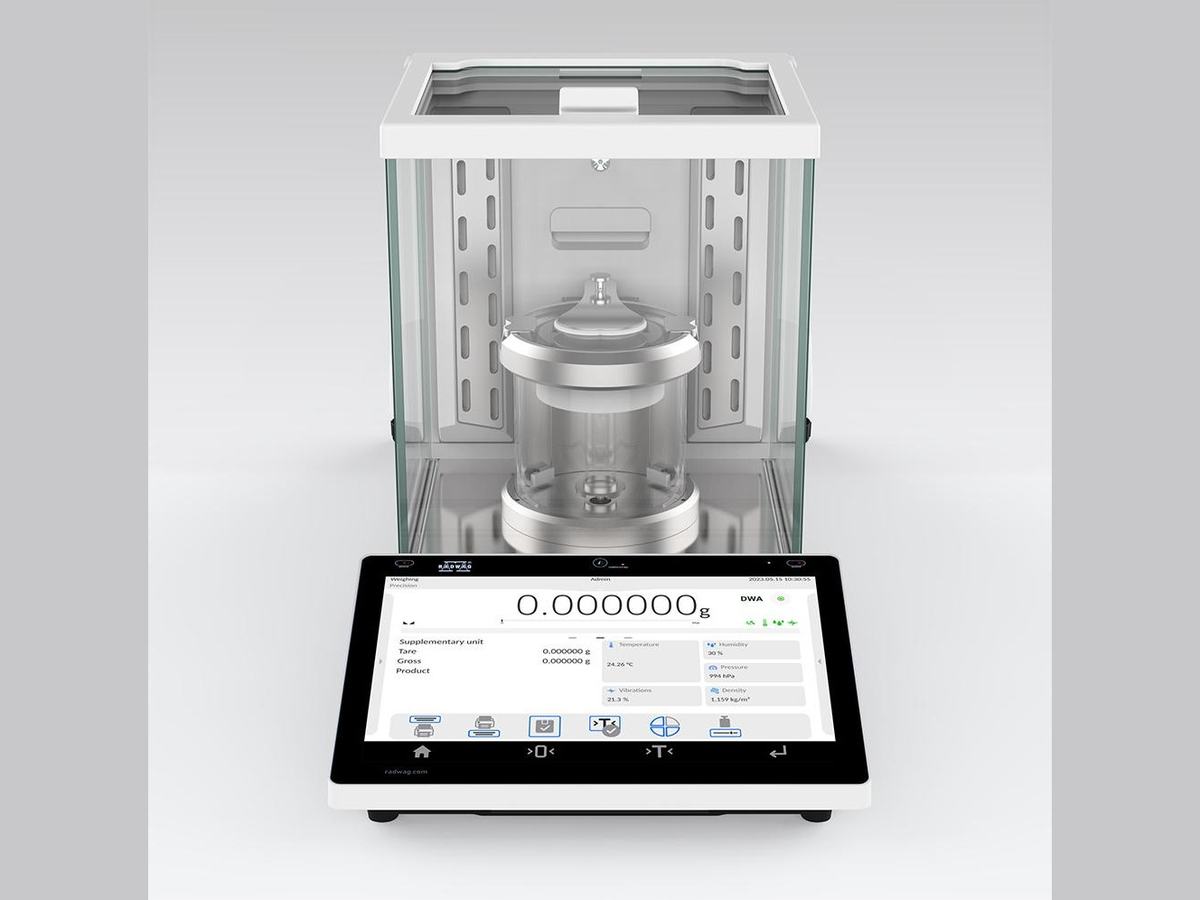
Microbalança XA 21/52.5Y.M.A.P
As microbalanças XA 5Y.M.A.P foram projetadas para calibrar micropipetas monocanal a partir de 0,5 µl. A calibração de micropipetas significa…
Nota técnica
Weighing systems for calibration and verification of piston pipettes
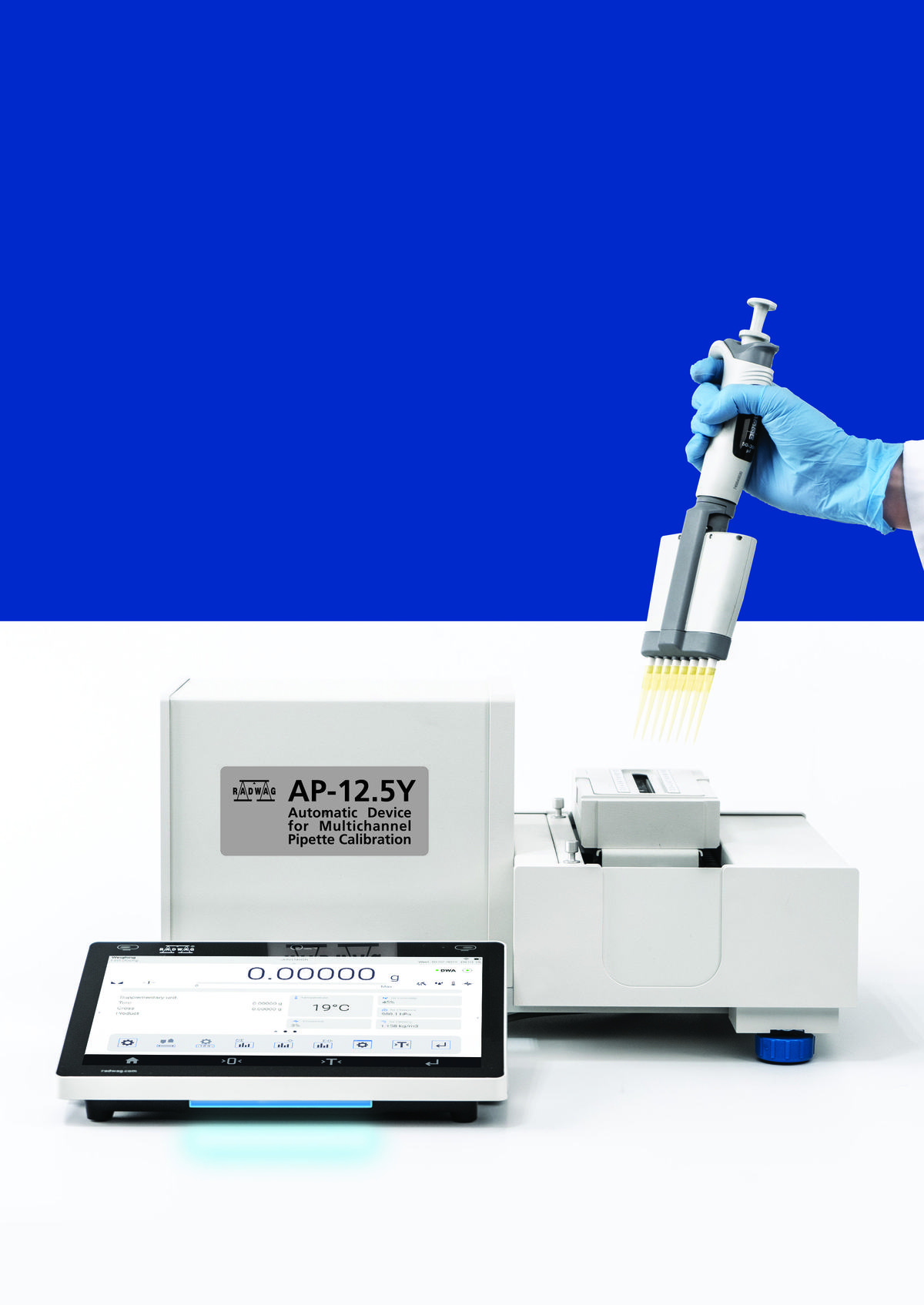

conformity with ISO 8655:2022
Phd Sławomir Janas – Head of Testing Laboratory, MSc Agnieszka Żukowska – Deputy Head of Calibration Laboratory Radwag Metrology Research and Certification Center, Poland Weighing systems for calibration and verification of piston pipettes 3
As a result of development in any field related to measurements, increasingly advanced measuring instruments are entering the market. Many of them are assigned industry standards that introduce both rules and limitations in terms of structure of these tools, the example of which is piston pipettes. The latest issue of the ISO 8655 standard dates back to 2002 so it must be considered outdated since we are now in 2023. The amendment to the ISO 8655 standard, published in 2022, introduced essential changes for all piston pipette users as well as entities and organisations that deal with periodic verification and calibration of these measuring instruments. The major changes in relation to the issue of 2002 are concerned with the following:
1. the data on test instrument measurement uncertainty given in the Table 1 and 2 with regard to the ISO/TR 20461 standard have been changed; 2. the Attachment B has been deleted; 3. the point 4 ‘General requirements’ has been added; 4. the Template no. (2) based on the ISO 4787 standard has been added In view of the aforesaid changes, it is necessary to revalidate numerous measuring systems in order to determine whether they still comply with requirements of the ISO 8655:2022 standard. From the metrological point of view, the requirements related to measuring instrument uncertainty are critical, and this includes balances, thermometers, hygro-barometers used in the piston pipette volume gravimetric testing. Further in this elaboration, applicable requirements regarding weighing systems provided by Radwag have been presented.
6 Weighing systems for calibration and verification of piston pipettes
As a result of development in any field related to measurements, increasingly advanced measuring instruments are entering the market. Many of them are assigned industry standards that introduce both rules and limitations in terms of structure of these tools, the example of which is piston pipettes. The latest issue of the ISO 8655 standard dates back to 2002 so it must be considered outdated since we are now in 2023. The amendment to the ISO 8655 standard, published in 2022, introduced essential changes for all piston pipette users as well as entities and organisations that deal with periodic verification and calibration of these measuring instruments. The major changes in relation to the issue of 2002 are concerned with the following:
Table 1. Minimum requirements for balances
(V)
(d)
(s)a
U (k = 2)a, b
mg mg mg
1 2 3 4
0,5 µl ≤ V < 20 µl 0.001c 0.01d 0.006c,e 0.03d 0.012c e 0.06d
20 μl ≤ V < 200 μl 0.01 0.025 0.05
200 μl ≤ V ≤ 10 ml 0.1 0.2 0.4
10 ml < V ≤ 1000 ml 1 2 4
1000 ml < V ≤ 2000 ml 10 10 40
Key: a – the value of repeatability and extended uncertainty of the measurement, given in the table, are concerned with determination of the volume of a single-channel pipette. When a single-channel balance is used only to determine volume in multi-channel pipettes, the value of repeatability and extended uncertainty of the measurement are twice as high as values given in the table. b – the extended uncertainty of the measurement can be estimated on the basis of EURAMET cg- 18, ver. 4.0 or ASTM E898 guidelines for the value of rated volume. The extended uncertainty of the measurement covers non-corrected errors and potential drift and impact of the environment on the balance sensitivity. The extended uncertainty of the measurement may be taken from the balance calibration certificate or calculated separately. c – a single-channel balance. d – a multi-channel balance. Multi-channel balances with a reading unit of 0.01 mg can be used for multi-channel pipette testing, where rated volumes of these pipettes are below 20 µl only when the extended uncertainty of the measurement is lower than one fourth of the maximum permissible systematic error for the pipette. e – with regard to single-channel pipettes whose rated volume is lower than 2 µl, it is necessary to use the balance whose repeatability and extended uncertainty are better than values given in the table. Requirement: extended uncertainty must be lower than one fourth of the maximum permissible systematic error of the pipette.
Selection of the balance for piston pipette verification or calibration must allow for nominal volume of the pipette in question as well as the value of the balance reading unit, yet the mass measurement uncertainty related to the measurement in question is critical. The old issue of the ISO 8655 standard as of 2000 specifies a limit uncertainty value for balances, while a new issue of the same standard defines the limit value of extended uncertainty. This proves a substantial difference in the approach to evaluating the quality of the weighing result. For this reason values showed in the column 4 of the table 1 are considerably higher in relation to the ones listed in the document dating back to 2002. The extended uncertainty must be calculated as per requirements stipulated in EURAMET cg-18 Version 4.0, Guidelines on the calibration of non-automatic weighing instruments or ASTM E898, Standard Practice for Calibration of Non-Automatic Weighing Instruments. The procedure of calculating the extended uncertainty as per these guidelines is relatively complicated yet the information can be accessed also in the balance calibration certificate. Such a document is issued by the accredited Measuring Laboratory no. AP 069 that operates under the Metrology, Research and Certification Centre. A passage of this document with essential information has been showed in the figure 1.
8 Weighing systems for calibration and verification of piston pipettes
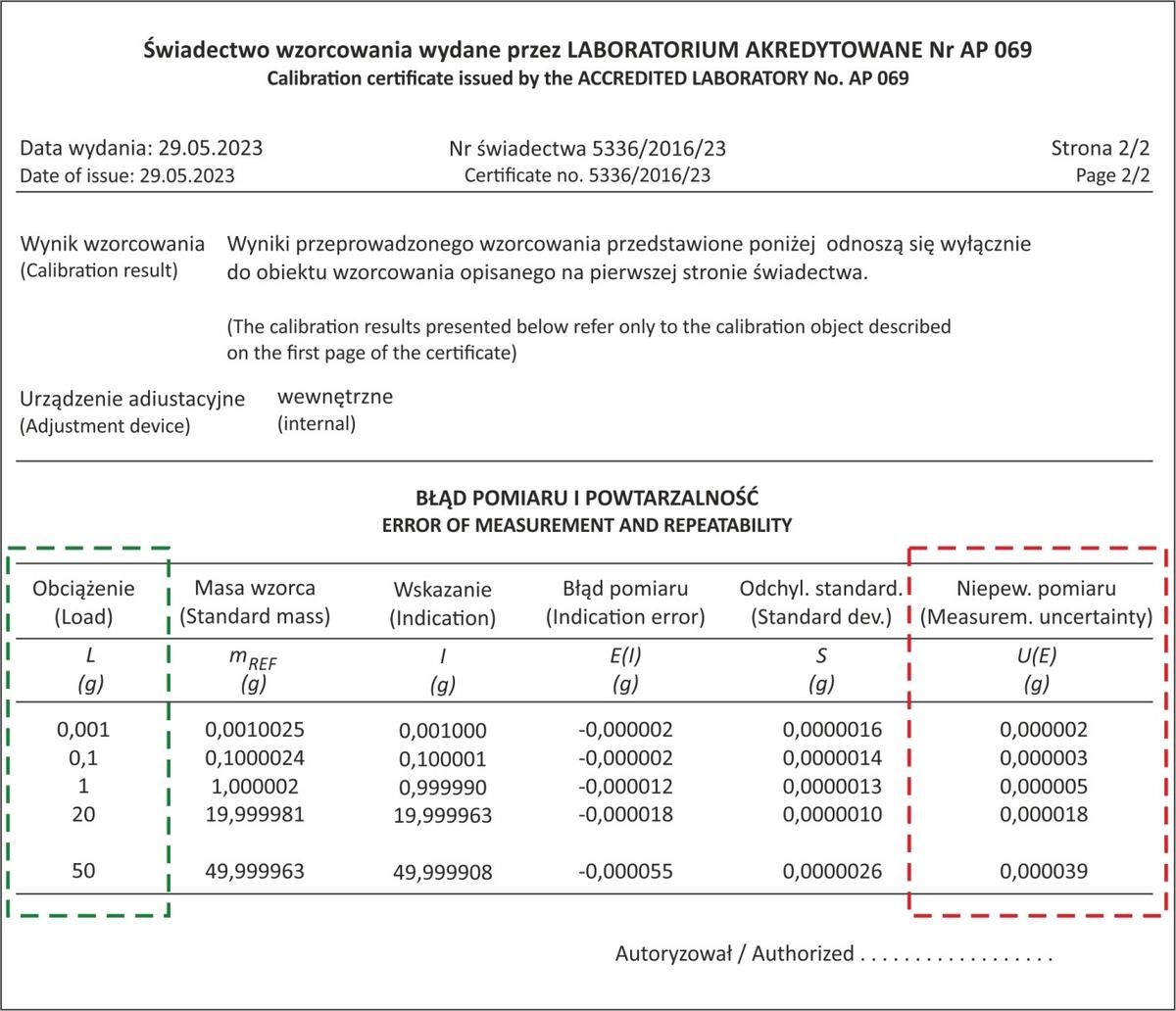
Fig. 1. The mass measurement uncertainty, depending on the load
The load for which the measurement uncertainty was determined has been chosen to cover typical values of the piston pipettes. Assuming that 1mg = 0,001 ml, the measurement uncertainty has been determined for the mass representing the following volumes: 1 µl, 100 µl, 1000 µl. The remaining measuring points apply only to mass measurements and can be used to estimate uncertainty of any mass measurement process.
Being familiar with the range of volumes subject to inspection, you can select a suitable balance model, using data showed in the table 2. Here, please be reminded that adaptation of the balance to the piston pipette verification does not limit its capabilities and it can still be used for precise mass measurements.
Table 2. Selection of the balance for the piston pipette volume
Standard dev.
MYA 21.5Y.P 1) 21g d=1µg S=1.0µg
XA 6/21.5Y.M.A.P 2) 6/21g d=1/2µg S=1.3µg
1µl ≤ V ≤ 10µl 10µl < V ≤ 100µl 100µl < V ≤ 1000µl 1ml < V ≤ 10ml
XA 21.5Y.M.A.P 2) 21g d=1µg S=1.3µg
XA 21/52.5Y.M.A.P 2) 21/52g d=1/5µg S=1.5µg
XA 53.5Y.M.A.P 2,3) 52g d=1µg S=1.5µg
XA 52.5Y.M.A.P 2,3) 52g d=5µg S=2.2µg 10µl < V ≤ 100µl 100µl < V ≤ 1000µl 1ml < V ≤ 10ml XA 82/220.5Y.A 3,4) 82/220g d=0.01/0.1mg S=5µg
XA 120/250.5Y.A 3,4) 120/250g d=0.01/0.1mg S=5µg
1) – cooperation with the attachment for calibration of the MY11-type pipette 2) – cooperation with the attachment for calibration of the XA 11-type pipette 3) – cooperation with the attachment for calibration of the XA 17-type pipette 4) – cooperation with the attachment for calibration of the XA 100-type pipette The indispensable element of every solution dedicated to verification of piston pipettes is the so-called piston pipette calibration attachment that consists of a weighing vessel and evaporation trap. The view and sketch of such a solution can be found below.
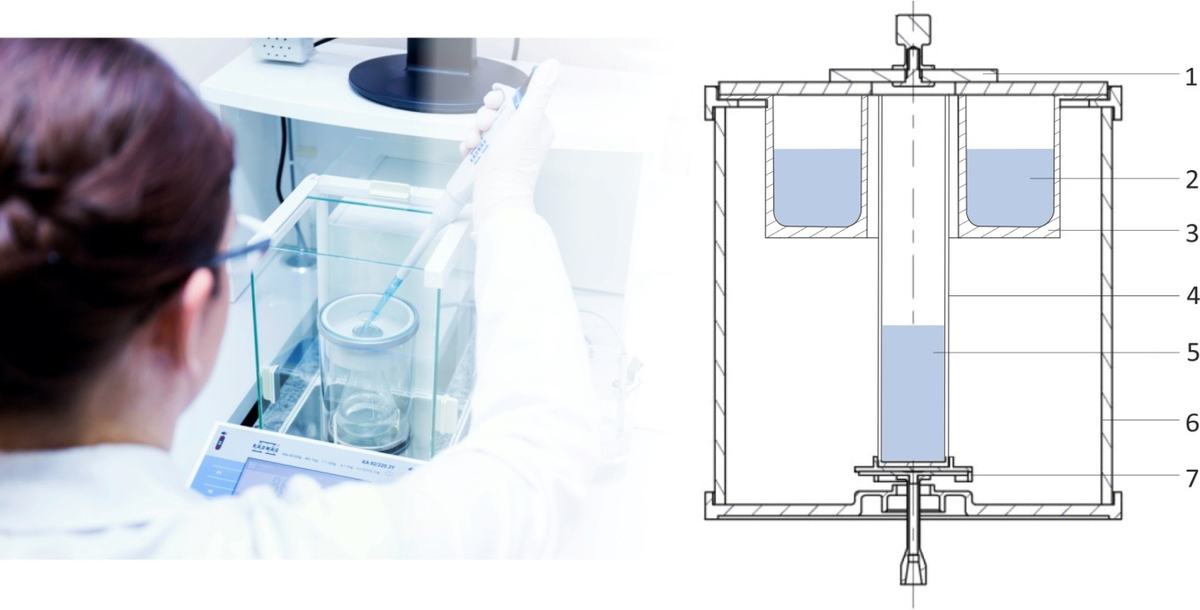
Fig. 2. XA-series balance – pipetting, the sketch with evaporation trap for MYA-series
microbalances
Key: 1 – upper cover of weighing vessel, 2 – evaporation trap water, 3 – evaporation trap, 4 – weighing vessel, 5 – liquid discharged from pipette, 6 – glass cover of weighing vessel, 7 – weighing pan
10 Weighing systems for calibration and verification of piston pipettes
The procedure of testing piston pipettes on the basis of the gravimetric method always entails recording the mass of the discharged liquid. For this reason it is necessary to convert weighing results into the volume. Two methods can be used in this respect. When it comes to the first method, you need to use a general equation (1) that allows you to calculate the liquid volume with special regard to the following factors: • liquid evaporation effect in the cycle, • atmospheric air density, • mass standard density, • water density, • pipette thermal expansion coefficient, testing temperature, where: V i,ref calculated liquid volume at rated temperature in ml, m L balance indication for the weighing vessel after entering the liquid in g, m E balance indication for the weighing vessel before entering the liquid in g (mmi = 0 in the case of tarring the balance with the weighing vessel) m evap estimated evaporation mass in the test cycle in g, ρ A air density in g/ml during testing, ρ B mass standard density (8 g/ml), ρ W water density at test temperature (in °C) in g/ml, γ combined thermal-cubical expansion coefficient of the pipette (°C−1), t W pipette temperature – it is assumed to be identical to the test liquid temperature in °C; t ref rated temperature of the pipette (20°C or 27°C).
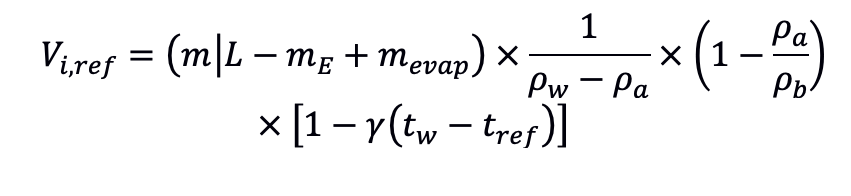
The second method is simpler because all environmental factors have been included in the so-called Z correcting indicator (equation 2, 2-1). The liquid-to-volume mass conversion is concerned with using a suitable indicator whose value allows for water density, atmospheric pressure and testing temperature.
Weighing systems for calibration and verification of piston pipettes 11
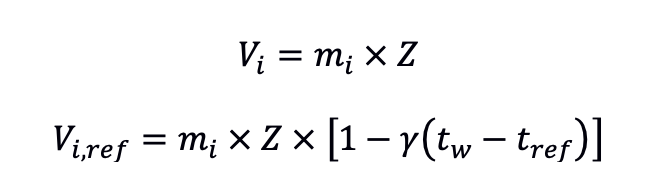
where: v combined thermal-cubical expansion coefficient of the pipette t w pipette temperature (usually identical to liquid temperature) t ref rated temperature of the pipette (20oC or 27oC) The factor that requires laboratory testing is estimation of the liquid evaporation effect (mevap) that occurs while testing the piston pipette.
12 Weighing systems for calibration and verification of piston pipettes
The ISO 8655:2022 standard provides freedom of choice with regard to the method used to evaluate the liquid evaporation effect. Such an approach allows for potential diversity of structural and programming solutions that can be utilised for piston pipette control. There is not any special universal method but each of them must assure reliable results that show real evaporation during the testing cycle. Such an approach has been used for evaluation of Radwag measuring systems.
In manual systems dedicated to single-channel pipettes, every mass measurement is followed by a record and then tarring of mass indication for the liquid dose. Such a measuring cycle takes up to a dozen seconds. For this reason the liquid evaporation evaluation and in fact correction for the liquid dose mass indication must apply to this short period of time only. In the first place it is necessary to specify the real weighing result stabilisation time, depending on the value of the reading unit of the balance (table 3).

Fig. 3. Metrology, Research and Certification Centre – Measuring Laboratory.
Single-channel pipette control.
Weighing systems for calibration and verification of piston pipettes 13
Table 3. Weighing result stabilisation time for balances used while inspecting piston pipettes
MYA 21.5Y.P 21g d=1µg ~ 10 sec.
XA 6/21.5Y.M.A.P 6/21g d=1/2µg ~ 10 sec.
XA 21.5Y.M.A.P 21g d=1µg ~ 10 sec.
XA 21/52.5Y.M.A.P 21/52g d=1/5µg ~ 10 sec.
XA 53.5Y.M.A.P 52g d=1µg ~ 10 sec.
XA 52.5Y.M.A.P 52g d=5µg ~ 5 sec.
XA 82/220.5Y.A 82/220g d=0.01/0.1mg ~ 5 sec.
XA 120/250.5Y.A 120/250g d=0.01/0.1mg ~ 5 sec.
It must be noted that evaluation of the liquid evaporation rate is a multi-stage process. At the first stage, the emphasis is placed on stability of the balance indication when it is loaded with a total mass of the vessel and maximum amount of water it can contain. This value must be determined in stable conditions, assuming thermal stabilisation of the balance and using mass standards.
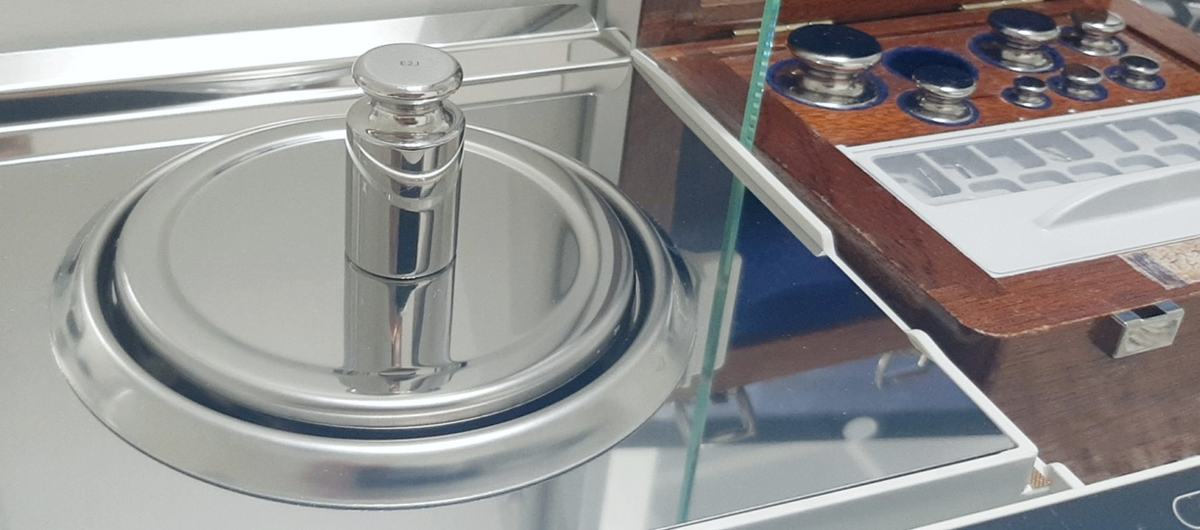
Fig. 4. Balance stability control with mass standard
For Radwag balances intended to control piston pipettes, the variability of the mass indication is max. 1 ÷ 2 reading units of the balance when the weighing pan is loaded with mass being ½ of the maximum load within 60 seconds (own testing). The variability of the mass indication applicable to the measuring cycle of the liquid dose is lower than the value of the balance reading unit. Therefore this value is irrelevant in the liquid evaporation effect testing.
14 Weighing systems for calibration and verification of piston pipettes
It must be emphasised that liquid evaporation dynamics and rate are widely dependent upon the so-called evaporation trap that must be filled with water a bit earlier in order to assure uniform humidity inside. The humidity stabilisation periods inside the evaporation trap of MYA microbalances and XA balances, depending on the laboratory temperature, have been showed in the figure 5.
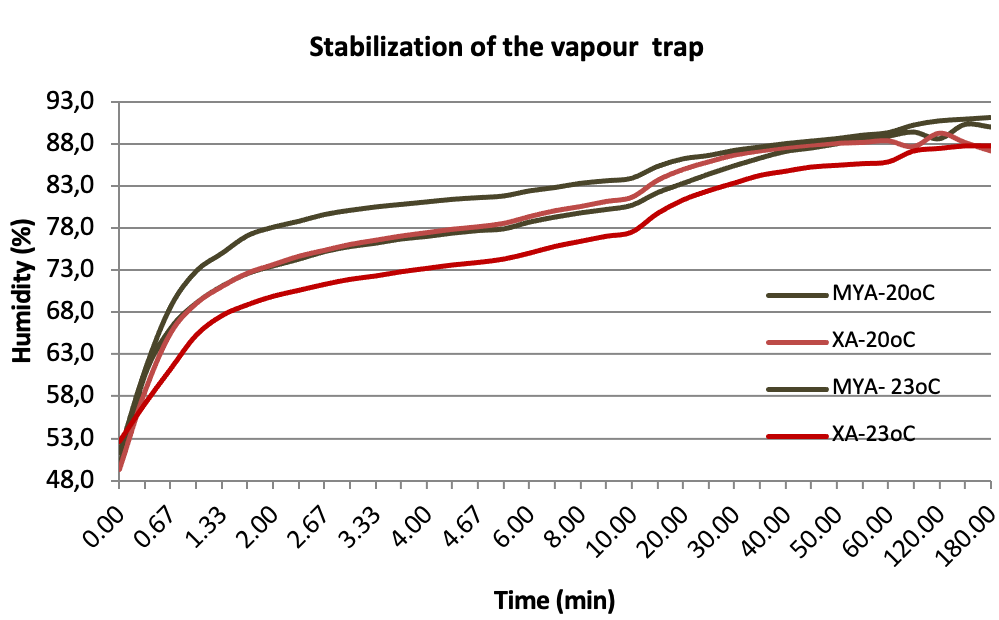
Fig. 5. Humidity stabilisation time inside the evaporation trap
Irrespective of the laboratory temperature (20oC ÷ 23 oC), high humidity inside the evaporation trap (ca. 80%) is reached after about 10 minutes, and eventual ly, after 60 minutes, the humidity stabilises at ca. 88%. According to provisions of the ISO 8655-6:2022 standard (point 7.4), the test cycle time required for dosing and weighing one volume must be shortened as much as possible. The refore, the operator’s experience in Good Pipetting Practice is essential.
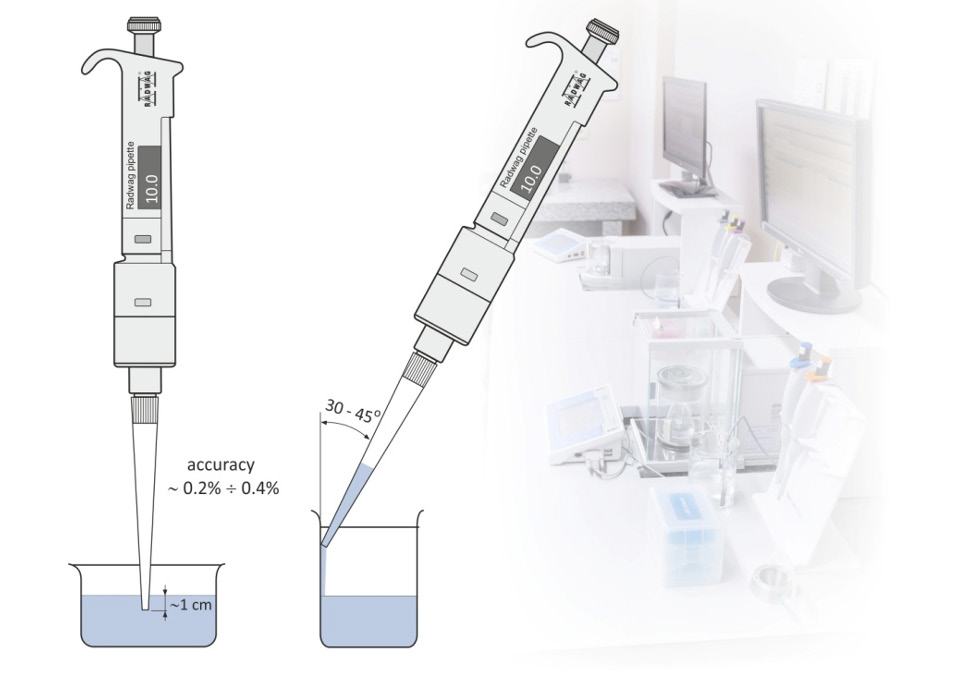
Fig. 6. Humidity stabilisation time inside the evaporation trap
Weighing systems for calibration and verification of piston pipettes 15 Certainly it is possible to measure the liquid dose mass without a steam trap, yet variability of the mass of the liquid dose you weigh is very high (figure 7).
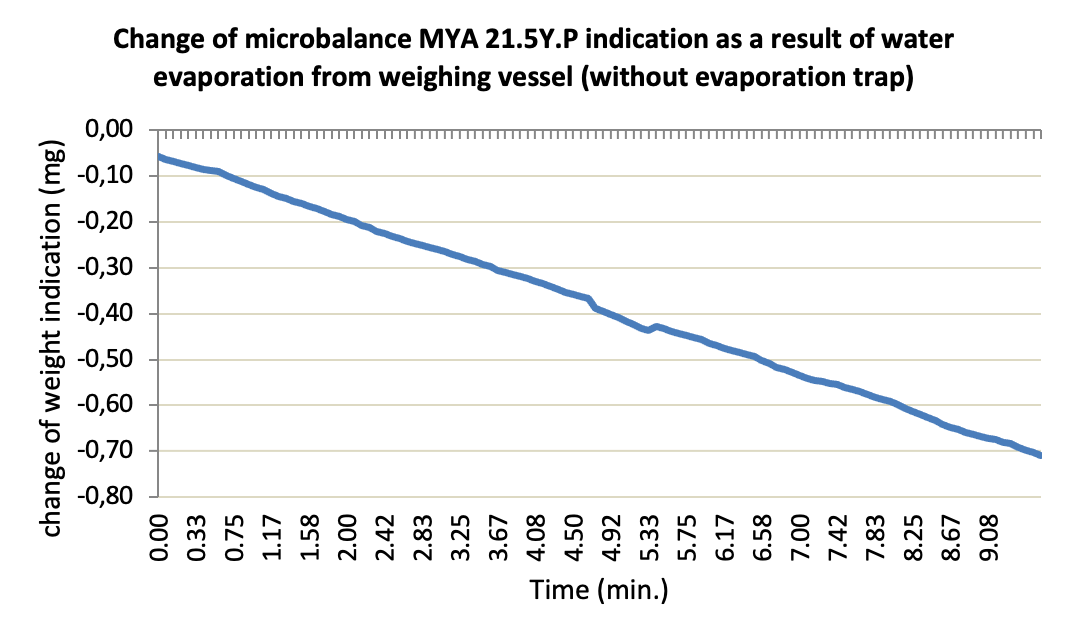
Fig. 7. Variability of the liquid dose mass without a steam trap, observation time - ca. 10 min.
For this reason the balances without the so-called steam trap or with the steam trap but without water should not be used while inspecting the piston pipette volumes. The example of the correctly prepared automatic evaporation trap of XA-series balances has been showed in the figure 8.
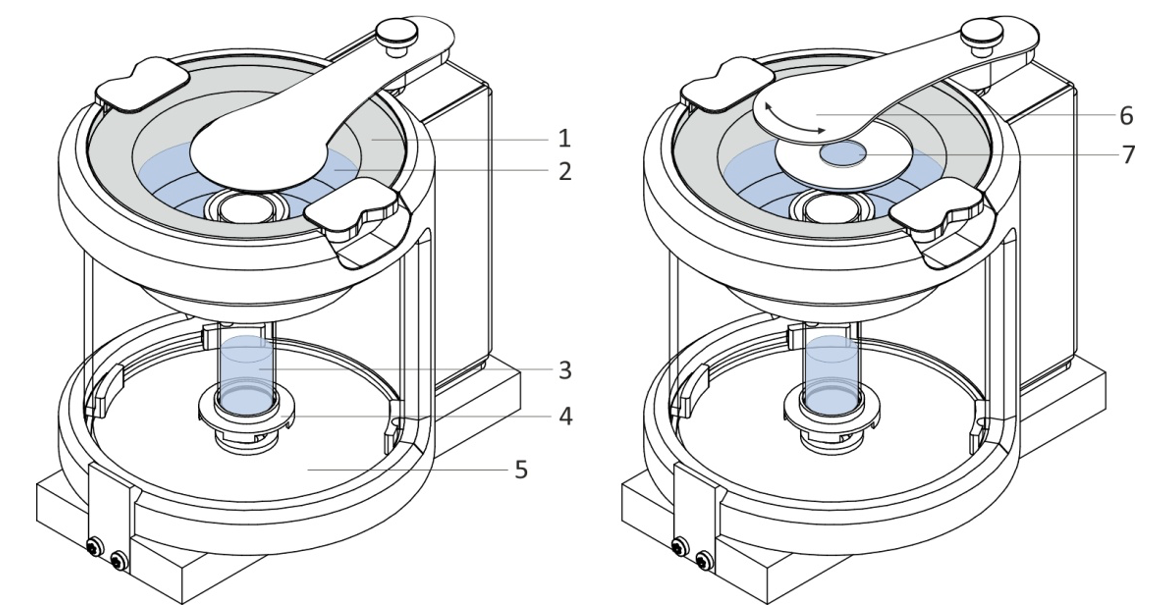
Fig. 8. Automatic steam trap for XA-series balances
Key: 1 – weighing vessel cover 2 – evaporation trap water, 3 – weighing vessel with liquid, 4 – weighing pan, 5 – base, 6 – moving arm of evaporation trap, 7 – upper cover of evaporation trap
16 Weighing systems for calibration and verification of piston pipettes
As mentioned before, a single measuring cycle for the liquid dose is relatively short – from a few to a dozen seconds. For this reason the liquid evaporation effect observation took 60 seconds and then water mass loss per testing cycle was estimated. It was therefore assumed that liquid evaporation was a linear dependence of the liquid mass loss in time. Correctness of the aforesaid assumption was confirmed in tests without the evaporation trap (fig. 7). The liquid evaporation from the weighing vessel was evaluated when a small amount of water was available in the weighing vessel (fig. 9) and when ca. ½ of the weighing vessel was filled with water (fig. 10). In every test, a liquid of ~ 200 µl was added to the weighing vessel with the use of a pipette, simultaneously monitoring the variability of indication in the period of 60 seconds. the laboratory temperature, have been showed in the figure 5.
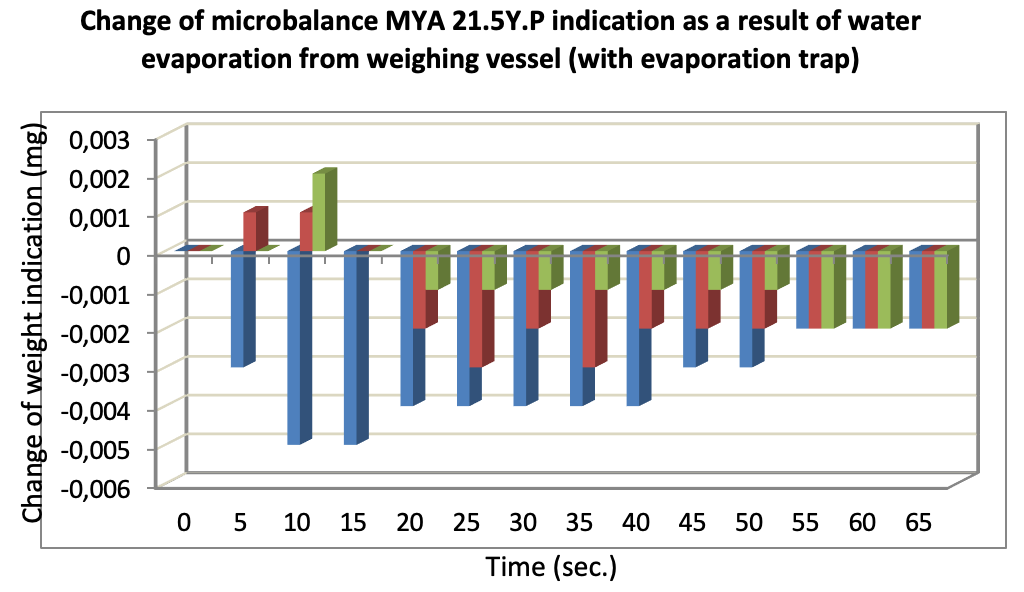
Fig. 9. Variability of the liquid dose mass without a steam trap, observation time - ca. 10 min.
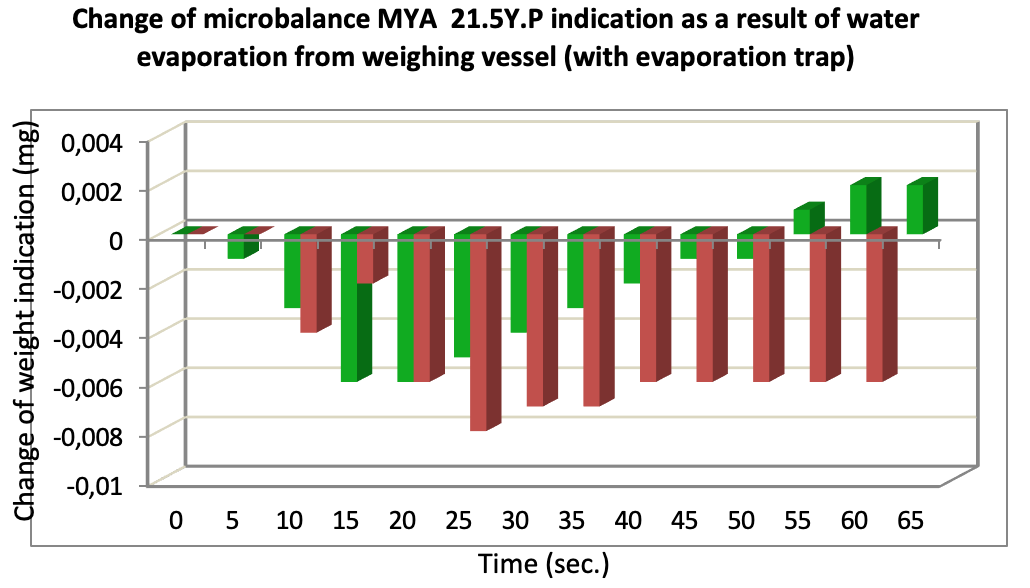
Fig. 10. Variability of the liquid dose mass without a steam trap, observation time - ca. 10 min.
Weighing systems for calibration and verification of piston pipettes 17 Based on the test, loss of the liquid dose mass from the weighing vessel was found to be about 0.006 mg/ 60 sec., when ca. ½ of the weighing vessel was filled with liquid, and about 0.002 mg/ 60 sec., when the weighing vessel initially had a small amount of liquid, i.e. ca. 2-3 mm. Based on the analysis of the measurement data, the conclusion is that the closed steam curtain has a stable volume in terms of humidity. Liquid dosing requires partial opening of the evaporation trap, which is a disturbing factor. Restoring the humidity stability inside the evaporation trap overlaps with measuring the mass of the liquid dosed. The requirement of dosing the liquid through the wall of the weighing vessel also hinders the mass measurement. For this reason, at the first stage of the measurement, you can obtain a bigger indication drift that stabilises afterwards. Bearing the above-stated factors in mind, it is therefore possible to estimate variability of the liquid dosed rather than make a measurement that as we all know must be accurate.
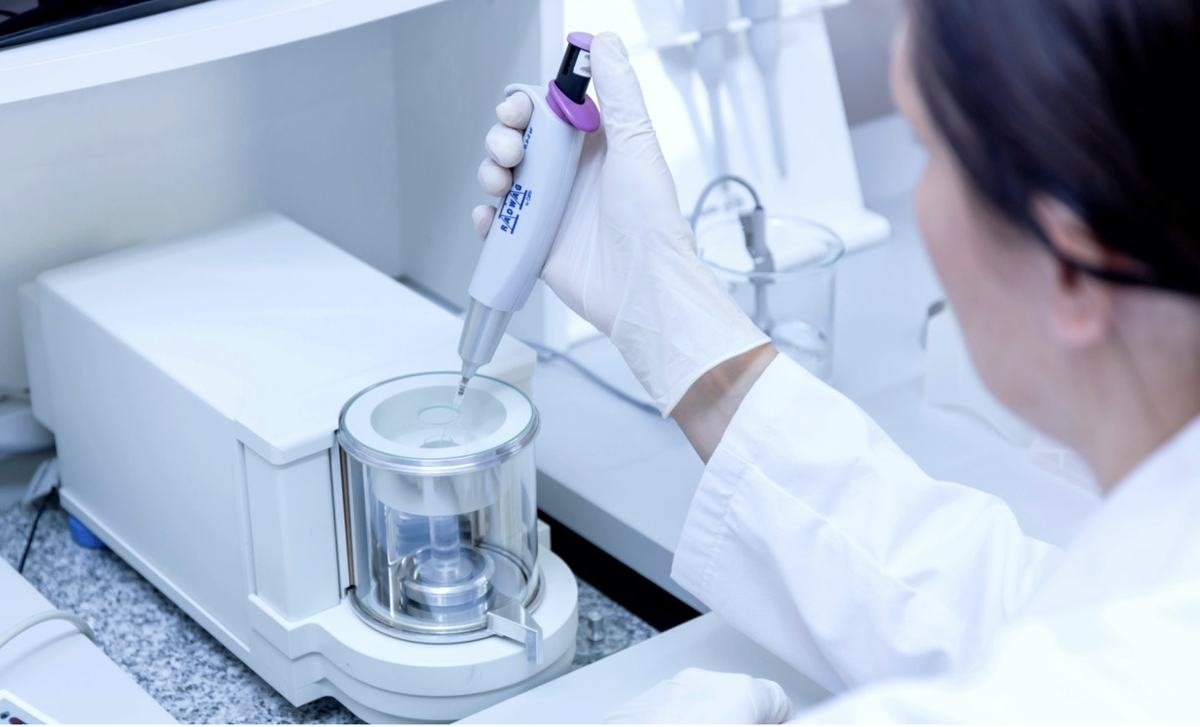
Fig. 11. MYA 21.5Y.P – Piston pipette control
Assuming that the real measuring cycle of the liquid dose during the piston pipette control with the use of the MYA/XA-series microbalances is about 10 seconds, the estimated change of the value applicable to the single testing cycle is 0,0006 mg. This value is lower than the reading unit of the microbalance. It is necessary to focus on this issue from a broader point of view, as aside from the physical liquid evaporation, the observation result is widely affected by internal stability of the microbalance and operator’s ability to dose liquids without shock.
18 Weighing systems for calibration and verification of piston pipettes
In view of their increased maximum load, XA-series analytical balances are intended to control piston pipettes of larger volumes. For this reason, depending on needs, they can be supplied with a weighing vessel whose maximum volume is 17 or 100 ml. In either case, a evaporation trap applies and reaches a stable humidity after about 10 minutes (Fig. 5).
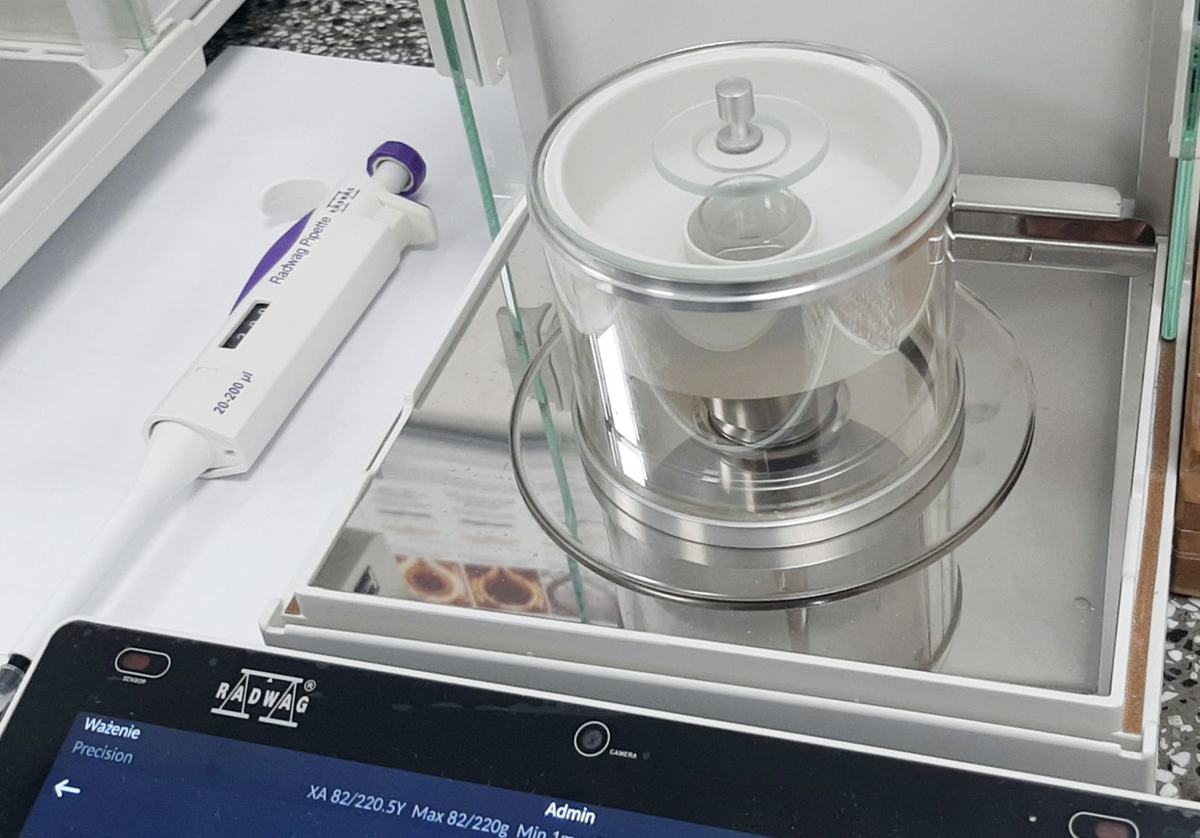
Fig. 12. XA 82/220.5Y balance with a 17-ml weighing vessel .
At the first stage, the test concerning with dynamics of liquid evaporation from the 17-ml weighing vessel was carried out in about 5 minutes, recording changes to the liquid dose mass with an interval of 10 seconds. The purpose of this test was to specify the gravity of liquid mass changes during evaporation when the process involved the use of the evaporation trap. The test results have been showed in the figure 13.
Weighing systems for calibration and verification of piston pipettes 19
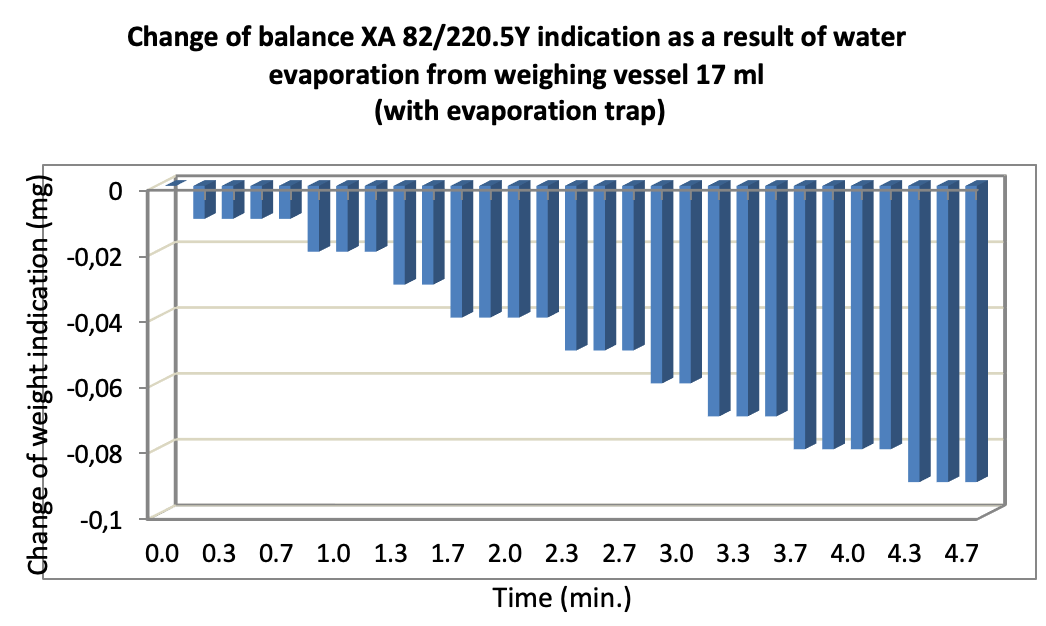
Fig. 13. XA 82/220.5Y – dynamics of liquid evaporation from the weighing vessel for a long period of time Following the changes to the mass, it can be concluded that liquid evaporation is a linear dependence of the liquid mass loss in time. It is therefore possible to partly compensate this phenomenon by permanently correcting the calculations of the real liquid dose. In the second part of the testing, the liquid dose mass loss was specified in the period of 60 seconds, from the weighing vessel with a volume of 17 and 100 ml. The test results have been showed in the figure 14 and 16.
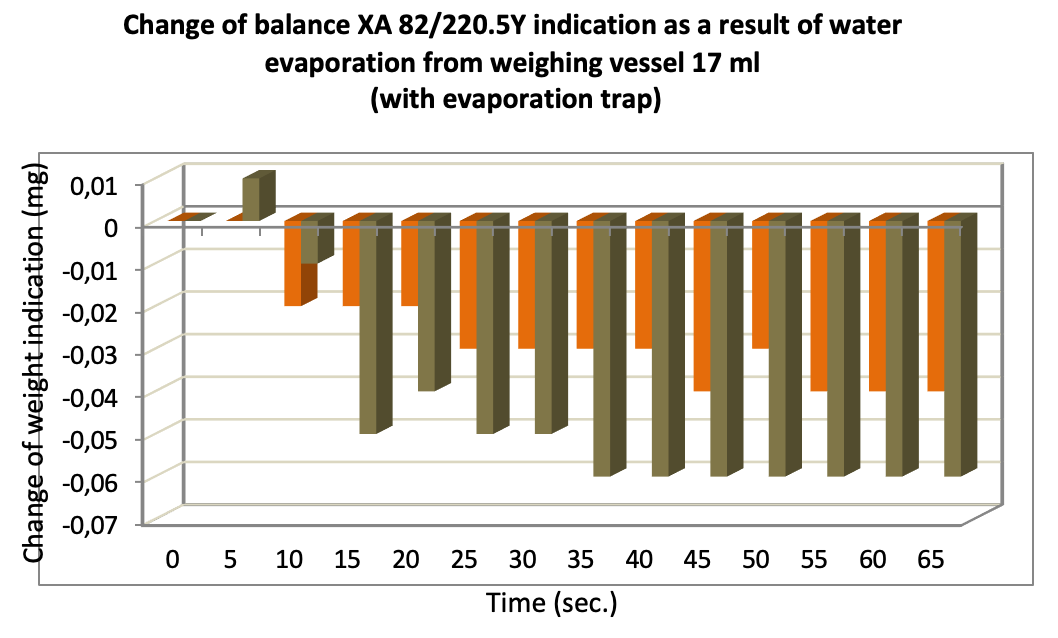
Fig. 14. XA 82/220.5Y – dynamics of liquid evaporation from a 17-ml weighing vessel The average loss of the liquid dose mass from the 17-ml vessel in 60 seconds is ~ 0,05 mg so the change of the mass applicable to the single measuring cycle is ~ 0,004 mg (see table 3).
20 Weighing systems for calibration and verification of piston pipettes
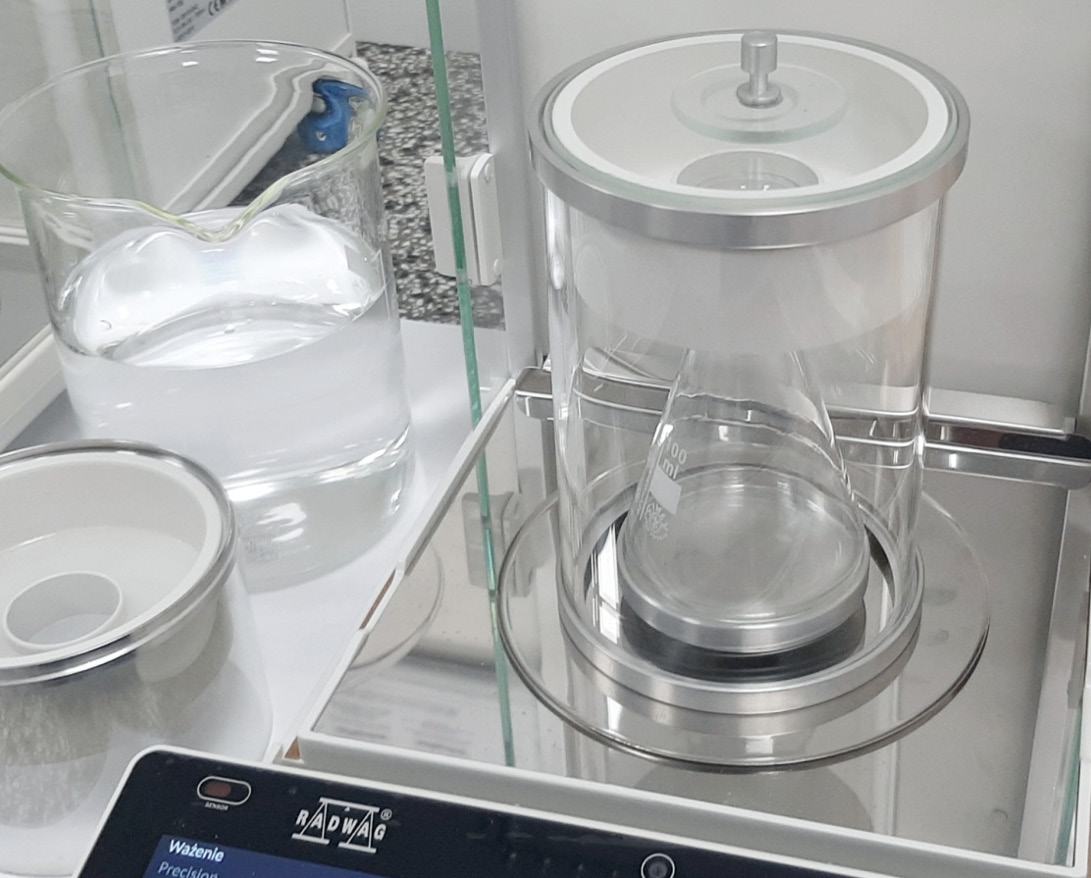
Fig. 15. XA 82/220.5Y with a 100-ml weighing vessel
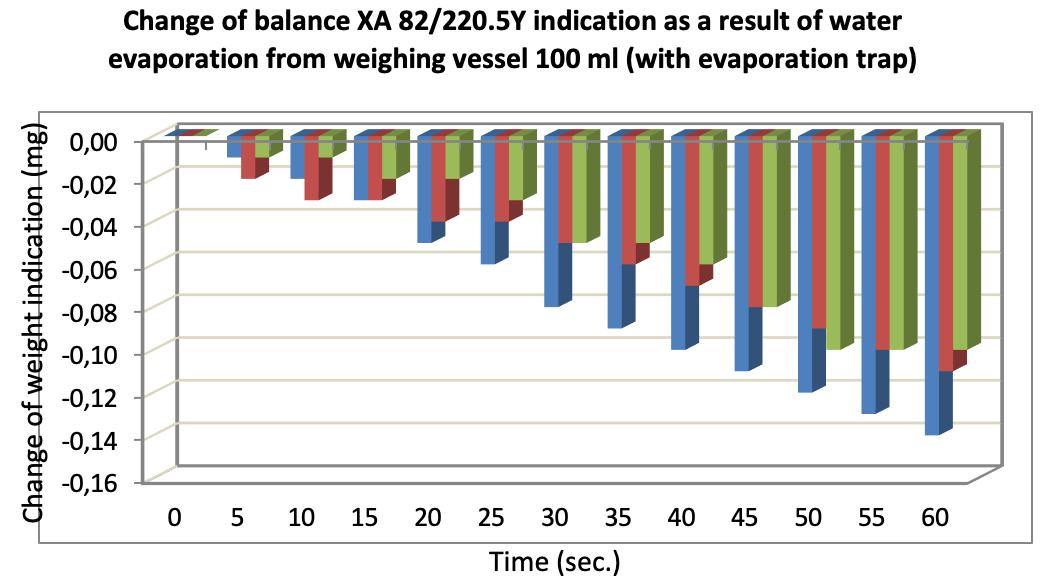
Fig. 16. XA 82/220.5Y – evaporation from a 100-ml weighing vessel
The average loss of the liquid dose mass from a 100-ml vessel in 60 seconds is ~ 0,12 mg so the change of the mass applicable to a single measuring cycle is
~ 0,01 mg (see table 3).
Weighing systems for calibration and verification of piston pipettes 21
The automatic system intended for multi-channel pipette volume control requires the use of other method for evaluation of the liquid evaporation effect. In fact liquid is dosed at the same time in each channel, yet the liquid dose mass from farther channels is weighed with a certain delay (fig. 17). It results from movement of a truck that relocates every container into the weighing position. The waiting time for the liquid dose mass measurement can be described through the following dependence: where: t m time at which the truck moves from the position p1 to p1+i ( 1,5 sec.) t w time of weighing the container with a water dose ( 6 sec. for AP 12.5Y)
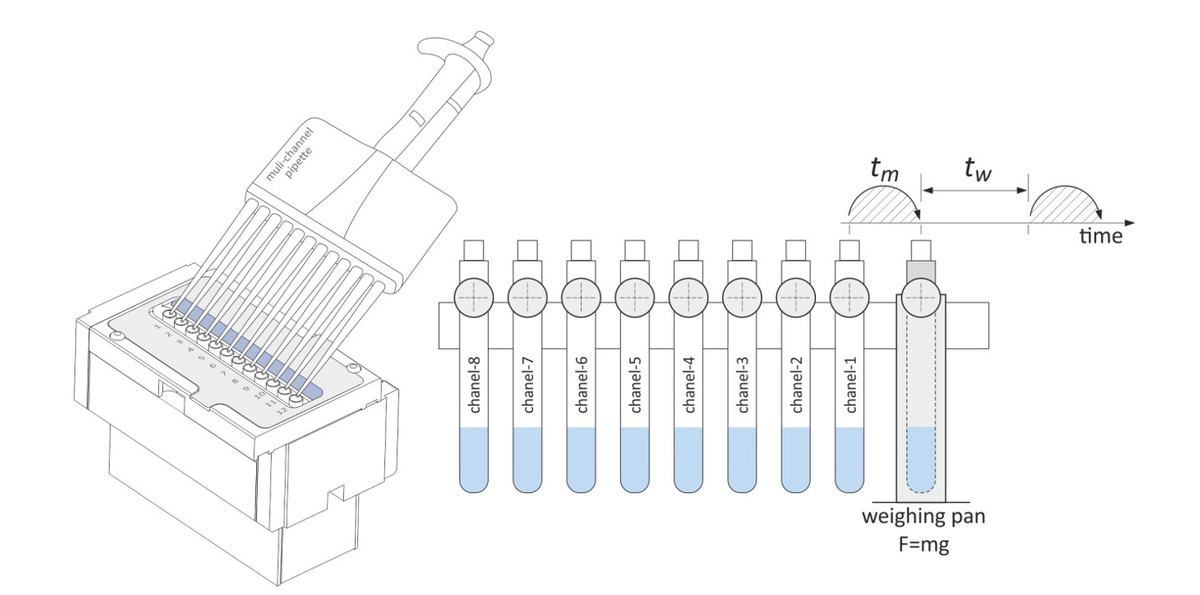
Fig. 16. XA 82/220.5Y – evaporation from a 100-ml weighing vessel
It has been assumed that liquid evaporation in constant environmental conditions for containers that prove identical in terms of design is equally dynamic for every container. In order to investigate this phenomenon, it is only necessary to specify the evaporation rate for the first container, but in time required for the entire testing cycle, that is the period of time required to specify the mass of the liquid dose of all channels of the multi-channel pipette. While testing, it was found that the entire testing cycle time for a 12-channel pipette was ~ 90 seconds. The estimated time required to specify the mass of a single container is thus ~ 7,5 seconds.
22 Weighing systems for calibration and verification of piston pipettes Taking the aforesaid dependence into account, the estimated waiting time for measuring the mass of subsequent containers from the test start time has been showed in the figure 4.
Table 4. Waiting time (in seconds) for automatic measurement of the container mass
K1 K2 K3 K4 K5 K6 K7 K8 K9 K10 K11 K12
7.5 15 22.5 30 37.5 45 52.5 60 67.5 75 82.5 90
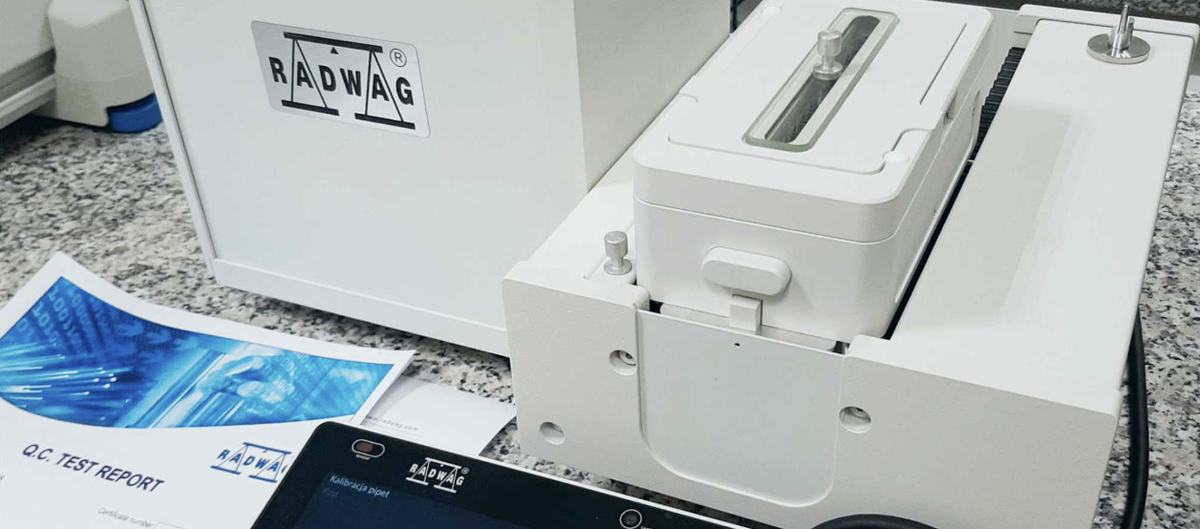
Fig. 18. AP 12.5Y automatic unit during metrological check
The cycle of tests also allowed specifying mass measurement stability while weighing an empty container (mass ~ 20,2 g), which proved as a measure of correct operation of the balance. It was found that the maximum indication drift did not exceed 0.02 mg/ 90 seconds. The final value is irrelevant metrologically during evaluation of the water evaporation effect in a testing cycle.
The liquid evaporation dynamics tests were carried out in stable laboratory conditions, when humidity was 54% and temperature 23oC. The evaporation trap was filled with about 8 g of distilled water, while humidity in the measuring path measured just above the container weighing vessel outlets after about 5 minutes was 88.30%, and was still growing at a slow pace of ca. 0.03%, reaching the value of 89.06%. At first the correctness of the thesis stating that water evaporation dynamics was identical in each container, regardless of its position, was checked. To do so, containers number 1, 5, 11 were automatically moved into the weighing stand and about 4 g of water was dosed into them, recording the mass indication drift from the stable condition for the period of 90 seconds. The results have been showed in the figure 19.
Weighing systems for calibration and verification of piston pipettes 23
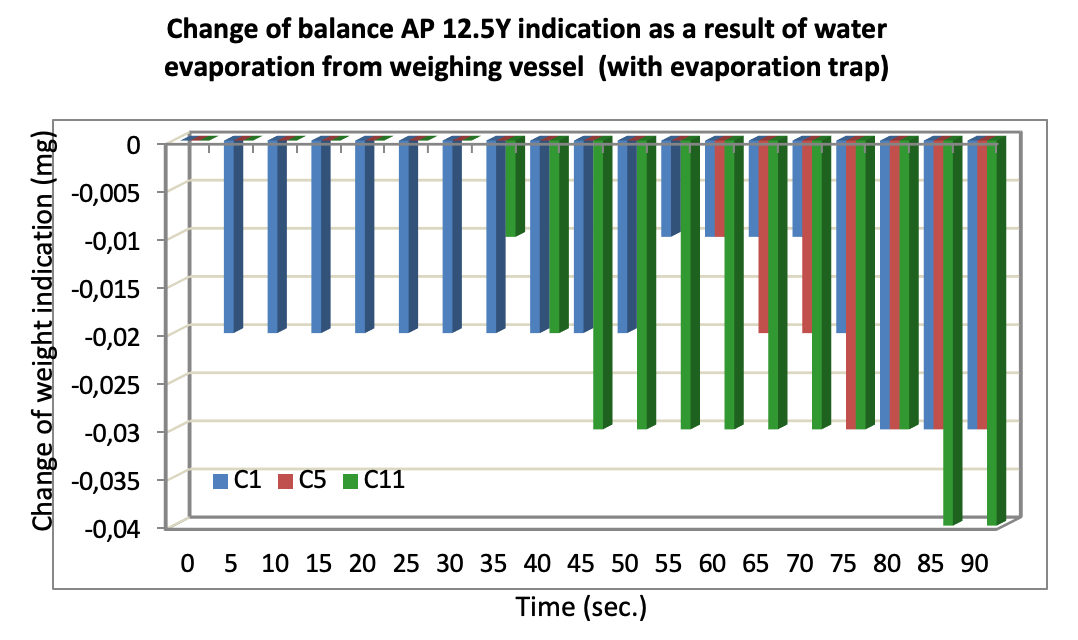
Fig. 19. Mass indication drift for containers number 1, 5, 11 in the testing cycle.
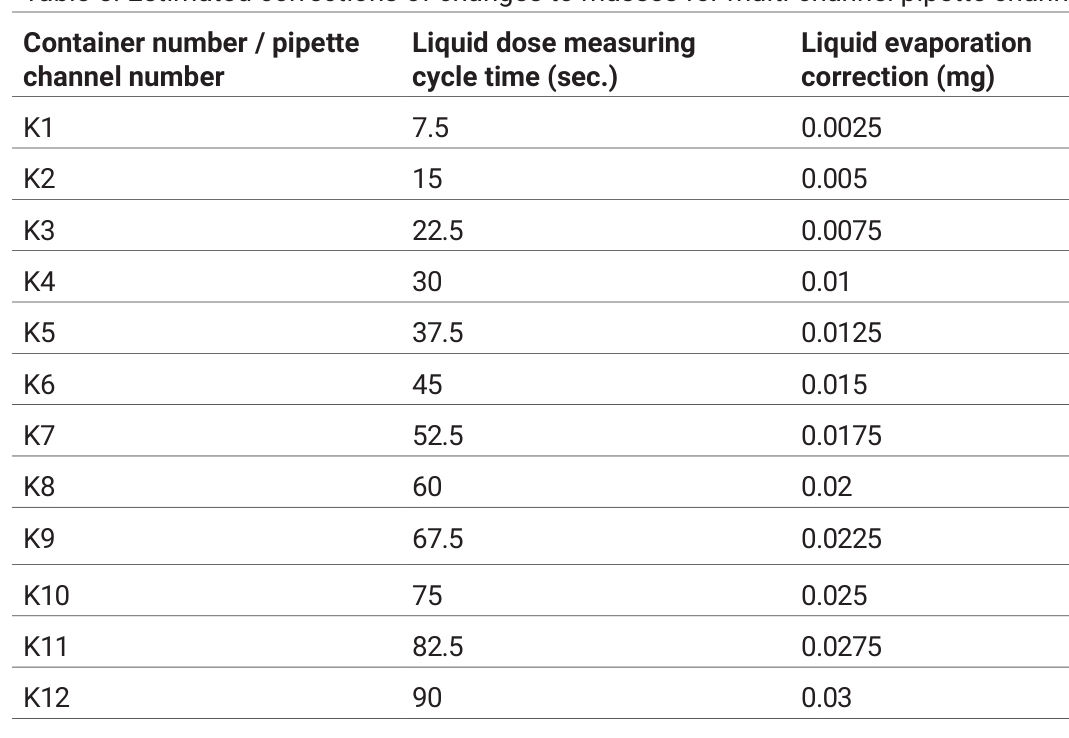
The estimated liquid dose mass loss in the evaporation effect for every container was about 0.03 mg. Considering the time values related to awaiting for measurement of masses of subsequent containers (table 4), correction values for every container can be estimated – for every channel of the multi-channel pipette (table 5).
Table 5. Estimated corrections of changes to masses for multi-channel pipette channels
24 Weighing systems for calibration and verification of piston pipettes
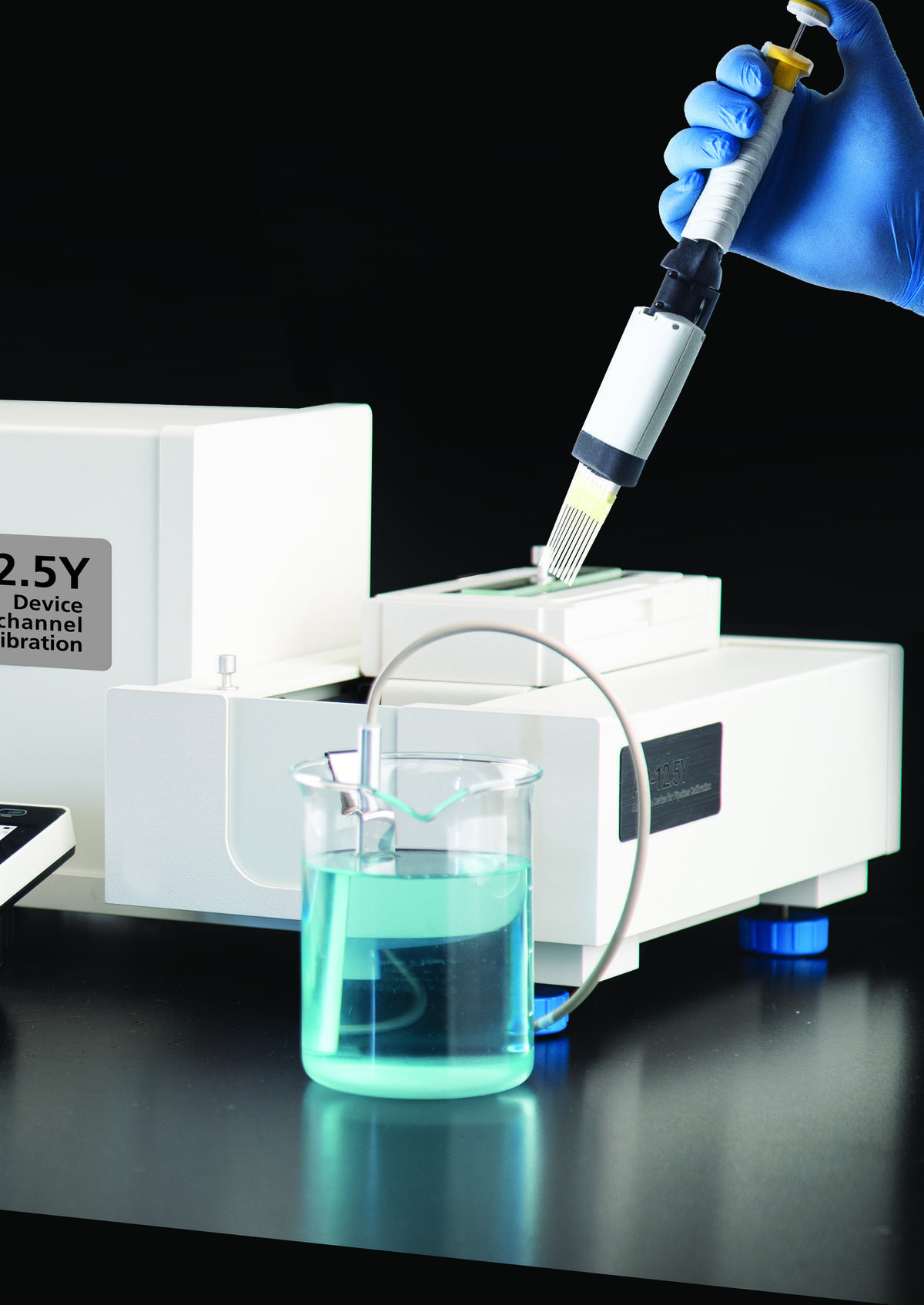
Liquid evaporation from the weighing vessel is a physical phenomenon, while its dynamics and parameters depend on environmental conditions, stability of the weighing system and presence of a evaporation trap. Before tests are initiated, it is necessary to specify stability or variability of balance indication in a testing cycle when mass standards are applied. Too high variability of the balance indication when the mass standards serve as a load will affect liquid evaporation, which eventually may lead to wrong conclusions.
During testing, the conclusion was that the so-called steam traps for MYA, XA, AP12 balances intended to control piston pipettes substantially secure the liquid dose mass measurement against excessive evaporation. The measuring cycle for balances intended to control single-channel pipettes is relatively short, while potential mass variability of a single liquid dose is about 1 ÷ 2 reading unit(s) of balances.
In view of its specific design, the AP 12.5Y automatic unit dedicated to multi-channel pipettes required the use of a Wdifferent testing method. Corrections for the weighing result applicable to every container being the result of liquid evaporation have been showed in the table 5. Their values are actually irrelevant if you consider the fact that according to the ISO 8655:2022 standard limit values of accidental and random errors of multi-channel pipettes are nearly twice as high as the ones that correspond to A-and D1-type single-channel pipettes.
To eliminate the water dose evaporation effect completely, it would be necessary to reach a balance between the water evaporation and steam condensation in the weighing vessel. Water evaporates because some particles that have more energy depart from its surface, creating steam just above the surface. A certain amount of steam goes back to water and this is what we refer to as condensation. For the sake of piston pipette control, the best idea would be to assure balance between these two processes. It is feasible when partial pressure of the steam is equal to pressure of saturated steam. If this is the case, there is equilibrium between gas and liquid, and it can be succinctly described as an equal amount of liquid evaporating as gas condensing. From the metrological point of view, it must be concluded that there are no devices and processes that would be perfect, and the purpose of testing is Weighing systems for calibration and verification of piston pipettes 25 to specify relevance of these deviations for the quality of processes. On the other hand test results do not finish the case but prove as a starting point for improvement of measuring systems. Such an approach is an integral part of Radwag’s policy.
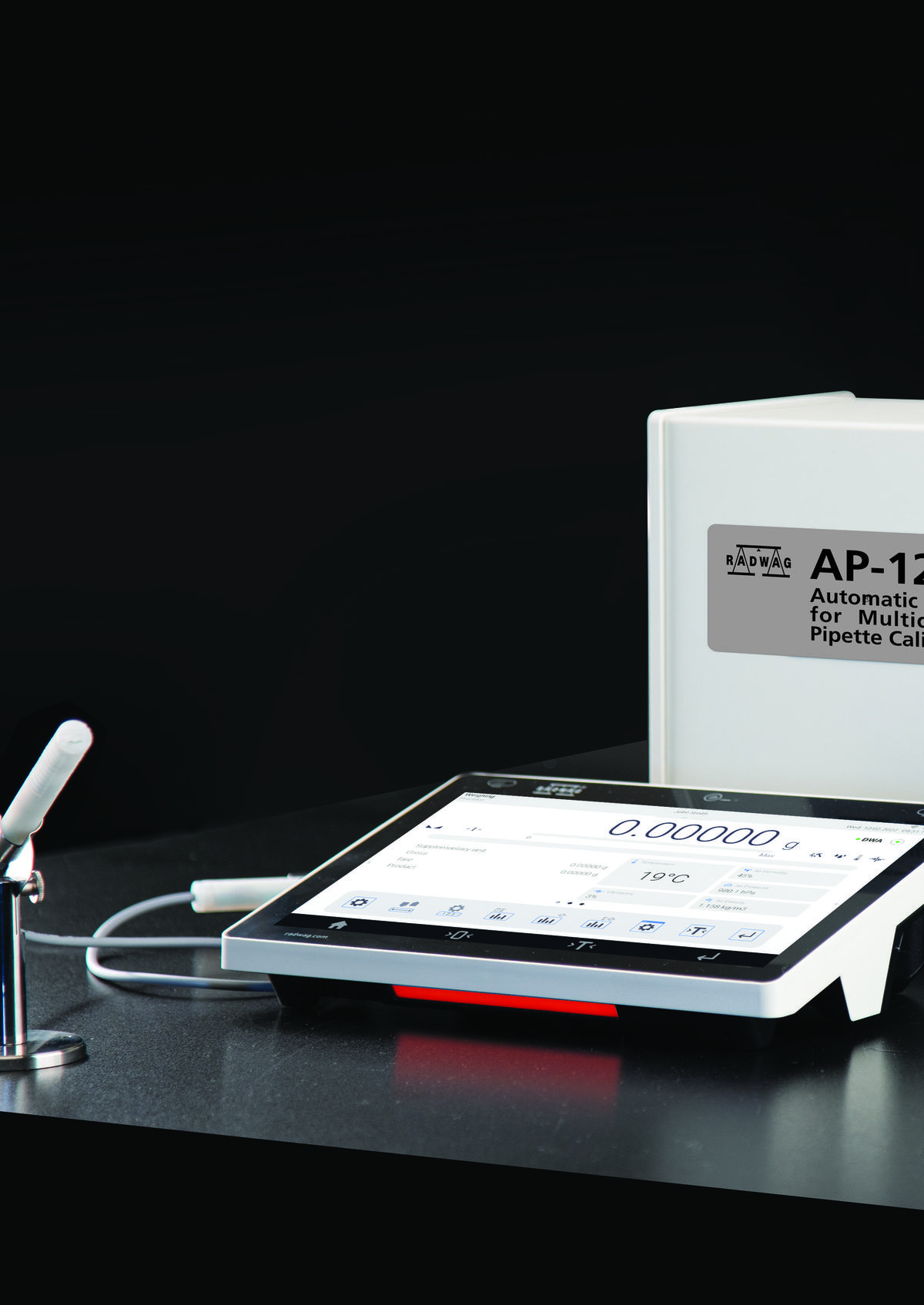
As microbalanças XA 5Y.M.A.P foram projetadas para calibrar micropipetas monocanal a partir de 0,5 µl. A calibração de micropipetas significa…
As microbalanças XA 5Y.M.A.P foram projetadas para calibrar micropipetas monocanal a partir de 0,5 µl. A calibração de micropipetas significa…
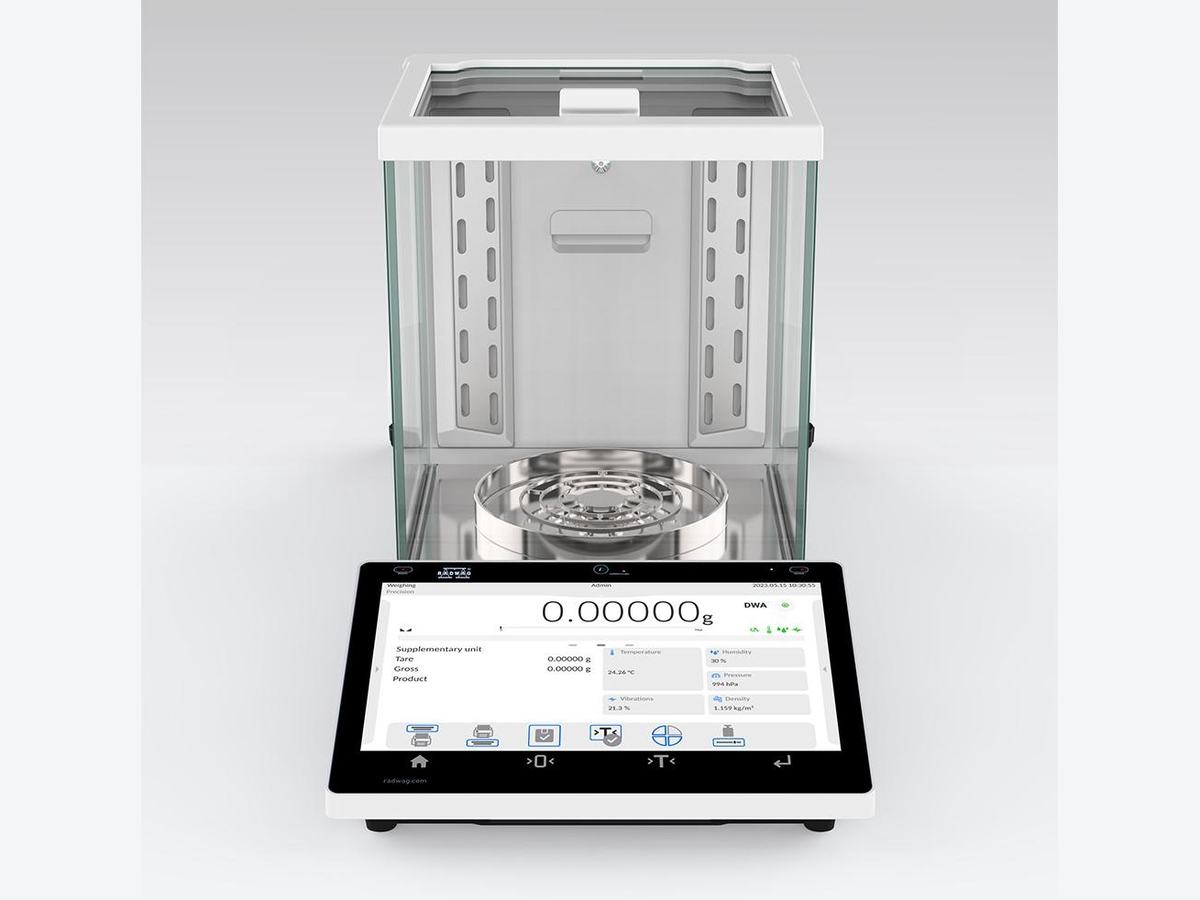
São instrumentos de laboratório avançados que combinam tecnologia de ponta com precisão de medição incomparável. Equipados com um sistema de medição…
Tem uma amostra eletrostática que não pode ser pesada?
As microbalanças XA 5Y.M.A.P foram projetadas para calibrar micropipetas monocanal a partir de 0,5 µl. A calibração de micropipetas significa…
Garante que sua balança esteja pronta para uso. Permite a compensação da flutuabilidade do ar em tempo real. Além disso, informa sobre a necessidade…

A sonda de temperatura e ponto de orvalho DMP5 Vaisala DRYCAP® foi desenvolvida para medição de umidade em linha em aplicações de secagem industrial…

Lauri Reuter é um especialista no futuro da alimentação e a pessoa certa para perguntar se você já se perguntou o que comeremos no futuro e como toda…

As empresas industriais continuam a tomar medidas para minimizar as suas emissões de carbono. Muitos estão a reduzir a utilização de combustíveis…

No processo de caustificação, os produtos químicos passivos são convertidos em produtos químicos ativos para cozinhar para produzir licor branco…
Um especialista responde com a solução, o instrumento e o serviço adequados.
Produtos para cotar
Ainda não há produtos. É possível escrever mesmo assim: um especialista responde.