

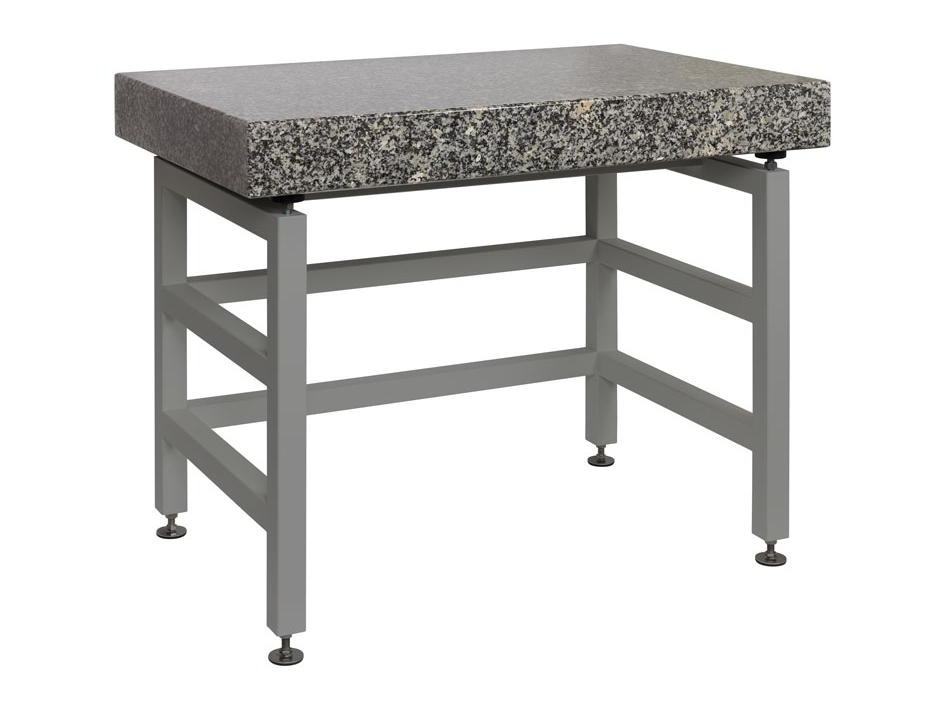
Mesa antivibração em aço inoxidável SAL/STONE/H
A mesa foi projetada para eliminar vibrações do solo durante a operação de equipamentos de laboratório, como microbalanças, balanças analíticas e…
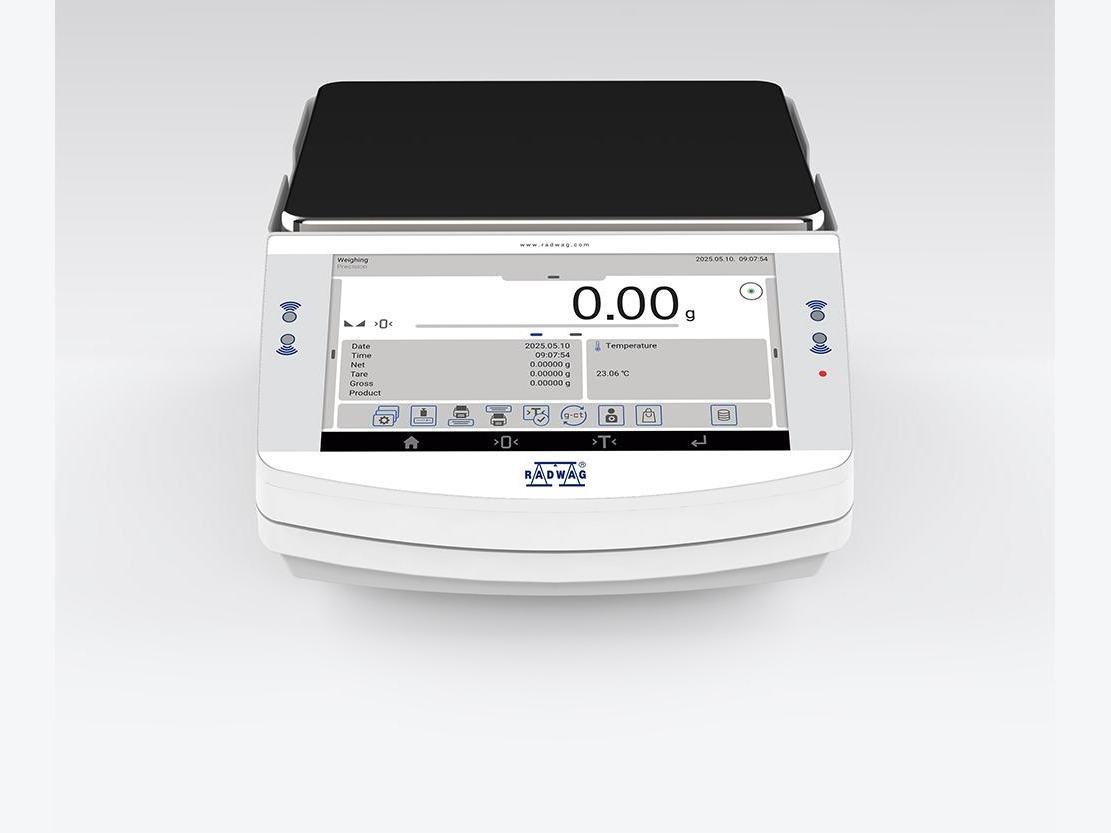
A PS X7.M é uma série de balanças de precisão de classe avançada e alta resolução, baseada na
tecnologia
MONO
BLOCK
. A construção inovadora da balança PS X7.M apresenta um novo sistema de fixação do prato de pesagem em ponto único, o que assegura uma geometria excelente e minimiza o erro de excentricidade. A fixação em formato de labirinto garante uma excelente resistência à contaminação.
A tecnologia
MONO
BLOCK permite a pesagem de cargas com uma resolução de d = 0,01 g e capacidade máxima de 10 kg. A base rígida garante a estabilidade do sistema de pesagem e grande resistência a impactos. O sistema de ajuste interno assegura precisão e alta repetibilidade de medição. O mecanismo de alavanca com massa interna permite o ajuste em toda a faixa de medição.
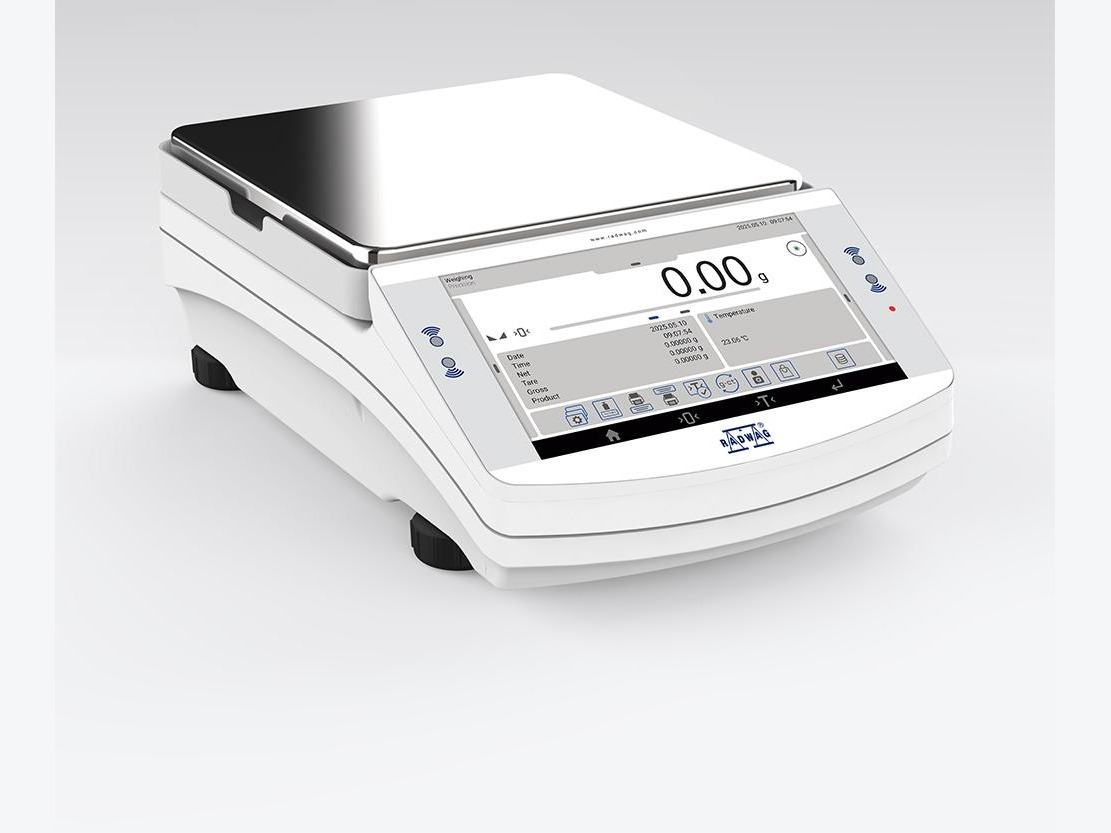
Nas Balanças de Precisão PS X7.M, o sistema de informações é baseado em 9 bancos de dados que permitem que vários usuários trabalhem com um banco de dados que armazena diversos produtos. Os resultados de pesagem registrados podem ser submetidos a análises posteriores. Os dados são registrados em 9 bancos de dados:
✔Produtos (5.000 produtos)
As balanças de precisão PS X7.M possuem memória ALIBI, que garante segurança, pois registra automaticamente as medições e permite a pré-visualização, cópia e arquivamento dos dados. A memória ALIBI permite registrar até 512.000 pesagens.
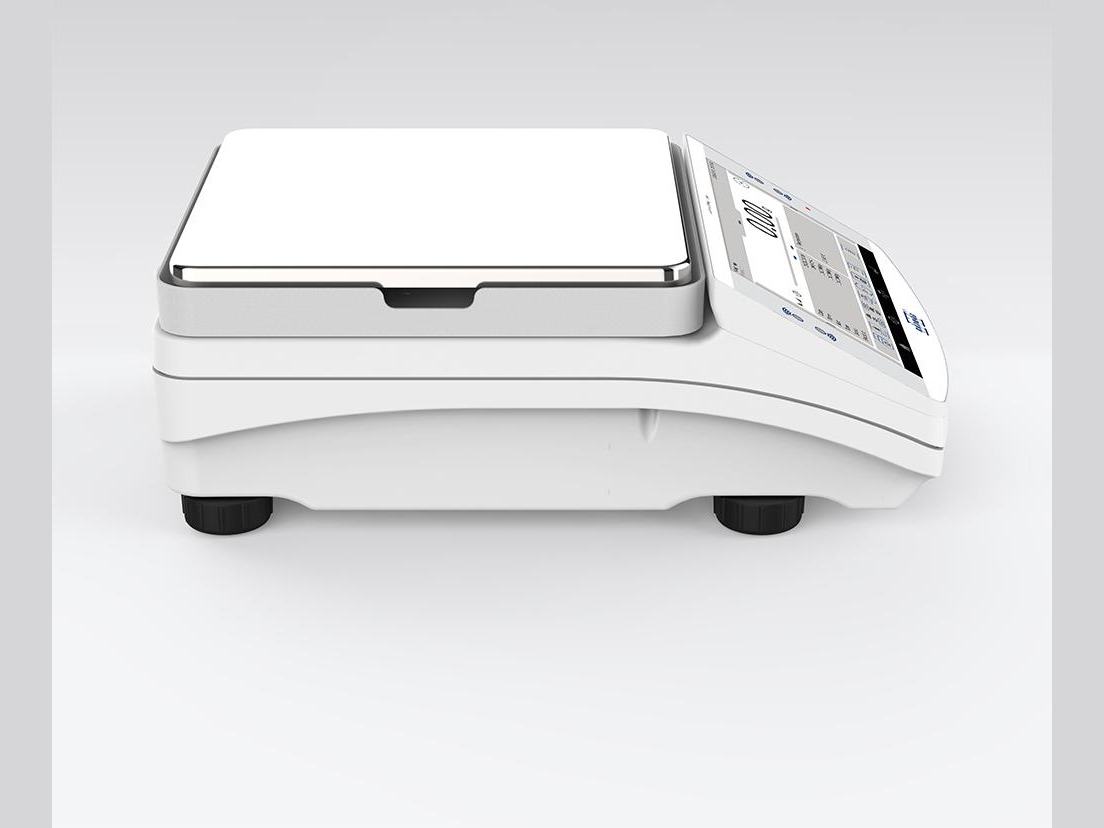
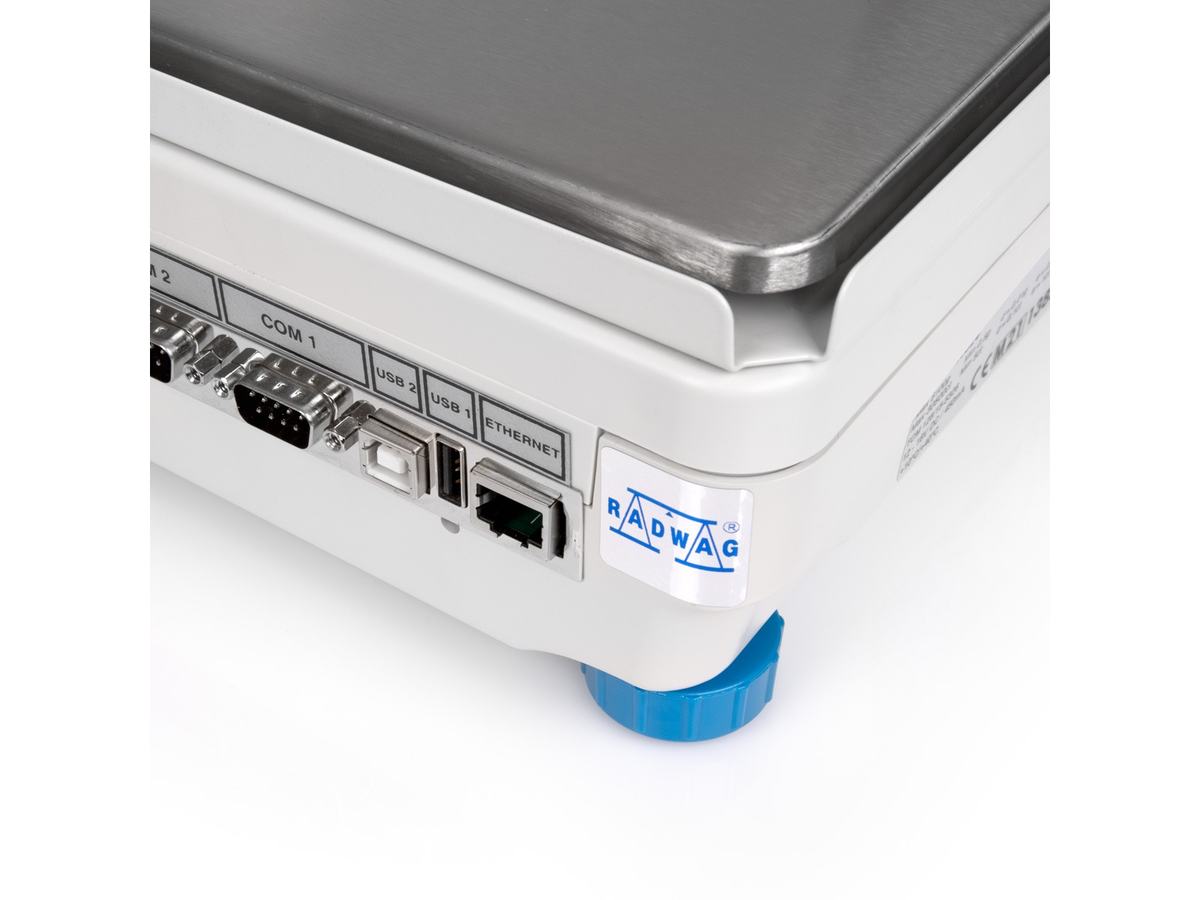
As balanças de precisão PS X7.M permitem ao usuário personalizar o layout das informações no display através de uma ampla seleção de widgets. A personalização do display da balança PS X7.M proporciona acesso a informações e resultados operacionais diretamente do painel principal. As balanças de precisão PS X7.M são equipadas com múltiplas interfaces de comunicação: 2 x RS232, USB-A, USB-B, Ethernet e Wi-Fi®.
A interface USB facilita a transferência e cópia rápidas de quaisquer resultados do seu trabalho (medições, relatórios, bancos de dados) para um computador ou outra balança. O gerenciamento de dados na balança também é possível online, através do acesso remoto à balança e ao seu banco de dados.
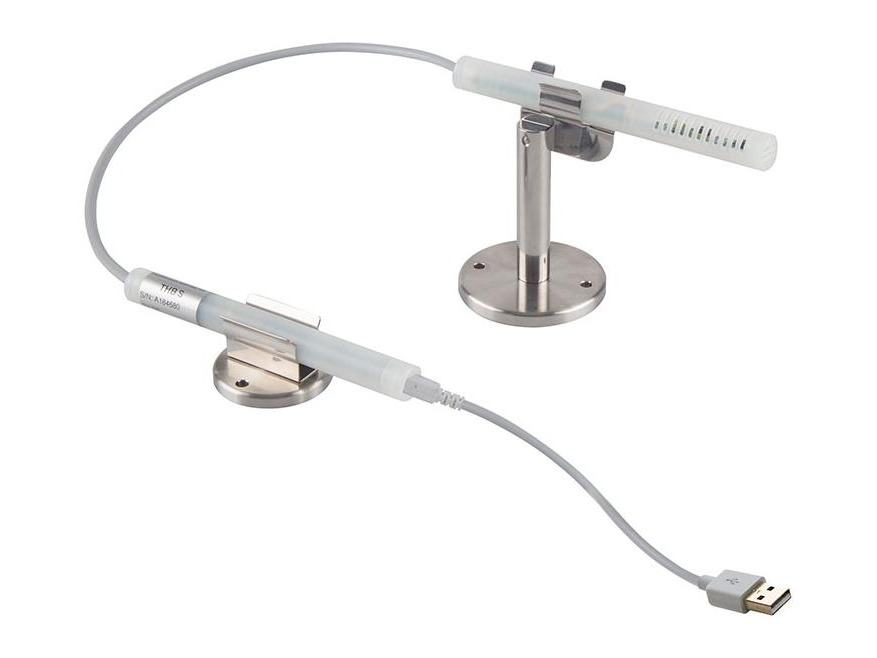
Sistema THBR 2.0
Compatibilidade com o Sistema THBR 2.0 para monitoramento das condições ambientai.
Wi-Fi® é uma marca registrada da Wi-Fi Alliance®.
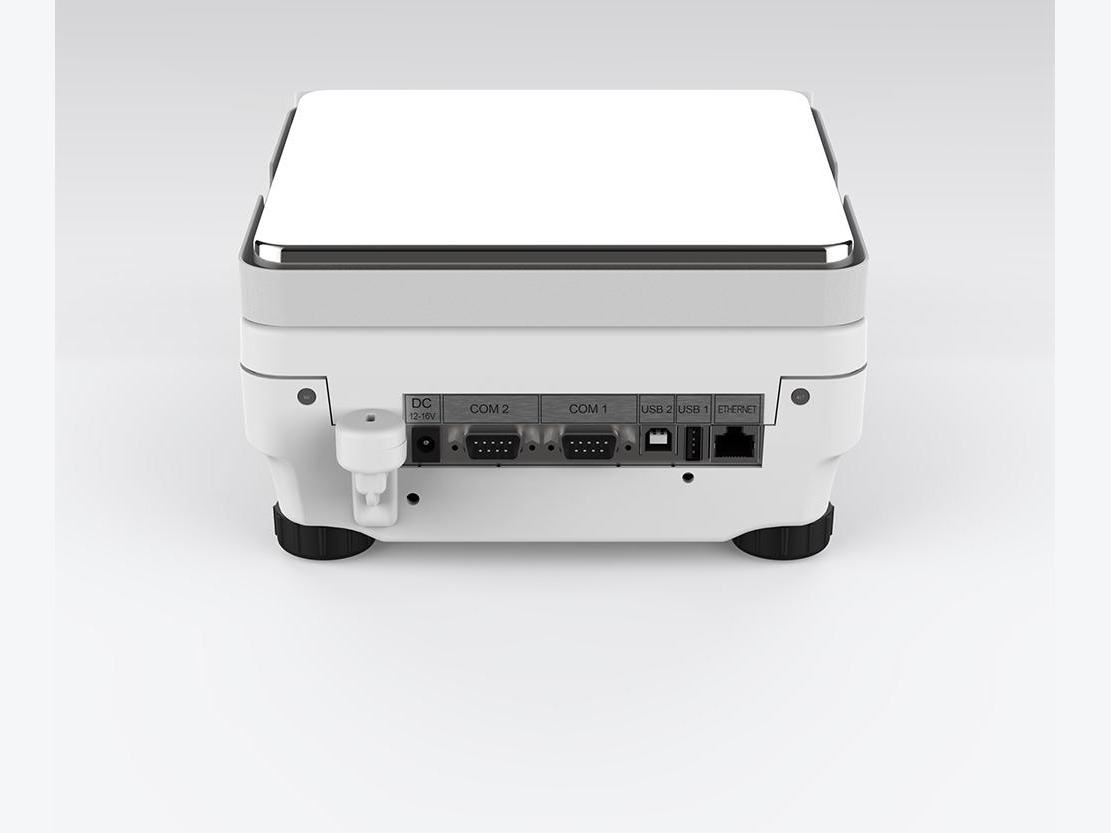
| Capacidade máxima [máx] | 3500 g |
|---|---|
| Carga mínima | 500 mg |
| Resolução [d] | 10 mg |
| Unidade de verificação [e] | 100 mg |
| Faixa de tara | -3500 g |
| Peso mínimo (USP) | 10 g |
| Peso mínimo (U=1%, k=2) | 1 g |
| Repetibilidade padrão [Máx.] | 8 mg |
| Repetibilidade padrão [5% máx.] | 5 mg |
| Linearidade | ±20 mg |
| Tempo de estabilização | 1,5 s |
| Ajuste | interna (automática) |
| Classe OIML | II |
| Sistema de nivelamento | manual |
|---|---|
| Display | 7″ gráfico colorida tela touchscreen |
| Escopo de entrega | Balança, prato de pesagem, protetor até prato de pesagem, fonte de alimentação |
| Dimensões até prato de pesagem | 195×195 mm |
| Dimensões da embalagem L x P x A | 490×400×520 mm |
| Peso líquido | 5,4 kg |
| Peso bruto | 7,6 kg |
| Classe de proteção | IP 43 |
|---|
| Capacidade até banco de dados | Produtos, Usuários, Embalagem, Clientes, Formulações, Relatórios de formulações, Condições Ambientais, Pesagem, Memória Alibi |
|---|---|
| Operação sem toque | 2 Sensores IR |
| Interface de comunicação | 2×RS232¹, USB-A, USB-B, Ethernet, Wi-Fi ® |
|---|
| Fonte de alimentação | Adaptador: 100 – 240V AC 50/60Hz 0.6A Max; 12V DC 1,2A Balança: 12 – 15V DC 0,9A max; 4 – 8W* |
|---|---|
| Consumo de energia | 4 W |
| Temperatura de operação | +10 – +40 °C |
|---|---|
| Monitoramento das condições ambientais (opcional) | THBR 2.0 System, THBR BOX, THB P, THB W, THB S |
| Umidade relativa | 40% – 80% |
Diagnostic function aiming at metrological parameters determination (repeatability), the parameters are determined for the actual conditions of use. When speaking of repeatability it may be also used for weighing time optimization. Autotest is operated in an automatic mode thus operator’s time is saved.
Weighing process for which reference mass has been determined together with tolerance for its determination. Dosing tolerance is given in [%] and it is calculated in relation to the reference value thus being a permissible deviation of this process. This solution is used for weighing powders, liquids and loose materials. Dosing function performance is often supported with bargraph - load indicator. For industrial scales it is possible to use a control systems of dosing process.
Control of sample's mass carried out with reference to specified MIN and MAX thresholds. The weight is considered to be correct if it is comprised within threshold values. A graphic visualisation of weighing result is displayed in a form of a bar graph.
Percent Weighing function is used for comparision of measured products with mass standard. Mass of a mass standard may be a numeric value taken from a database or it may be determined through a measurement process. Each measured product is compared to mass standard, mass of which is presumed as a model 100% ideal mass. For products weighing less than the mass standard, obtained results are lower than 100%, for products weighing more, the obtained results are greatly exceeded.
Function using mass measurement for determination of measured items quantity. Mass of a single item is required for this process. It may be either estimated through weighment or taken from a database. For items counting the following algorithm is used: all items mass / single item mass = quantity. Function operation is supperted by a mechanism of Automatic Correction of Accuracy. This allows to update single item mass in course of the process. To a certain extend Automatic Correction of Accuracy eliminates error which may be a result of different mass values of seemingly alike single elements. For industry solutions items counting may be simultaneously carried out with checkweighing and dosing thus industry solutions feature audio signalling base informing that specified number of items has been weighed. It is possible to apply weighing systems using few platfroms of different MAX capacities and different accuracies.
Function registering the greatest temporary indication occurring in course of the weighing process. It is most often used in medical scales in order to hold the measurement indication.
Function supporting the mixture making process, wherein the mixture contains various components. Formulation function usually uses the balance/scale database of components. Formulation serves for monitored checkweighing of every single component with a given tolerance. It is enriched with a set of individual settings.
Statistiscs function registers and analyses performed measurements. This supplies the user withthe following information: Max and Min standard deviation, average value, variance, range et.
Checkweighing function is used for checking whether the measured sample mass is within the predefined threshold values, Low [LO] and Hgh [HI]. The thresholds are given in [g] and [kg] units. Current state of a sample being measured is signalled by means of pictorgams located on a display for laboratory balances, for industrial scales Stackligt System is used. This visual +/- inspection is in operation during segregation, control or packing process of products for which mass has bees determined with a specifaied tolerance, eg. 12860 g ± 5 g
Programmable function supporting the weighing process through control of the following options: sliding weighing chamber doors, printout, zeroing, tarring etc. Especially appreciated wherever preventing the balance from soiling is important.
The solution enables weighing with use of a stand, which is advisable for loads of non-standard shapes and dimensions and those that generate magnetic field.
Diagnostic function allowing to objectively document performed measurements. GLP procedures may be either presented in a short report form or extended one.
Process of mass determination for a product which may unwillingly reposition within the weighing pan. Mass determination in such cases requires much longer period of time when compared to typical weighing process. It is the user who defines period of time needed for control of measured product mass. The user can thus optimize the function depending on the measured product characteristics.
Liquid or solid body density function uses the Archimedes principle and it requires a special kit to be applied. The kit when used, replaces a weighing pan. For solids mass of the sample must be determined first in the air, next in the liquid of specified density. For liquids the so called sinker, density of which has been determined, must be measured first in the air, next in the tested liquid. The density determination process is disturbed by air bubbles which may stick either to the measured sample or the sinker. In case of laboratory equipment very light solids may be measured. For industry, solid bodies density may be determined by means of under-pan weighing. Tested load of significant size may be measured this way.
The possibility of cooperation with the THBR 2.0 system
Weight function to change the weight unit.
Statistical control for determination of basic statistical criteria: maximum, minimum, standard deviation, mean values for each batch, etc.
"ALIBI" memory enables saving and storing up to 100000 measurements. Measurements are saved automatically upon each pressing of the key. There is no need for any additional operations or changing settings.
The following data related with the measurements is saved: measurement date; measurement time; result (mass); tare value; operator carrying out the measurement (logged in); product name.
The software saves the measurement in a so called loop, i.e. when the measurement no. 100001 is saved, the measurement 1 gets automatically deleted from the memory.
Measurements saved to balance memory cannot be deleted.
You can preview and print out the data saved to the ALIBI database.
'Mass value for a titrator' working mode enables establishing connection between the weighing device and a titrator. The titrator receives information about the quantity of dispensed mass, and the weighing instrument receives a signal to start subsequent weighing.
Thanks to wireless communication between the computer and a balance, it is possible to use a balance inside a laminar flow hood and a fume cupboard.
A mesa foi projetada para eliminar vibrações do solo durante a operação de equipamentos de laboratório, como microbalanças, balanças analíticas e…
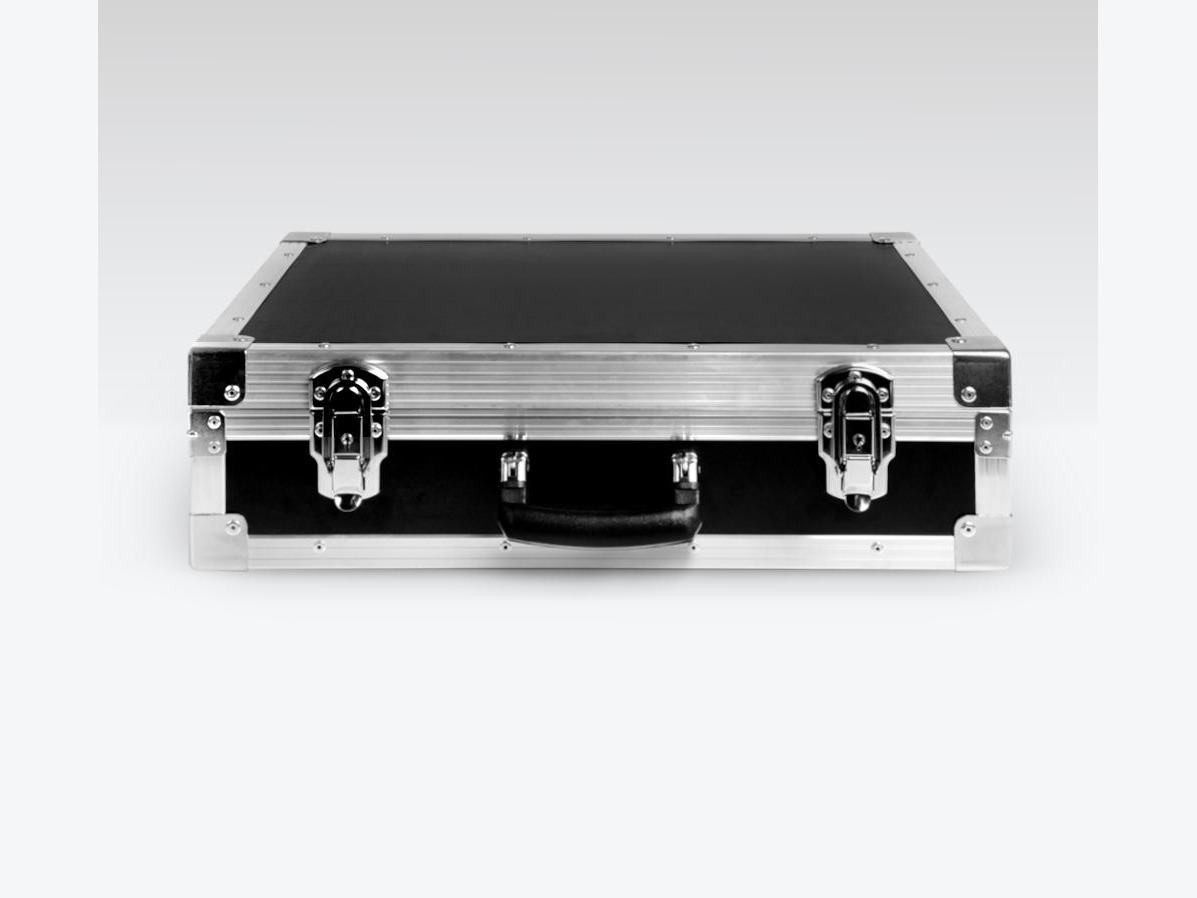
A maleta foi projetada para o transporte seguro de balanças PS.R, PS.X7.M, WLC.X7, WLC.A1 e WLC.A2. É feita de compensado de 6 mm de espessura…
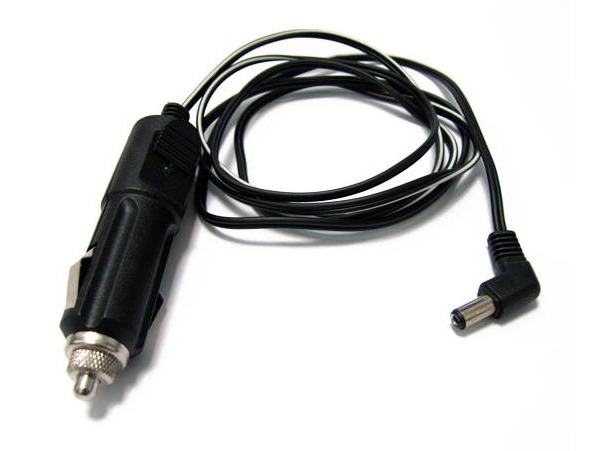
Cabo com conector para conexão no acendedor de cigarros 12V (PUE C315).
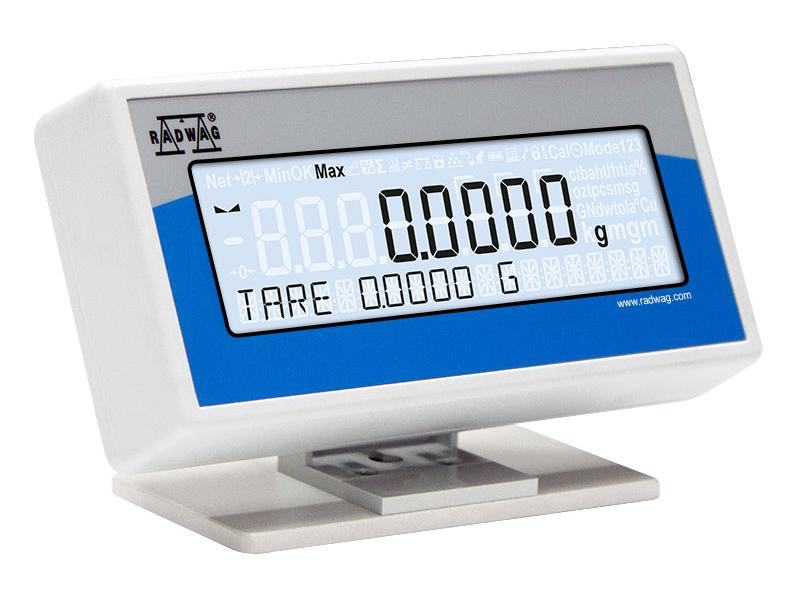
Visor LCD adicional em estrutura plástica e suporte. O visor permite a apresentação do resultado da pesagem em local distante do local de trabalho da…

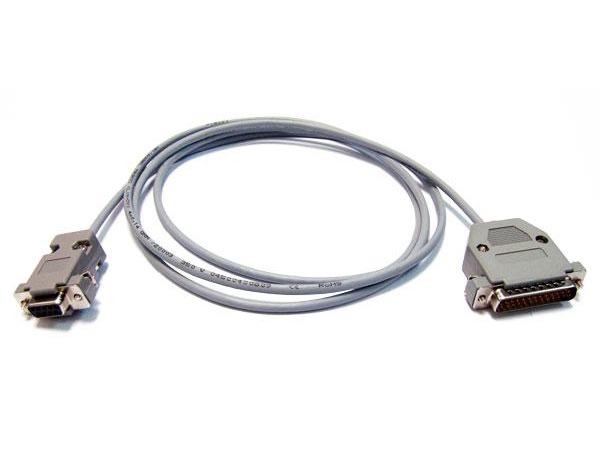
O Módulo de Conformidade com a CFR 21 Parte 11 é uma solução especialmente útil para usuários que são obrigados a cumprir as disposições da CFR 21…
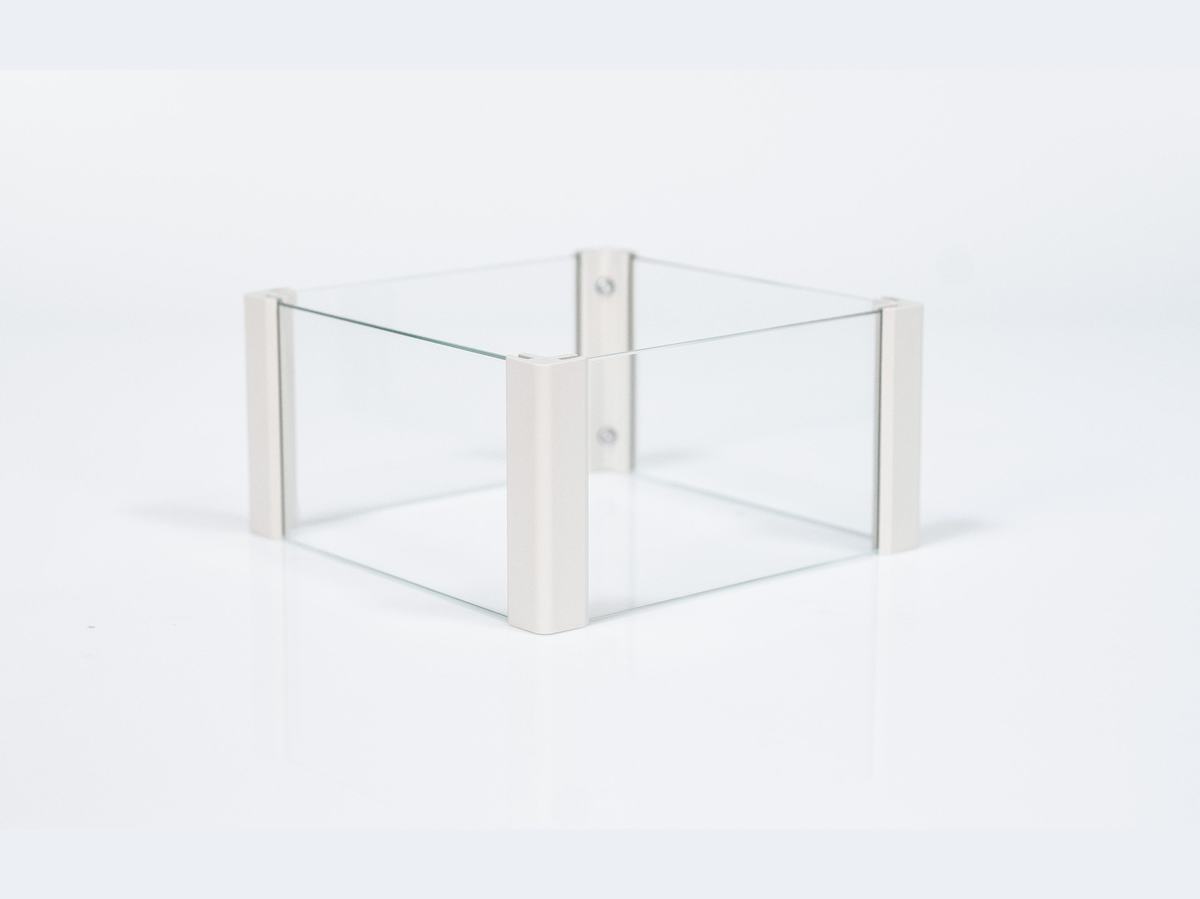
Protetor de vento em vidro para balanças de precisão com prato de pesagem de 128 x 128. Projetado para proteger a balança da influência de condições…
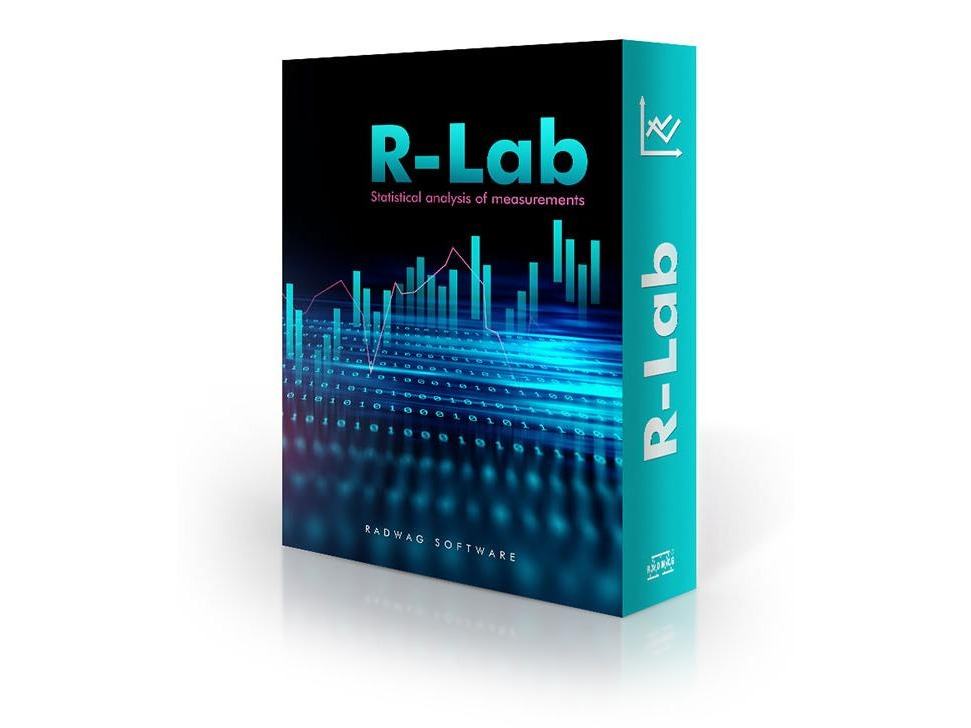
Permite coletar, apresentar e realizar análises estatísticas de medições enviadas das balanças RADWAG para um computador. O software opera com no…
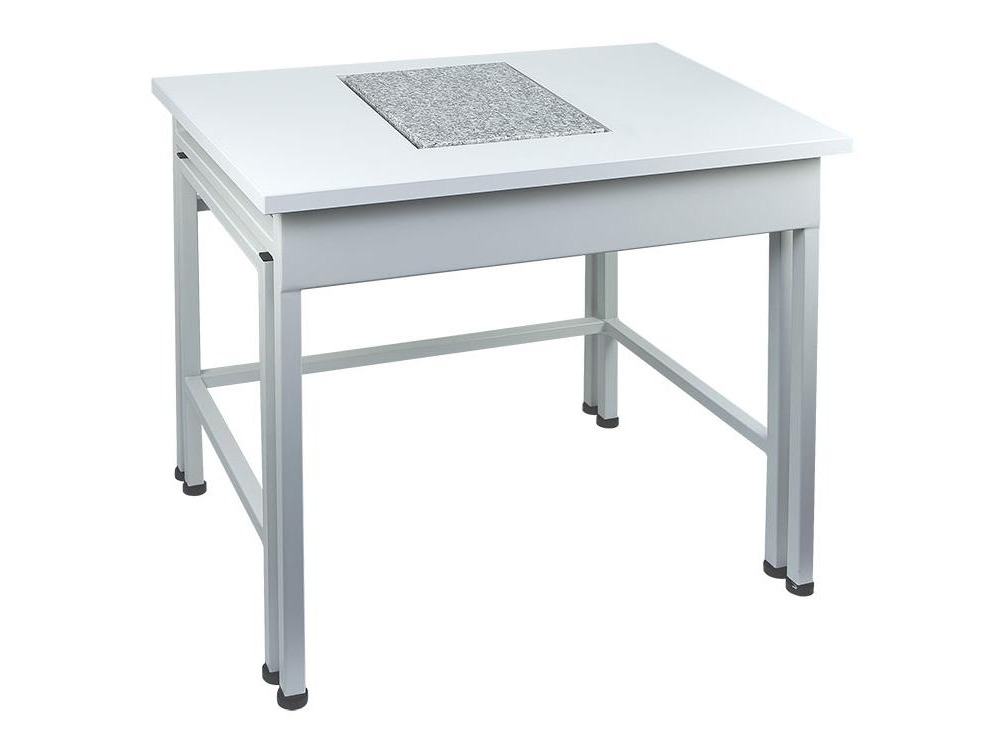
A mesa antivibração foi projetada para eliminar vibrações do solo durante a operação de equipamentos de laboratório, como microbalanças, balanças…
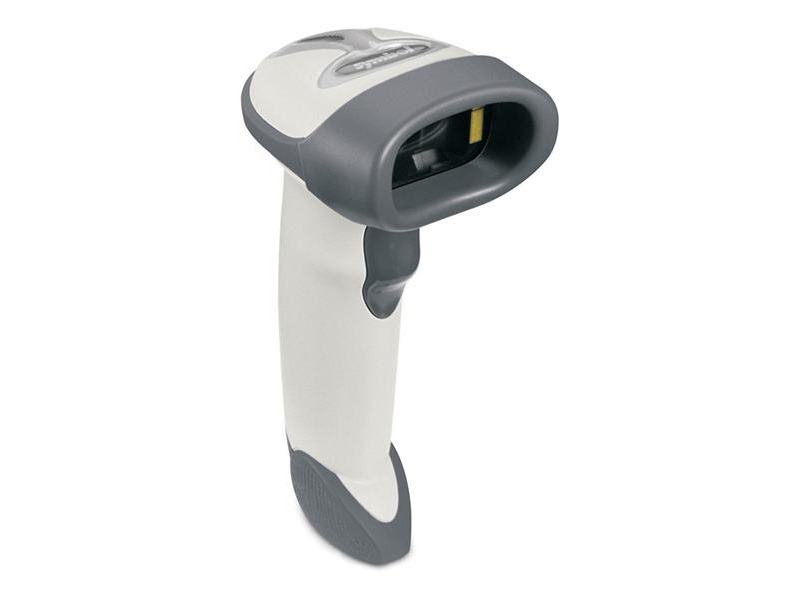
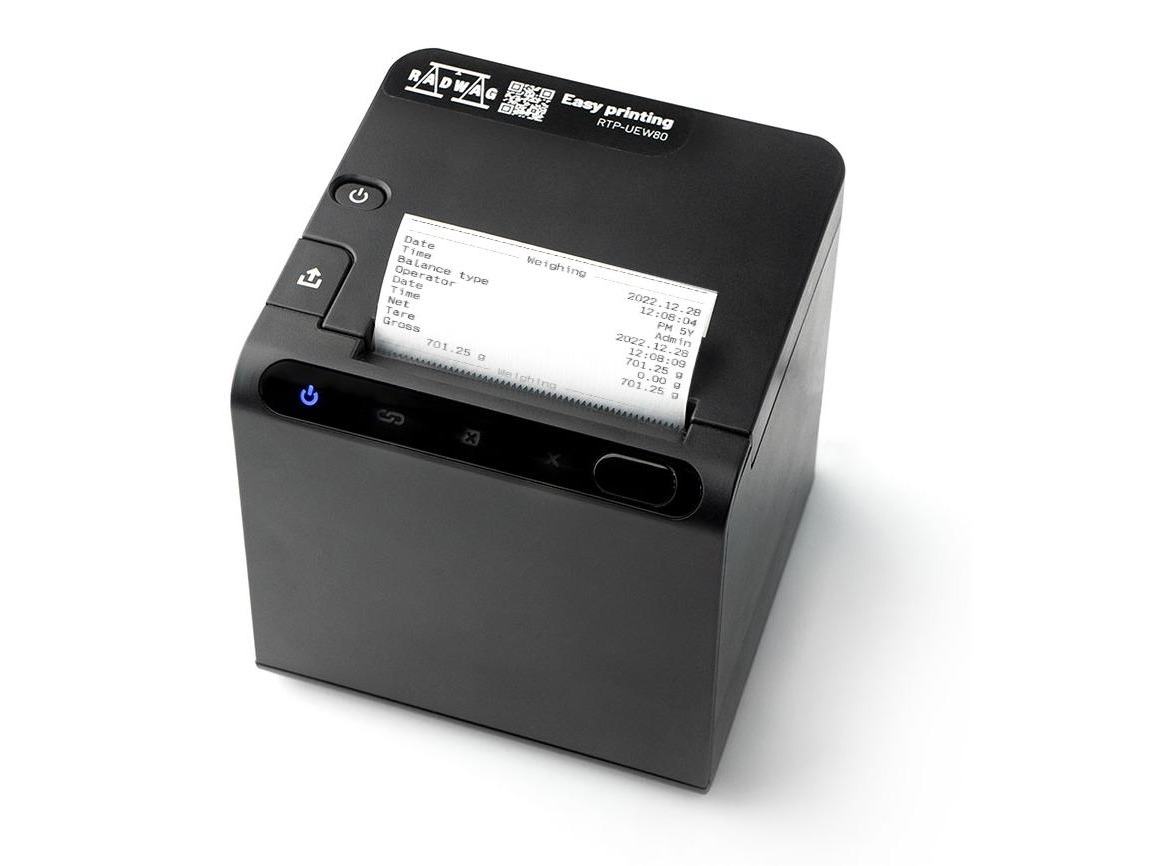
A RADWAG RTP-RU80 é uma moderna impressora de recibos desenvolvida para trabalhar em conjunto com balanças laboratoriais e industriais. Equipada com…
Instrumentos para cotar
Ainda não há instrumentos. É possível escrever mesmo assim: um especialista responde.