

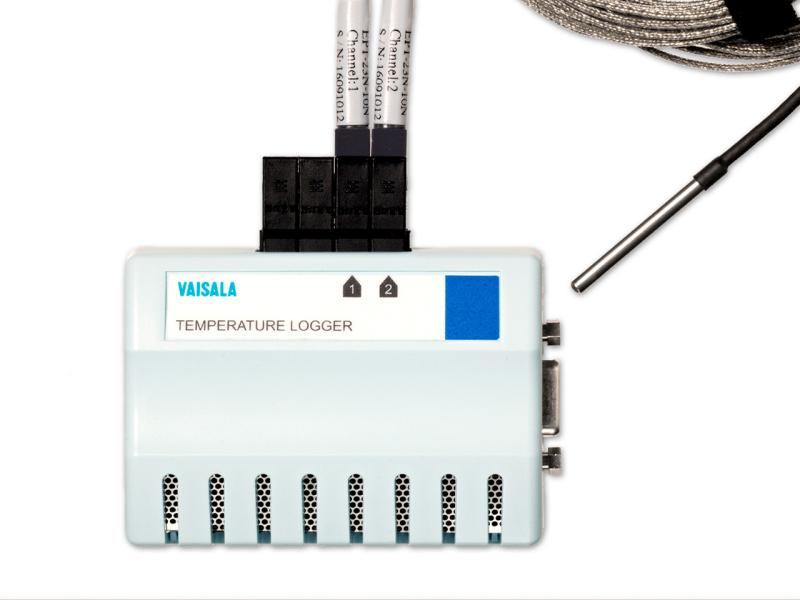
Registrador de Temperatura DL1000-1400
para control y mapeo de temperatura exigentes
Nota técnica
Recently, I received a question from an attendee of our webinar "Mastering Temperature Mapping."
Dear Paul,
For small chambers (upright freezers or incubators), we qualify the unit with empty and max load studies. To meet the minimum requirement, we place 10 temperature sensors within the chamber—one in each corner, one in the center, and one near the control probe.
But, do we need to redo the max load study if the shelf configuration inside the chamber changes, for example, changing from five shelves to four?”
My short answer is... maybe.
The original sensor placement, as described, doesn’t account for the shelves themselves. If the shelves are wire racks, airflow may not be significantly impacted. But it’s not just about the shelves—it’s about the product sitting on those shelves.
Here are a few key questions I would answer in deciding whether to requalify:
Let’s break it down by application.
Freezers generally have wider temperature tolerances and often rely on conduction more than airflow. Most have wire shelves and tend to perform better when more thermal mass is present (i.e., more product). A slight change in shelf configuration is less likely to impact performance significantly.
Incubators, on the other hand, usually have much narrower temperature ranges and rely heavily on airflow for thermal uniformity. They often have solid shelves, which can restrict that airflow, making shelf placement and loading patterns more critical. Any change in configuration or loading could affect performance and may warrant requalification.
This question is a good one—and it merits investigation, particularly for incubators. Before launching into re-mapping, I would evaluate whether the changes affect load distribution, airflow, or thermal uniformity. Start by reviewing your risk assessment and qualification rationale, and look closely at how the equipment operates under the new configuration.
para control y mapeo de temperatura exigentes
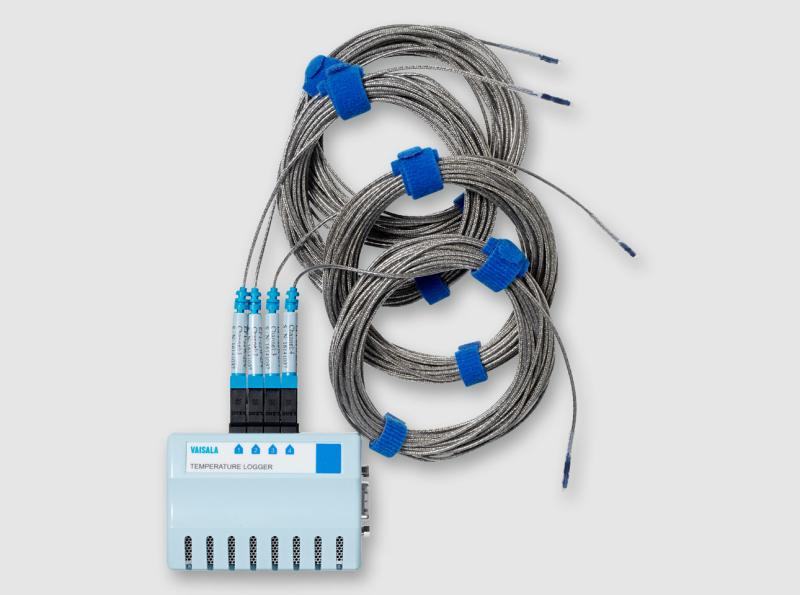
para monitoreo de temperatura de amplio rango
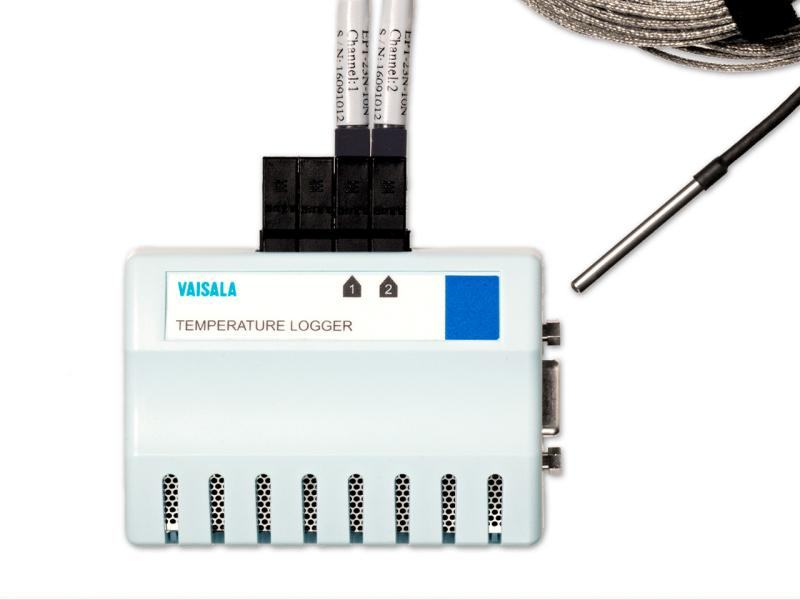
para control y mapeo de temperatura exigentes
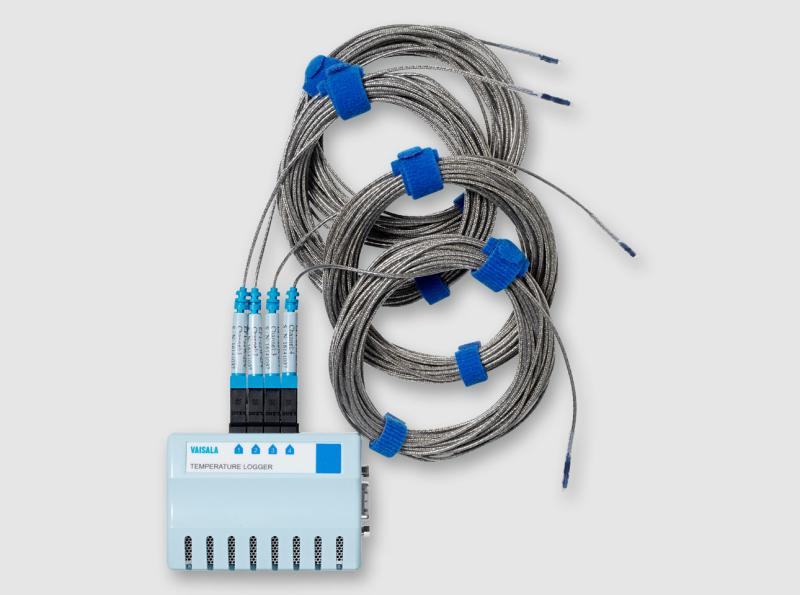
para monitoreo de temperatura de amplio rango
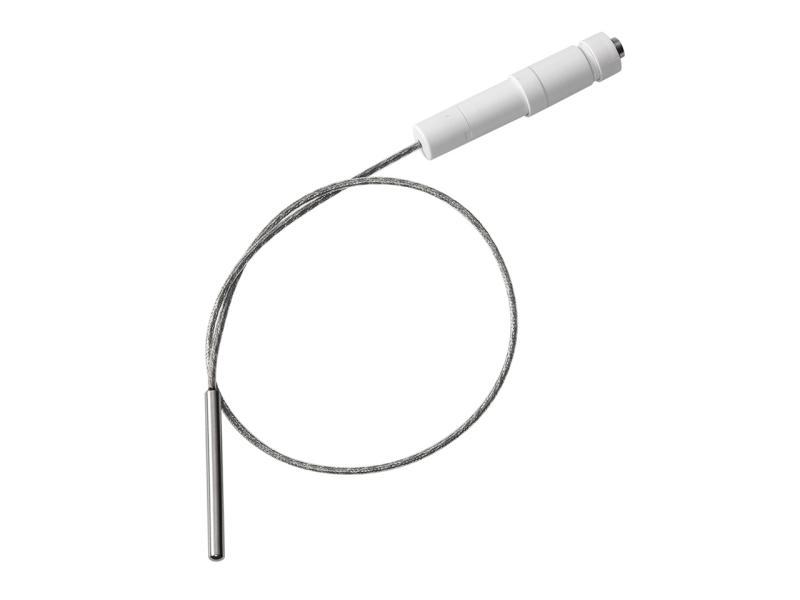
Para ambientes controlados de temperaturas exigentes

Upper air soundings provide the crucial data necessary for a complete atmospheric weather profile that leads to accurate forecasting. However…

La Punto de Rocío y Temperatura DMP5 Vaisala DRYCAP® está diseñada para la medición de humedad en línea en aplicaciones de secado industrial con…

El Dr. Lauri Reuter es una experta en el futuro de los alimentos y la persona a quien preguntar si alguna vez te has preguntado qué vamos a comer en…

Las empresas industriales continúan tomando medidas para minimizar sus emisiones de carbono. Muchos están reduciendo el uso de combustibles fósiles y…

En el proceso de caustificación, los químicos pasivos se convierten en químicos de cocina activos para producir licor blanco. Se utiliza en el…
Un especialista responde con la solución, el instrumento y el servicio que corresponden.
Productos para cotizar
Todavía no hay productos. Se puede escribir igual: un especialista responde.