

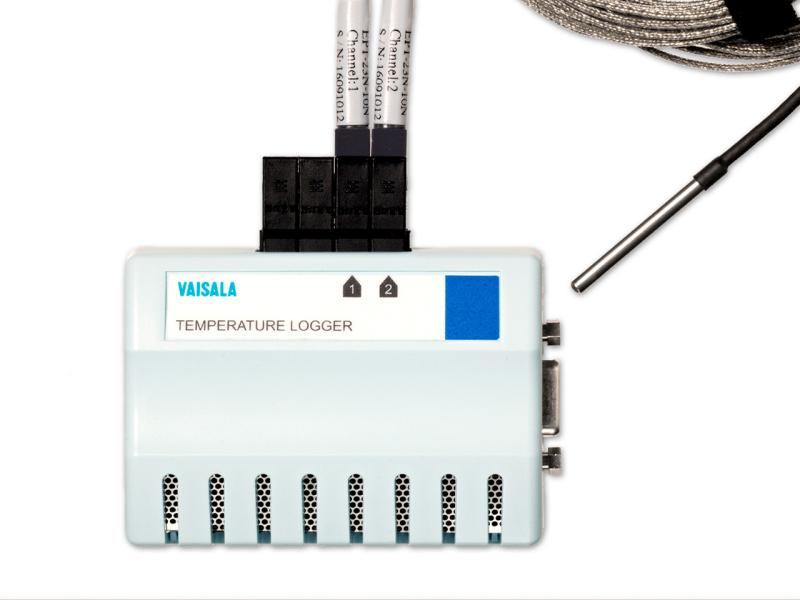
Logger de temperatura DL1000-1400
para mapeamento e monitoramento de temperatura exigentes
Nota técnica
Recently, I received a question from an attendee of our webinar "Mastering Temperature Mapping."
Dear Paul,
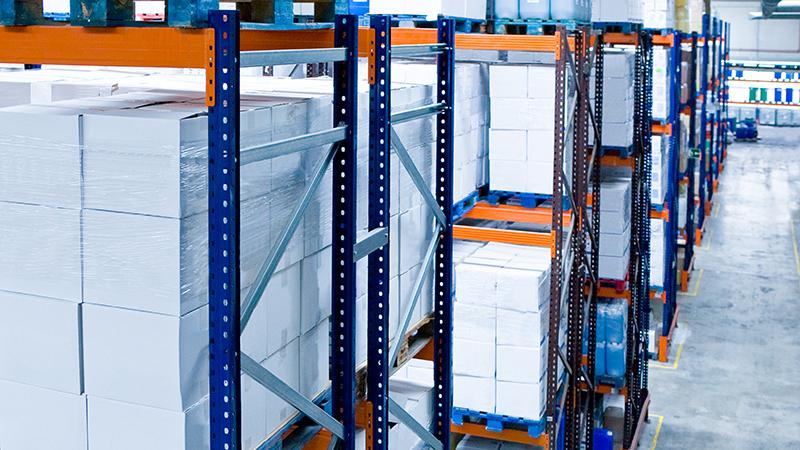
For small chambers (upright freezers or incubators), we qualify the unit with empty and max load studies. To meet the minimum requirement, we place 10 temperature sensors within the chamber—one in each corner, one in the center, and one near the control probe.
But, do we need to redo the max load study if the shelf configuration inside the chamber changes, for example, changing from five shelves to four?”
My short answer is... maybe.
The original sensor placement, as described, doesn’t account for the shelves themselves. If the shelves are wire racks, airflow may not be significantly impacted. But it’s not just about the shelves—it’s about the product sitting on those shelves.
Here are a few key questions I would answer in deciding whether to requalify:
Let’s break it down by application.
Freezers generally have wider temperature tolerances and often rely on conduction more than airflow. Most have wire shelves and tend to perform better when more thermal mass is present (i.e., more product). A slight change in shelf configuration is less likely to impact performance significantly.
Incubators, on the other hand, usually have much narrower temperature ranges and rely heavily on airflow for thermal uniformity. They often have solid shelves, which can restrict that airflow, making shelf placement and loading patterns more critical. Any change in configuration or loading could affect performance and may warrant requalification.
This question is a good one—and it merits investigation, particularly for incubators. Before launching into re-mapping, I would evaluate whether the changes affect load distribution, airflow, or thermal uniformity. Start by reviewing your risk assessment and qualification rationale, and look closely at how the equipment operates under the new configuration.
para mapeamento e monitoramento de temperatura exigentes
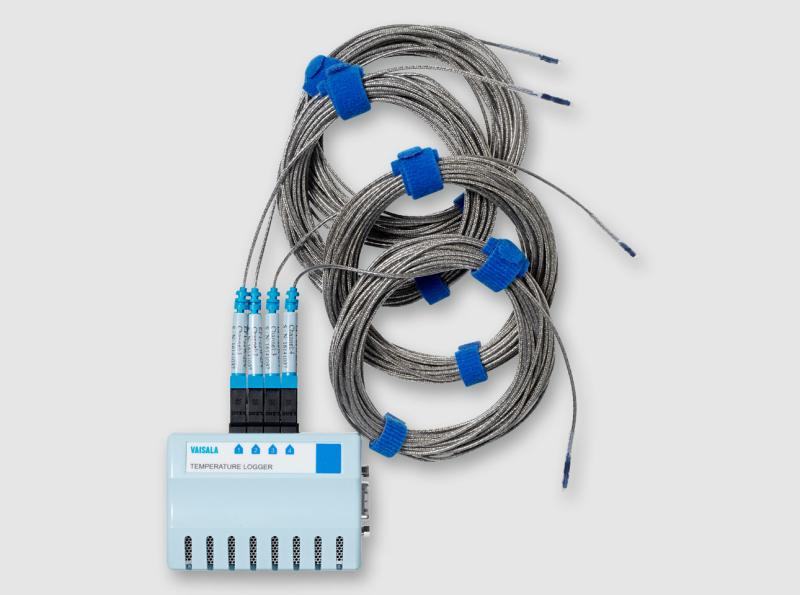
para monitoramento de amplas faixas de temperaturas
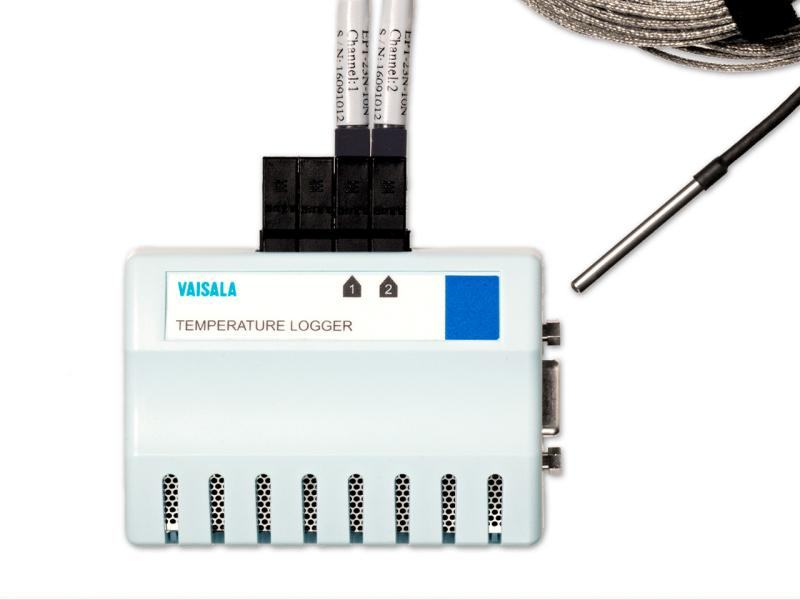
para mapeamento e monitoramento de temperatura exigentes
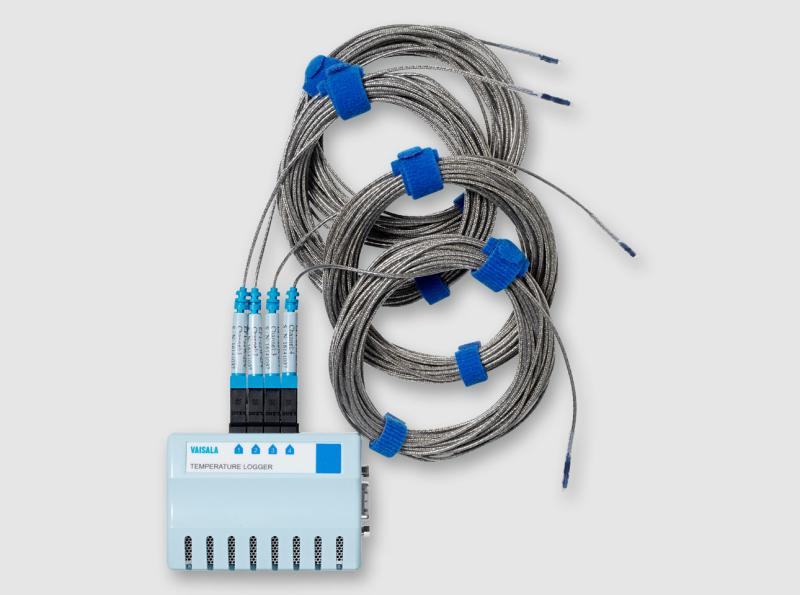
para monitoramento de amplas faixas de temperaturas
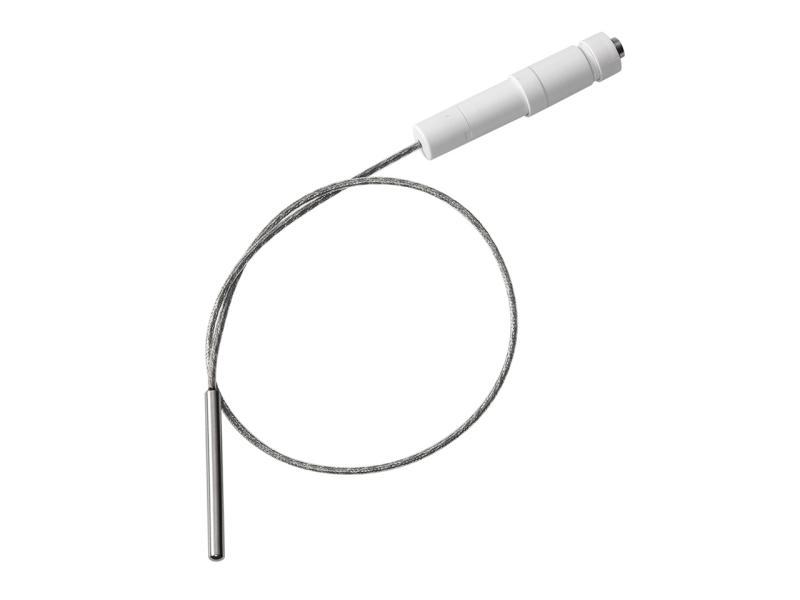
Para ambientes exigentes com controle de temperatura
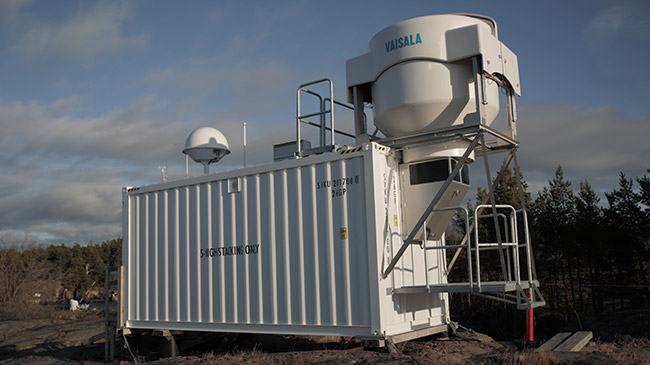
Upper air soundings provide the crucial data necessary for a complete atmospheric weather profile that leads to accurate forecasting. However…

A sonda de temperatura e ponto de orvalho DMP5 Vaisala DRYCAP® foi desenvolvida para medição de umidade em linha em aplicações de secagem industrial…

Lauri Reuter é um especialista no futuro da alimentação e a pessoa certa para perguntar se você já se perguntou o que comeremos no futuro e como toda…

As empresas industriais continuam a tomar medidas para minimizar as suas emissões de carbono. Muitos estão a reduzir a utilização de combustíveis…

No processo de caustificação, os produtos químicos passivos são convertidos em produtos químicos ativos para cozinhar para produzir licor branco…
Um especialista responde com a solução, o instrumento e o serviço adequados.
Produtos para cotar
Ainda não há produtos. É possível escrever mesmo assim: um especialista responde.