


Resaltando la belleza de la madera: secado de chapa con control de humedad
La Punto de Rocío y Temperatura DMP5 Vaisala DRYCAP® está diseñada para la medición de humedad en línea en aplicaciones de secado industrial con…
Nota técnica
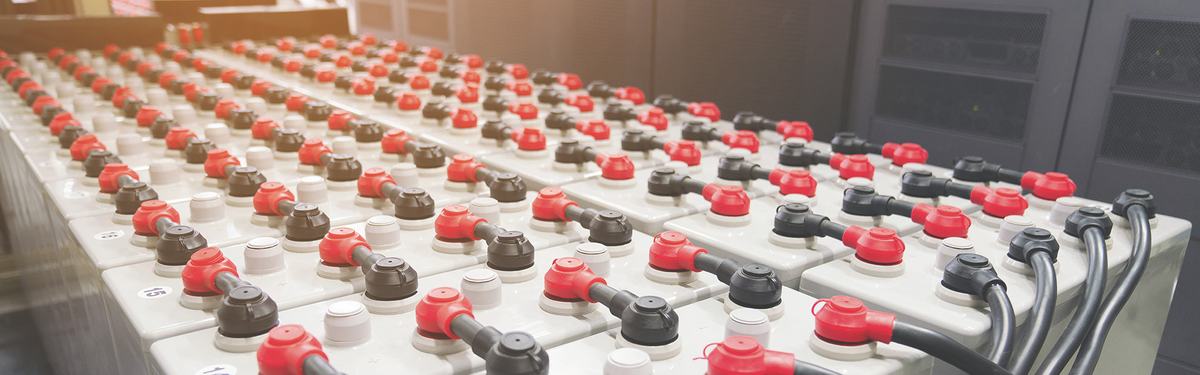
Lithium-ion batteries become central element of modern energy infrastructure, particularly in such applications as:
• Battery energy storage systems (BESS)
• Data centers and UPS rooms
• EV charging stations
• Battery manufacturing facilities
For this reason, ensuring their safe operation is more critical than ever.
Among the most serious risks are battery thermal runaway and off-gassing. These are failure mechanisms that can escalate rapidly and lead to fires and explosions.
Understanding how these events occur, what causes them, and how they can be detected at the earliest possible stage is essential for designing effective safety strategies and protecting people and facilities.
Thermal runaway is a self-accelerating failure process in which an increase in battery temperature triggers internal reactions that generate even more heat. Once initiated, thermal runaway can escalate rapidly, leading to cell venting, fire, or explosion.
In lithium-ion batteries, thermal runaway typically begins at the cell level, but can propagate to modules, racks, and entire containers if not detected and mitigated early.
Thermal runaway does not occur spontaneously, it is initiated by specific abuse or fault conditions.
The most common causes include:
• Electrical abuse (overcharging, over-discharging, internal short circuits caused by manufacturing defects)
• Thermal abuse (inadequate cooling and ventilation, high ambient temperatures)
• Mechanical abuse (transportation or operation damage, improper installation)
• Aging and degradation
• Manufacturing defects
Off-gassing refers to the release of gases from a battery cell due to overheating, decomposition of internal materials, or venting during failure. Off-gassing can occur well before ignition, making it one of the earliest indicators of a thermal runaway event.
In addition, such gases can accumulate rapidly, creating a serious hazard.
During lithium-ion battery off-gassing a complex mixture of flammable, toxic and asphyxiant gases is emitted, including:
Hydrogen (H₂) - colorless, odorless, highly flammable.
Carbon Monoxide (CO) - colorless, odorless, highly toxic for humans (even at low concentrations).
Volatile Organic Compounds (VOCs) - electrolyte vapours which are colorless and can be flammable.
Classic fire detection systems typically rely on smoke, heat and flame detectors.
Due to battery failure detection specifics, such systems may not trigger in the earliest stages of battery failure, and here is why:
No smoke in early stages.
Off-gassing occurs before combustion. At this stage, there may be no smoke, no visible flame, no significant temperature rise in the room. Smoke detectors therefore remain inactive while a dangerous condition is already developing.
Delayed heat release.
Thermal runaway begins inside of a cell. External temperature rise may be minimal initially. Heat detectors respond too late to prevent escalation. By the time heat alarms trigger, multiple cells are already in thermal runaway process.
Flame detection is reactive, not preventive.
Flame detectors only activate after ignition, offering no early warning.
H2, VOC and CO gas detectors play a key role in ensuring safety, as they enable detection of the earliest signs of battery cell failure.
Such detectors need to have RS485 Modbus RTU and relays to communicate with various fire control panels or SCADA systems, allowing timely reaction to potential emergency situations.
When combined with traditional fire alarm systems, gas detectors significantly improve overall safety, reducing the risk of an incident.
La Punto de Rocío y Temperatura DMP5 Vaisala DRYCAP® está diseñada para la medición de humedad en línea en aplicaciones de secado industrial con…

El Dr. Lauri Reuter es una experta en el futuro de los alimentos y la persona a quien preguntar si alguna vez te has preguntado qué vamos a comer en…

Las empresas industriales continúan tomando medidas para minimizar sus emisiones de carbono. Muchos están reduciendo el uso de combustibles fósiles y…

En el proceso de caustificación, los químicos pasivos se convierten en químicos de cocina activos para producir licor blanco. Se utiliza en el…
Un especialista responde con la solución, el instrumento y el servicio que corresponden.
Productos para cotizar
Todavía no hay productos. Se puede escribir igual: un especialista responde.