

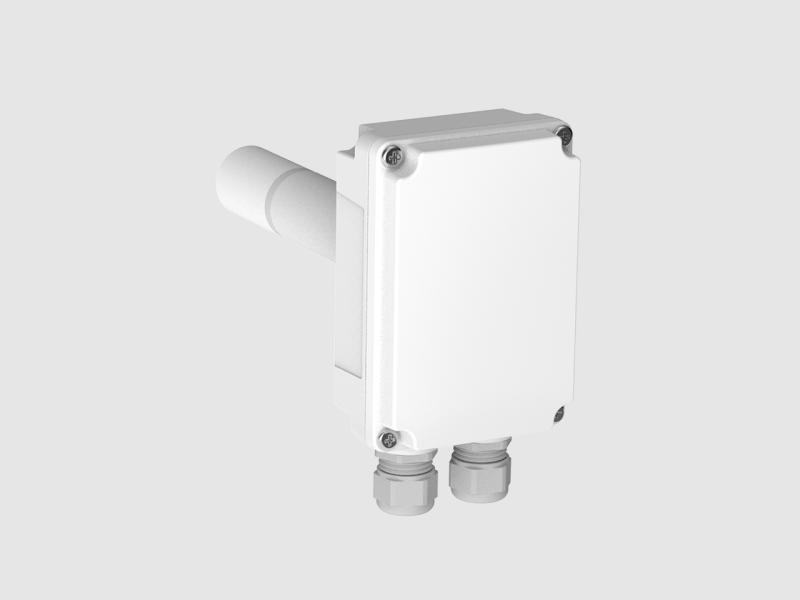
Transmissor de CO2 de duto GMD110
Para medições de alta precisão em aplicações HVAC
Nota de aplicação
Carbon dioxide can be a safety hazard. When CO2 rises, people start feeling tired. Very high concentrations can lead to unconsciousness or even death. Occupations where carbon dioxide can rise to dangerous levels include the brewing and carbonated drinks industries, as well as wineries. It is therefore vital to measure the level of carbon dioxide in every place where there is a risk of CO2 build-up or leakage.
Most countries have set workplace exposure limits for CO2. For instance, in the United States, OSHA’s (Occupational Safety & Health Administration, U.S. Department of Labor) general exposure limit of CO2 to not exceed 5,000 ppm during an eight hour working shift.
Carbon dioxide safety measurement is especially needed in beverage production, because the fermentation tanks have pressure relief valves. If the pressure in the tanks builds up too high, the gas will exit through these valves. There is also a risk that gas can leak from the tanks or pipelines.
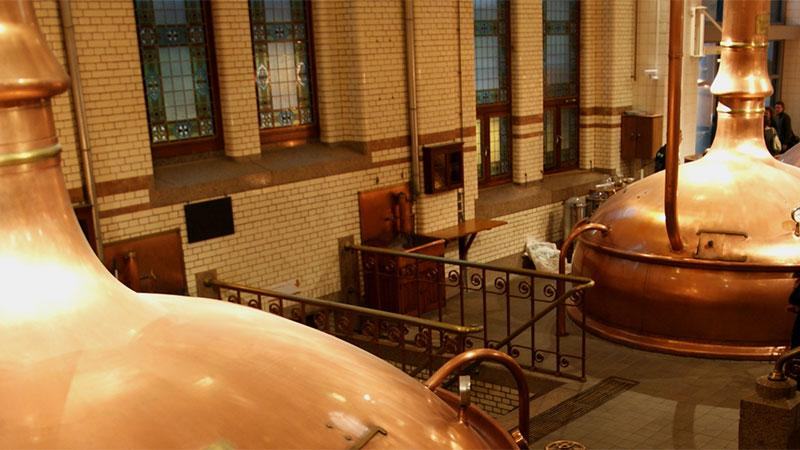
Carbon dioxide is generated as a natural process of fermentation and is found in most brewing tanks and around filler machines, packaging and closer areas. Excessive levels of carbon dioxide can displace oxygen, causing asphyxiation.
Breweries throughout the world therefore pose unique challenges to employee safety. There are various areas within a brewery where fermentation gases may collect, becoming a hazard to employees.
In some breweries, CO2 is recovered as a by-product of fermentation. It can then be purified and compressed for further use. In beverage production the gas for carbonation is usually delivered by gas suppliers, because it has to be very clean in order not to affect the taste.
Confined spaces are among the most hazardous places in breweries. They include beer storage tanks, brew kettles, vats, sumps, pits and other confined areas where carbon dioxide may be present.
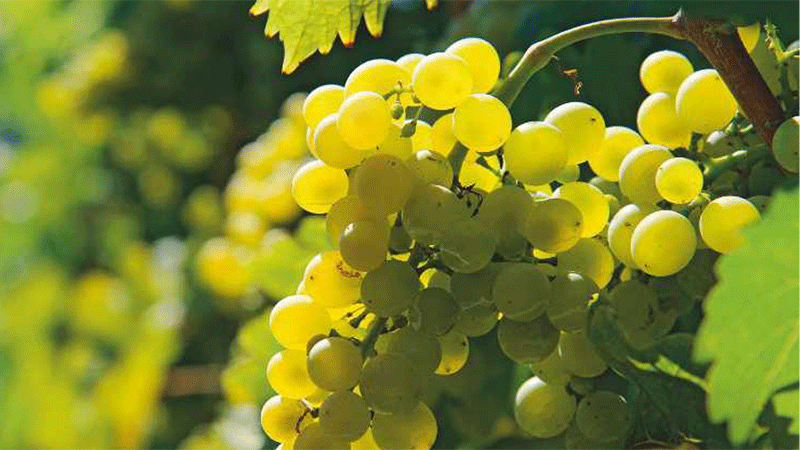
Similar problems arise at wineries. During the fermentation process, wine grape sugar is metabolized by yeast which converts the sugar to water, alcohol and carbon dioxide. During the active fermentation process, concentrations of carbon dioxide within the headspace of a fermenting tank may reach levels approaching 100 % by volume.
From the trucking in and crushing of freshly harvested grapes to the final aging and bottling process, care must be taken to protect people from potential hazards. Areas of concern within wineries include pits, sumps and storage tanks, as well as fermentation rooms, barrel cellars and bottling rooms. Carbon dioxide is one of the main gas hazards.
The dangers posed by this type of CO2 build-up include the displacement of oxygen and the potential asphyxiation of employees, as well as the dangers of being exposed to high concentrations of carbon dioxide for extended periods of time.
In wineries, too, the average exposure limit of CO2 should be kept below 5,000 ppm during an eight hour working shift. In addition, during the active fermentation process, closed buildings should be monitored for carbon dioxide build-up before entering, as concentrations may exceed safe levels.
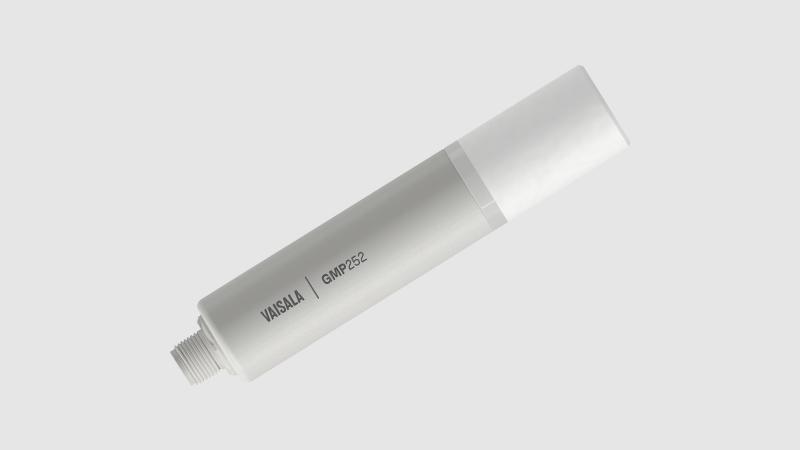
The Vaisala CARBOCAP® Carbon Dioxide Probes GMP251 and GMP252 are intelligent, standalone probes with operating temperature range of -40 ... +60 °C. The GMP251 has a measurement range of 0 ... 20 % CO2 while the GMP252 is intended for ppm ranges and has a measurement range of 0 ... 10 000 ppm CO2.
The probes are easy to mount, while the sensors are accurate and durable. They have excellent longterm stability which will reduce maintenance costs over the years.
The Vaisala sensors enable reliable carbon dioxide detection to comply with the recommended expose limits and ensure the wellbeing of people working in wineries and breweries.
Para medições de alta precisão em aplicações HVAC
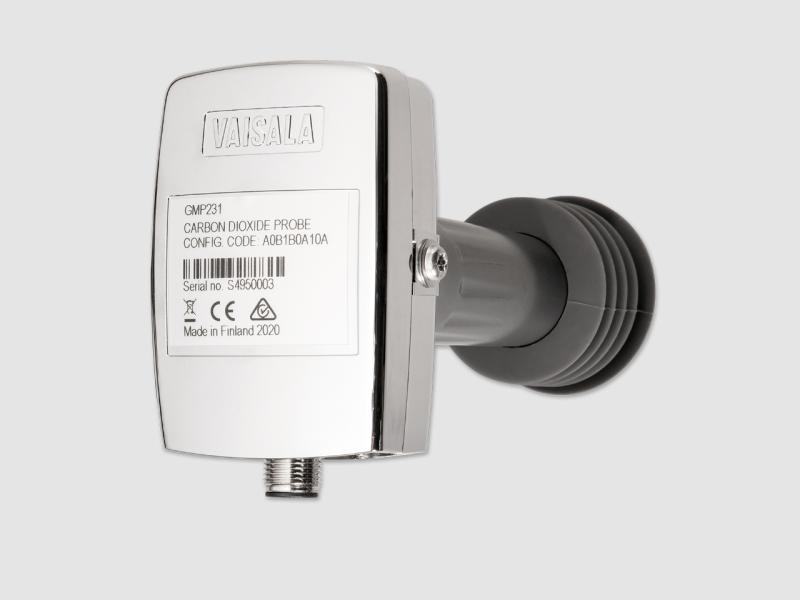
para incubadoras de CO₂
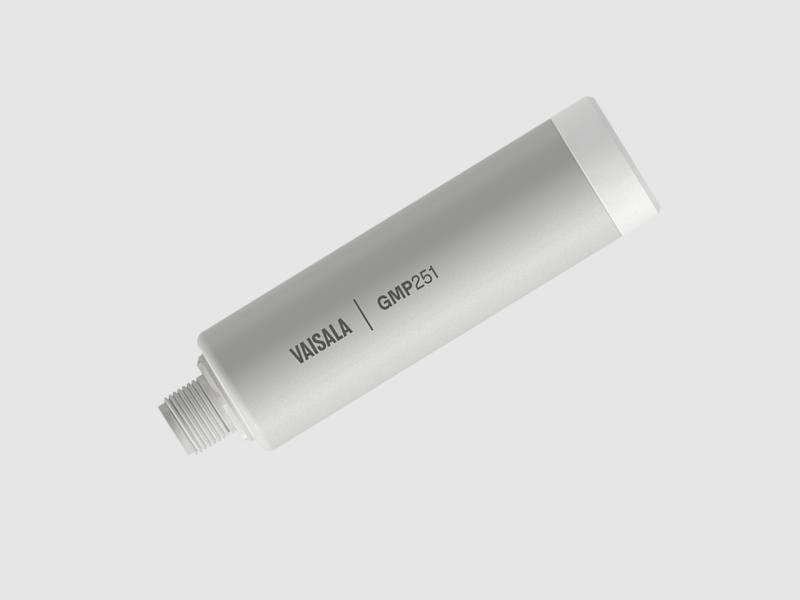
para medições de nível de % em incubadoras de ciências biológicas, câmaras frias e todas as aplicações exigentes
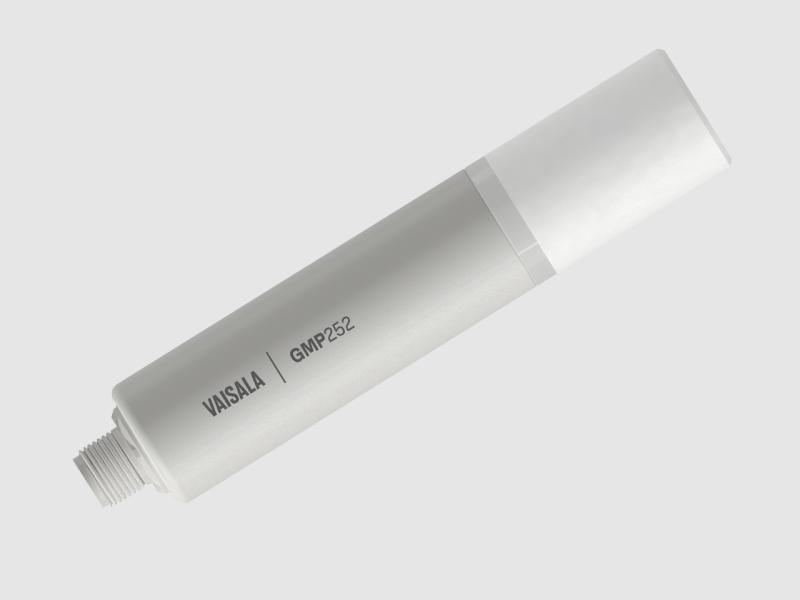
para medições em nível de ppm em agricultura, refrigeração e HVAC exigente
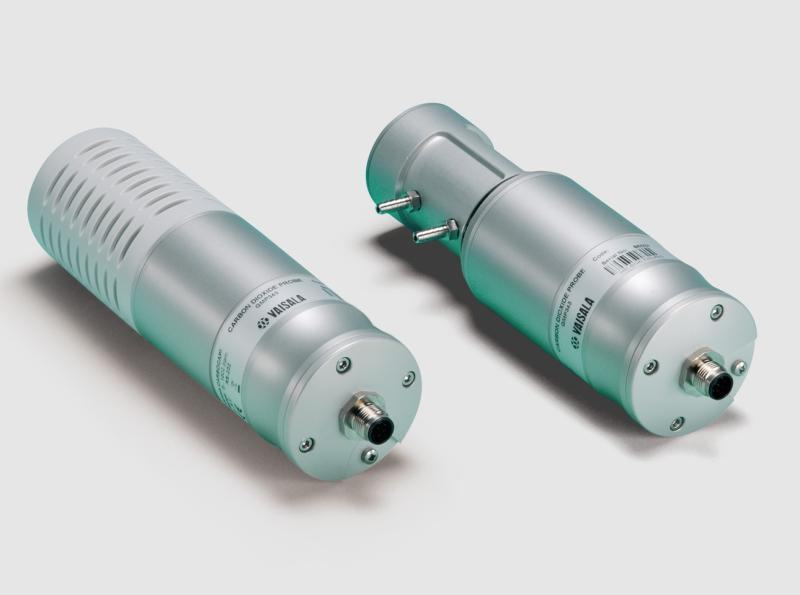
para medições exigentes
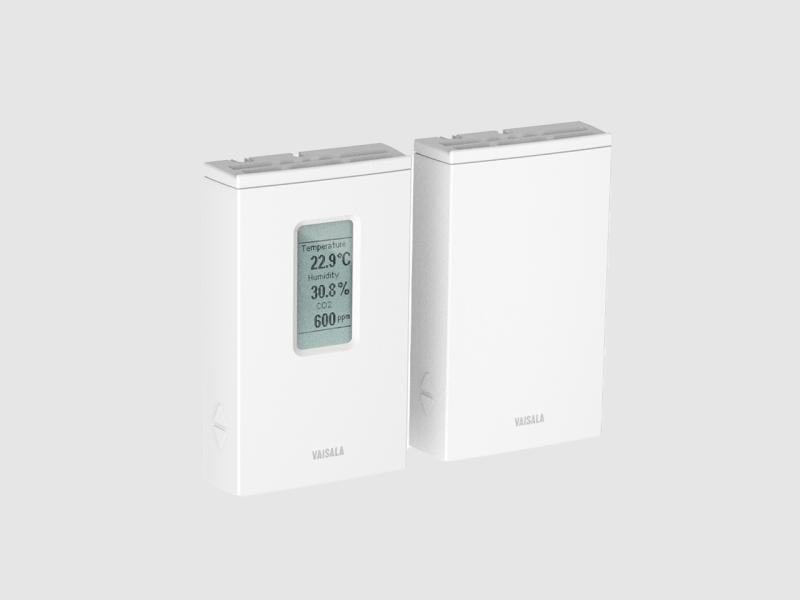
para projetos de construção verde
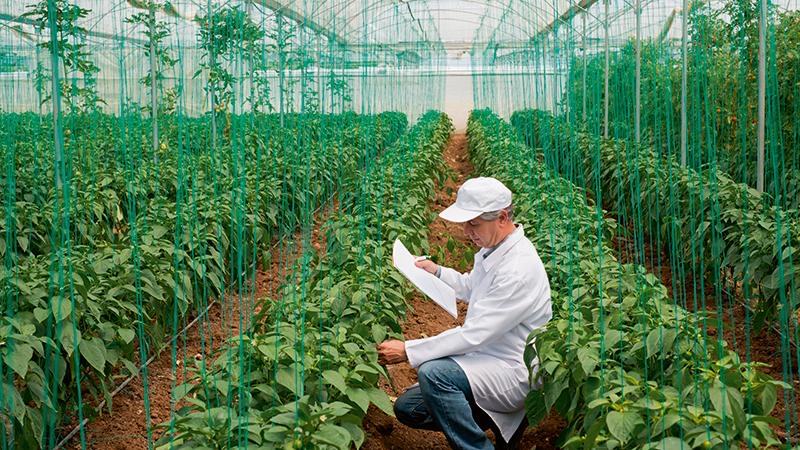
Princípio de funcionamento dos sensores infravermelhos, compensação por temperatura, pressão e umidade, e localização de transmissores.
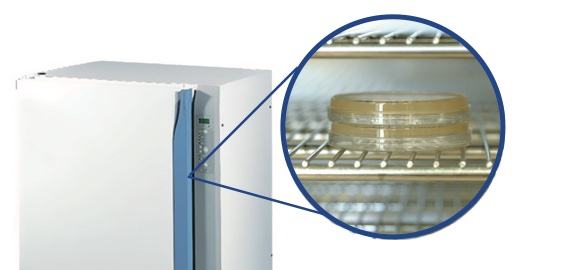
Por que o CO2 é crítico na cultura celular, o risco de condensação ao medir em alta umidade e temperatura, e por que a esterilização sem remover o…
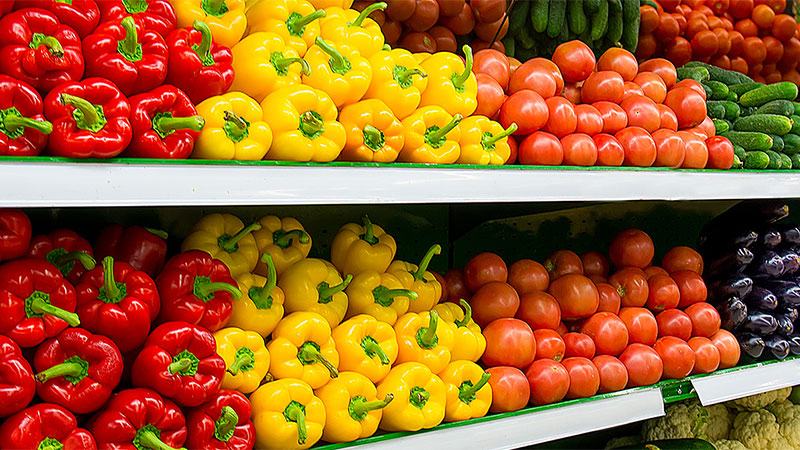
Por que o O2 é reduzido e o CO2 é elevado em câmaras de atmosfera controlada, e quais instrumentos toleram o frio e a umidade elevada desse ambiente.

O que é a amostragem por equilíbrio, por que o aquecimento do sensor pode alterar a medição em campo, e qual faixa é necessária para perfis profundos…
Um especialista responde com a solução, o instrumento e o serviço adequados.
Instrumentos para cotar
Ainda não há instrumentos. É possível escrever mesmo assim: um especialista responde.