


Medidor de ponto de orvalho DMT132
para secadores refrigerantes
Nota de aplicação
Sampling is needed when direct measurement of the air is undesirable or is simply not feasible. This may be due to a high process temperature, the need to protect the sensor from water spikes, the added convenience of installing and removing the instrument from a pressurized process without shutting down the line or wanting to make the measurement in a more convenient location.
To get a representative sample of the process gas and avoid potential sources of error caused by incorrect sampling practices, the following aspects should be considered.
» Visit vaisala.com/compressedair for more information about the products.
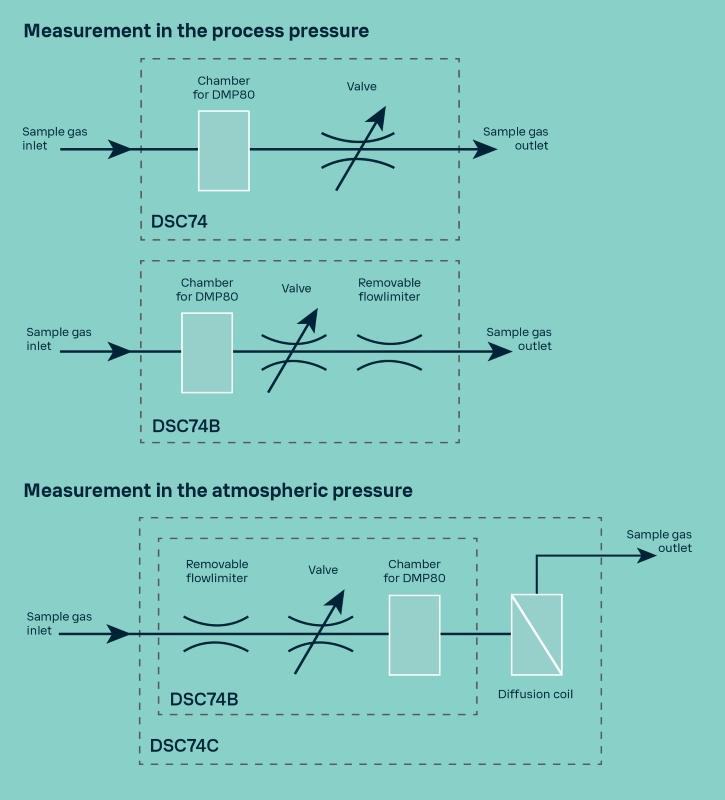
» See technical note Dewpoint sampling cells for DRYCAP® products for details
It is important to keep in mind that changing the gas pressure changes the dew point temperature of the gas. If the sensor is at a different pressure than the process itself, an error of several tens of degrees dew point may be apparent. Generally, the measurement should be taken at the actual system pressure to avoid pressure drops in the sampling system. Exceptions can sometimes be made when standards require reporting the dew point at ambient pressure, thus excluding the effect of pressure fluctuations.
When the need for sampling is due to a high process gas temperature prohibiting direct measurement, it is important to ensure that the dew point level of the process is lower than the ambient temperature to which the sample gas is cooled in the sampling line. This prevents water vapor in the sample from reaching saturation causing liquid water to form in the sample line.
In cases where the dew point is higher than ambient temperature, either a direct measurement or a heated sampling line is required.
Due to the very low level of humidity typically found in compressed air and gas systems, dew point measurements are highly sensitive to even the smallest leaks in the system. Consequently, the importance of having a leak-tight sampling system is critical. All connections should be tight and sealed correctly. For tapered threads like NPT, use of Teflon tape is recommended. For straight thread connections such as G 1/2”, the sealing washer provided with the instrument should be installed between the probe and the sample cell.
Careful consideration should always be given to the sampling system’s material of construction since water vapor diffusion through the pipe or tubing walls can occur. The piping should preferably be made of metal, e.g., stainless steel with a good surface finish. Hygroscopic material such as rubber hose and plastics is undesirable and should be avoided. PTFE or Teflon is one exception that is a rather vapor tight plastic and can be used down to a dew point level of about – 40 °C (-40 °F).
Sample tubing should be as short in length as possible and “dead ends” should be avoided. Also minimizing the number of connections helps in avoiding leaks. If possible, prepare the sampling system for the measurement by purging it with the dry process gas sufficiently to ensure a faster stabilization and response time.
Stagnant air can be a problem for a few reasons:
Using a dew point sensor that is not dependent on flow rate is strongly recommended. Although higher flow rates generally improve the sensor response time, flows of 1-2 l/min (0.035- 0.7 ft3/min) are typically enough for high-quality sensors.
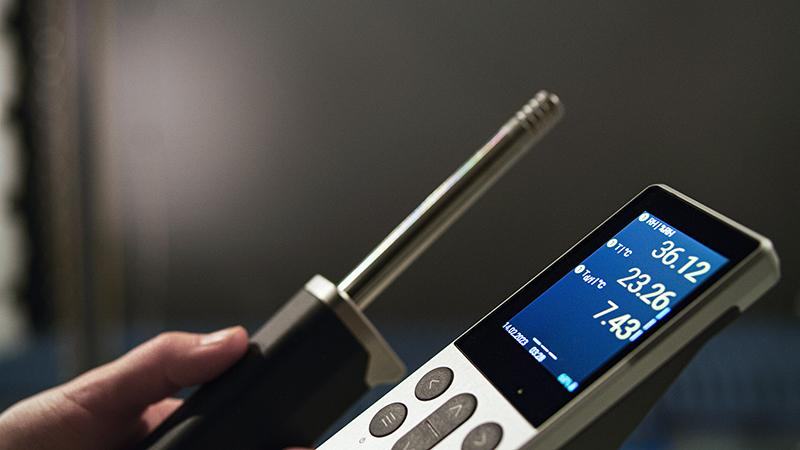
Our sample cells are compatible with several of our dew point measurement instruments that are meant for different purposes:
» See how to spot-check a compressed air system: vaisala.com/compressedair
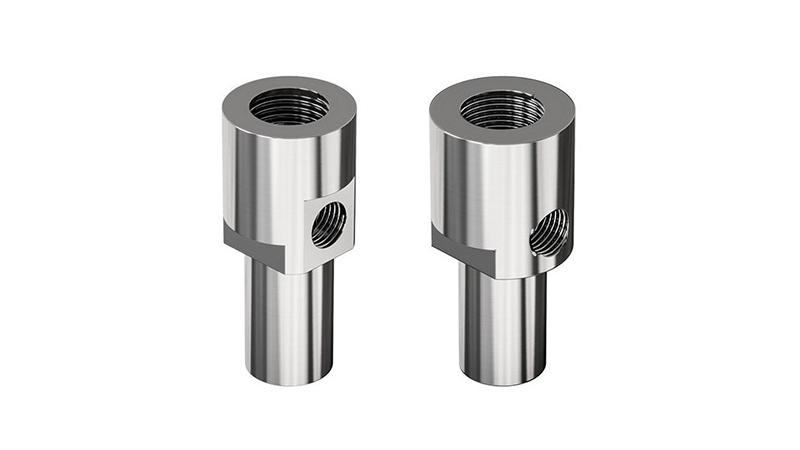
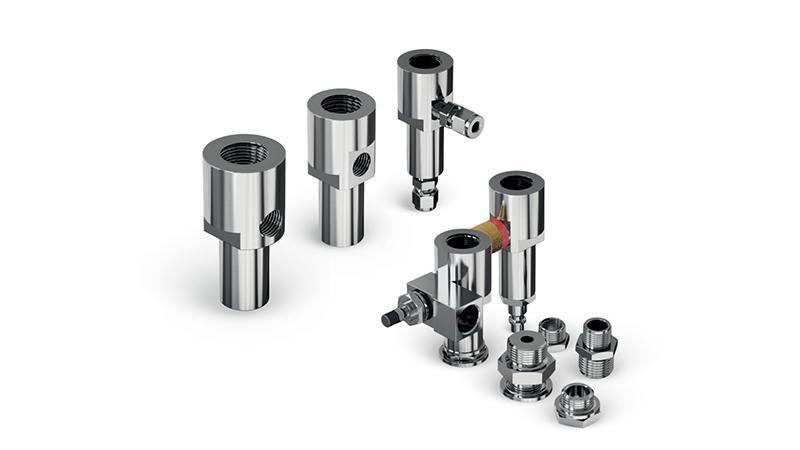
Basic models
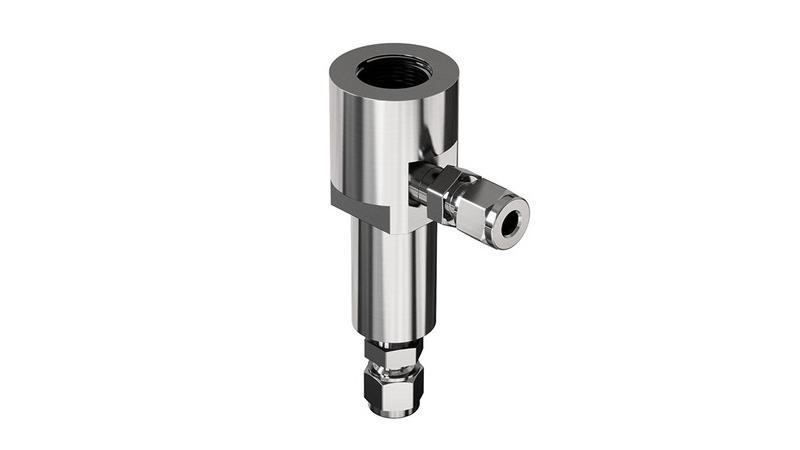
Swagelok® connectors for 1/4” tubing
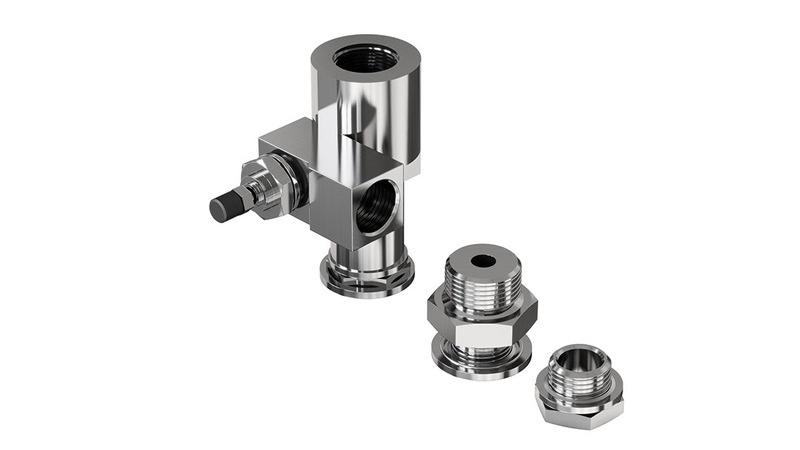
Two-pressure model for elevated and atmospheric pressure
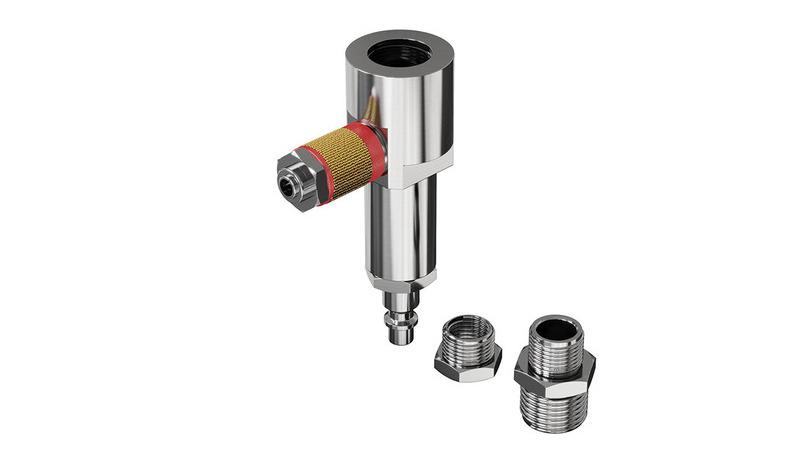
Quick connector, leak screw and thread adapters
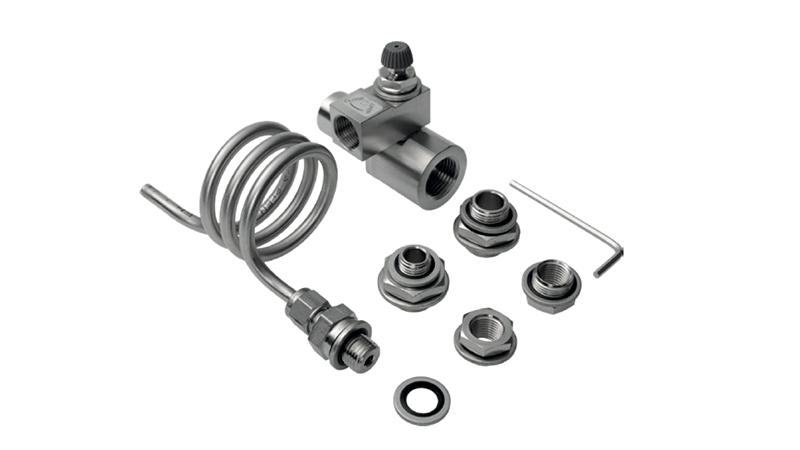
Two-pressure sampling cell with coil
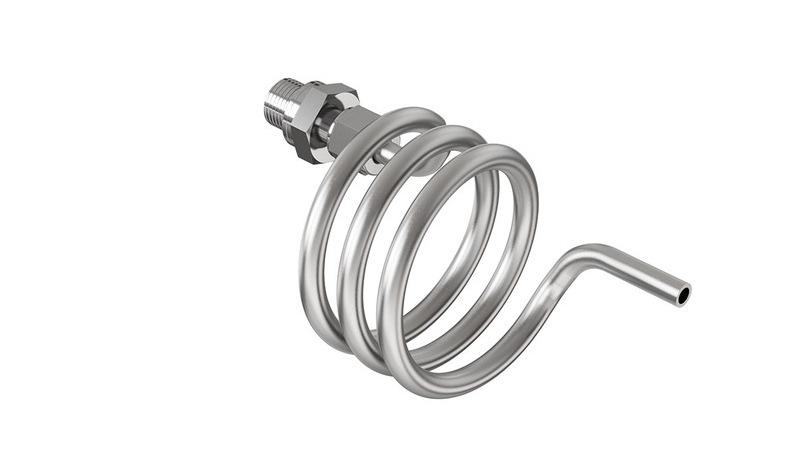
Stainless steel (aisi316l)
para secadores refrigerantes

para aplicações OEM

O mais novo integrante da linha Indigo de transmissores e sondas, o Indigo80 é um coletor de dados e indicador portátil e compacto. Ideal para…
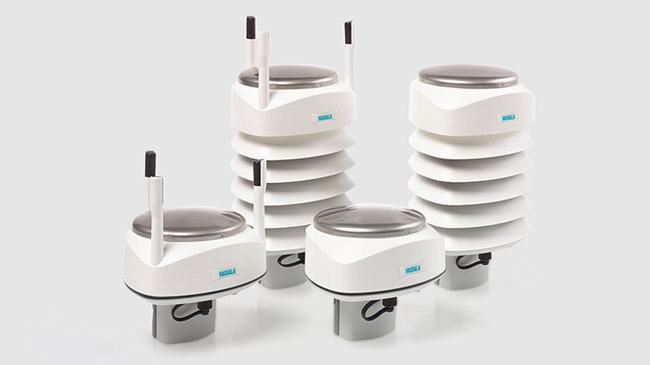
Vaisala Weather Transmitter WXT530 series is a unique collection of cost-effective sensors that accurately and reliably measure weather conditions…

for cleanrooms and industrial settings
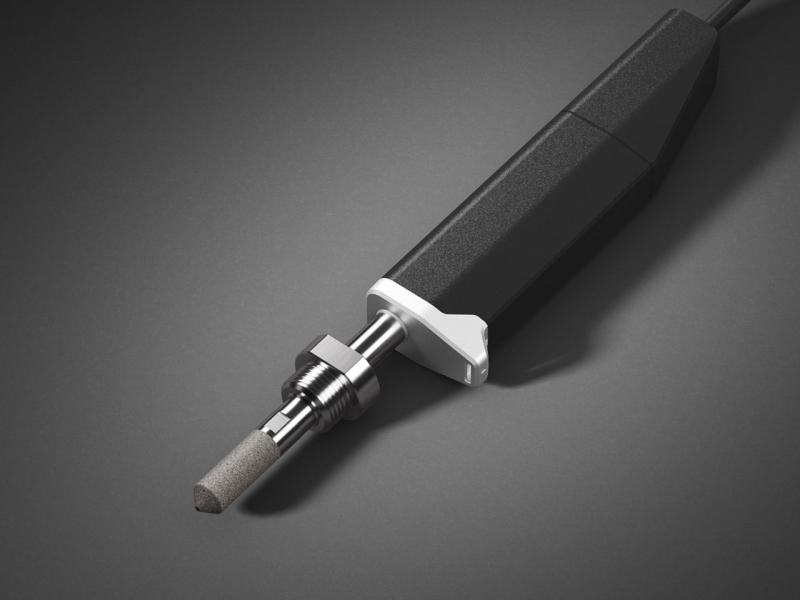
Para verificação pontual e calibração de medições de ponto de orvalho
Princípio de funcionamento dos sensores infravermelhos, compensação por temperatura, pressão e umidade, e localização de transmissores.
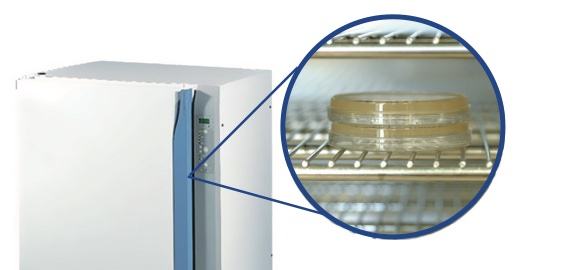
Por que o CO2 é crítico na cultura celular, o risco de condensação ao medir em alta umidade e temperatura, e por que a esterilização sem remover o…

Por que o O2 é reduzido e o CO2 é elevado em câmaras de atmosfera controlada, e quais instrumentos toleram o frio e a umidade elevada desse ambiente.

O que é a amostragem por equilíbrio, por que o aquecimento do sensor pode alterar a medição em campo, e qual faixa é necessária para perfis profundos…
Um especialista responde com a solução, o instrumento e o serviço adequados.
Instrumentos para cotar
Ainda não há instrumentos. É possível escrever mesmo assim: um especialista responde.