

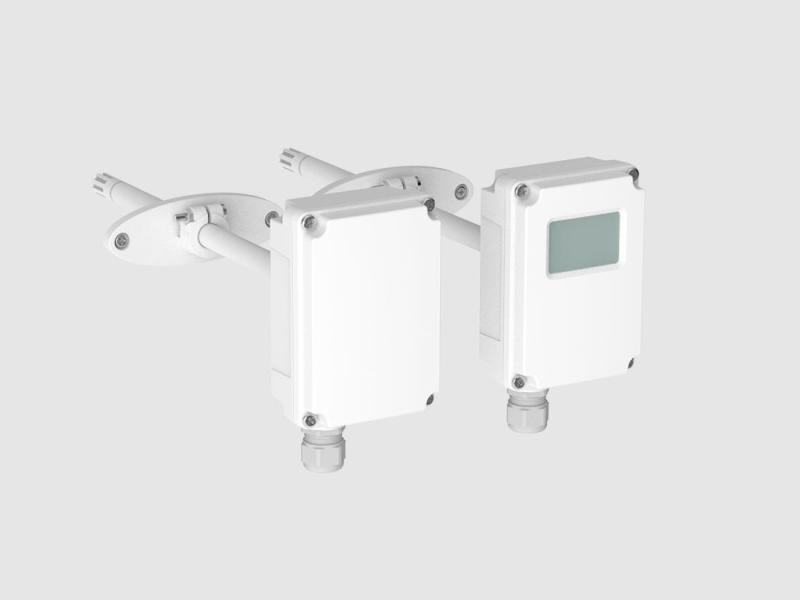
Duct Humidity and Temperature Transmitter HMD110
For high-precision measurements in HVAC applications
Nota técnica
As AI development continues to drive the rise in demand for data storage and processing, the pressure on data centers to improve operational efficiency and sustainability is rising with it. Data center owners are constantly on the lookout for more efficient ways to cool their energy-intensive facilities – and cold climates offer huge advantages in this regard.
The growth in the data center industry brings many environmental challenges, particularly when it comes to rising energy consumption and carbon emissions. By locating your data center in a cold climate, you are working with the surrounding environment to optimize energy use, rather than working against the heat in a warmer climate.
In colder regions, like the Nordic countries for example, low outside temperatures help reduce the need for cooling inside data centers, cutting energy consumption and associated operational costs. Cooling that uses the outside air considerably reduces the reliance on power for cooling, improving energy efficiency and lowering carbon emissions.
In warmer climates, water is often used for evaporative cooling. Limited water resources are a growing problem globally, and evaporative cooling systems can consume large amounts of water. Data centers in cold regions can take advantage of other cooling designs like closed-loop systems to conserve valuable water resources.
The difference in water usage can be huge. For instance, a ten-megawatt data center in a hot country potentially uses tens of millions of liters of water a year, whereas an equivalent sized data center in Finland, for instance, would use just 10 to 20 cubic meters. Not only that, but the water used in evaporative cooling is lost into the environment, whereas the water used in closed loop systems is reused again and again.
Data centers located in cold countries also benefit from innovative technologies that allow them to recover and reuse the excess heat generated by the servers. Many facilities are now integrating heat pumps and heat recovery systems to supply energy to nearby district heating networks, further enhancing sustainability efforts. These networks are common across the Nordics, where heating demand rises sharply during the cold winter months. For example, in Finland the energy company Helen and the digital communications operators Elisa and Telia are collaborating to heat homes using waste heat from their data centers, and many similar arrangements are already existing or underway.
Nordic countries are also actively looking into opportunities for greenhouses and farms to use data center energy to help food production.
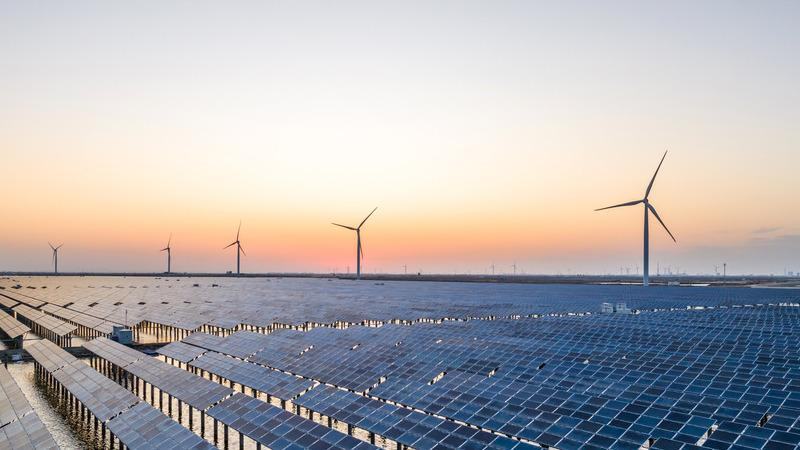
Access to renewable energy sources like wind power strengthens a country’s environmental profile, making it an attractive choice for data center development. This is because the transition to renewable energy is a priority for the data center industry as it moves toward carbon neutrality. In fact, the demand from data centers is driving the increase in the availability of renewable energy, helping to support the green transition. Using renewable energy sources also helps with the challenge of regulatory compliance.
Optimizing data center efficiency and performance requires reliable and precise sensors and environmental monitoring. Reliable measurement technologies play a crucial role in maintaining stable conditions while minimizing energy use, for example by enabling accurate control and adjustment of parameters such as temperature and humidity.
Advanced sensor solutions help to ensure compliance with strict energy efficiency regulations like the EU’s Energy Efficiency Directive (EED), as well as supporting your data center’s long-term sustainability goals. While sensors are a tiny part of the overall investment needed to build and run a data center, by enabling real-time monitoring and long-term operational reliability they provide efficiency and value that go way beyond their cost.
Locating your data center in a colder climate offers significant advantages by reducing the need for energy-intensive and water-intensive cooling due to the extended free cooling periods. This improves operational efficiency and lowers your facility’s carbon footprint. Cold climates with long heating seasons also create excellent opportunities for heat recovery and reuse, such as using data center heat to supply nearby district heating networks. The opportunity to use renewable energy further improves the sustainability of data centers.
Locating your data center in a naturally cool climate means you work with instead of against the environment. This reduces costs and emissions, supports regulatory compliance, and ultimately helps you to achieve the sustainable, high performance you demand from your data center operations.
For high-precision measurements in HVAC applications
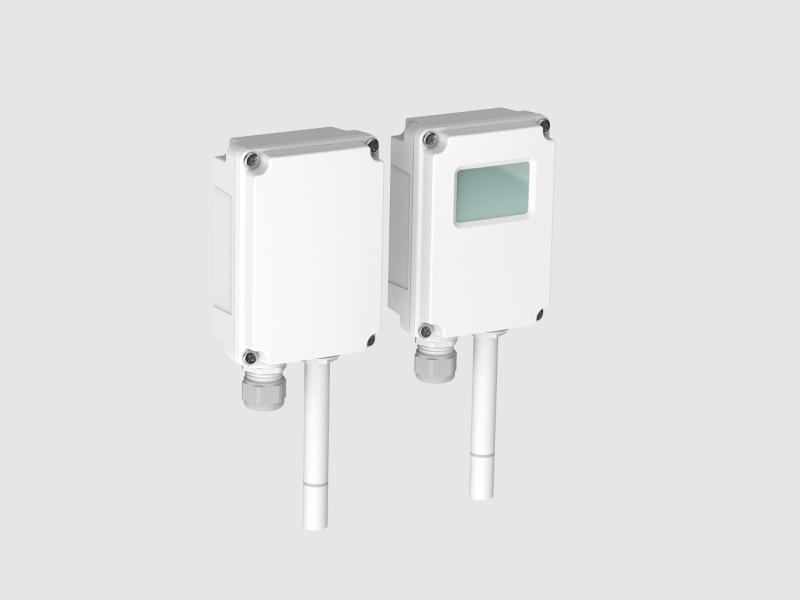
For high-precision measurements in HVAC applications
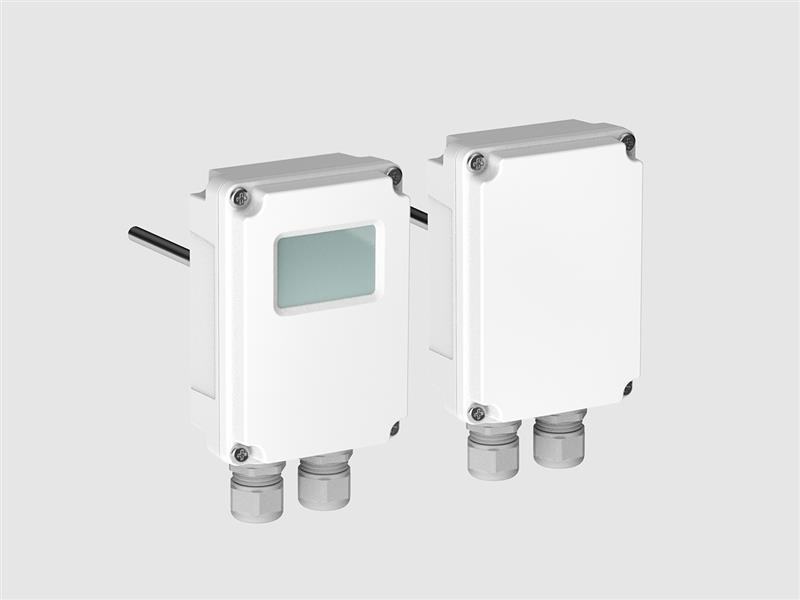
Para medições de alta precisão em aplicações HVAC
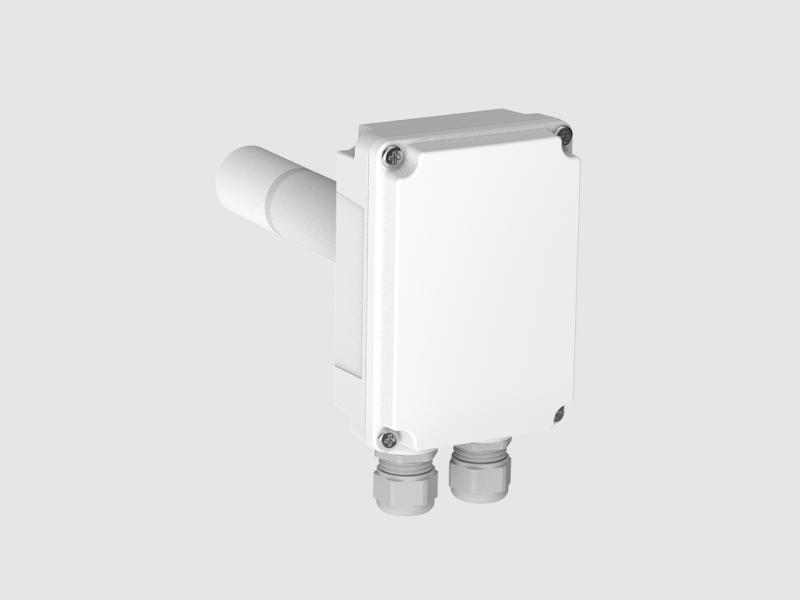
Para medições de alta precisão em aplicações HVAC
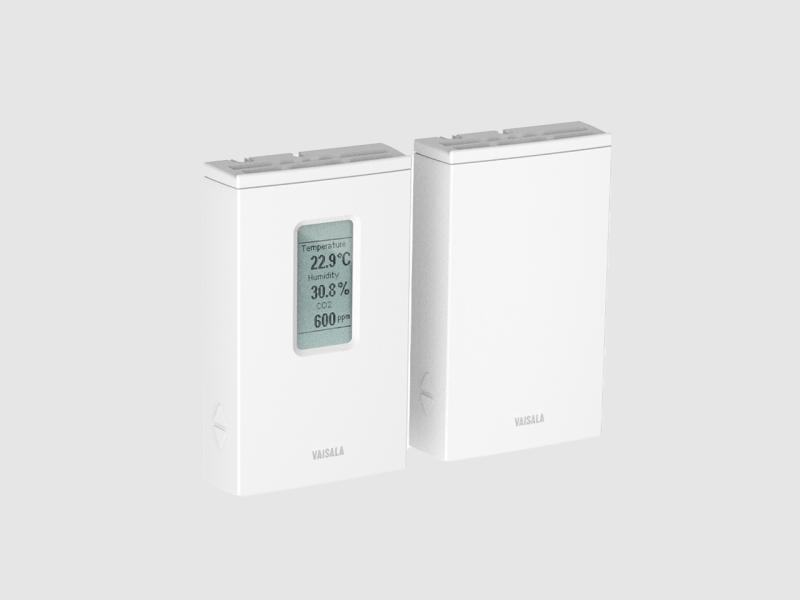
para projetos de construção verde
para projetos de construção verde

O que são umidade relativa, ponto de orvalho, umidade absoluta e razão de mistura, como a temperatura e a pressão distorcem a leitura, e por que o…

Como a umidade se comporta em condições reais, os três problemas de medição mais frequentes, e dois cenários práticos —ar aquecido e ar comprimido—…

Quando medir umidade relativa e quando ponto de orvalho, o que exigem a alta e a baixa umidade, como influem temperatura e pressão, e quando convém…

A climatização representa até 40 % da demanda energética de um data center. Este guia da Vaisala explica como a exatidão de medição reduz custos e…
Um especialista responde com a solução, o instrumento e o serviço adequados.
Instrumentos para cotar
Ainda não há instrumentos. É possível escrever mesmo assim: um especialista responde.