

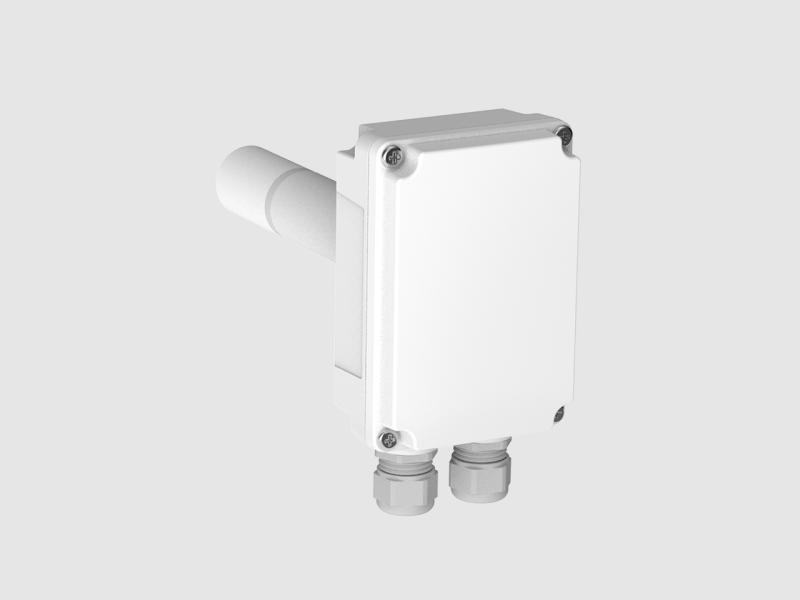
Transmissor de CO2 de duto GMD110
Para medições de alta precisão em aplicações HVAC
Nota técnica
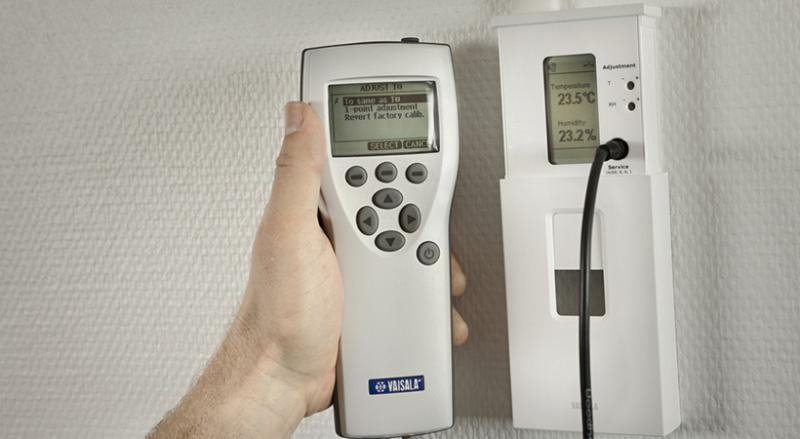
While there’s no single right answer to this question, “never” is always the wrong answer! A good starting point is to ask these two questions
Do not accept automatic drift compensation as a “good-enough” alternative – all sensors have some drift. You can further ask:
Always start with a shorter inspection interval and increase it gradually. Your actual field inspection data is the best way to determine the right inspection interval for your instrument.
A good strategy may be to first perform field checks against the reference instruments, as these are relatively fast to perform. Depending on the observed differences in the field check, a simple guideline for adjustment in HVAC applications could be:
• if the observed difference is 2%RH or less, do nothing;
• if the difference is 2–4%RH, make a one-point field adjustment; and
• if the difference is more than 4%RH, send the device for service or change the measurement module.
In HVAC the measured conditions typically only vary a little, meaning single-point field adjustment is usually the right choice. However, if the whole measurement range of the instrument is used or if the field check indicates a large correction is needed, multi-point adjustment is the right choice as something might be wrong with the instrument. Multi-point adjustment is more time consuming and expensive as it usually requires moving the instrument to a laboratory, but it will tell you if the device is working properly over its intended range.
For many basic applications Vaisala’s HVAC products are essentially maintenance free. The specified long-term stability is usually so good that adjustments are rarely needed, although a field check is always recommended. In more demanding applications, where traceability is required to maintain certifications, you can choose to carry out field checking and any necessary adjustments yourself.
With some of our products you can check or adjust relative humidity or CO2 readings against a handheld instrument or, in the case of carbon dioxide, against gas bottles. The easiest solution is to purchase field-replaceable measurement modules that come with a calibration certificate; these measurement modules can be easily exchanged in minutes.
Para medições de alta precisão em aplicações HVAC
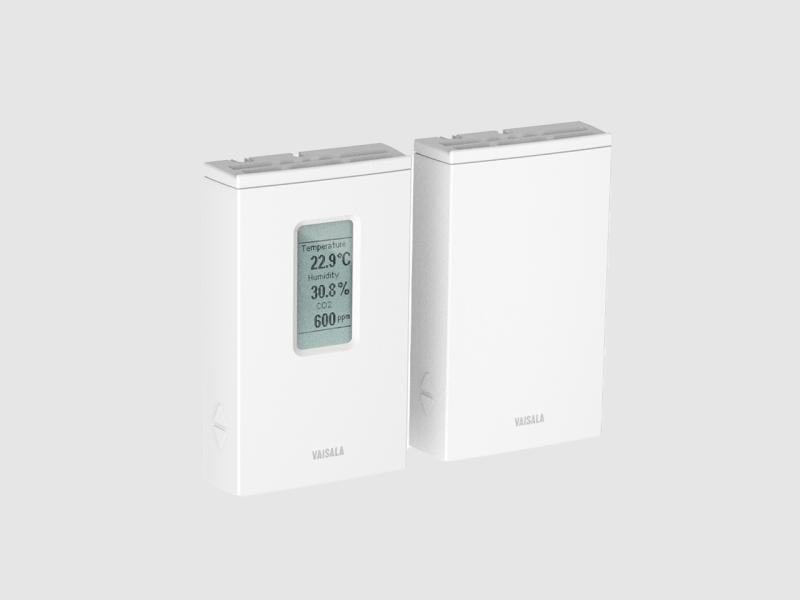
para projetos de construção verde
para projetos de construção verde
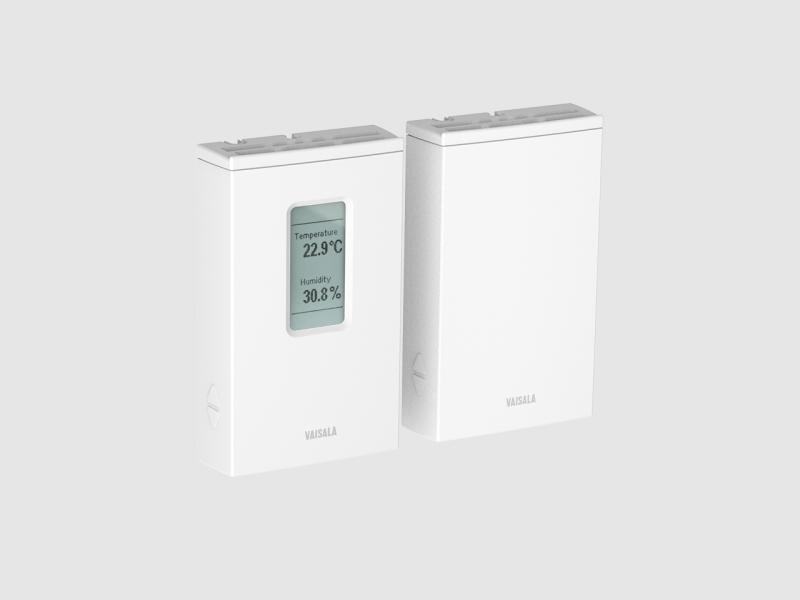
Transmissores de parede de ±1.7% de umidade relativa com um certificado para HVAC exigente
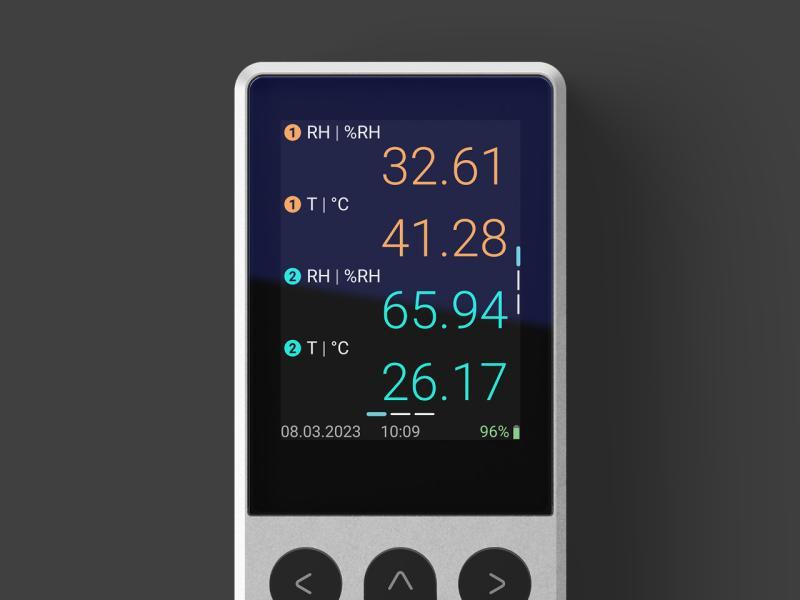
O mais novo integrante da linha Indigo de transmissores e sondas, o Indigo80 é um coletor de dados e indicador portátil e compacto. Ideal para…
O mais novo integrante da linha Indigo de transmissores e sondas, o Indigo80 é um coletor de dados e indicador portátil e compacto. Ideal para…

A sonda de temperatura e ponto de orvalho DMP5 Vaisala DRYCAP® foi desenvolvida para medição de umidade em linha em aplicações de secagem industrial…

Lauri Reuter é um especialista no futuro da alimentação e a pessoa certa para perguntar se você já se perguntou o que comeremos no futuro e como toda…

As empresas industriais continuam a tomar medidas para minimizar as suas emissões de carbono. Muitos estão a reduzir a utilização de combustíveis…

No processo de caustificação, os produtos químicos passivos são convertidos em produtos químicos ativos para cozinhar para produzir licor branco…
Um especialista responde com a solução, o instrumento e o serviço adequados.
Produtos para cotar
Ainda não há produtos. É possível escrever mesmo assim: um especialista responde.