


Destacando a beleza da madeira: Secagem de chapa com controle de umidade
A sonda de temperatura e ponto de orvalho DMP5 Vaisala DRYCAP® foi desenvolvida para medição de umidade em linha em aplicações de secagem industrial…
Nota técnica
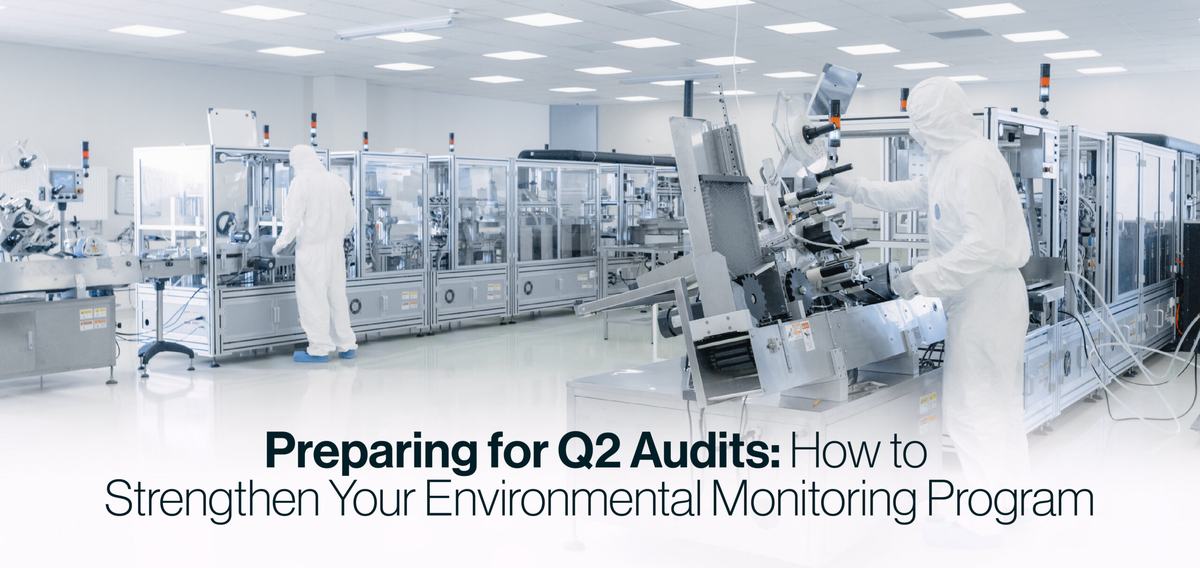
For many regulated industries, the second quarter often brings scheduled inspections, internal reviews, or third-party audits. Whether the focus is on pharmaceutical manufacturing, food production, or laboratory operations, environmental monitoring programs are often given close attention during these evaluations.
Environmental monitoring helps ensure that controlled conditions—such as temperature and humidity—remain within defined limits throughout daily operations. These records demonstrate that facilities are maintaining stable environments for processes, storage areas, and equipment. When preparing for an audit, reviewing the strength of this monitoring program can help prevent last-minute issues and improve overall compliance readiness.
One of the first steps is reviewing monitoring coverage. Facilities should confirm that sensors or monitoring devices are positioned in locations that accurately represent environmental conditions. Storage areas, production spaces, and equipment environments may all require monitoring to maintain consistent conditions.
Documentation is another critical component. Audit teams often examine environmental records to verify that monitoring is continuous, that deviations are properly investigated, and that corrective actions are documented when necessary. Maintaining organized, accessible records makes it easier to demonstrate that environmental controls are functioning as intended. Many software applications, like MadgeTech 4 Data Logger Software, offer filing systems for simple organization so reports can be ready to go on audit day.
Calibration and verification activities should also be reviewed before an audit. Monitoring equipment should be calibrated according to established schedules, and documentation should confirm that sensors remain accurate and reliable. These steps help demonstrate that recorded data can be trusted during regulatory evaluations.
Finally, reviewing historical environmental trends can provide valuable insights before an audit. Identifying recurring fluctuations or areas with frequent alarms allows facilities to address potential issues proactively.
Strong environmental monitoring programs support both compliance and operational reliability. By reviewing monitoring practices, documentation procedures, and equipment performance before an audit, organizations can approach Q2 inspections with greater confidence and ensure that environmental controls remain well-documented and effective.

A sonda de temperatura e ponto de orvalho DMP5 Vaisala DRYCAP® foi desenvolvida para medição de umidade em linha em aplicações de secagem industrial…

Lauri Reuter é um especialista no futuro da alimentação e a pessoa certa para perguntar se você já se perguntou o que comeremos no futuro e como toda…

As empresas industriais continuam a tomar medidas para minimizar as suas emissões de carbono. Muitos estão a reduzir a utilização de combustíveis…

No processo de caustificação, os produtos químicos passivos são convertidos em produtos químicos ativos para cozinhar para produzir licor branco…
Um especialista responde com a solução, o instrumento e o serviço adequados.
Produtos para cotar
Ainda não há produtos. É possível escrever mesmo assim: um especialista responde.