


Bringing out the beauty of wood: Veneer drying with humidity control
Vaisala DRYCAP® Dew Point and Temperature Probe DMP5 is designed for in-line humidity measurement in industrial drying applications with high…
Technical note
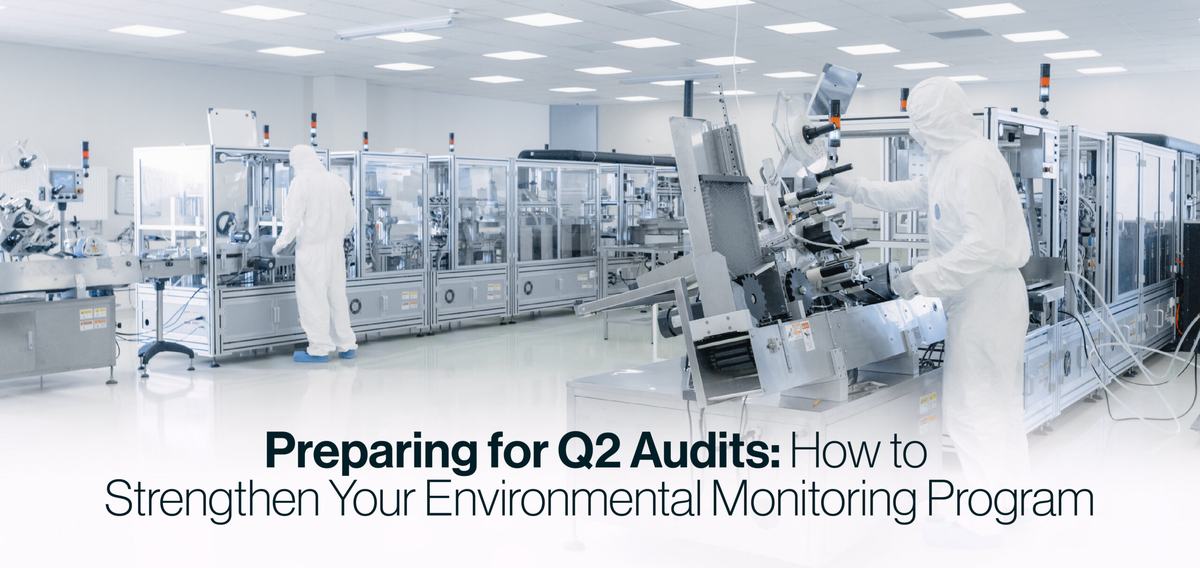
For many regulated industries, the second quarter often brings scheduled inspections, internal reviews, or third-party audits. Whether the focus is on pharmaceutical manufacturing, food production, or laboratory operations, environmental monitoring programs are often given close attention during these evaluations.
Environmental monitoring helps ensure that controlled conditions—such as temperature and humidity—remain within defined limits throughout daily operations. These records demonstrate that facilities are maintaining stable environments for processes, storage areas, and equipment. When preparing for an audit, reviewing the strength of this monitoring program can help prevent last-minute issues and improve overall compliance readiness.
One of the first steps is reviewing monitoring coverage. Facilities should confirm that sensors or monitoring devices are positioned in locations that accurately represent environmental conditions. Storage areas, production spaces, and equipment environments may all require monitoring to maintain consistent conditions.
Documentation is another critical component. Audit teams often examine environmental records to verify that monitoring is continuous, that deviations are properly investigated, and that corrective actions are documented when necessary. Maintaining organized, accessible records makes it easier to demonstrate that environmental controls are functioning as intended. Many software applications, like MadgeTech 4 Data Logger Software, offer filing systems for simple organization so reports can be ready to go on audit day.
Calibration and verification activities should also be reviewed before an audit. Monitoring equipment should be calibrated according to established schedules, and documentation should confirm that sensors remain accurate and reliable. These steps help demonstrate that recorded data can be trusted during regulatory evaluations.
Finally, reviewing historical environmental trends can provide valuable insights before an audit. Identifying recurring fluctuations or areas with frequent alarms allows facilities to address potential issues proactively.
Strong environmental monitoring programs support both compliance and operational reliability. By reviewing monitoring practices, documentation procedures, and equipment performance before an audit, organizations can approach Q2 inspections with greater confidence and ensure that environmental controls remain well-documented and effective.

Vaisala DRYCAP® Dew Point and Temperature Probe DMP5 is designed for in-line humidity measurement in industrial drying applications with high…

Dr. Lauri Reuter is an expert in the future of food, and the person to ask if you’ve ever wondered what we are going to eat in the future, and how…

Industrial companies are continuing to take action to minimize their carbon emissions. Many are reducing their use of fossil fuels and switching to…

In the causticizing process, passive chemicals are converted into active cooking chemicals to make white liquor. This is used in the digester as a…
A specialist replies with the solution, the instrument and the service that fit.
Products to quote
No products yet. An enquiry can be sent anyway: a specialist answers.