


Transmisor de Punto de Rocío en miniatura DMT143 y DMT143L (largo)
para aplicaciones de fabricantes de equipos originales
Nota técnica
As the world continues to move away from fossil fuels, the demand for high-quality batteries is rising. Batteries play a key role in electric vehicles and renewable energy storage, both of which offer environmental benefits. In this article we’ll look at how recycling N-Methyl-2-Pyrrolidone (NMP) can make battery manufacturing more sustainable – and bring cost savings too.
N-Methyl-2-Pyrrolidone (NMP) is widely used as a solvent in lithium-ion (Li-ion) battery manufacturing to dissolve binders like polyvinylidene fluoride (PVDF) in electrode slurry preparation. The uniform slurry – containing NMP, binder, active material, and additives – is applied as a coating onto the electrodes at the core of high-performance batteries.
While NMP is essential to the many battery manufacturing process, it comes with challenges in terms of cost, environmental impact, safety risks, and compliance with regulations on solvent emissions. These challenges make proper handling and efficient recovery essential for reducing costs, minimizing emissions, and ensuring a safer workplace.
As battery manufacturers look for more sustainable and cost-efficient production methods, interest in optimizing NMP recovery is on the rise. The more NMP that can be recovered, the lower the production costs and the smaller the environmental footprint. Recovered NMP is often sold to recycling plants, which may supply it back to battery manufacturers. NMP can also be used in other sectors, such as the pharmaceutical and semiconductor industries.
By recovering and reusing NMP, manufacturers not only cut costs but also contribute to a more sustainable and responsible battery manufacturing process.
During the drying stage in battery manufacturing, NMP evaporates as part of the electrode slurry drying process. The NMP vapor released during the drying process is captured and purified through three main stages:
Inline refractometers help make the NMP recovery process more efficient and therefore more cost effective. Continuous, real-time NMP concentration measurements enable precise control over key stages in the NMP recovery process. This allows immediate adjustments to be made, optimizing process performance and maintaining NMP quality.
There are two main areas where inline concentration measurements with inline refractometer technology help to optimize NMP recovery:
Vaisala Polaris™ inline refractometers are ideal for real-time monitoring of NMP concentration. Both the Polaris™ PR53GC Compact Refractometer and the Polaris™ PR53GP Probe Process Refractometer can be paired with the Indigo520 Transmitter for easy and accurate real-time monitoring.
Optimizing the amount of NMP used in battery manufacturing and reducing NMP waste helps to reduce the environmental impact of the manufacturing process. By recycling and reusing NMP, manufacturers can prevent it from being released into the atmosphere, which reduces air pollution, and minimize the risk of NMP contaminating water sources. Recycling and reuse also reduces the need to produce fresh NMP, which is an energy-intensive process. This helps reduce the carbon footprint of the whole battery production industry. Recycling NMP also helps manufacturers to comply with increasingly strict environmental legislation.
In addition to the clear environmental benefits, there are several economic advantages associated with recycling NMP and reducing raw material costs. NMP is an expensive chemical, so optimizing its usage and recycling it wherever possible will reduce overall material costs. Reducing the demand for NMP also improves supply-chain resilience and reduces the risk of supply shortages. Finally, embracing the circular economy by recycling NMP can enhance a manufacturer’s brand reputation, while regulatory incentives and government grants for sustainable practices can also reduce operational costs.
By reducing waste, lowering emissions, and recovering a valuable raw material, battery manufacturers can not only minimize their environmental impact but also enjoy substantial economic benefits. The best way to do this is with real-time monitoring of NMP concentration with inline refractometer technology. This helps to optimize the manufacturing process – reducing NMP use, improving recovery, and minimizing environmental impact and costs.
Contact Vaisala today to find out how inline refractometers could reduce your costs and improve the sustainability of your operations.
para aplicaciones de fabricantes de equipos originales
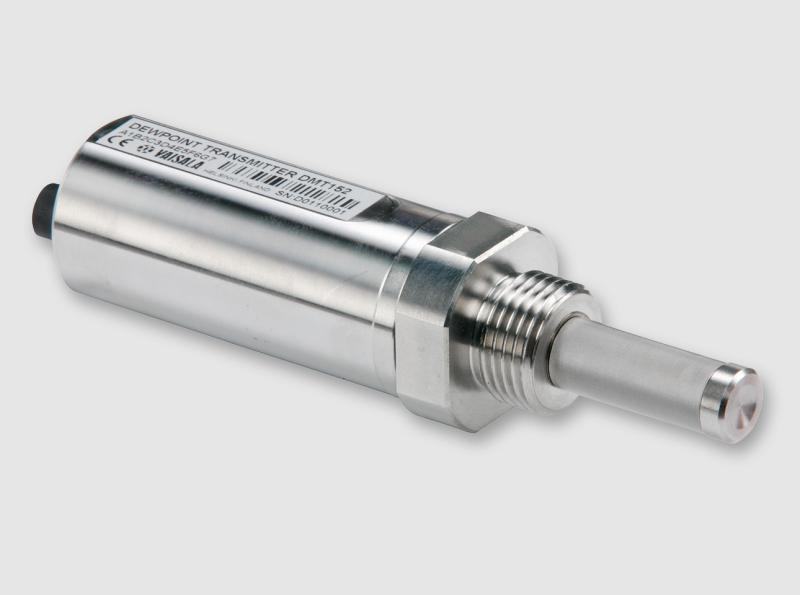
Tenga en cuenta que el DMT152 se está descontinuando y no debe especificarse para nuevos proyectos. Conozca el nuevo DMT153 aquí.
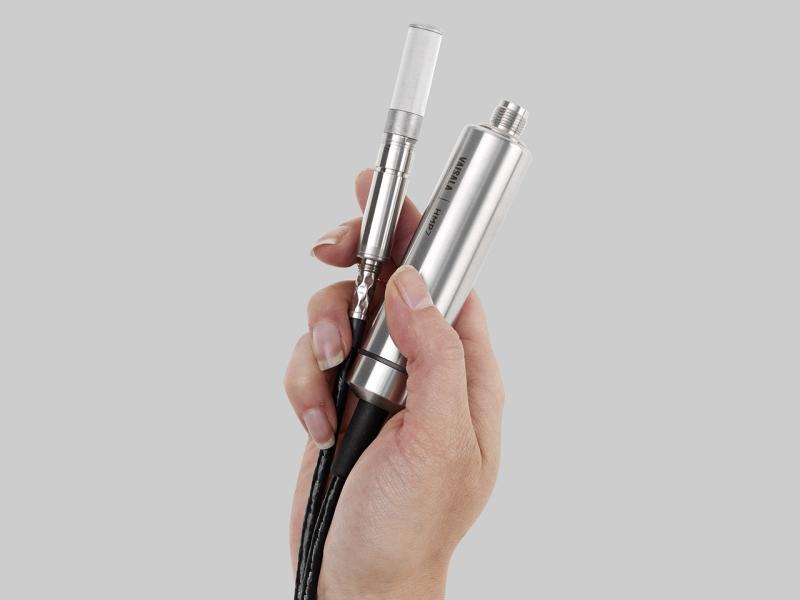
para altas humedades
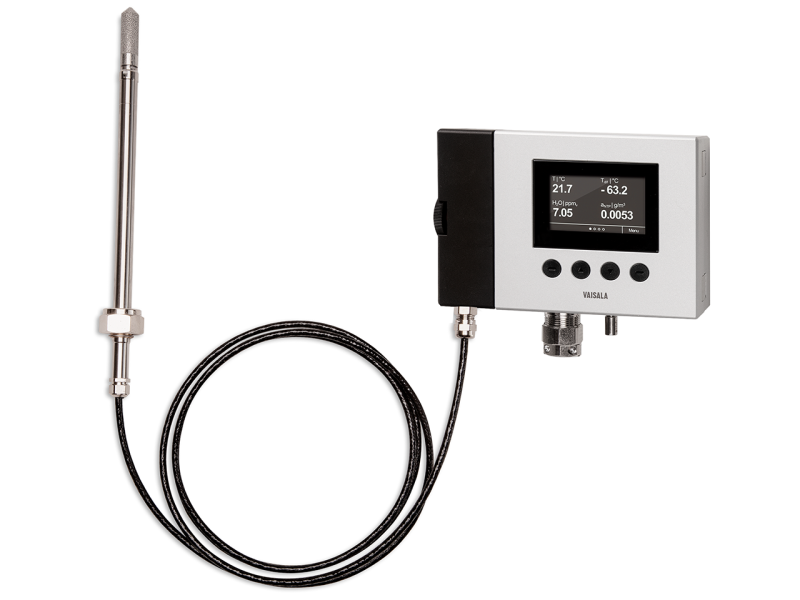
Para usar en las zonas con clasificación hasta 0 y 20

La última incorporación a la familia Indigo de transmisores y sondas, el Indigo80 es un indicador y registrador de datos compacto y portátil. Ideal…

Qué son la humedad relativa, el punto de rocío, la humedad absoluta y la razón de mezcla, cómo la temperatura y la presión distorsionan la lectura, y…

Cómo se comporta la humedad en condiciones reales, los tres problemas de medición más frecuentes, y dos escenarios prácticos —aire calentado y aire…

Cuándo medir humedad relativa y cuándo punto de rocío, qué exige la alta y la baja humedad, cómo influyen temperatura y presión, y cuándo conviene…

La climatización representa hasta el 40 % de la demanda energética de un centro de datos. Esta guía de Vaisala explica cómo la exactitud de medición…
Un especialista responde con la solución, el instrumento y el servicio que corresponden.
Instrumentos para cotizar
Todavía no hay instrumentos. Se puede escribir igual: un especialista responde.