


Medidor portátil de humedad y temperatura HM40
para inspecciones rápidas y comprobación de errores
Nota técnica
Vaisala instruments are known for preserving research assets in clinical trials, medical device distributors, pharmaceutical and nutraceutical manufacturing and packaging and many other regulated applications. This is because of the reliability of the sensors and the ease-of-use of the software and devices.
However, there is another industry that relies on our life science solutions – aerospace. Our environmental measurement solutions are on the Mars Rover Curiosity and the International Space Station. Of course it follows that life science research in space would benefit from Vaisala reliability...
Scientists at BioServe Space Technologies at the University of Colorado have been using Vaisala's carbon dioxide, humidity, and temperature sensors to control life science experiments both onboard Space Shuttle flights and at the International Space Station (ISS) since 1992 to regulate plant growth and animal habitat environments.
This research seeks to understand how low gravity affects living organisms, and to develop advanced life support systems, including agriculture and water purification bioreactors. The overarching goal is to support the goal of long-distance space missions. In small sealed space capsules the effects of gravity are isolated from other environmental factors, such as light, temperature and humidity levels, and fluctuating concentrations of carbon dioxide, oxygen and trace gas contaminants. Vaisala humidity and temperature sensors control the payload that provides essential life support functions for animal models (mice) during transport flight.
Dr. Alexander Höhn, adjunct Associate Professor of Aerospace Engineering Sciences at Colorado University oversees this research. Says Höhn,
"We found Vaisala in early 1990s while searching for small, rugged carbon dioxide sensors. Sensors from other manufacturers were also tested but nothing else worked as reliably. Over the years, the legacy sensors have been replaced with GMM220 series CO2 modules and HMP110 humidity and temperature probes. However, the long retired sensors are still functional and continue to show reasonable readings after almost 20 years."
The longevity of the sensors in especially impressive considering they are exposed to environmental conditions far exceeding their original design; including condensation during unpowered payload phases, heavy vibrations during launch, and extended microgravity.
Read the full story, guest authored for Vaisala News by Dr. Höhn…
para inspecciones rápidas y comprobación de errores

Transmisores de ±1,5 % HR para HVAC exigentes, con certificado
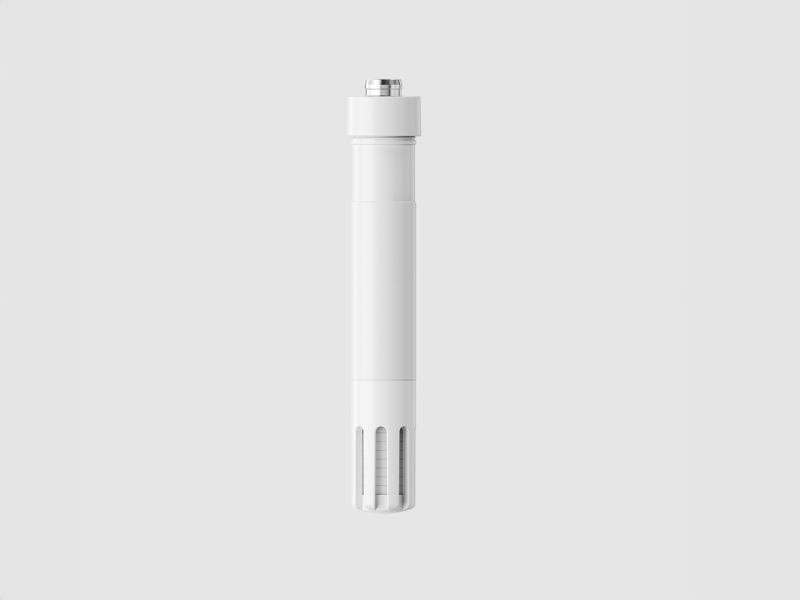
La sonda de humedad HMP113 con gabinete de plástico tiene una confiabilidad excelente y una tolerancia química, y es apta para ambientes sin…
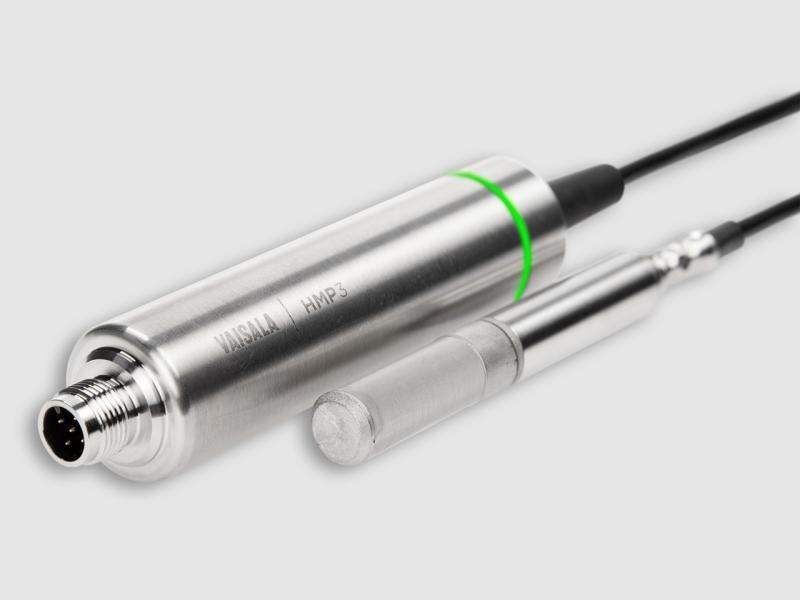
para aplicaciones de humedad y temperatura de uso general con sensor intercambiable
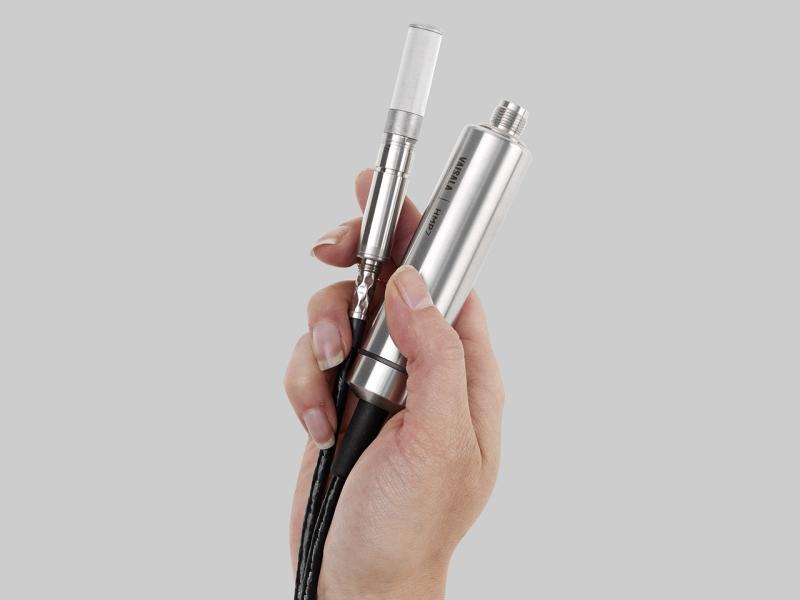
para altas humedades
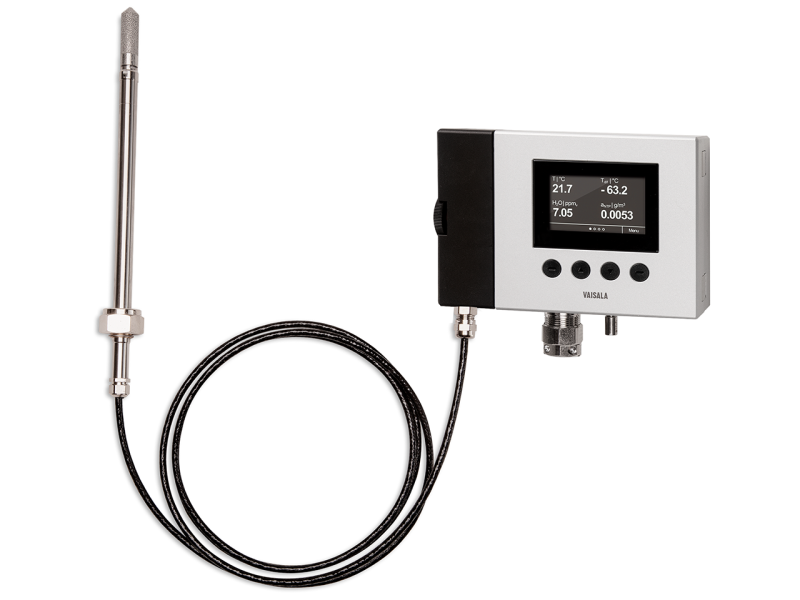
Para usar en las zonas con clasificación hasta 0 y 20

Qué son la humedad relativa, el punto de rocío, la humedad absoluta y la razón de mezcla, cómo la temperatura y la presión distorsionan la lectura, y…

Cómo se comporta la humedad en condiciones reales, los tres problemas de medición más frecuentes, y dos escenarios prácticos —aire calentado y aire…

Cuándo medir humedad relativa y cuándo punto de rocío, qué exige la alta y la baja humedad, cómo influyen temperatura y presión, y cuándo conviene…

La climatización representa hasta el 40 % de la demanda energética de un centro de datos. Esta guía de Vaisala explica cómo la exactitud de medición…
Un especialista responde con la solución, el instrumento y el servicio que corresponden.
Instrumentos para cotizar
Todavía no hay instrumentos. Se puede escribir igual: un especialista responde.