


Medidor portátil de humedad y temperatura HM40
para inspecciones rápidas y comprobación de errores
Nota técnica
As a natural product, wood has a unique set of characteristics that can make drying a challenging and complex process – one where relative humidity (RH) plays a critical role. Accurate RH measurement helps to ensure that the wood does not crack due to too rapid drying, conversely, it’s not efficient to dry the wood too slow either. With robust and stable measurement equipment in place you can maximize both the energy efficiency of the drying process and the quality of the end product itself.
No two wood drying processes are the same, with different woods and seasonal variations having a huge effect on the outcome. The mechanical properties of wood vary with temperature, pressure, and moisture content. In most applications the moisture in the wood cells must be removed before further processing and to protect the wood from problems like blue stain, fungi, and mold. The final application determines the level to which the wood is dried – wood that will be used for construction purposes in a temperate zone climate is typically dried to a moisture content of around 18%, while a moisture content of 10–15% is ideal for applications like joinery and carpentry.
It’s impossible to understate the role that relative humidity plays in the wood drying process. If conditions are too moist the wood can take a lot longer to dry than it should, and that means higher energy consumption and operating costs. On the other hand, if conditions are too dry you run the risk of the wood cracking, which means the lumber ends up on the scrap heap instead of on the lumberyard shelf ready for purchase.
It goes without saying, then, that accurate relative humidity measurement is a must, and this is where the choice of equipment, correct installation, and regular calibration come into play. Wood drying facilities are tough environments – the equipment has to be robust enough to cope with high humidity as well as contaminants such as resin fumes. Properly insulated sensor cables help to reduce the risk of inaccurate measurement caused by condensate build-up. The probe itself also needs to be protected from condensation and horizontal airflow, which can lead to water and dirt accumulating on the sensor.
To ensure long-term measurement stability, it’s important to consider the sensor material. For example, polymer-based humidity sensors can often indicate lower values than expected due to chemical contamination.
Vaisala’s range of humidity, temperature, and dew point measurement sensors are built to withstand the tough conditions of wood drying processes – meaning they are highly accurate, robust, and easy to calibrate. An annual calibration check against a reference reading combined with regular maintenance activities such as probe cleaning and filter replacement will ensure the quality of your measurements in the long term.
Learn how Vaisala can help optimize your wood drying process
Watch an on-demand webinar Measuring Humidity in Condensing Environments.
para inspecciones rápidas y comprobación de errores

Transmisores de ±1,5 % HR para HVAC exigentes, con certificado
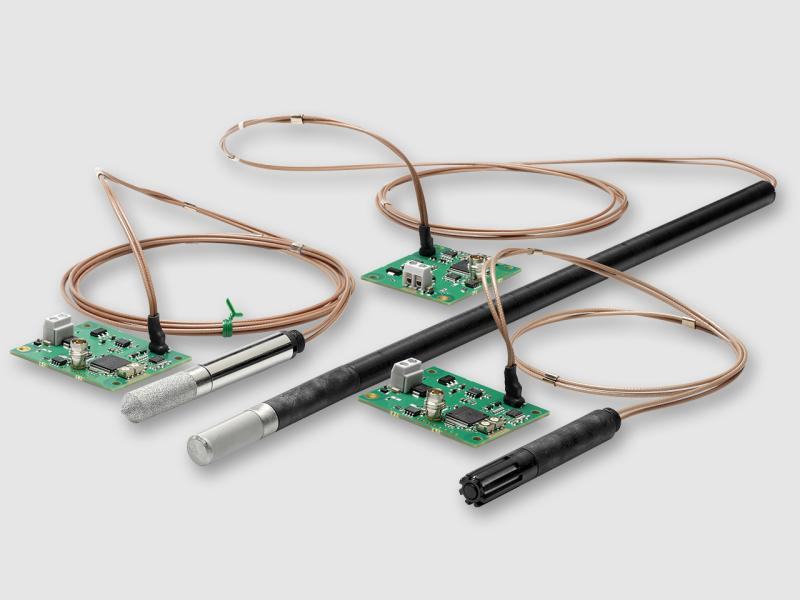
para cámaras ambientales
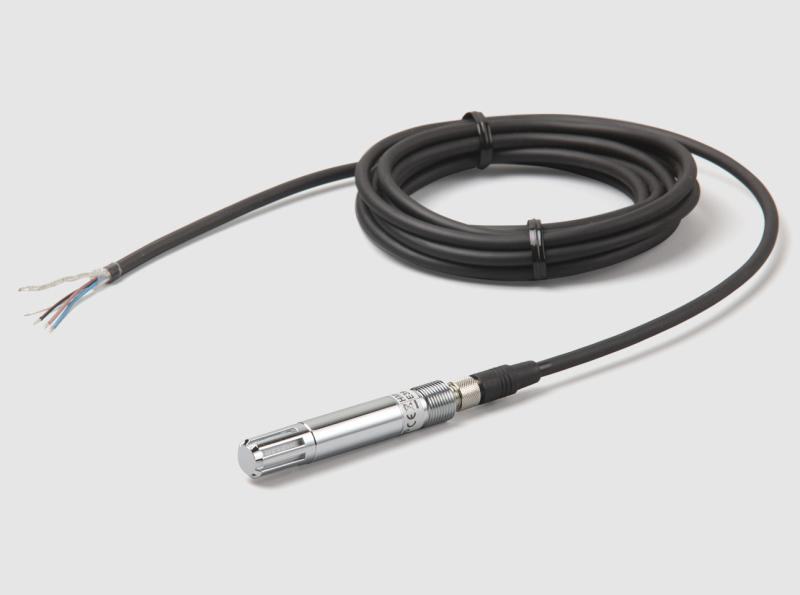
con ±1,5 % HR Precisión para aplicaciones de volumen exigentes
con ±1,5 % HR Precisión para aplicaciones de volumen exigentes
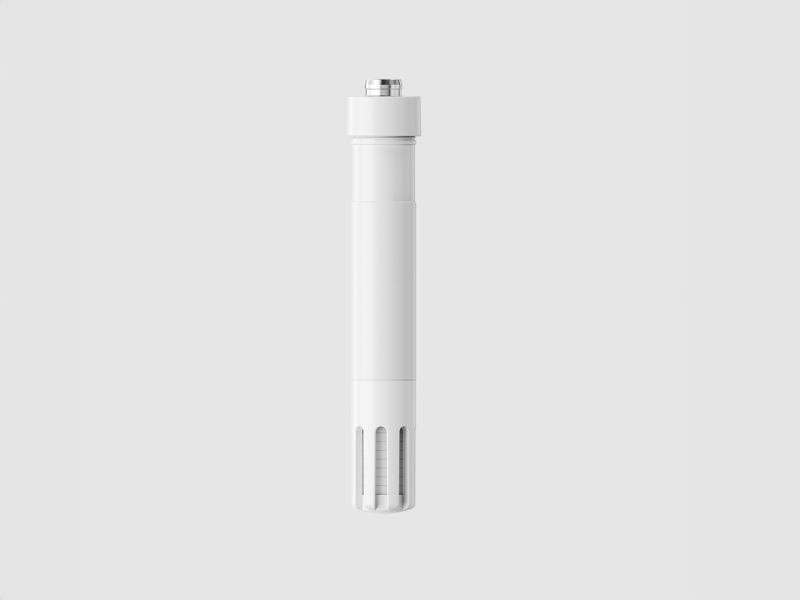
La sonda de humedad HMP113 con gabinete de plástico tiene una confiabilidad excelente y una tolerancia química, y es apta para ambientes sin…

Qué son la humedad relativa, el punto de rocío, la humedad absoluta y la razón de mezcla, cómo la temperatura y la presión distorsionan la lectura, y…

Cómo se comporta la humedad en condiciones reales, los tres problemas de medición más frecuentes, y dos escenarios prácticos —aire calentado y aire…

Cuándo medir humedad relativa y cuándo punto de rocío, qué exige la alta y la baja humedad, cómo influyen temperatura y presión, y cuándo conviene…

La climatización representa hasta el 40 % de la demanda energética de un centro de datos. Esta guía de Vaisala explica cómo la exactitud de medición…
Un especialista responde con la solución, el instrumento y el servicio que corresponden.
Instrumentos para cotizar
Todavía no hay instrumentos. Se puede escribir igual: un especialista responde.