

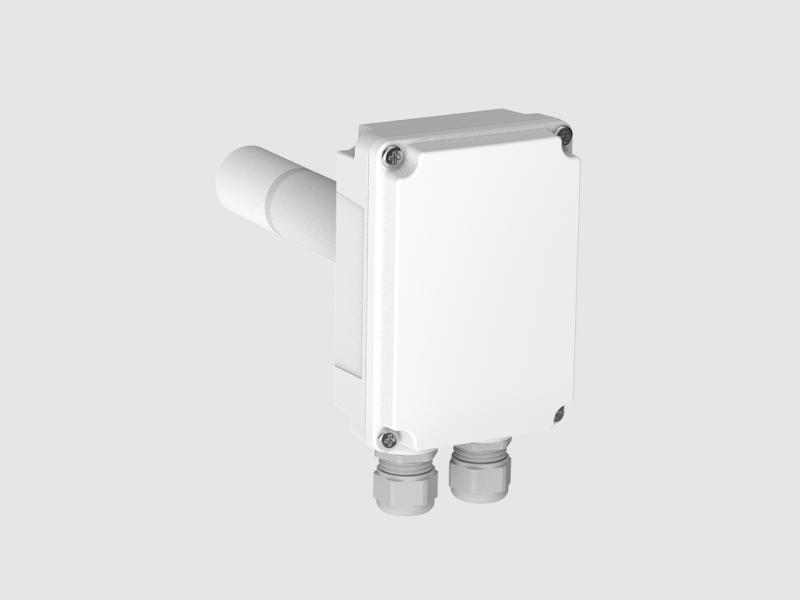
Transmisor GMD110 para CO2 en ducto
Para mediciones de alta precisión en aplicaciones de HVAC
Nota técnica
Anything worth measuring is worth measuring right, and to do that periodic calibration is essential. In HVAC, the primary reason to measure CO₂ is to optimize ventilation and realize energy savings. According to a recent European study, demand-controlled ventilation (DCV) can reduce energy use by 20–50% in public buildings. If you’re not measuring correctly, you might be losing out on some or even all of those potential savings.
While there’s no single right answer to this question, “never” is always the wrong answer! A good starting point is to ask these two questions
What accuracy do you need? Are there stability specifications?
Do not accept automatic drift compensation as a “good-enough” alternative – all sensors have some drift. You can further ask:
Do you have a record of drift values? Have drift specifications been determined for your use environment?
Always start with a shorter inspection interval and increase it gradually. Your actual field inspection data is the best way to determine the right inspection interval for your instrument.
A good strategy may be to first perform field checks against the reference instruments, as these are relatively fast to perform. Depending on the observed differences in the field check, a simple guideline for adjustment in HVAC applications could be:
• if the observed difference is 2%RH or less, do nothing;
• if the difference is 2–4%RH, make a one-point field adjustment; and
• if the difference is more than 4%RH, send the device for service or change the measurement module.
In HVAC the measured conditions typically only vary a little, meaning single-point field adjustment is usually the right choice. However, if the whole measurement range of the instrument is used or if the field check indicates a large correction is needed, multi-point adjustment is the right choice as something might be wrong with the instrument. Multi-point adjustment is more time consuming and expensive as it usually requires moving the instrument to a laboratory, but it will tell you if the device is working properly over its intended range.
For many basic applications Vaisala’s HVAC products are essentially maintenance free. The specified long-term stability is usually so good that adjustments are rarely needed, although a field check is always recommended. In more demanding applications, where traceability is required to maintain certifications, you can choose to carry out field checking and any necessary adjustments yourself.
With some of our products you can check or adjust relative humidity or CO2 readings against a handheld instrument or, in the case of carbon dioxide, against gas bottles. The easiest solution is to purchase field-replaceable measurement modules that come with a calibration certificate; these measurement modules can be easily exchanged in minutes.
Learn more about our calibration services.
Para mediciones de alta precisión en aplicaciones de HVAC
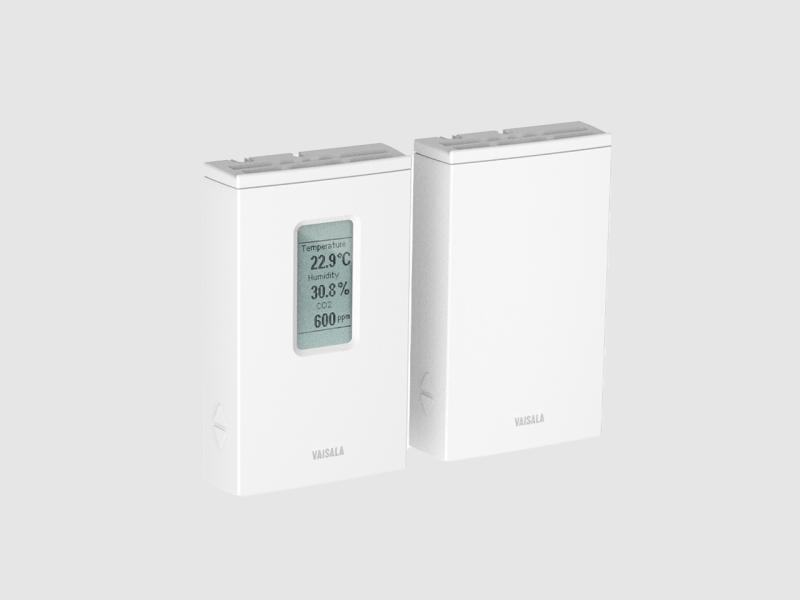
para proyectos de edificios ecológicos
para proyectos de edificios ecológicos
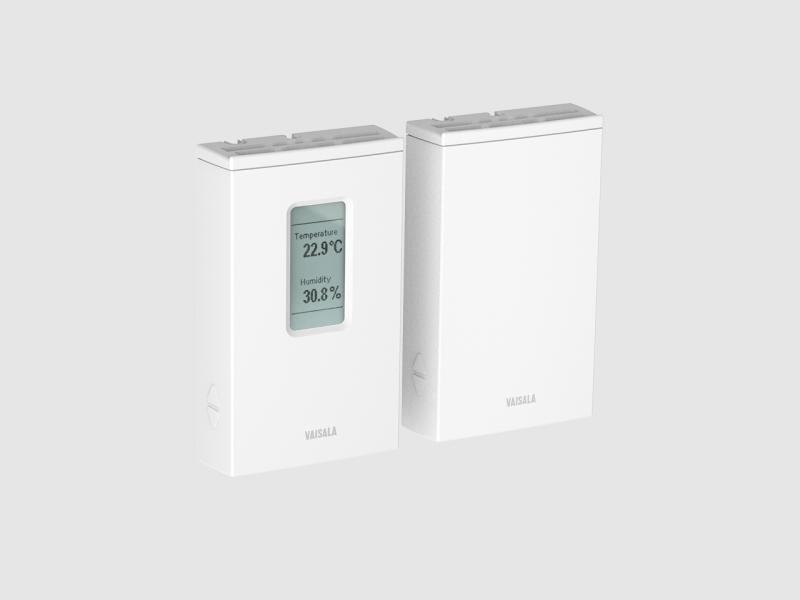
Transmisores de pared de ±1,7% HR con certificado para HVAC exigentes.

La última incorporación a la familia Indigo de transmisores y sondas, el Indigo80 es un indicador y registrador de datos compacto y portátil. Ideal…
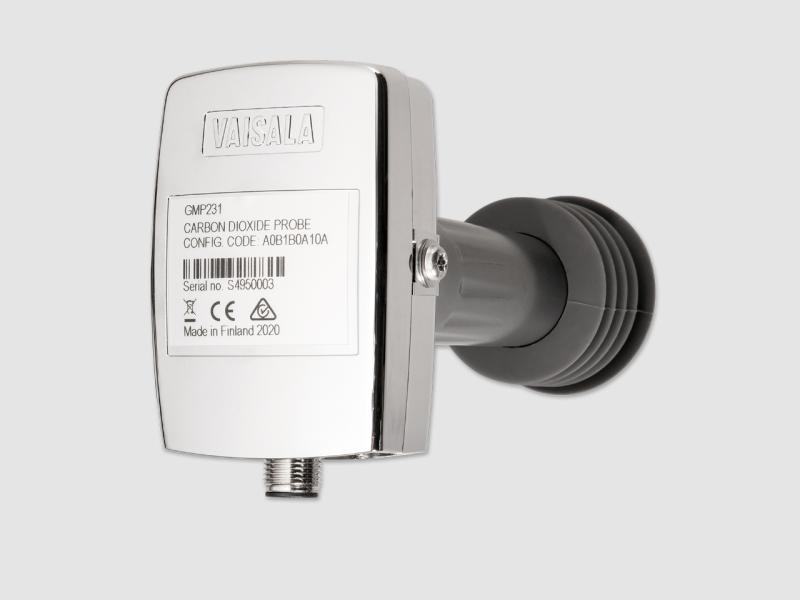
para incubadoras de CO₂

Qué son la humedad relativa, el punto de rocío, la humedad absoluta y la razón de mezcla, cómo la temperatura y la presión distorsionan la lectura, y…

Cómo se comporta la humedad en condiciones reales, los tres problemas de medición más frecuentes, y dos escenarios prácticos —aire calentado y aire…

Cuándo medir humedad relativa y cuándo punto de rocío, qué exige la alta y la baja humedad, cómo influyen temperatura y presión, y cuándo conviene…

La climatización representa hasta el 40 % de la demanda energética de un centro de datos. Esta guía de Vaisala explica cómo la exactitud de medición…
Un especialista responde con la solución, el instrumento y el servicio que corresponden.
Instrumentos para cotizar
Todavía no hay instrumentos. Se puede escribir igual: un especialista responde.