


Resaltando la belleza de la madera: secado de chapa con control de humedad
La Punto de Rocío y Temperatura DMP5 Vaisala DRYCAP® está diseñada para la medición de humedad en línea en aplicaciones de secado industrial con…
Nota técnica
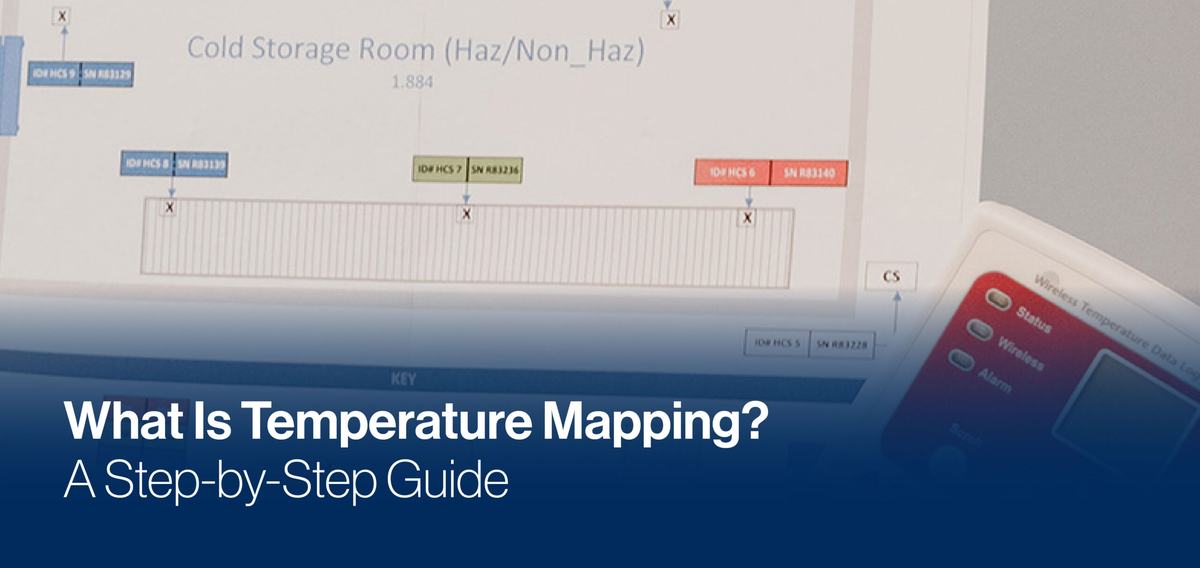
Walk into a large storage room, and the temperature display on the wall might say everything is perfectly controlled. But that single number rarely tells the full story. In large spaces such as warehouses, cold rooms, laboratories, or pharmaceutical storage areas, temperatures can vary from one location to another. Temperature mapping is the process used to understand those variations.
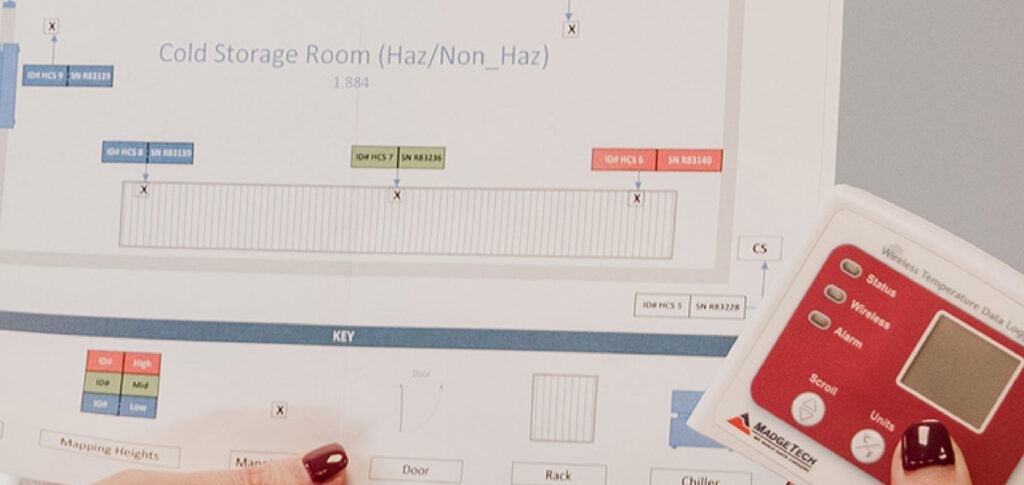
Temperature mapping begins with planning the study. The goal is to determine how conditions behave throughout a space, so sensors are placed in multiple locations. These points typically include areas near doors, walls, shelving units, and central storage locations.
Once the monitoring points are selected, temperature sensors or data loggers are positioned throughout the space. The devices are placed at different heights and locations to capture a complete picture of how temperatures may change within the environment.
The next step is the monitoring period. Over several hours or days, the sensors record temperature readings at regular intervals. This continuous data collection allows facilities to observe how conditions change during normal operations, such as when doors open, equipment cycles on and off, or staff move materials through the area.
After monitoring is complete, the collected data is reviewed. Temperature graphs and reports help identify patterns across the room. This analysis can reveal areas that remain slightly warmer or cooler than others, commonly called hot or cold spots.
The final step involves using these findings to improve environmental control. Facilities may adjust airflow, reposition shelving, or relocate sensitive materials to areas with the most stable conditions.
Temperature mapping provides a clearer understanding of how controlled environments truly behave. By studying conditions throughout a space, organizations can ensure that storage and processing areas maintain the consistency required to protect sensitive materials.
La Punto de Rocío y Temperatura DMP5 Vaisala DRYCAP® está diseñada para la medición de humedad en línea en aplicaciones de secado industrial con…

El Dr. Lauri Reuter es una experta en el futuro de los alimentos y la persona a quien preguntar si alguna vez te has preguntado qué vamos a comer en…

Las empresas industriales continúan tomando medidas para minimizar sus emisiones de carbono. Muchos están reduciendo el uso de combustibles fósiles y…

En el proceso de caustificación, los químicos pasivos se convierten en químicos de cocina activos para producir licor blanco. Se utiliza en el…
Un especialista responde con la solución, el instrumento y el servicio que corresponden.
Productos para cotizar
Todavía no hay productos. Se puede escribir igual: un especialista responde.