


Bringing out the beauty of wood: Veneer drying with humidity control
Vaisala DRYCAP® Dew Point and Temperature Probe DMP5 is designed for in-line humidity measurement in industrial drying applications with high…
Technical note
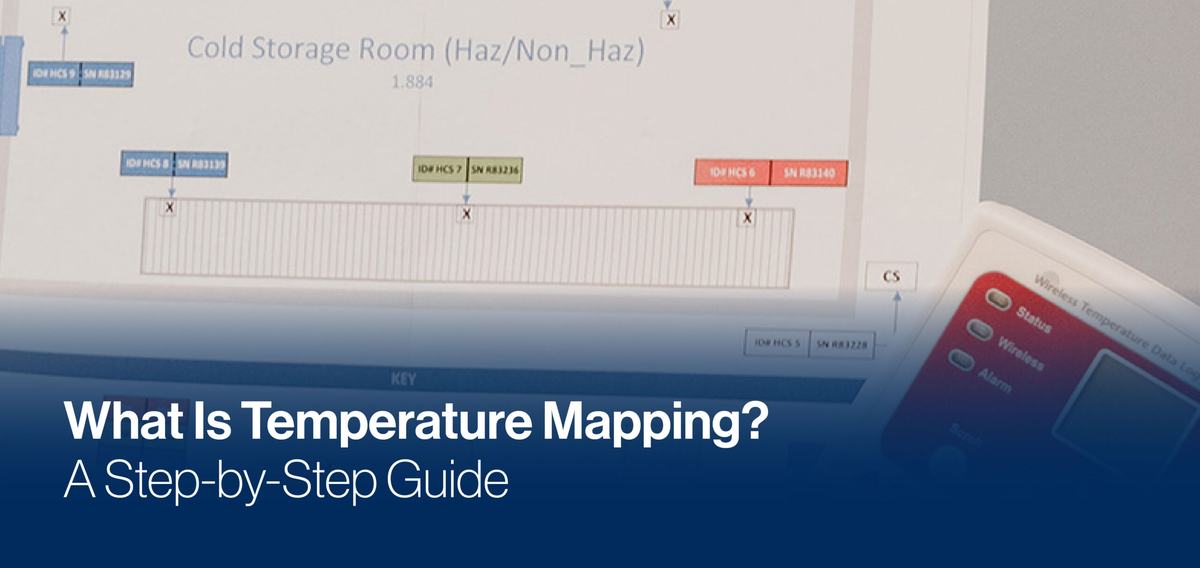
Walk into a large storage room, and the temperature display on the wall might say everything is perfectly controlled. But that single number rarely tells the full story. In large spaces such as warehouses, cold rooms, laboratories, or pharmaceutical storage areas, temperatures can vary from one location to another. Temperature mapping is the process used to understand those variations.
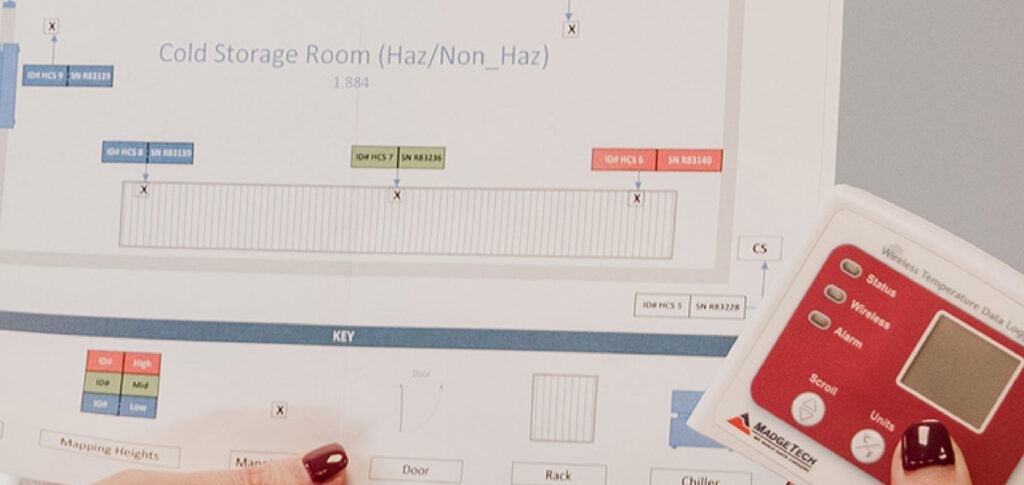
Temperature mapping begins with planning the study. The goal is to determine how conditions behave throughout a space, so sensors are placed in multiple locations. These points typically include areas near doors, walls, shelving units, and central storage locations.
Once the monitoring points are selected, temperature sensors or data loggers are positioned throughout the space. The devices are placed at different heights and locations to capture a complete picture of how temperatures may change within the environment.
The next step is the monitoring period. Over several hours or days, the sensors record temperature readings at regular intervals. This continuous data collection allows facilities to observe how conditions change during normal operations, such as when doors open, equipment cycles on and off, or staff move materials through the area.
After monitoring is complete, the collected data is reviewed. Temperature graphs and reports help identify patterns across the room. This analysis can reveal areas that remain slightly warmer or cooler than others, commonly called hot or cold spots.
The final step involves using these findings to improve environmental control. Facilities may adjust airflow, reposition shelving, or relocate sensitive materials to areas with the most stable conditions.
Temperature mapping provides a clearer understanding of how controlled environments truly behave. By studying conditions throughout a space, organizations can ensure that storage and processing areas maintain the consistency required to protect sensitive materials.
Vaisala DRYCAP® Dew Point and Temperature Probe DMP5 is designed for in-line humidity measurement in industrial drying applications with high…

Dr. Lauri Reuter is an expert in the future of food, and the person to ask if you’ve ever wondered what we are going to eat in the future, and how…

Industrial companies are continuing to take action to minimize their carbon emissions. Many are reducing their use of fossil fuels and switching to…

In the causticizing process, passive chemicals are converted into active cooking chemicals to make white liquor. This is used in the digester as a…
A specialist replies with the solution, the instrument and the service that fit.
Products to quote
No products yet. An enquiry can be sent anyway: a specialist answers.