


Destacando a beleza da madeira: Secagem de chapa com controle de umidade
A sonda de temperatura e ponto de orvalho DMP5 Vaisala DRYCAP® foi desenvolvida para medição de umidade em linha em aplicações de secagem industrial…
Nota técnica
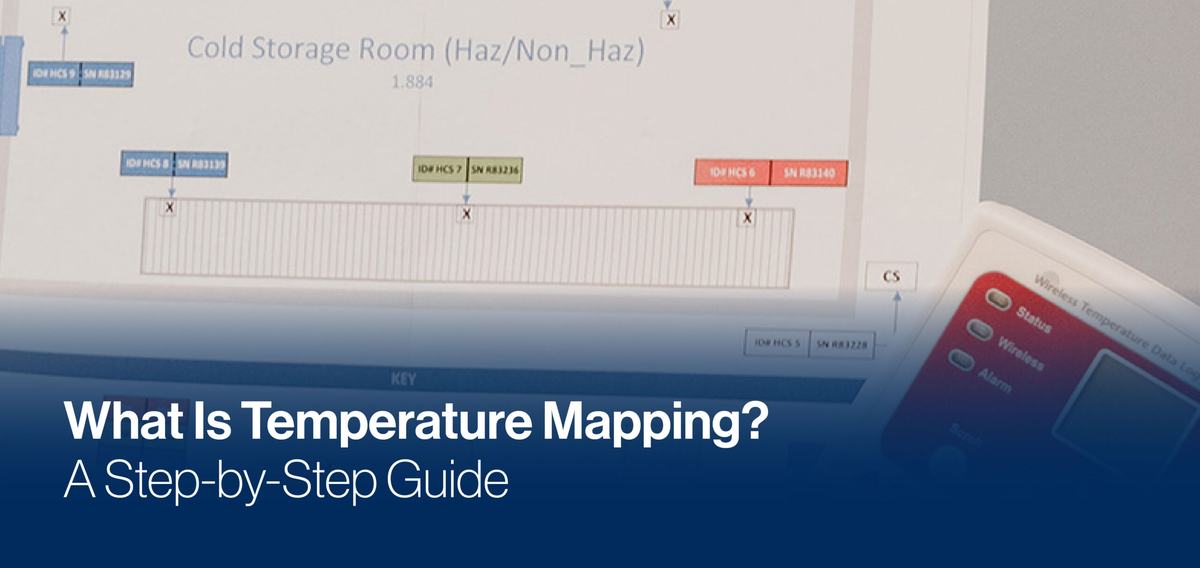
Walk into a large storage room, and the temperature display on the wall might say everything is perfectly controlled. But that single number rarely tells the full story. In large spaces such as warehouses, cold rooms, laboratories, or pharmaceutical storage areas, temperatures can vary from one location to another. Temperature mapping is the process used to understand those variations.
Temperature mapping begins with planning the study. The goal is to determine how conditions behave throughout a space, so sensors are placed in multiple locations. These points typically include areas near doors, walls, shelving units, and central storage locations.
Once the monitoring points are selected, temperature sensors or data loggers are positioned throughout the space. The devices are placed at different heights and locations to capture a complete picture of how temperatures may change within the environment.
The next step is the monitoring period. Over several hours or days, the sensors record temperature readings at regular intervals. This continuous data collection allows facilities to observe how conditions change during normal operations, such as when doors open, equipment cycles on and off, or staff move materials through the area.
After monitoring is complete, the collected data is reviewed. Temperature graphs and reports help identify patterns across the room. This analysis can reveal areas that remain slightly warmer or cooler than others, commonly called hot or cold spots.
The final step involves using these findings to improve environmental control. Facilities may adjust airflow, reposition shelving, or relocate sensitive materials to areas with the most stable conditions.
Temperature mapping provides a clearer understanding of how controlled environments truly behave. By studying conditions throughout a space, organizations can ensure that storage and processing areas maintain the consistency required to protect sensitive materials.
A sonda de temperatura e ponto de orvalho DMP5 Vaisala DRYCAP® foi desenvolvida para medição de umidade em linha em aplicações de secagem industrial…

Lauri Reuter é um especialista no futuro da alimentação e a pessoa certa para perguntar se você já se perguntou o que comeremos no futuro e como toda…

As empresas industriais continuam a tomar medidas para minimizar as suas emissões de carbono. Muitos estão a reduzir a utilização de combustíveis…

No processo de caustificação, os produtos químicos passivos são convertidos em produtos químicos ativos para cozinhar para produzir licor branco…
Um especialista responde com a solução, o instrumento e o serviço adequados.
Produtos para cotar
Ainda não há produtos. É possível escrever mesmo assim: um especialista responde.