

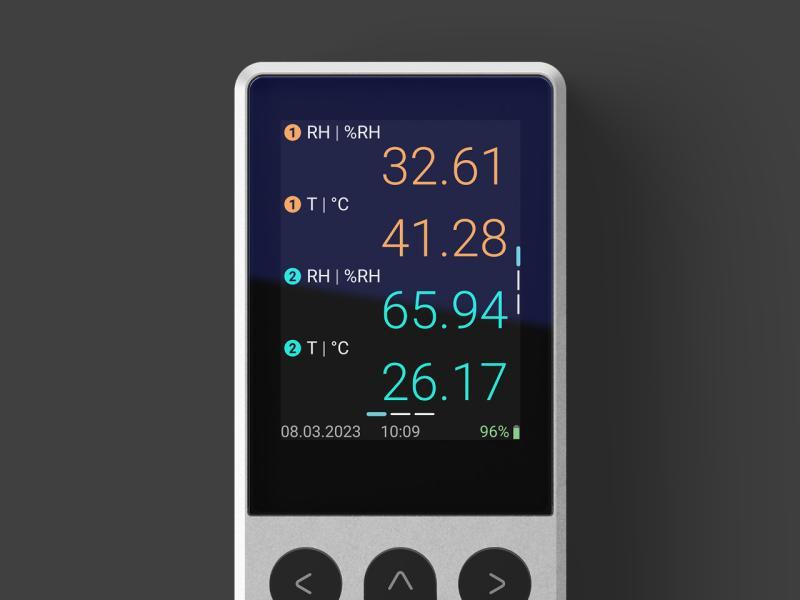
Indigo80 Handheld Indicator
The latest addition to the Indigo family of transmitters and probes, the Indigo80 is a compact, handheld indicator and data logger. Ideal for field…
Application note
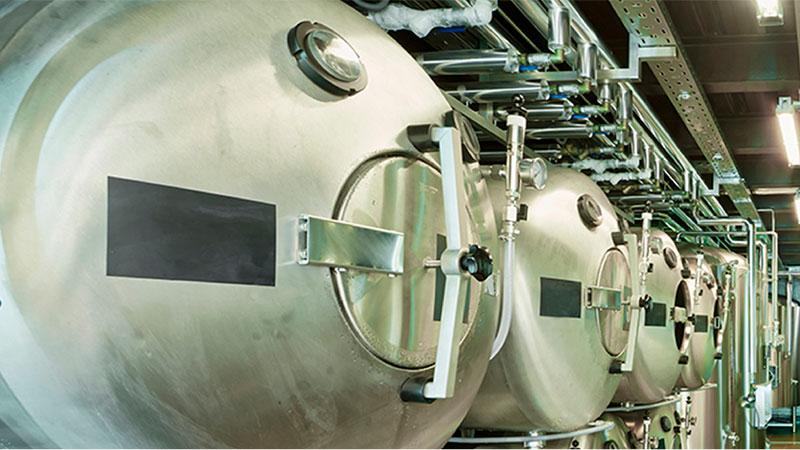
The oxygen and carbon dioxide levels are measured from the exhaust gas. The gas temperature is typically 25 °C - 30 °C and the relative humidity is around 100%. The exhaust gas may also contain ammonia, since the substance is used to control the pH levels of the fermentor broth.
Also the humidity of the fresh air blown into the fermentor is measured. The demanding surroundings require reliable measurement instruments. The CO2 concentration of the enzyme production process is monitored in order to get a picture of the state of the process. The level of CO2 is an indication of the metabolic activity of the mold or bacteria, and the information is used to control the feed of new nutrient pulses to the process.
The correct level depends on the microbial strain and the fermentation process itself, and it is a matter of experience to know when a new nutrient pulse should be fed into the process. It is essential to ensure that fresh air supply to the bioreactor is sufficient to keep the fermentation process on-going. Exhaust gas measurements are generally taken from a secondary line, which enables removing undesired elements such as foam or excess humidity from the exhaust gas.
The carbon dioxide concentration of the enzyme production process is typically from 0 to 5% of CO2, in exceptional cases concentrations as high as 10% of CO2 can be measured.
In a fermentation process where mold is elevated, the carbon dioxide concentration is typically around 1 or 2% of CO2. The oxygen concentration of the exhaust gas also depends on the metabolism. Often the metabolism consumes O2 as much as it produces CO2. The relation of the volume of CO2released to the volume of O2 consumed is called the respiratory quotient (RQ).
The humidity of the fresh air blown into the bioreactor can be reliably measured with Vaisala humidity instruments.
Carbon dioxide can be monitored with the Vaisala CARBOCAP® Carbon Dioxide Probe GMP251.
Vaisala instruments are accurate, reliable and require minimal maintenance. They help to minimize the downtime of the fermentation process.
The latest addition to the Indigo family of transmitters and probes, the Indigo80 is a compact, handheld indicator and data logger. Ideal for field…
The latest addition to the Indigo family of transmitters and probes, the Indigo80 is a compact, handheld indicator and data logger. Ideal for field…
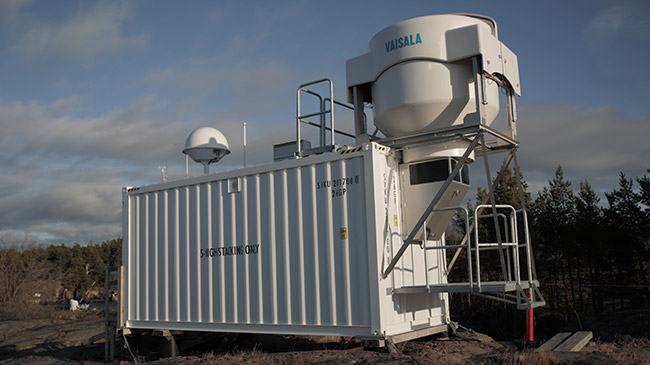
Upper air soundings provide the crucial data necessary for a complete atmospheric weather profile that leads to accurate forecasting. However…
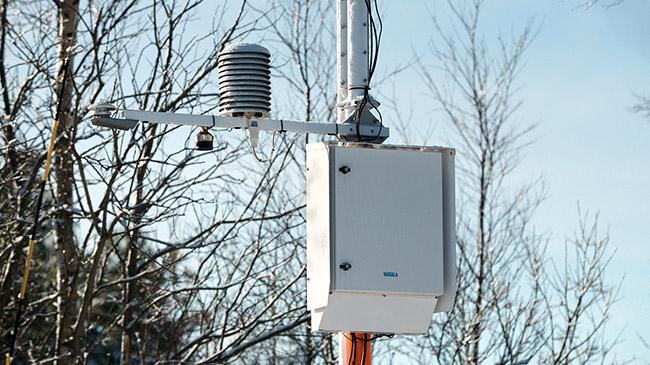
Vaisala Automatic Weather Station AWS310 is a complete communication and weather observation solution that can be used as a standalone unit, or as…
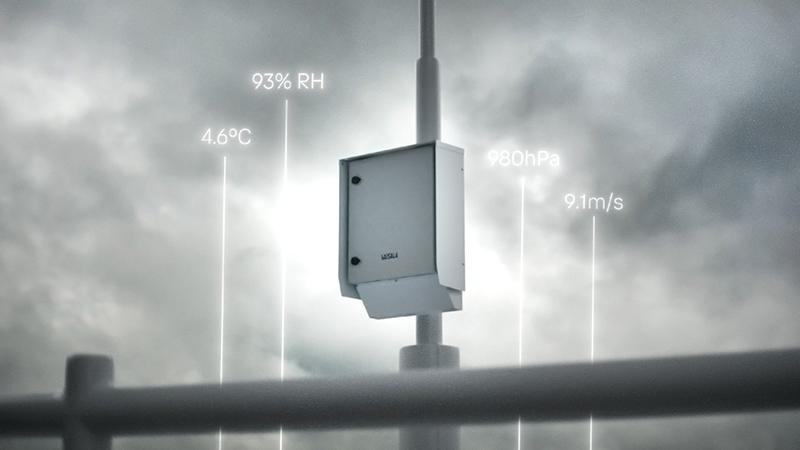
Our next-generation, cyber secure and modular Maritime Automatic Weather Station AWS830 is engineered for harsh marine environments and compliant…
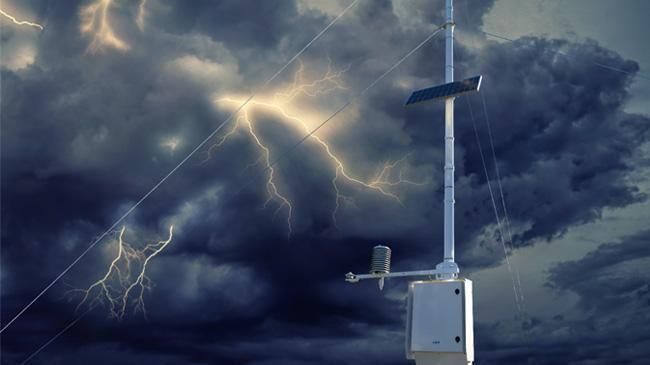
The Vaisala Automatic Weather Station AWS810 enables modern, high-quality surface weather observation networks anywhere in the world.
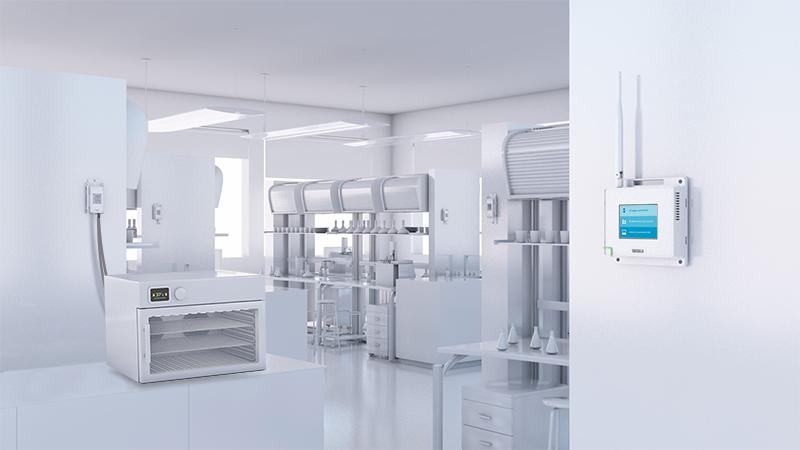
The Vaisala viewLinc Monitoring System tracks environmental conditions wirelessly using Vaisala’s VaiNet wireless devices based on LoRa®* technology…

One of the most important requirements to reduce cooling costs is to measure conditions properly in the first place. The first things to consider are:
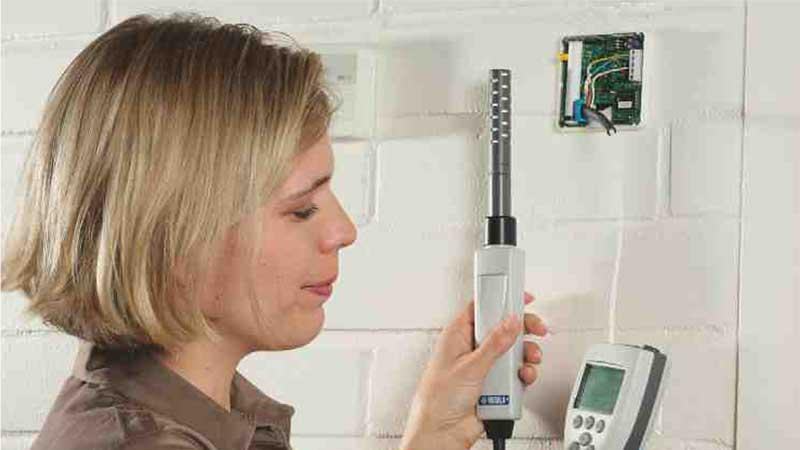
Carbon dioxide and other gases consisting of two or more dissimilar atoms absorb infrared (IR) radiation in a characteristic, unique manner. Such…
Another approach to preventing explosions is to install electrical equipment inside of “explosion proof” housings. These housings can withstand…
A specialist replies with the solution, the instrument and the service that fit.
Products to quote
No products yet. An enquiry can be sent anyway: a specialist answers.