
Dew Point in Industrial Drying
Why industrial drying seeks the right balance between quality and energy consumption, and why HUMICAP® and DRYCAP® cover different humidity ranges…
Application
for Energy Efficiency and Continuous Quality
Content from Vaisala · retrieved on View the original source
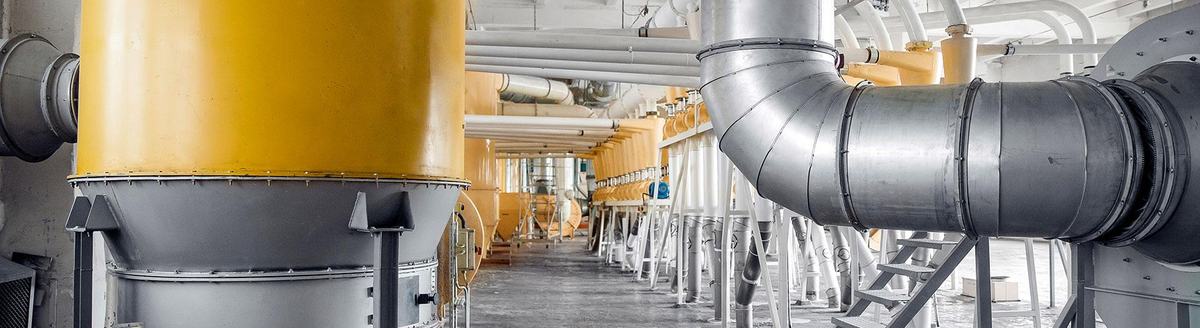
Has your drying process ever let you down? Poor energy efficiency, end-product quality issues, and equipment corrosion are common problems in drying processes lacking proper measurement instrumentation. The amount of humidity in air plays a critical role when drying everything from wood to ceramics to whey powder, and even compressed air.
A lack of accurate temperature and humidity measurement in industrial processes can lead to a variety of problems, for example, to overdrying which causes increased energy usage and additional costs that a company could do without. Higher energy consumption contributes to a larger carbon footprint, which can affect a company’s sustainability goals.
Insufficient drying can leave moisture in materials, promoting the growth of mold and mildew, which can be harmful to health and damaging to products. Under-dried products may not meet quality standards, leading to customer dissatisfaction and potential returns.
Inadequate drying may increase maintenance costs because moisture can cause machinery to rust and deteriorate faster, leading to higher maintenance and replacement costs.
Products that are not properly dried may require additional drying time, causing delays in production schedules and delivery.
Addressing these issues requires careful monitoring and control of drying processes, investment in efficient equipment, and regular maintenance to ensure optimal performance.
Vaisala has the measurement instruments to solve your drying issues. For your industrial drying process, this means energy savings, reduced equipment stress and breakdowns, and improved end-product quality.
Compressed air that is clean and dry can be ensured by accurate dew point measurement instruments. By using stable dew point measurement you can also avoid over-drying and save energy.
Drying is one of the costliest operations in a battery manufacturing dry room. Drying is also a delicate act as overdrying is expensive and underdrying is dangerous.
Accurate humidity monitoring of the drying air is needed to optimize the drying process.
Optimized spray drying of powders saves you energy and costs. Finding the optimal conditions and being able to keep them stable is the key to lower cost and energy efficient manufacturing.
Applications such as bread baking and cereal manufacturing, for example, must have a carefully controlled humidity level in the dryers and ovens in order to keep quality and yield high and to give distinctive characteristics to the finished product.
Drying is an essential process in the manufacturing of various construction materials like tiles, bricks and gypsum board. Typically the dried material is not measured directly, but rather indirectly through water vapor measurement of the process air.
It is important to know how concrete is drying to enable better project planning and timing.
Relative humidity along with time and temperature affect wood drying. Normally these parameters are based on previous drying experience, with the goal being to optimize drying time while minimizing wood cracking.
Why industrial drying seeks the right balance between quality and energy consumption, and why HUMICAP® and DRYCAP® cover different humidity ranges…
Carbon dioxide and other gases consisting of two or more dissimilar atoms absorb infrared (IR) radiation in a characteristic, unique manner. Such…
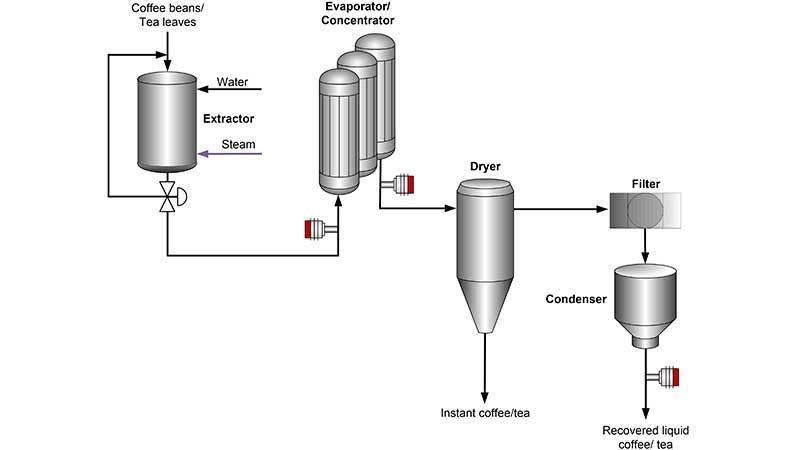
Coffee and tea are the most consumed beverages worldwide after water. Coffee and tea are traditionally prepared by brewing coffee beans or tea…
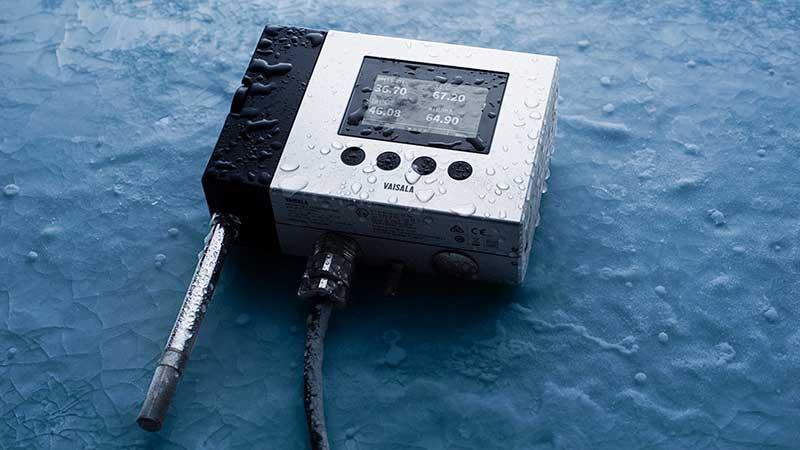
This paper discusses the following topics in order to help in selecting the right humidity instrument:
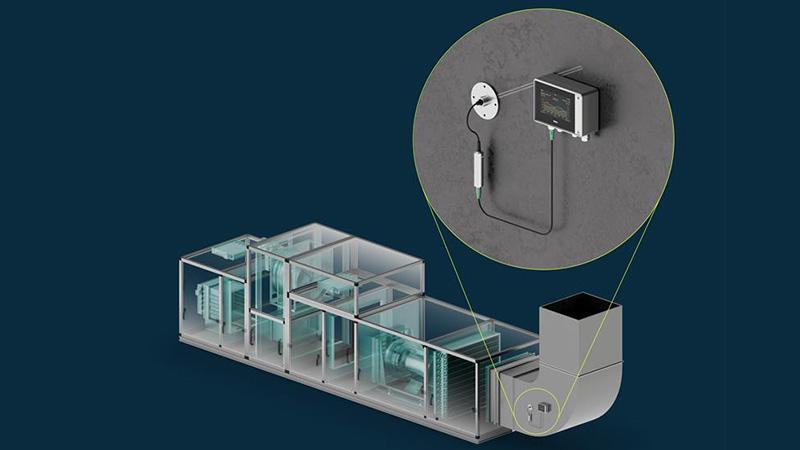
In industrial applications like secondary battery manufacturing, controlling humidity is critical to ensuring product quality and preventing defects…
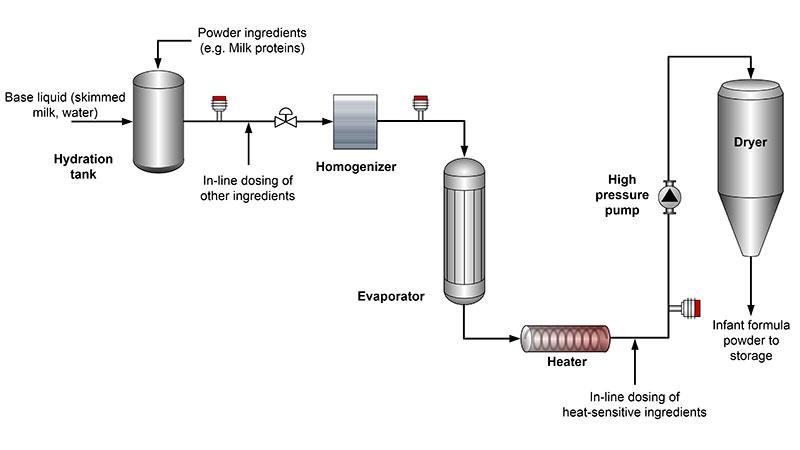
Baby milk, or infant formula, is a substitute for breast milk. It is available as either a dried powder, or as a ready-to-use canned or bottled…

Instrumentation, continuous monitoring and traceable calibration for food and beverage production, processing, storage and distribution: quality…
Each AKRIBIS One unit serves one part of the measurement cycle; together they cover it end to end.
A specialist replies with the solution, the instrument and the service that fit.
Instruments to quote
No instruments yet. An enquiry can be sent anyway: a specialist answers.