
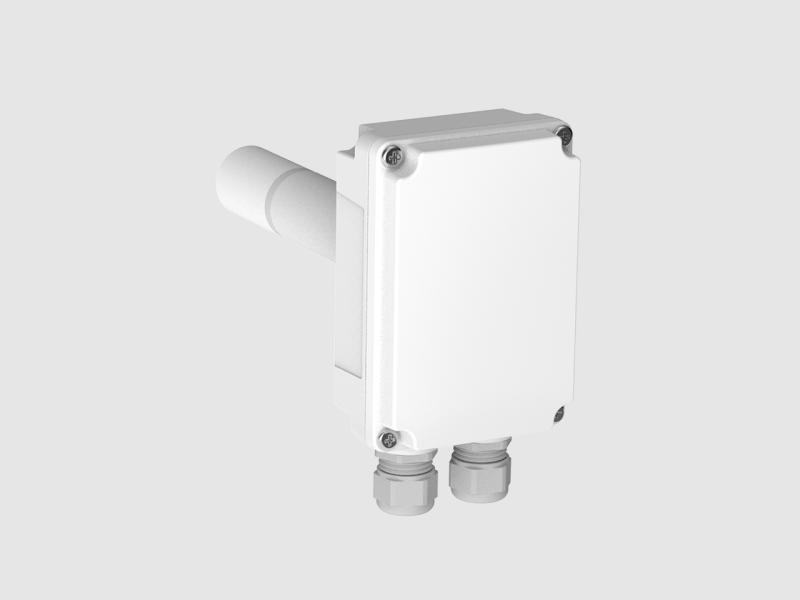
Application
Carbon Capture, Utilization and Storage
Vaisala solutions for carbon capture, utilization and storage
Content from Vaisala · retrieved on View the original source
Application
Vaisala solutions for carbon capture, utilization and storage
Content from Vaisala · retrieved on View the original source
Point-source carbon capture includes three main applications:
CO2 concentration measurement before absorption and after desorption is essential to evaluate the efficiency of the capture process, i.e. capture rate.
In membrane-type systems, CO2 concentration data signals maintenance and adjustment needs in underperforming membranes.
With solid sorbents, understanding CO2 concentration helps determine the capacity and saturation point of the sorbent material to optimize the adsorption and desorption cycles, system performance, and material lifetime.
Liquid concentration measurement helps to detect degrading of solvent, ensuring high process efficiency.
DAC technology captures CO2 molecules from the atmosphere. Several DAC technologies in different stages of development exist, using e.g. solid sorbents and liquid solvents.
DAC systems are typically modular, with capture capacities ranging from a few kilograms up to a megaton scale.
Reliable and accurate measurement of low CO2 concentration and humidity is particularly important at the R&D stage to measure the capture efficiency, understand the process kinetics, and optimize the process. Accurate measurement of low-concentration CO2 is also needed when the CO2 is extracted from the sorbent.
The need to enrich CO2 concentration over thousand-fold from atmospheric (~400 ppm) concentration to near 100% purity makes DAC highly energy intensive.
At the tail end of the process, high-concentration CO2 measurements are vital.
MGP241 Dedicated 2-in-1 probe for heavy-duty CO2 and humidity measurements especially in carbon capture
MGP261 3-in-1, Ex-rated, CH4, CO2 and H2O probe for heavy-duty carbon capture, biogas and more.
PR53GP Process refractometer for use in amine wash carbon capture processes.
MGP262 2-in-1, Ex-rated, high-concentration CO2 and low-concentration CH4 probe for biomethane offgas and heavy-duty CO2 measurement.
GMP251 For %-level CO2 measurements
GMP252 For ultra-low, ppm-level CO2 measurements.
Indigo500 Rugged transmitter, with optional display, power and data links for two probes simultaneously
Indigo80 Handheld indicator with display for quick readouts in the field
MGP241 Dedicated 2-in-1 probe for heavy-duty CO2 and humidity measurements especially in carbon capture
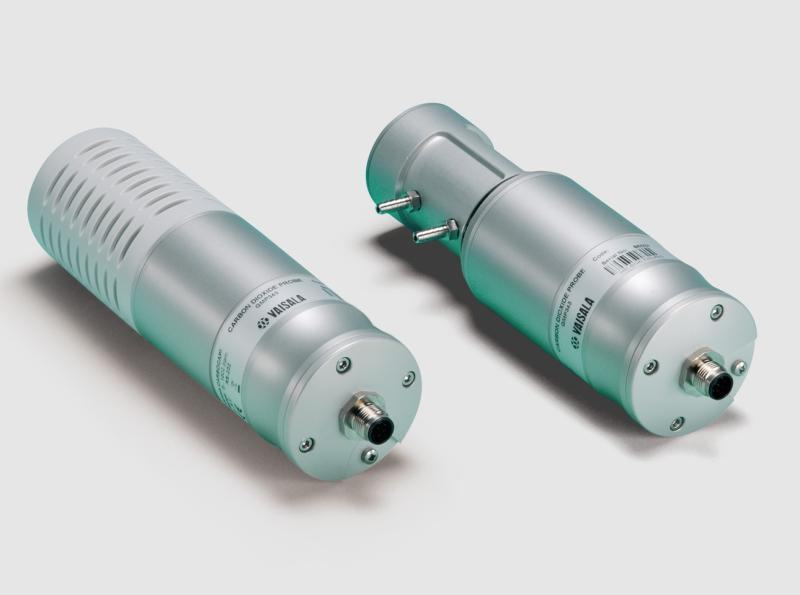
GMP343 A Direct Air Capture favorite, rugged and accurate probe for demanding measurements
GMP251 For %-level CO2 measurements
GMP252 For ultra-low, ppm-level CO2 measurements.
HMPx probes Humidity and temperature probes for extreme accuracy and long-term stability.
Indigo500 Rugged transmitter, with optional display, power and data links for two probes simultaneously
Indigo300 Series transmitters, rugged and compact
Indigo200 Series transmitters
Indigo80 Handheld indicator with display for quick readouts in the field
Vaisala is a member of the Global CCS Institute.
Take a look ahead at carbon capture in 2025 and beyond. And get an in-depth look at performance and specs of the revolutionary MGP241.
Takeaways:
• Carbon capture in 2025 and beyond
• The merits of current measurement methods and technologies
• Rethinking the what and how of CO2 measurement
• Real-life field results from reference cases
• In-depth look at the revolutionary MGP241 CO2 probe
Note: Webinar will be held in English

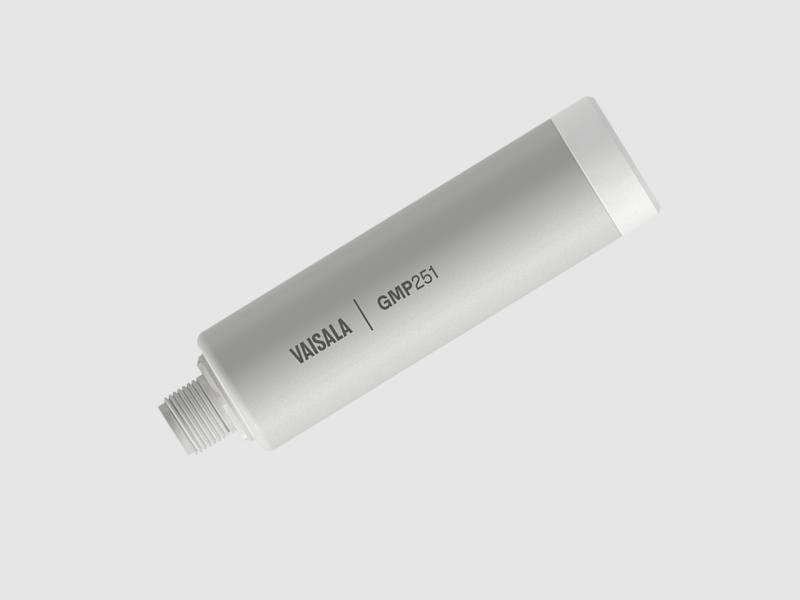
for %-level measurements in life science incubators, cold storage facilities and all demanding applications
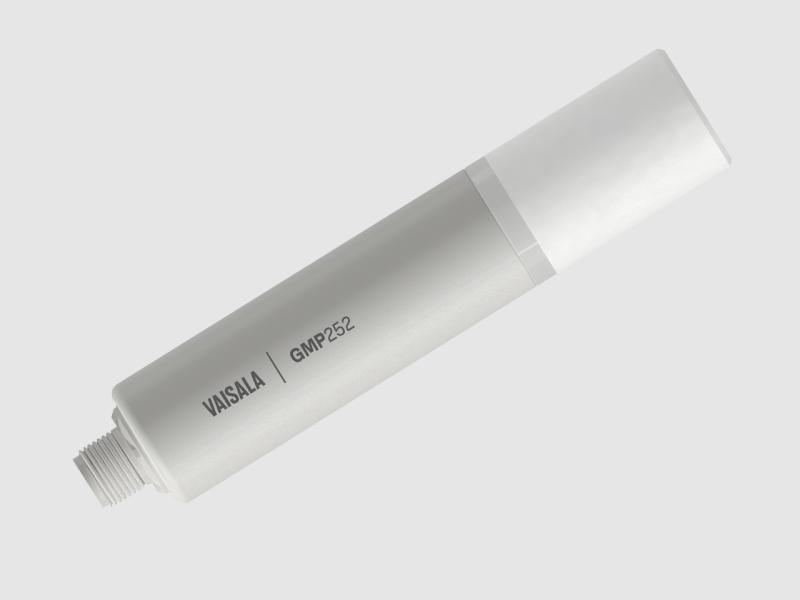
for ppm-level measurements in agriculture, refrigeration, demanding HVAC, and for plant growth manufacturers
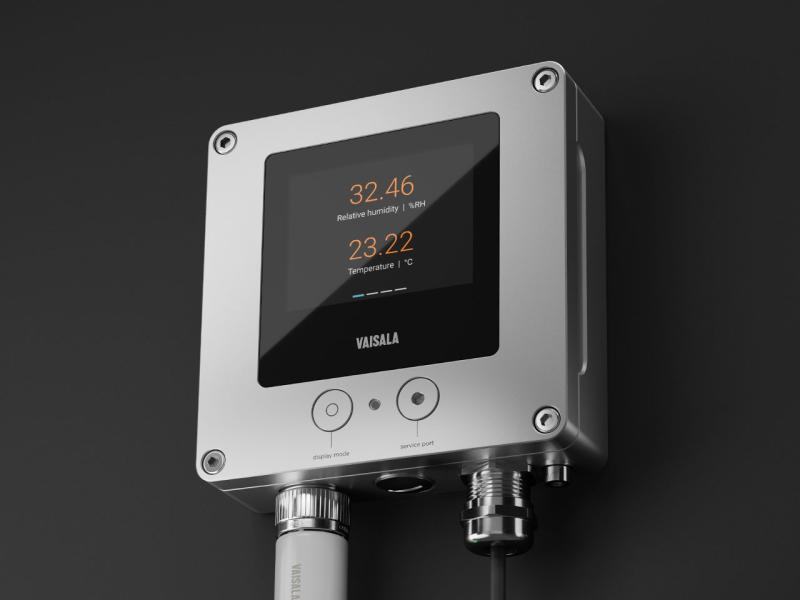
Vaisala Indigo300 transmitters are host devices for Vaisala Indigo-compatible, stand-alone smart probes. Indigo300 transmitters send measurement…
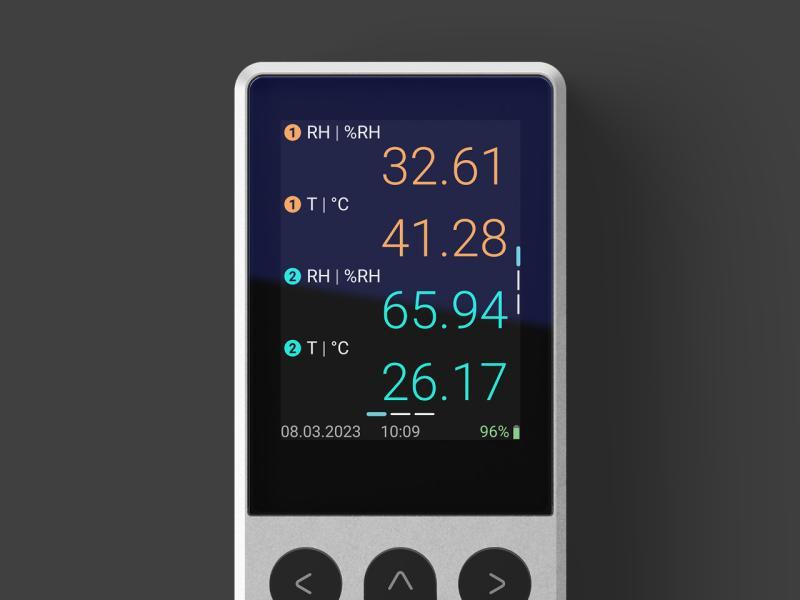
The latest addition to the Indigo family of transmitters and probes, the Indigo80 is a compact, handheld indicator and data logger. Ideal for field…

In terrestrial ecology, soil CO 2 efflux, usually measured with chamber techniques, plays an important role in the CO 2 exchange between the land…
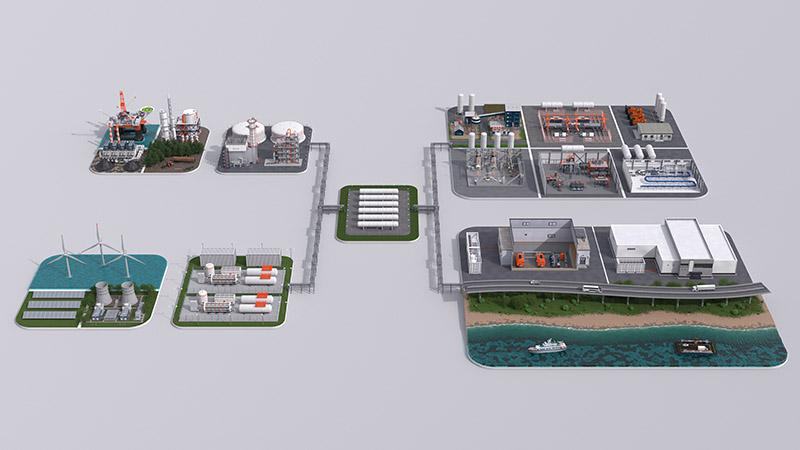
Hydrogen shows significant promise as an enabler of the green energy transition, particularly in industrial sectors where electrification is…

Global infrastructure is currently built around fossil fuels. We can’t stop using oil and gas overnight – our everyday lives still depend on them…
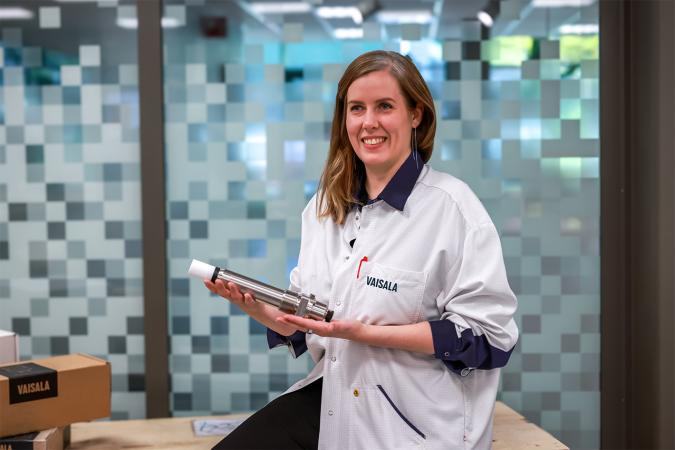
The newly launched Vaisala MGP241 is designed to offer radically smarter CO2 measurements for heavy-duty industrial use, especially in Carbon…

The newly launched Vaisala DMP370 intrinsically safe dew point instrument is designed to help can keep moisture out of the places where it could…
Instrumentation, online monitoring and services for power generation, transmission and distribution: predictive diagnostics for power transformers…
Each AKRIBIS One unit serves one part of the measurement cycle; together they cover it end to end.
A specialist replies with the solution, the instrument and the service that fit.
Instruments to quote
No instruments yet. An enquiry can be sent anyway: a specialist answers.