

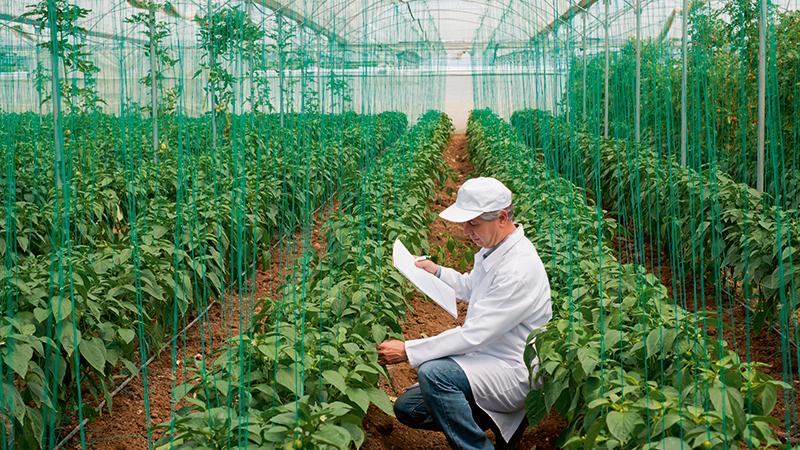
How to Measure Carbon Dioxide (CO₂)
How infrared sensors work, temperature/pressure/humidity compensation, and transmitter placement.
How infrared sensors work, temperature/pressure/humidity compensation, and transmitter placement.
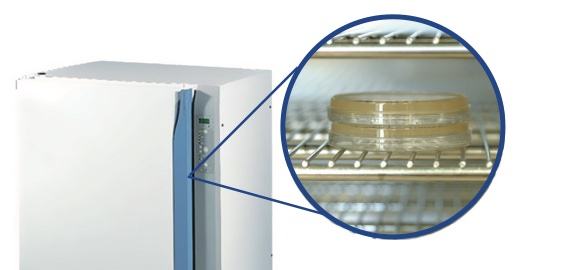
Why CO2 is critical in cell culture, the risk of condensation when measuring in high humidity and temperature, and why sterilization without removing…
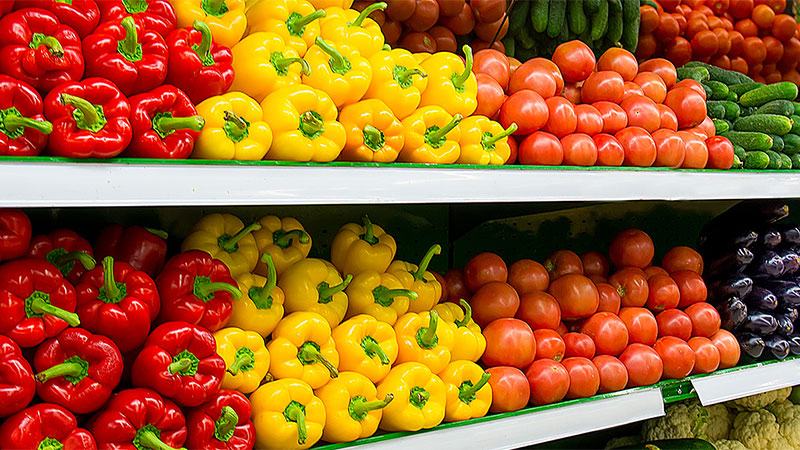
Why O2 is lowered and CO2 raised in controlled-atmosphere rooms, and which instruments withstand the cold and high humidity of this environment.

What equilibrium sampling is, why sensor heating can skew field measurements, and what range is needed for deep soil profiles.

Why demand-controlled ventilation saves energy, and why sensor quality determines whether that ventilation works reliably.
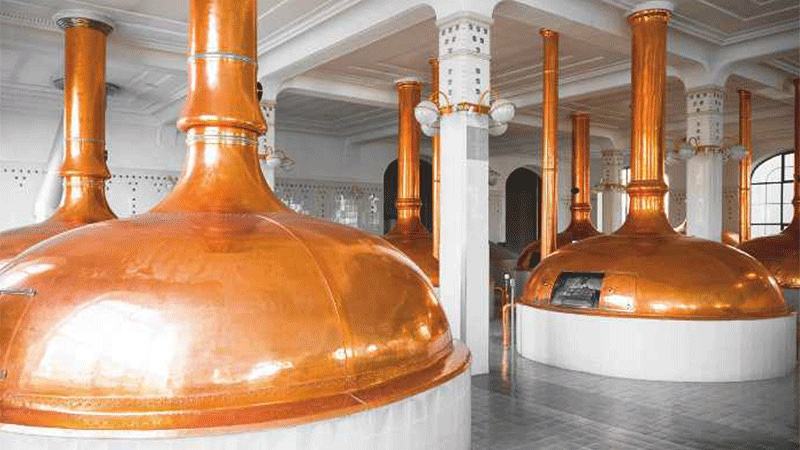
Why CO2 is a real safety risk in breweries and wineries, which areas concentrate the highest risk, and which instruments cover each concentration…
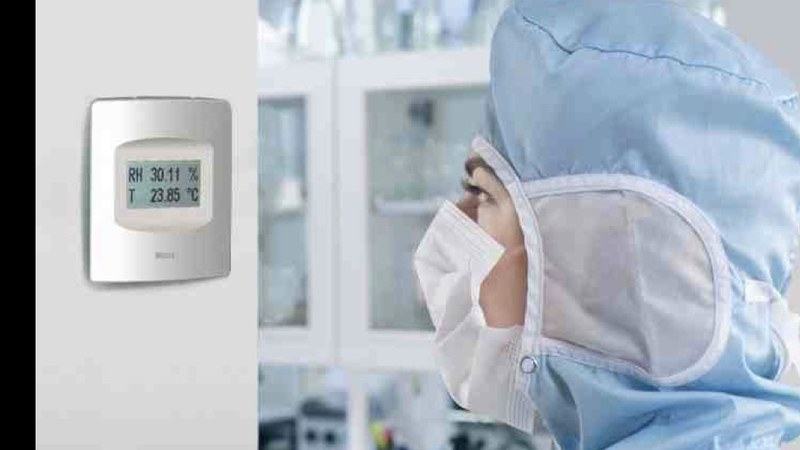
Why regulators require continuous humidity and temperature logging in cleanrooms, and how HUMICAP® technology withstands hydrogen peroxide…

The four phases of the bio-decontamination cycle, why relative humidity stops being reliable with VHP, and what PEROXCAP® technology solves.

The ranges ASHRAE recommends, why dew point is a better control parameter than relative humidity, and how sensor accuracy impacts energy consumption.
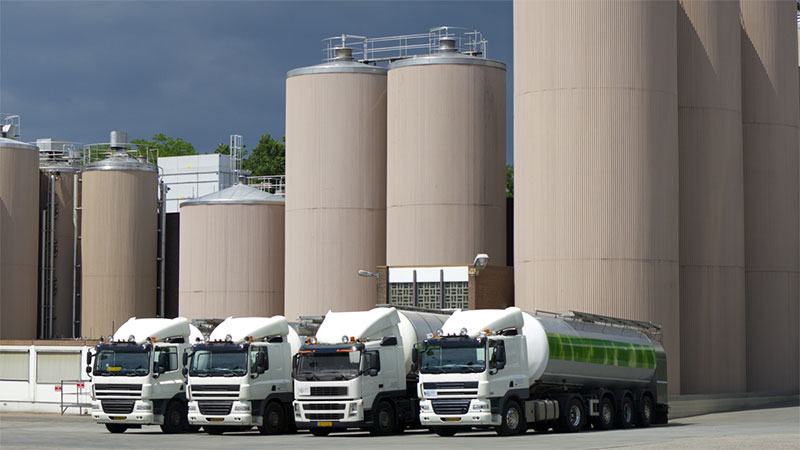
Why industrial drying seeks the right balance between quality and energy consumption, and why HUMICAP® and DRYCAP® cover different humidity ranges…
Why dew point defines compressed air quality, how it is measured at line pressure or with a sampling cell, and what the ISO 8573-1 standard requires.
Why the furnace atmosphere's moisture defines heat treatment quality, which dew point ranges are controlled depending on the process, and how to…
A specialist replies with the solution, the instrument and the service that fit.
Instruments to quote
No instruments yet. An enquiry can be sent anyway: a specialist answers.