

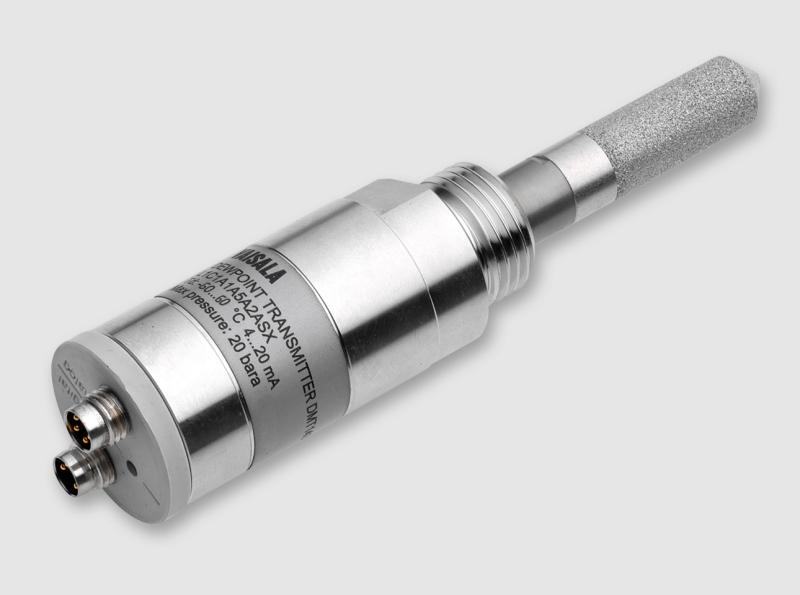
Miniature Dew Point Transmitters DMT143 & DMT143L (Long)
for OEM applications
Application note
Silicon crystal growing and casting plants are either an integrated unit of the photovoltaic manufacturer or independent sub-contract producers. They don’t need to be situated in the proximity of solar cell production plants because wafer transportation is inexpensive. Most are though, because the Photovoltaic manufacturers have invested to ensure a secure wafer supply to their cell plants.
Wafer processing starts with cutting ingots into bars, then slicing them with a wire saw into wafers (slightly thicker than a compact disc). The product is then cleaned in preparation for cell manufacturing. The cleaning phase consists of an acetic or lactic acid bath, where the wafers are immersed in order to remove glue and other residues such as Si particles from the wafer surfaces.
Solar cell plants then take the cleaned wafers through a high-technology processing sequence to create the final solar product.
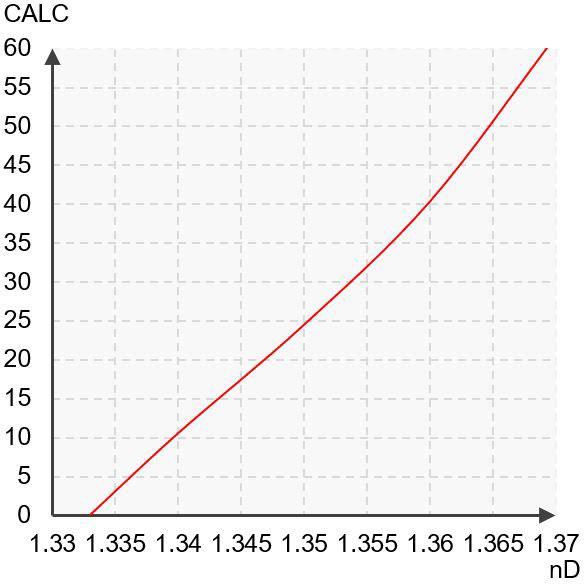
Chemical curve: Acetic acid R.I. per Conc% b.w. at Ref. Temp. of 20˚C
The lactic or acetic acid bath is typically kept at a concentration between 30 % and 50 %.
Vaisala Polaris™ PR53S Semicon Process Refractometer measures the bath concentration and helps to optimize the consumption of chemicals, and also to determine the exact timing for bath replenishment. Subsequently, an important task is to be able to control the concentration of the bath chemistry. As the chemical calibration curve (on the left) shows, the correlation of refractive index versus concentration of the used chemical (acetic acid or lactic acid) is linear.
The typical process temperature is 20-40 °C (68- 104°F) and it is also measured with the PR53S. Automatic temperature compensation is crucial for the concentration measurement, as refractive index is dependent on the process fluid temperature.
Acetic acid (CH3COOH), lactic acid (CH3CHOHCOOH):

The Semiconductor Refractometer PR53S is installed in the re-circulation loop of the acid bath. Our data logging software via Ethernet allows realtime collection and printing of the concentration and temperature values and sensor diagnostic data.
The sensor output signal is used to establish the optimum level of acid concentration and to trigger the spiking of the fresh chemical.
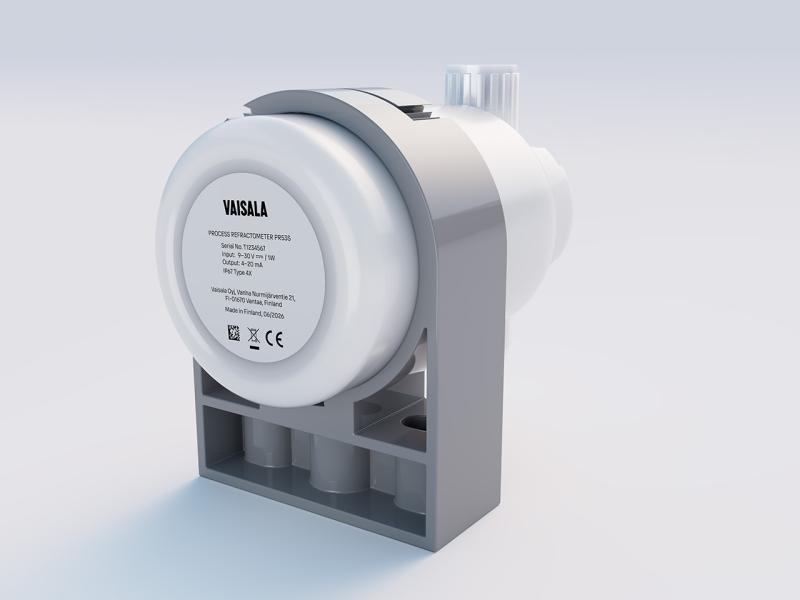
A small footprint ultrapure inline refractometer for real-time chemical concentration measurement in semiconductor wet processes.
Designed with a modified PTFE flow cell and flexible ¼–1 inch pillar or flare connections, the PR53S integrates seamlessly into wet benches, chemical distribution systems, and process tools.
Measurement range
Refractive index (nD) 1.3200 - 1.5300, corresponding to 0-100% by weight.
for OEM applications
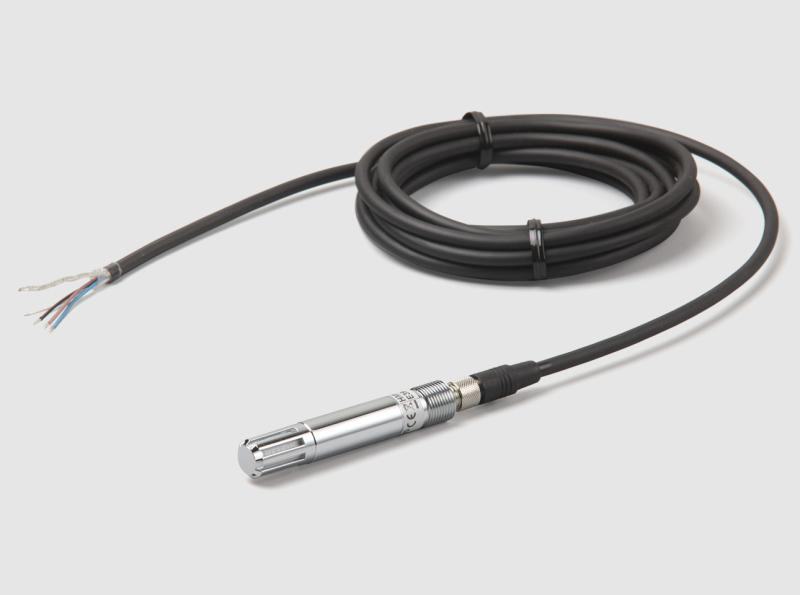
with ±1.5%RH accuracy for demanding volume applications

Upper air soundings provide the crucial data necessary for a complete atmospheric weather profile that leads to accurate forecasting. However…
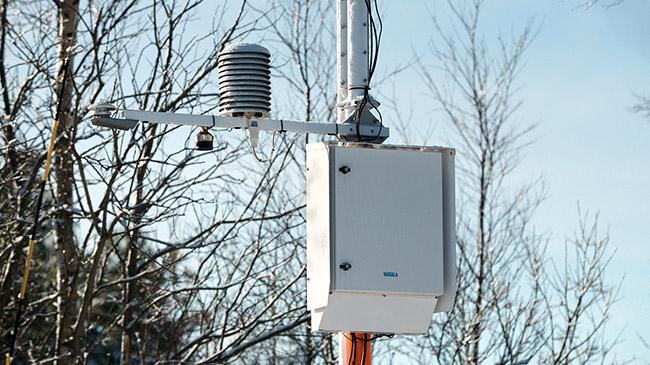
Vaisala Automatic Weather Station AWS310 is a complete communication and weather observation solution that can be used as a standalone unit, or as…
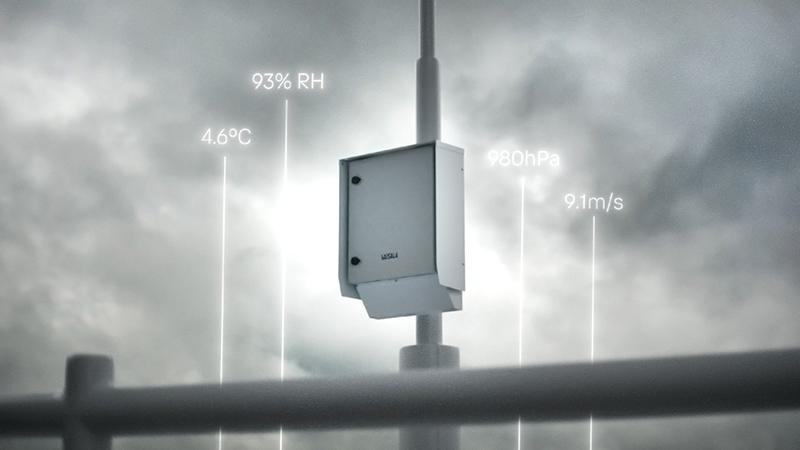
Our next-generation, cyber secure and modular Maritime Automatic Weather Station AWS830 is engineered for harsh marine environments and compliant…

The Vaisala Automatic Weather Station AWS810 enables modern, high-quality surface weather observation networks anywhere in the world.
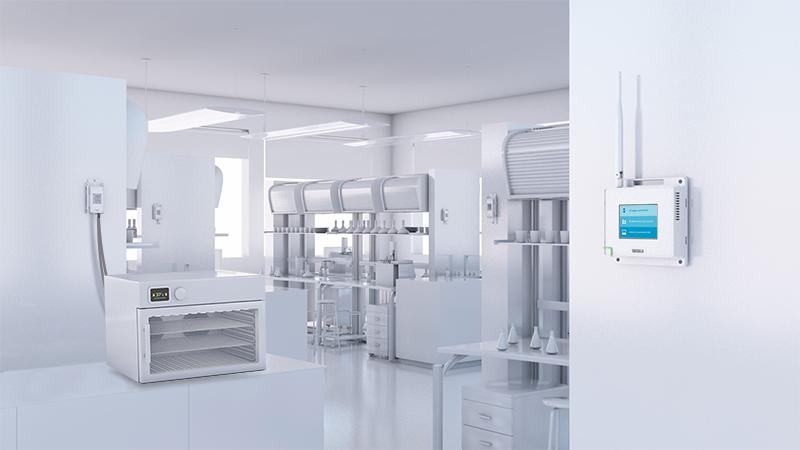
The Vaisala viewLinc Monitoring System tracks environmental conditions wirelessly using Vaisala’s VaiNet wireless devices based on LoRa®* technology…

One of the most important requirements to reduce cooling costs is to measure conditions properly in the first place. The first things to consider are:
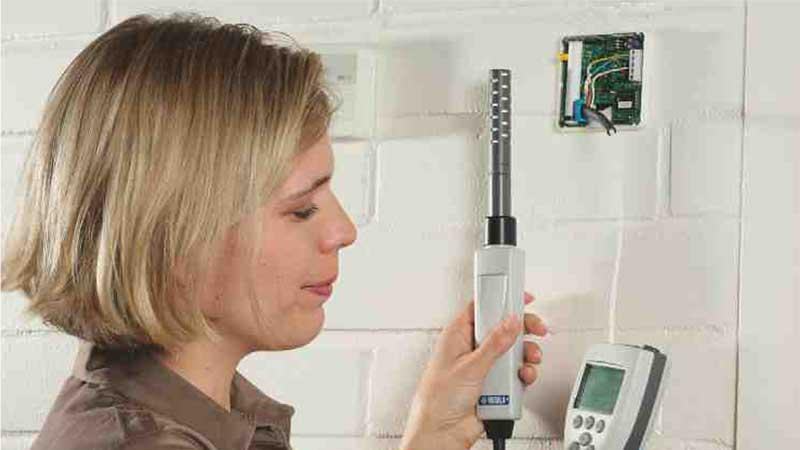
Carbon dioxide and other gases consisting of two or more dissimilar atoms absorb infrared (IR) radiation in a characteristic, unique manner. Such…
Another approach to preventing explosions is to install electrical equipment inside of “explosion proof” housings. These housings can withstand…
A specialist replies with the solution, the instrument and the service that fit.
Products to quote
No products yet. An enquiry can be sent anyway: a specialist answers.