

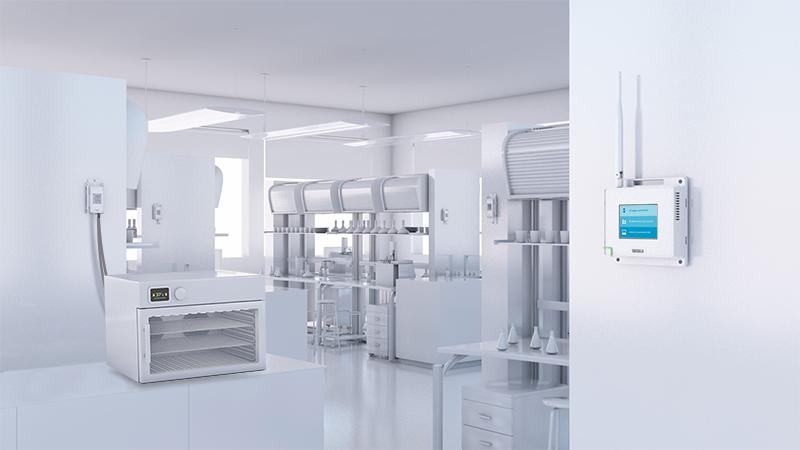
Cutting Edge Wireless Technology for Environmental Monitoring
The Vaisala viewLinc Monitoring System tracks environmental conditions wirelessly using Vaisala’s VaiNet wireless devices based on LoRa®* technology…
Application note
In animal research facilities, both air quality and ambient noise levels are critical. Airborne contaminants-such as VOCs, particulates, and odors-can compromise animal welfare and research outcomes. Simultaneously, excessive noise from equipment can stress animals and disrupt sensitive studies. Facility managers and researchers increasingly recognize the need for air purification solutions that deliver clean air without adding disruptive sound.
Many high-performance air purifiers sacrifice quiet operation for filtration power. In animal research settings, however, maintaining low sound levels is essential. Studies and guidelines recommend keeping noise below 70 dB in animal housing areas, with optimal comfort achieved below 60dB. Typical air purifiers can reach 65–70 dB at high speeds-levels that can be as loud as a busy office or even a vacuum cleaner. For reference, some popular models operate between 56–71 dB at their highest settings, often creating a noisy environment that can impact both animals and staff.
| Fan Speed | w/ Carbon Filter | w/o Carbon Filter | dB |
|---|---|---|---|
| Low Speed | 160 CFM (425m3/hour) | 215 CFM (5093/hour) | 51dB |
| Medium Speed | 260 CFM (4253/hour) | 360 CFM (8493/hour) | 56dB |
| High Speed | 390 CFM (8503/hour) | 500 CFM (1,8893/hour) | 59dB |
Show all FILTR technical specifications
Technical Specifications
Features Filtration: Pre Filter, Activated Carbon Filter, HEPA (98 sqft media), Bi-Polar Ionization EN 1822 classification for HEPA: HEPA Class H13 HEPA Efficiency: 99.97% Removal Efficiency of 0.3µm of 500 CFM
99.99996% Removal Efficiency of 0.5µm at 500 CFMUltra-Fine Particle Efficiency: 99.97% Removal Efficiency of 0.023µm of 500 CFM
Total System Efficiency: 99.995% (Cert Supplied with every unit) Ozone Emissions: None / CARB Certified Onboard Sensors: Particle Mass (PM2.5) | VOC | Temperature, Humidity Housing: Reflective White Powder Coated Aluminum Control: Local Switch or Remote Via WiFi and Phone App Sound Power Levels: Low 51dB
Medium 56dB
High 59dBFan Speeds: 3 Fan Speeds (Low, Medium, High) Power Requirements: 100-120 volts 60 Hz/2.0 amps or 220-240 volts 50/60 Hz/1.1 amps Dimensions and Weight: Height: 30.5”
Width: 15.3”
Weight: 39 lbs

FILTR Revolution is engineered to address both air quality and noise concerns:
Combining H13 HEPA filtration, activated carbon, and ozone-free bipolar ionization, FILTR Revolution removes VOCs, odors, and pathogens-protecting animal health and research integrity without the trade-off of excessive noise
FILTR Revolution consistently operates below the noise output of many comparable filtration units, which often exceed 65 dB at similar airflow rates. This quiet performance is especially significant in animal research environments, where minimizing stress and maintaining a peaceful atmosphere are paramount.
FILTR Revolution delivers up to 390 CFM with the carbon filter installed (and up to 500 CFM without), providing cleanroom-level air changes per hour in a wide range of environments. It maintains this performance while keeping sound levels comparable to a typical office or quiet conversation — making it ideal for spaces where both air quality and noise sensitivity matter.
FILTR Revolution is engineered to address both air quality and noise concerns:
Once installed, FILTR Revolution operates quietly in the background, supporting animal welfare, staff comfort, and research accuracy. Its flexible, portable, and mountable design allows for targeted deployment wherever air quality and low noise are most needed.
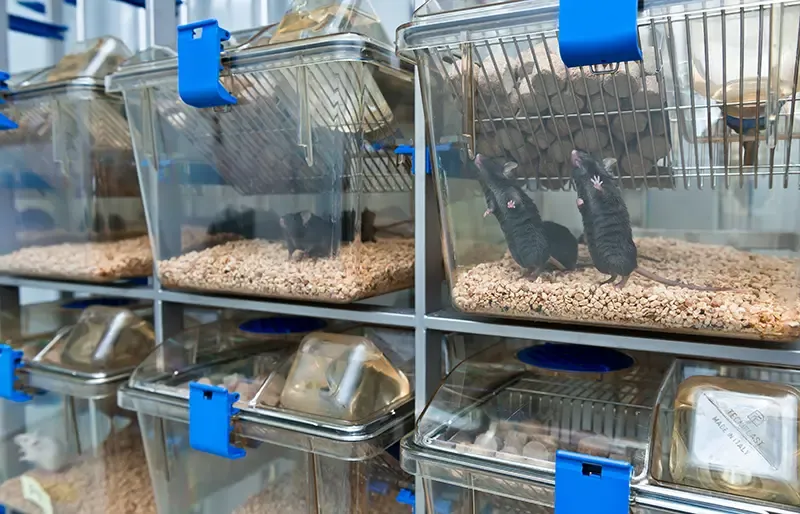
Facilities equipped with the FILTR Revolution set a new standard for animal care and scientific excellence, demonstrating that it’s possible to achieve superior air purification without compromising on sound levels.
FILTR Revolution Page
The Vaisala viewLinc Monitoring System tracks environmental conditions wirelessly using Vaisala’s VaiNet wireless devices based on LoRa®* technology…

One of the most important requirements to reduce cooling costs is to measure conditions properly in the first place. The first things to consider are:
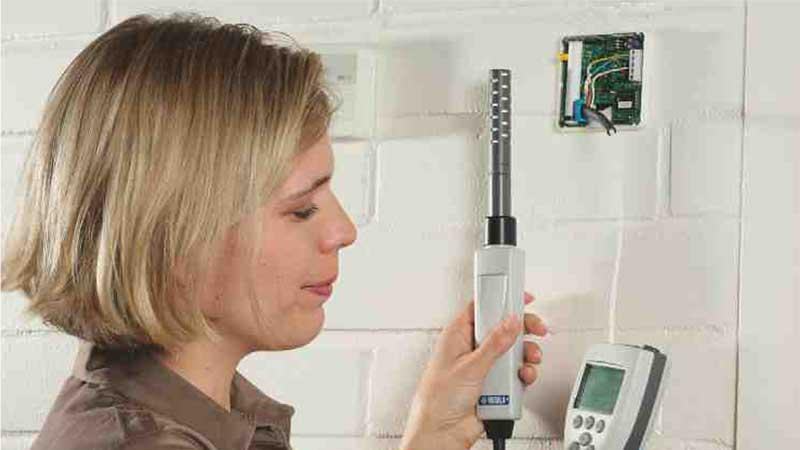
Carbon dioxide and other gases consisting of two or more dissimilar atoms absorb infrared (IR) radiation in a characteristic, unique manner. Such…
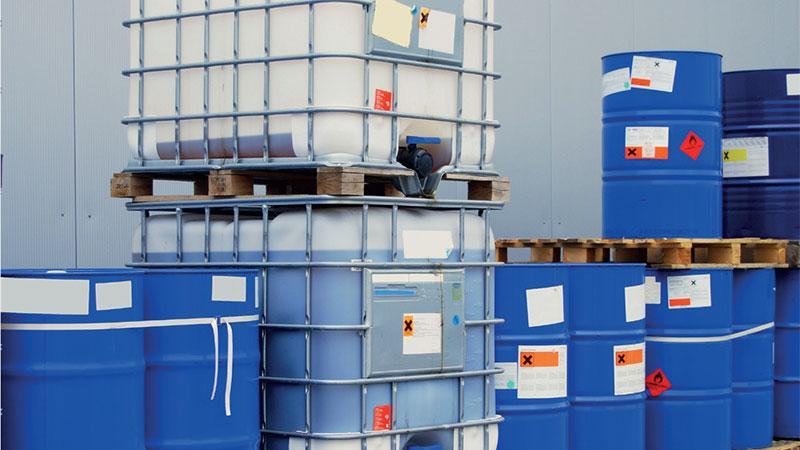
Another approach to preventing explosions is to install electrical equipment inside of “explosion proof” housings. These housings can withstand…
A specialist replies with the solution, the instrument and the service that fit.
Products to quote
No products yet. An enquiry can be sent anyway: a specialist answers.