

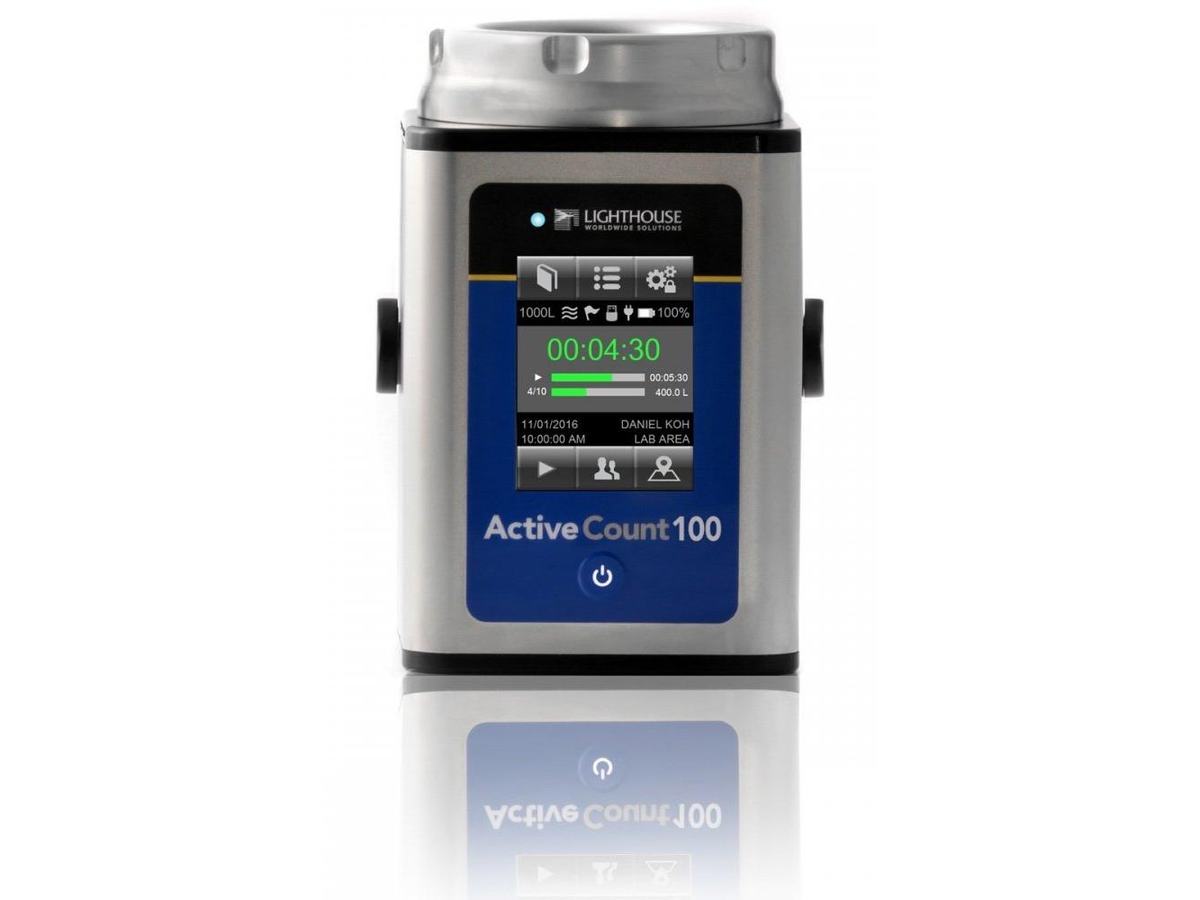
ActiveCount microbial air samplers
Meet ActiveCount… the portable microbial air sampler for cleanrooms and aseptic environments. With self-adjusting flow control and programmable…
Application note
Monitoring System Applications: Semiconductor, Aerospace, Compounding, Hospitals, Pharmaceutical, Medical Device, Bio-Pharma, Nuclear Medicine, EV Battery Manufacturing, Automotive Manufacturing, Aseptic, Pharmaceutical Manufacturing, Smart TV Screens, WFI and DI Water Systems
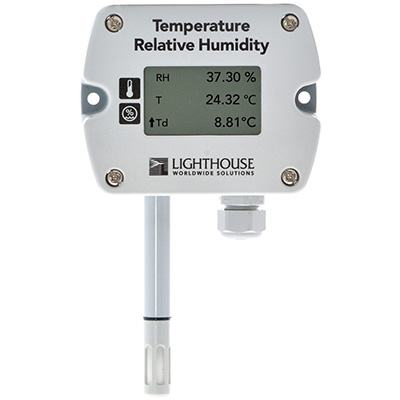
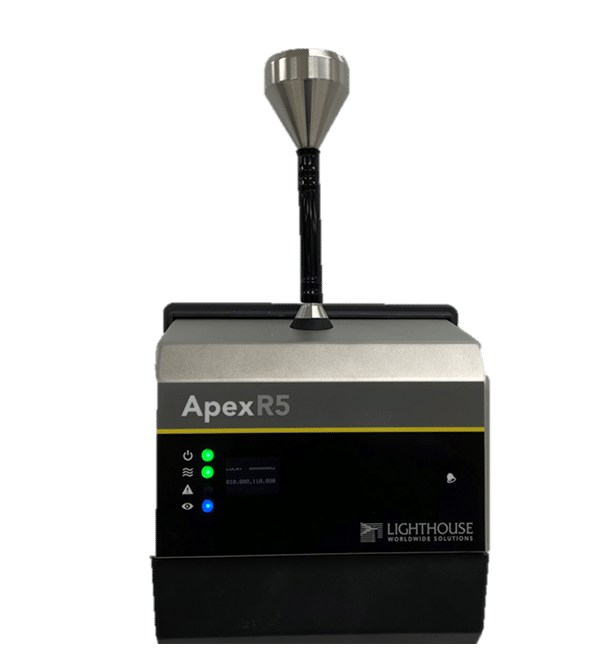
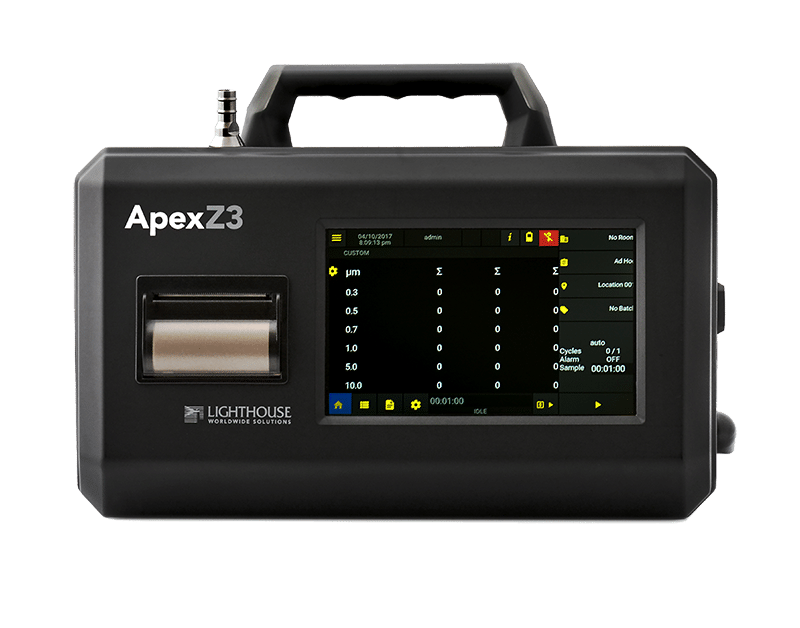
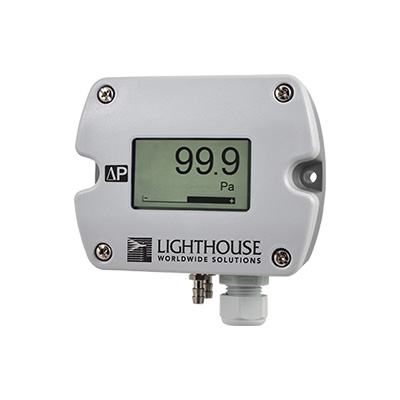
Real Time Monitoring Systems (RTMS) in Cleanrooms are a necessity for the monitoring and contamination control in many applications.
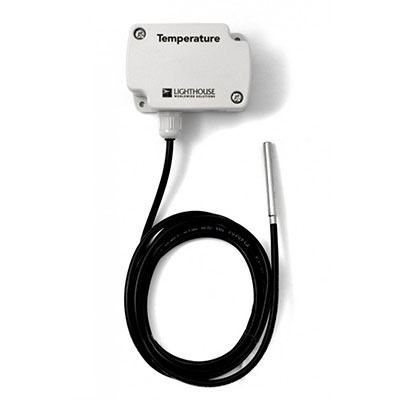
From Semiconductor to Pharmaceutical products RTMS provide real time data records and notifications of any environmental out of tolerance conditions. With such a wide manufacturing cleanroom industry to serve it is important to understand the fundamentals of a RTMS.
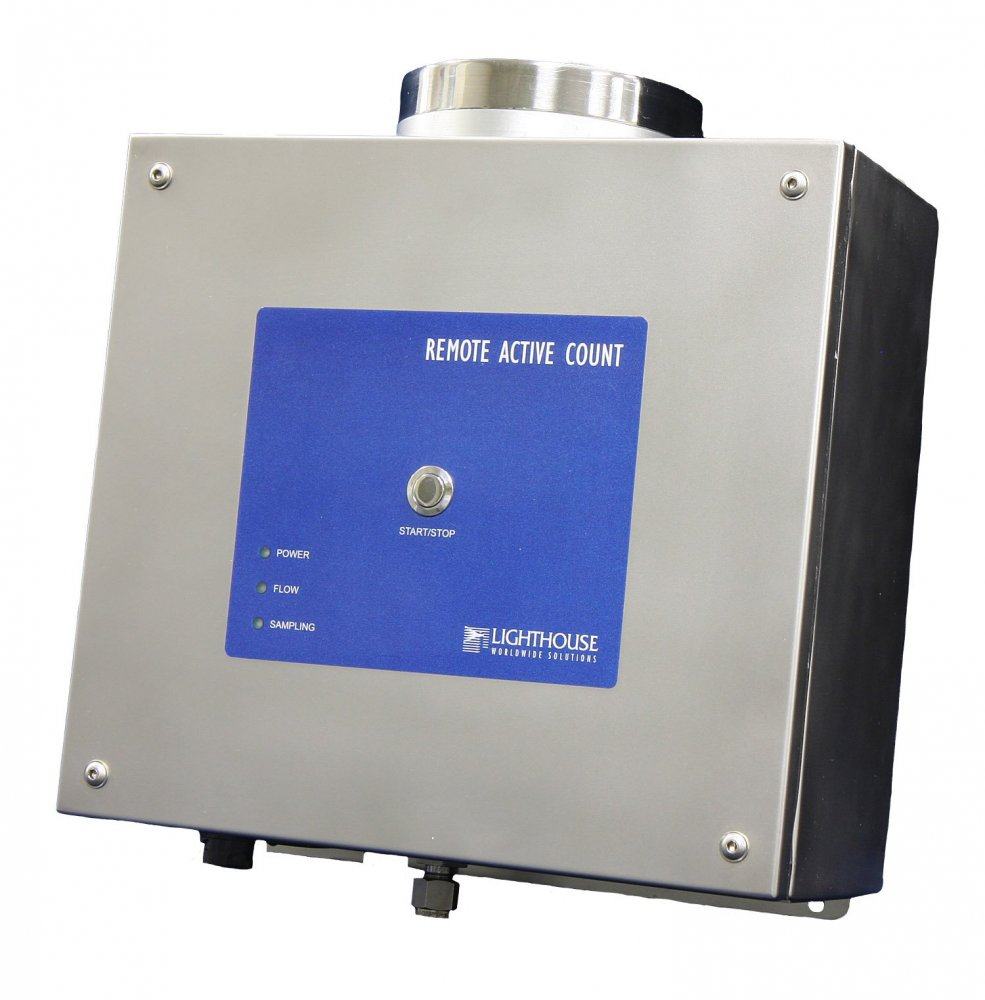
A RTMS records data in real time from multiple types of sensors. Particle Counters, Temperature, humidity, room pressures, air velocities, air samplers, door switches, gas sensors, motion detectors, are examples of sensors that are typically used in RTMS.
The starting point for any RTMS is a Risk Assessment. The risk assessment will provide an overview of the manufacturing process and the cleanroom environment and subject matter experts either inhouse or consultants or a combination of both should form a RTMS Project Group and carefully evaluate the cleanroom facility and processes. The aim of the Risk Assessment is to seek out the weakest links in the cleanroom environment and the process.
Contact Lighthouse today to discover how we can assist in implementing a tailored solution that meets your specific needs. Let’s ensure your cleanroom not only meets but exceeds industry requirements for cleanliness and efficiency. Reach out now for expert guidance and support every step of the way.
A User Requirement Specification should be generated based on the outcome of the Risk Assessment. The URS should outline the RTMS requirements to cover the needs of the process and end users. Typical URS should have information based on;
A Risk Assessment is the first step in implementing a RTMS. A project group should be put together with subject matter experts and all facility stakeholders represented across multi department managers. Outside consultants should be used when inhouse expertise is missing. The goal of the Risk Assessment is to look at the manufacturing process and see weak links and then document solutions to mitigate from product contamination
Operational Qualification (OQ) is the process of verifying that a system operates according to its design specifications and intended use within specified limits. This involves a series of tests to confirm that all parts of the system function correctly under stated conditions. Typically, OQ tests include checking the system’s software, hardware, and operational procedures to ensure they meet all regulatory and technical requirements. For a comprehensive understanding of conducting an OQ.
Performing a Performance Qualification (PQ) involves testing the system in its actual operational environment to ensure it performs as expected under real-world conditions. This step is crucial after Operational Qualification (OQ) and involves detailed testing of the system’s performance, including its ability to function according to the predefined criteria and specifications under variable conditions. It typically includes real use scenarios to validate the overall reliability and readiness of the system, focusing on its error response mechanisms and operational effectiveness.
What is Operational Qualification (OQ)?A: OQ tests system operation within specified limits, verifying critical attributes. What does Performance Qualification (PQ) involve?A: PQ ensures system performance in its actual environment, focusing on readiness and error response. Why are both PQ and OQ important?A: They guarantee system reliability and compliance, essential in sensitive environments.
Sign Up
Meet ActiveCount… the portable microbial air sampler for cleanrooms and aseptic environments. With self-adjusting flow control and programmable…
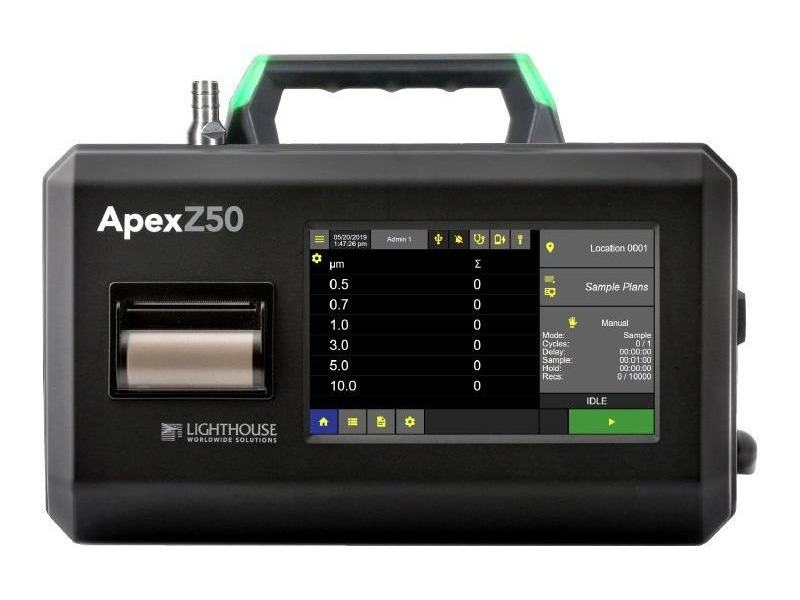
Meet ApexZ: your ultimate partner in maintaining pristine cleanroom environments. This state-of-the-art airborne particle counter goes beyond simply…
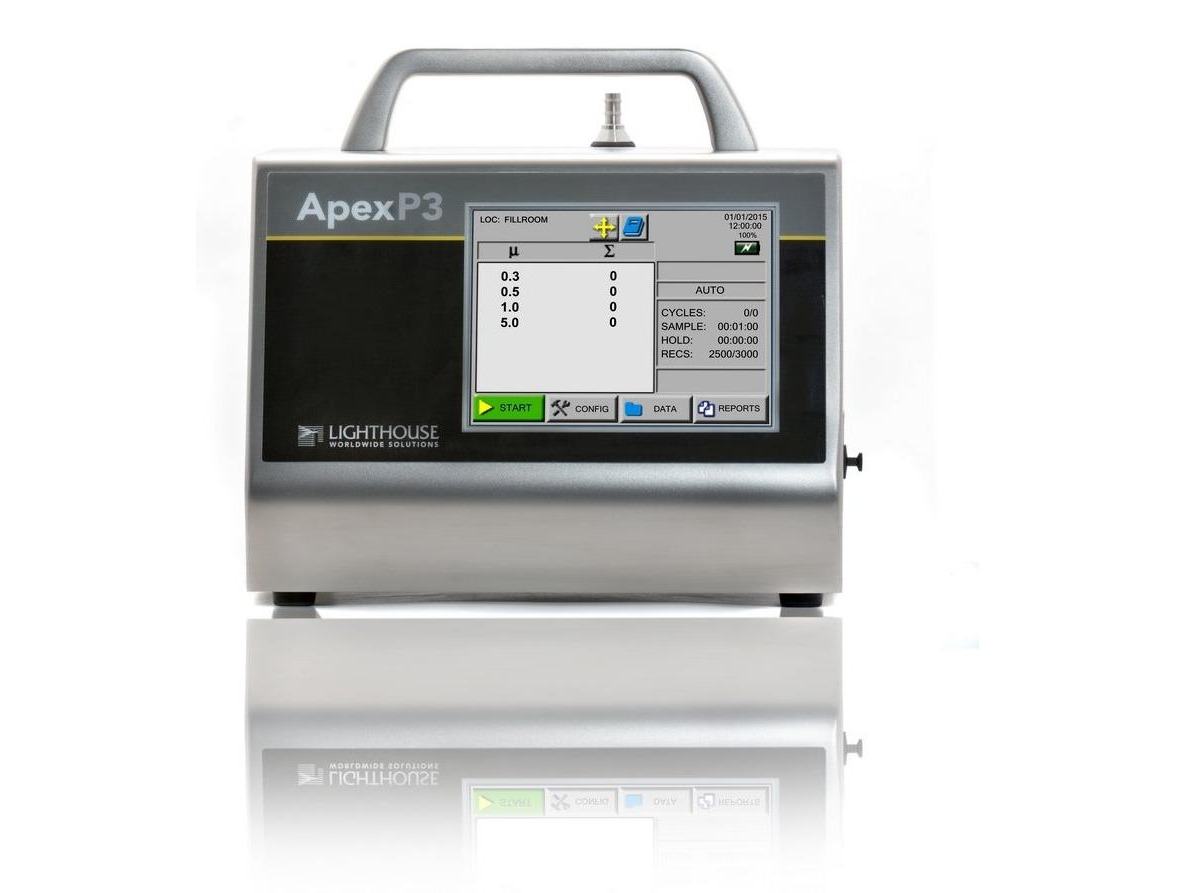
The ApexP is our lightest, smallest portable particle counter. Designed with Self Diagnostics, VHP Compatibility, and Remote Access via the internal…
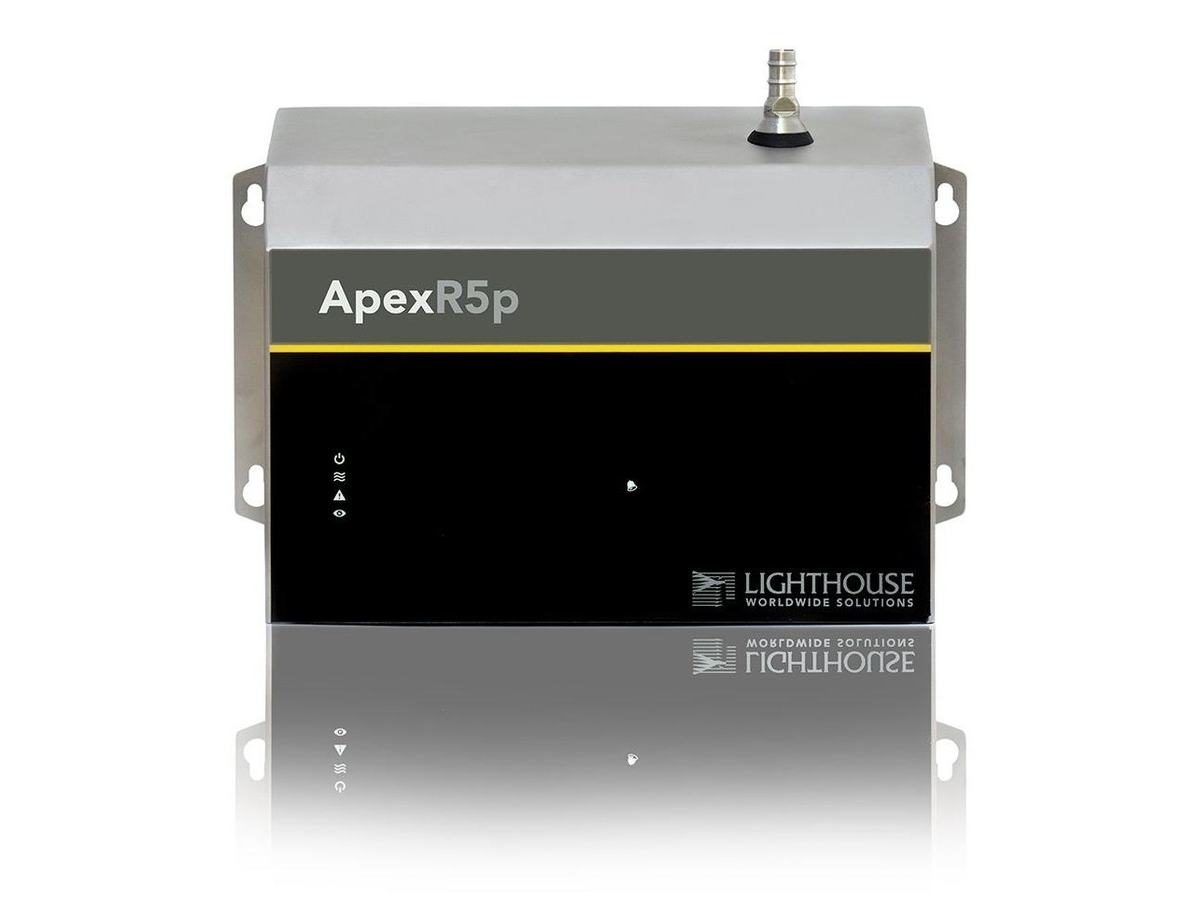
If the integrity of your data is mission critical as it is in GMP regulated industries, if risk mitigation of data errors and sensor failures matters…
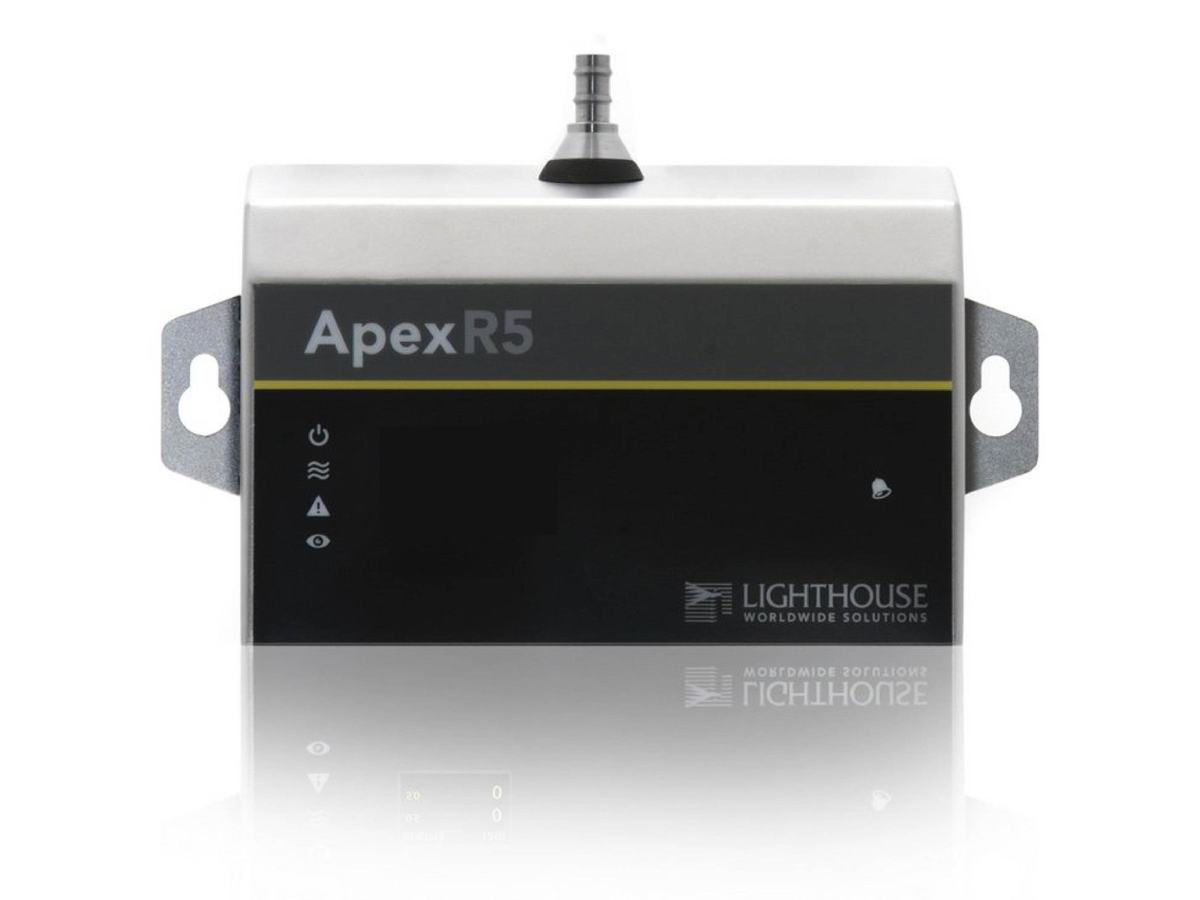
ApexR remote airborne particle counters set the benchmark for environmental monitoring in GMP-regulated industries, offering unparalleled data…
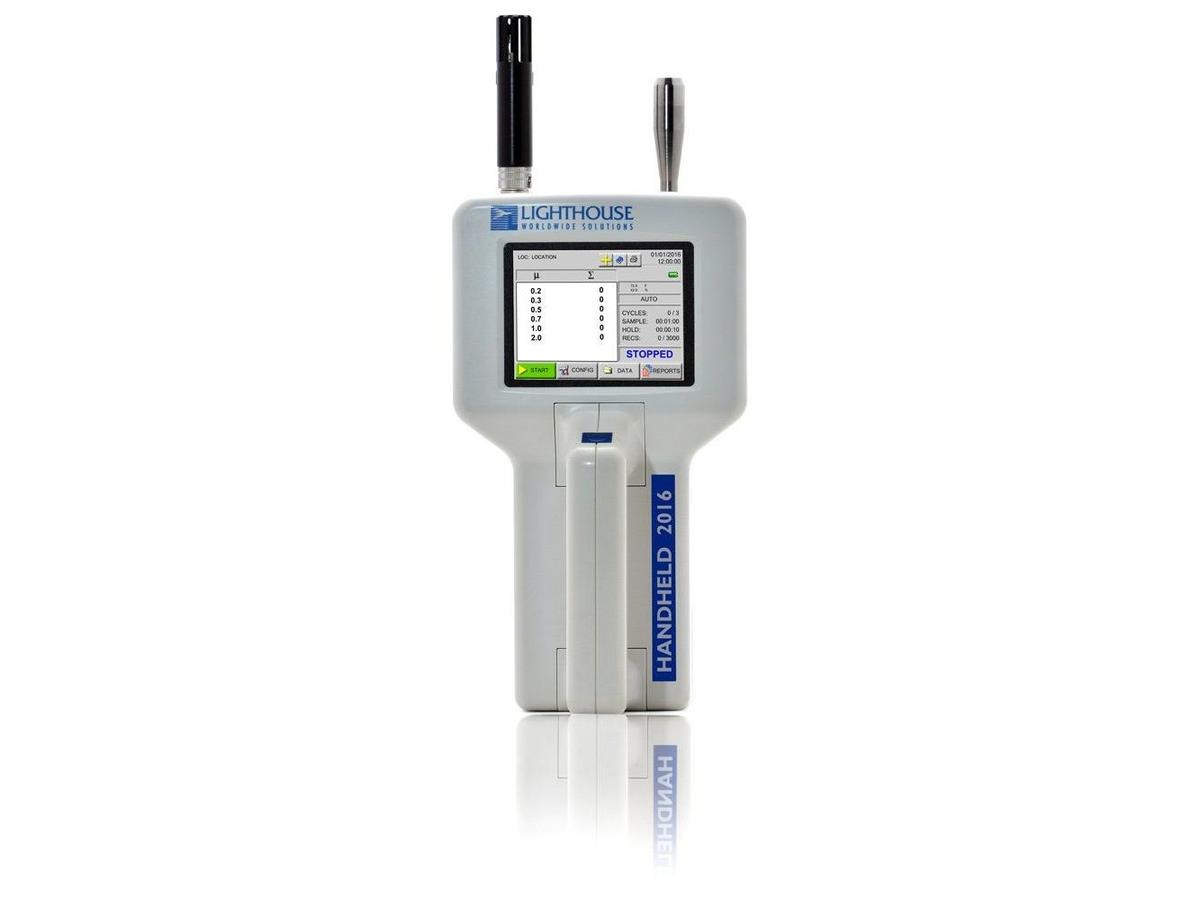
Lighthouse’s Handheld Particle Counters are feature-rich instruments that are ideal for spot-checking inside of your critical environments or Indoor…
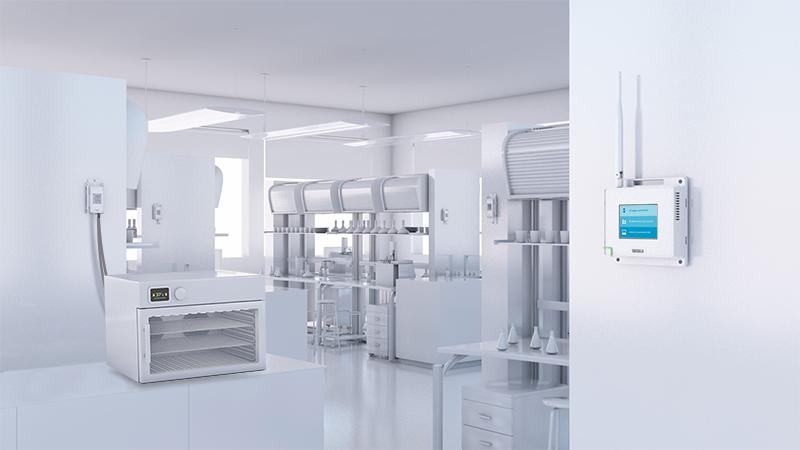
The Vaisala viewLinc Monitoring System tracks environmental conditions wirelessly using Vaisala’s VaiNet wireless devices based on LoRa®* technology…
One of the most important requirements to reduce cooling costs is to measure conditions properly in the first place. The first things to consider are:
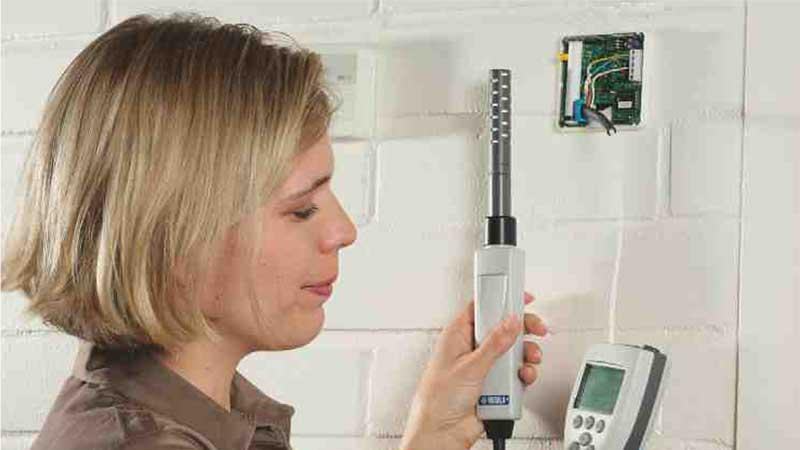
Carbon dioxide and other gases consisting of two or more dissimilar atoms absorb infrared (IR) radiation in a characteristic, unique manner. Such…
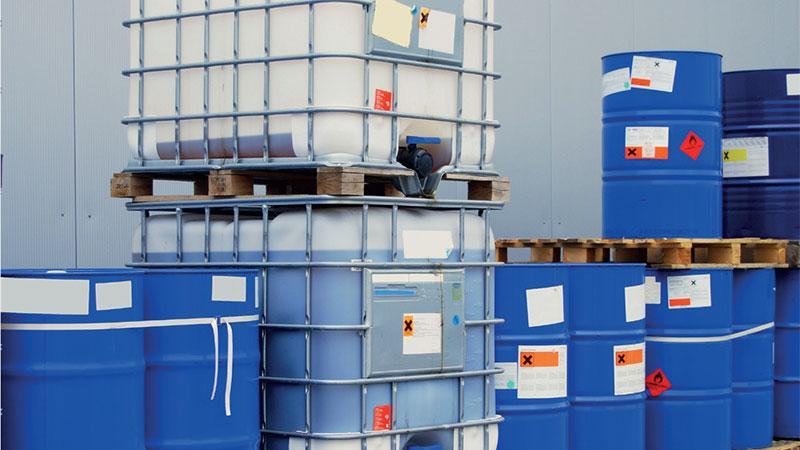
Another approach to preventing explosions is to install electrical equipment inside of “explosion proof” housings. These housings can withstand…
A specialist replies with the solution, the instrument and the service that fit.
Products to quote
No products yet. An enquiry can be sent anyway: a specialist answers.