

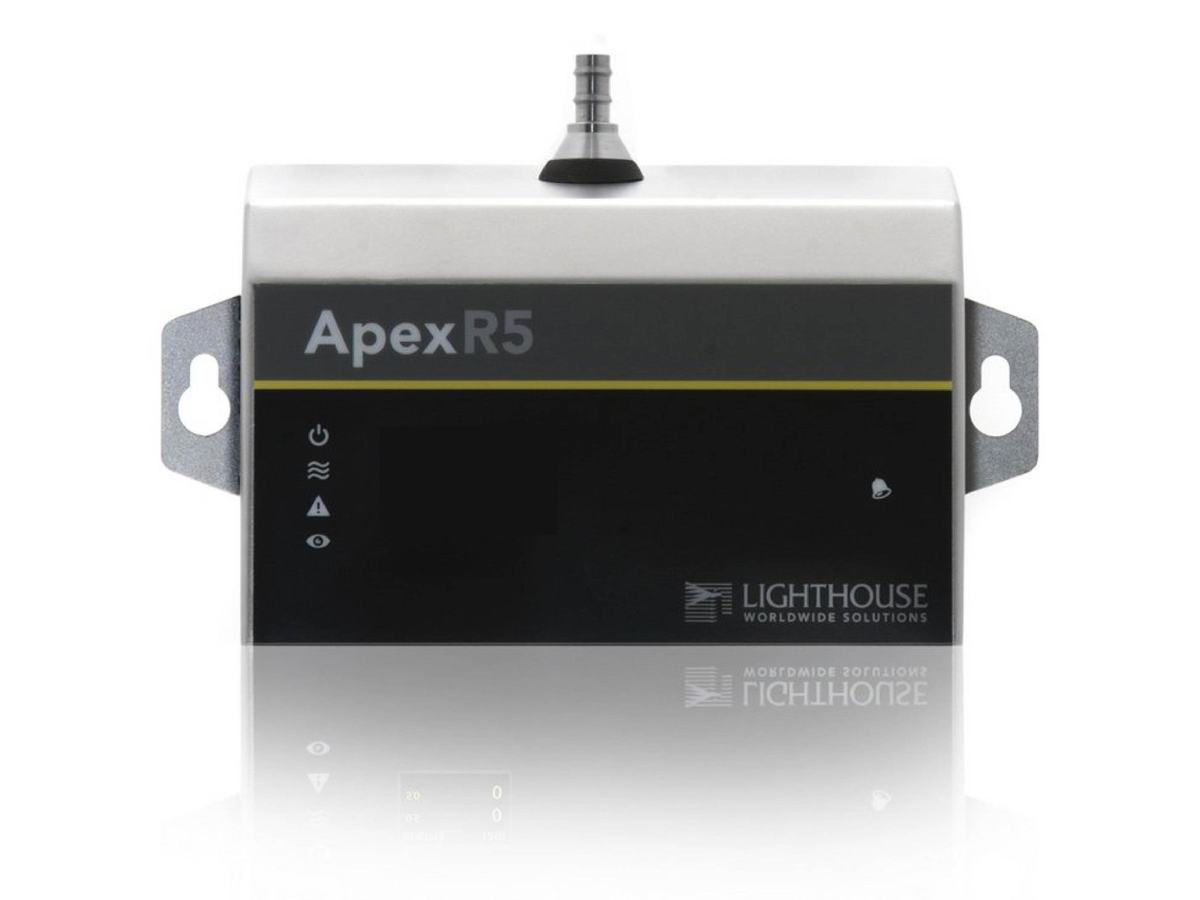
ApexR remote particle counters
ApexR remote airborne particle counters set the benchmark for environmental monitoring in GMP-regulated industries, offering unparalleled data…
Application note
LWS offers testing service for particle losses according to ISO/TR 14644-21 at the customers site.
Delve into the intricacies of ISO/TR 14644-21:2023, the pivotal technical report that sets forth the standards for airborne particle sampling in cleanrooms and controlled environments. This document is the cornerstone for ensuring compliance with ISO 14644-1:2015 for cleanroom classification and ISO 14644-2:2015 for particle monitoring, providing a framework for capturing precise data to support air cleanliness verification. It’s not just about meeting regulatory requirements; it’s about embracing a methodology that safeguards the integrity of your processes and products.
ISO/TR 14644-21 addresses potential misinterpretation of the use of ISO14644-1: 2015, C.4.1.2 in informative Annex C, which suggests the use of limited tubing length for sampling macroparticles. The phrase in question has been applied beyond the context intended in ISO14644-1, to other applications. This TR also provides extra clarity on the use of the M Descriptor in ISO14644-1: 2015, Annex C, specifically in relation to consideration of >5,0 µm alongside ISO Class 5 (EU-PIC/S GMP Grade A and B at rest).
It provides information on the potential uncertainty associated with sampling particles ≥5,0 µm and macro-particles, and measures that can be taken to reduce that uncertainty.
It addresses the importance of understanding that:
— for classification, the quality of the sample is the most important factor;
— for monitoring, the quality of the data is the most important factor;
— direct sampling without tubing is preferred. However, sample tubing is sometimes necessary to get a representative sample at a significant or critical location;
— to reduce sampling loss in tubing, this tubing is as short and straight as possible;
— a sampling system is evaluated to assess the impact of any compromises in its set up.
An evaluation of legacy systems can deem them suitable for continued use even if the installation is assessed as less than optimal
ISO/TR 14644-21:2023 advocates for direct sampling methods as the gold standard for minimizing sample loss and contamination. This approach eliminates the need for lengthy tubing, which can compromise sample quality, especially when dealing with larger particles. Our comprehensive overview provides insights into the advantages of direct sampling and offers practical advice on implementing these techniques to capture the most representative samples from critical locations within your cleanroom.
Isokinetic Sampling is essential for obtaining an accurate representation of airborne particles within a cleanroom’s unidirectional airflow. This technique ensures that the sampled air velocity matches the surrounding airflow, thereby preventing particle distortion and loss. Our detailed section on Isokinetic Sampling will guide you through the process of setting up an optimal sampling environment, helping you to achieve the precision required for thorough and reliable cleanroom validation.

Login to view the webinar
ApexR remote airborne particle counters set the benchmark for environmental monitoring in GMP-regulated industries, offering unparalleled data…
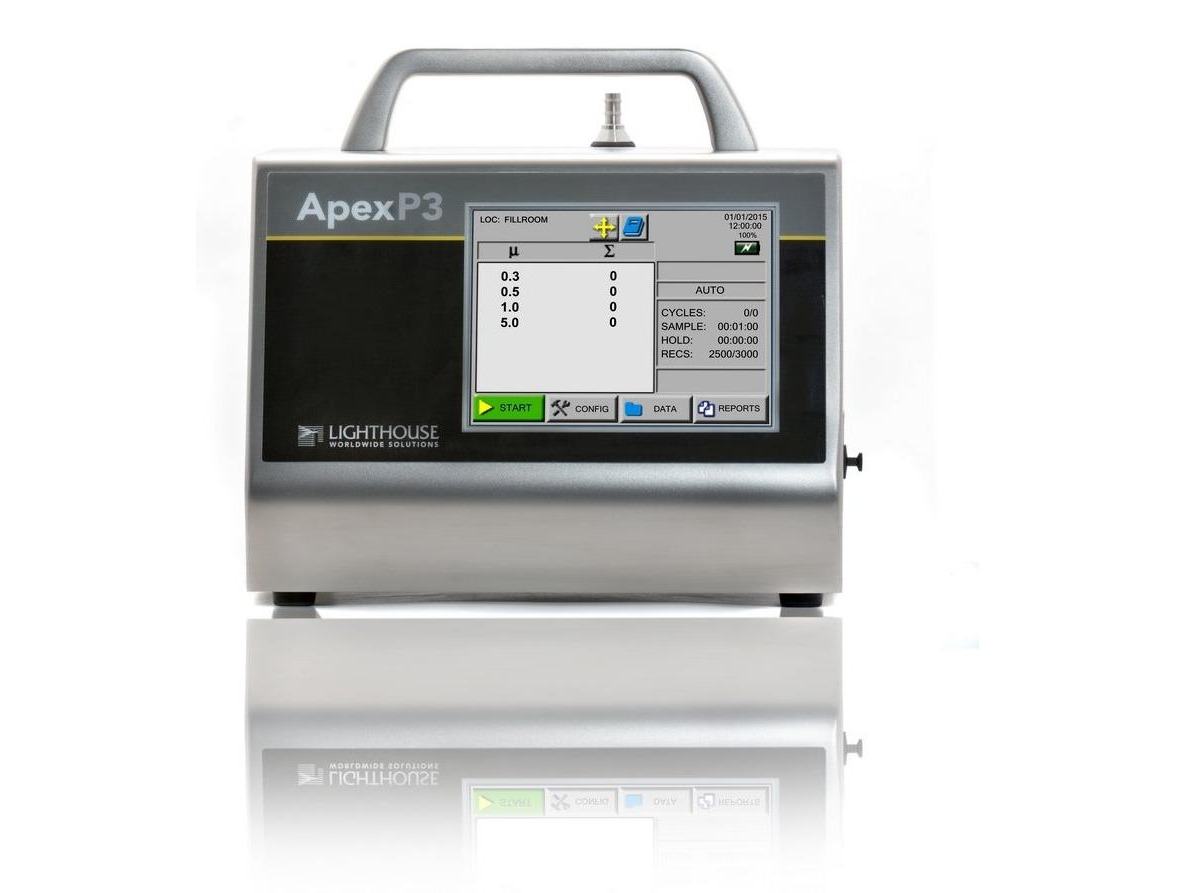
The ApexP is our lightest, smallest portable particle counter. Designed with Self Diagnostics, VHP Compatibility, and Remote Access via the internal…
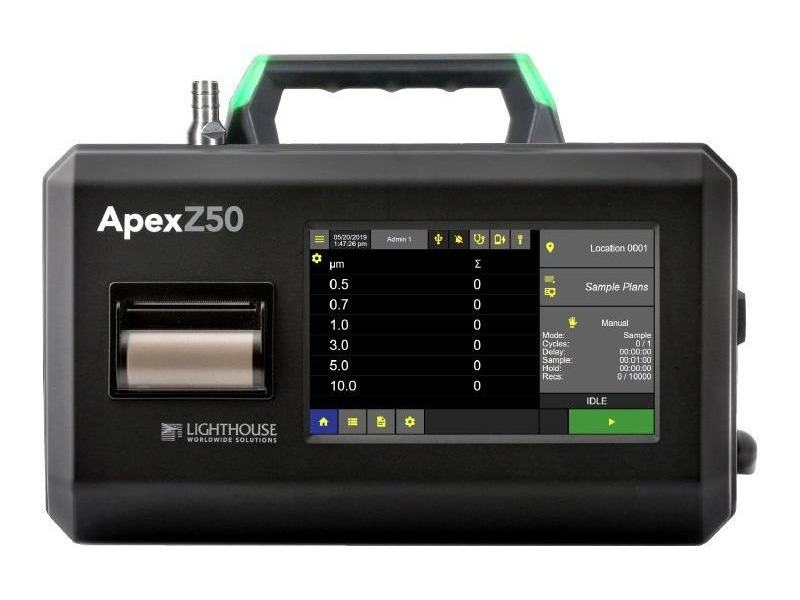
Meet ApexZ: your ultimate partner in maintaining pristine cleanroom environments. This state-of-the-art airborne particle counter goes beyond simply…
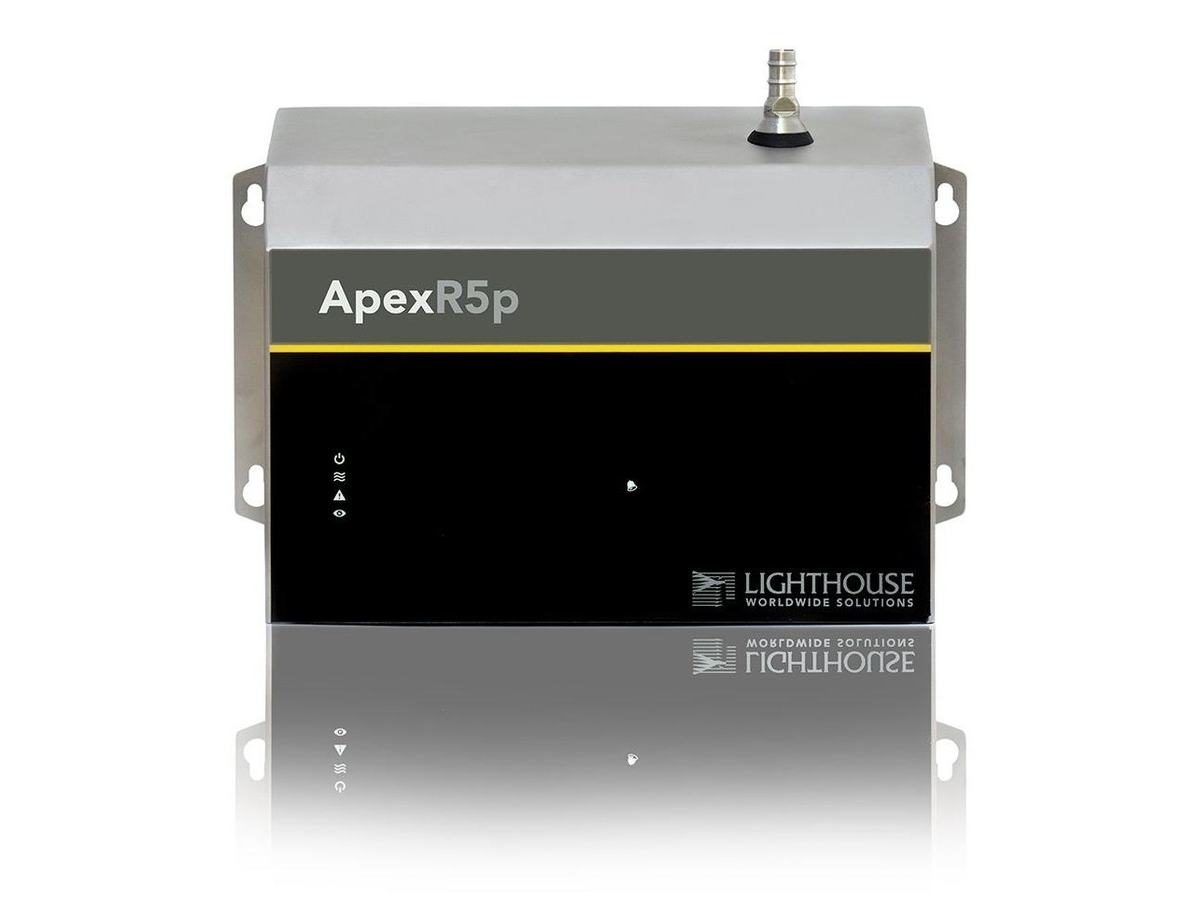
If the integrity of your data is mission critical as it is in GMP regulated industries, if risk mitigation of data errors and sensor failures matters…
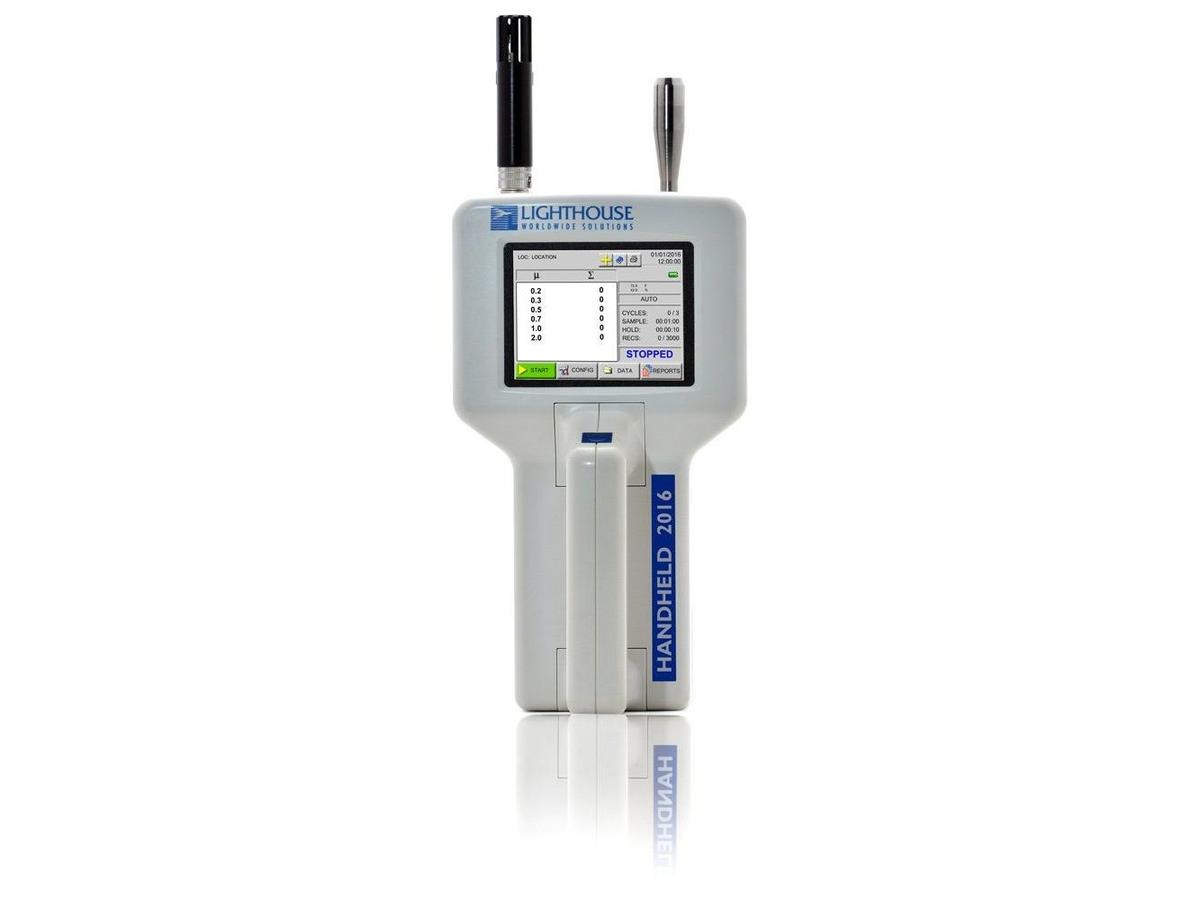
Lighthouse’s Handheld Particle Counters are feature-rich instruments that are ideal for spot-checking inside of your critical environments or Indoor…
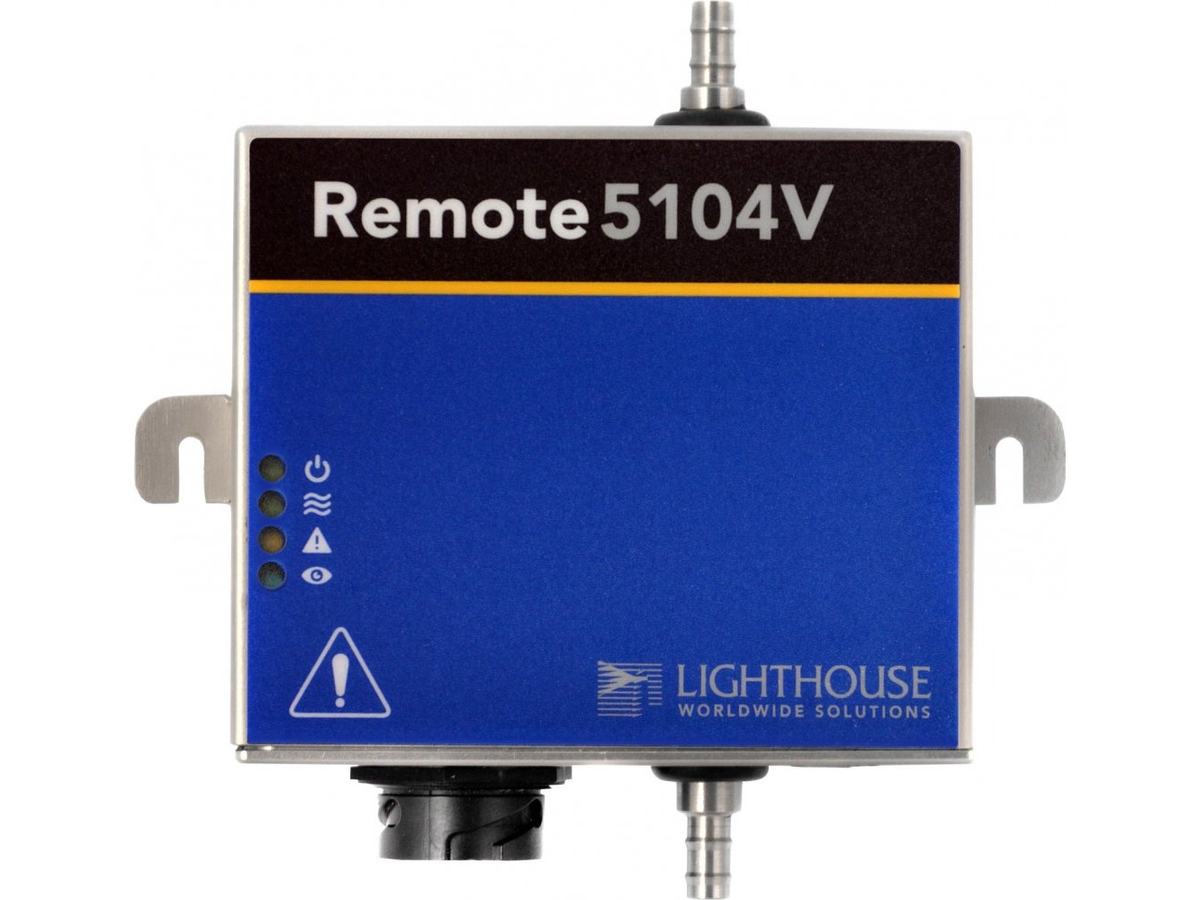
Our line of remotes were built directly from customer feedback and those “special” applications that our customers challenge us with every day. So we…
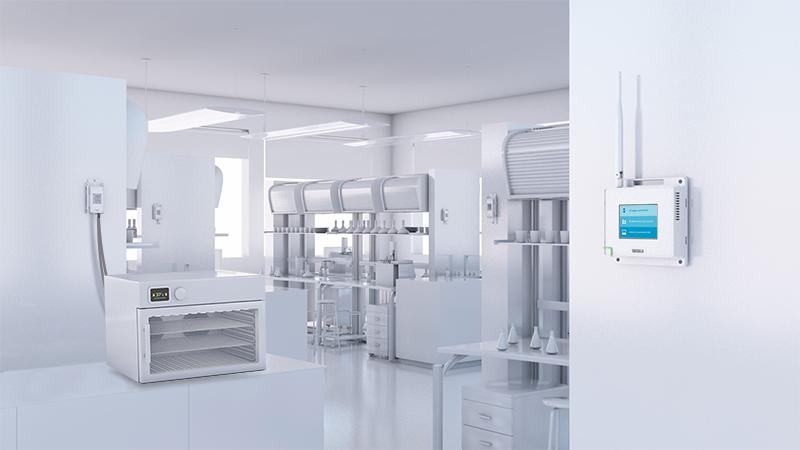
The Vaisala viewLinc Monitoring System tracks environmental conditions wirelessly using Vaisala’s VaiNet wireless devices based on LoRa®* technology…
One of the most important requirements to reduce cooling costs is to measure conditions properly in the first place. The first things to consider are:
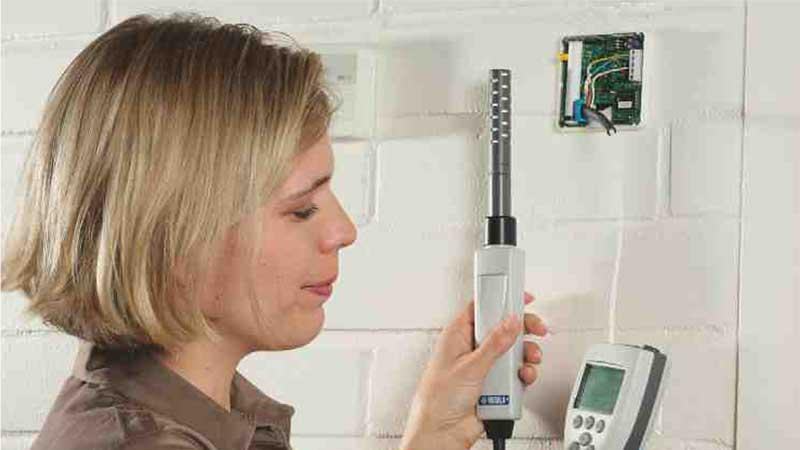
Carbon dioxide and other gases consisting of two or more dissimilar atoms absorb infrared (IR) radiation in a characteristic, unique manner. Such…
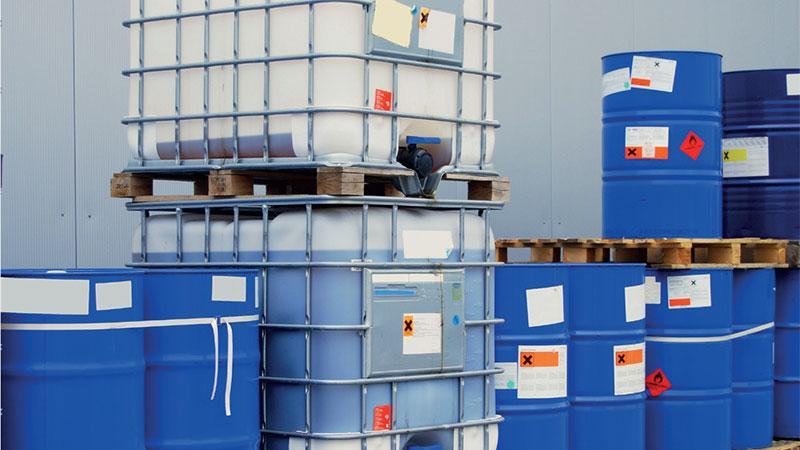
Another approach to preventing explosions is to install electrical equipment inside of “explosion proof” housings. These housings can withstand…
A specialist replies with the solution, the instrument and the service that fit.
Products to quote
No products yet. An enquiry can be sent anyway: a specialist answers.