

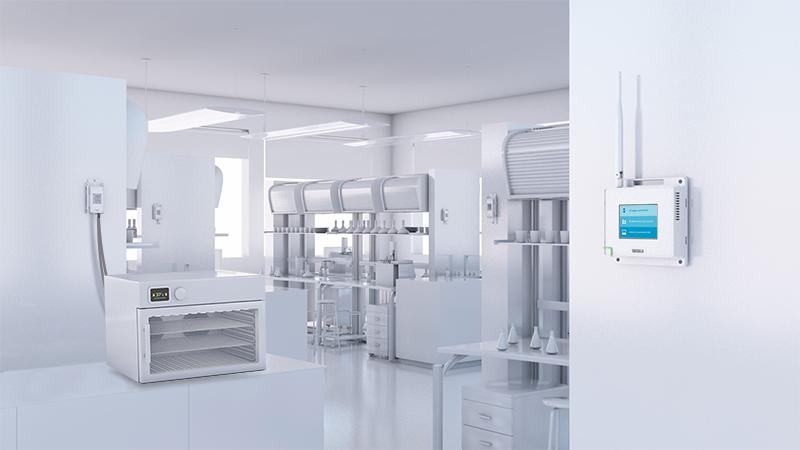
Cutting Edge Wireless Technology for Environmental Monitoring
The Vaisala viewLinc Monitoring System tracks environmental conditions wirelessly using Vaisala’s VaiNet wireless devices based on LoRa®* technology…
Application note
Vegetables and fruits naturally contain much water that must be removed in order to prolong their lifespan. The dehydration process may entail the use of various technologies as a result of which the water content in products drops by a few percent. It is assumed that the designed engineering process is stable, so eventually you always obtain the product, e.g. dried carrot, with a low water content. The operation of automatic systems in the food production must be periodically checked through the manual measurement - it also applies to all drying processes. For the purposes of quick and precise inspection of dehydrated products, MA R, MA X2, MA X7 or MA 5Y moisture analyzers manufactured by Radwag are used. It is possible to obtain correct results during an engineering test and the ones conducted under the product quality inspection after validating the device and drying method.
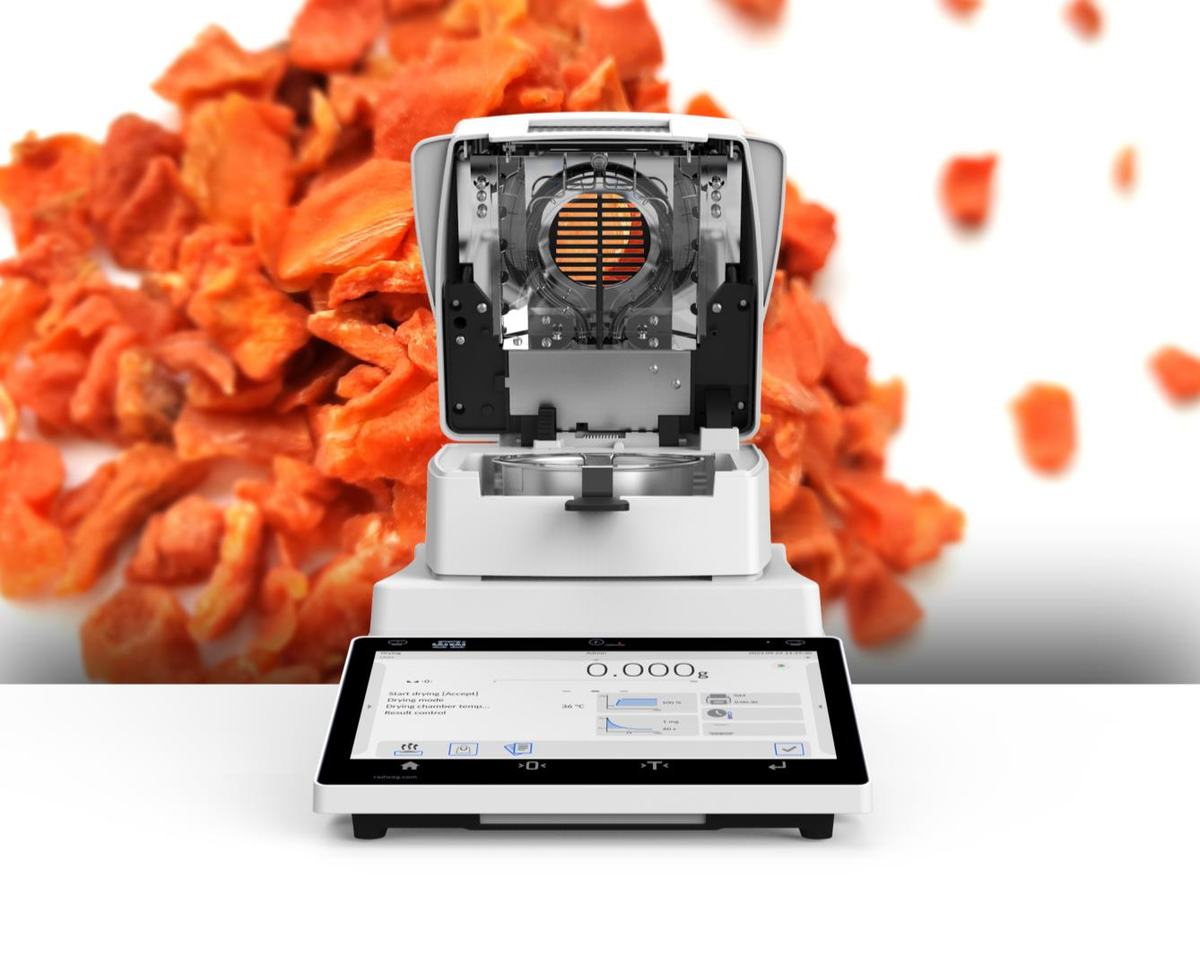
The application note includes basic information for validation of the dried carrot drying method with the use of MA R, MA X2, MA X7 and MA 5Y moisture analyzers series by Radwag Wagi Elektroniczne. The application note may be the basis for elaborating own drying method with special regard to distinctive features of the product in question.
The method with the use of IR radiation
ACCURACY of determining water / dry matter content is the difference between the result of the water / dry matter content received in the moisture analyzer method and the result of the water / dry matter content received while drying the same sample through a reference method. PRECISION is a degree of compliance between independent results of the test, received in specific conditions. The measure of precision is a standard deviation from a series of several measurements.
The reference method parameters are usually specified in standards or other discipline-specific documents as the so-called guides. If such documents are unavailable, the drying temperature that does not cause the sample to change colors is used. Such an approach applies to previously dehydrated products and raw products.
Before testing, the sample must be stored in a tightly sealed container. Before testing, fragment the sample of the dried carrot into smaller pieces.
Laboratory dryer, glass weighing vessels with a lid, AS 220.X2 analytical balance, laboratory spoon.
Place the sample with a mass of ca. 5 g in pre-dried glass weighing vessels. Specify the real mass of the sample in question with the use of the balance whose weighing accuracy is 0.1 mg (AS 220.X2). Put weighing vessels with the sample and lids in the temperature-controlled laboratory dryer. Dry samples at the temperature of 95 o C for 3 hours. After this period, remove vessels and put into the desiccator until they cool down and weigh afterwards. Place samples in the laboratory dryer again and keep on drying them for 30 minutes. Cool them down and weigh again. Repeat the procedure until you obtain a stable sample mass or record the sample mass growth after drying.

The water content testing with the use of the moisture analyzer (IR radiation) entails two phenomena: convection and radiation. The sample temperature rises from outer layers to the bottom of the sample. The temperature gradient in the sample structure minimizes through optimization of the thickness of the dried sample and drying temperature. Too high drying temperature may lead to surface burning of the sample, which may be hard to diagnose if the sample color is dark.
Before analyzing, samples must be stored in a sealed container in view of their hygroscopic nature. Before testing, fragment the sample of the dried carrot into smaller pieces.
MA R, MA X2, MA X7 or MA 5Y moisture analyzer, laboratory spoon, disposable aluminum weighing pans.
Set drying parameters presented below. Distribute a thin layer of the fragmented sample with a mass of ca. 4 g throughout the weighing pan. Lock the drying chamber manually or automatically.
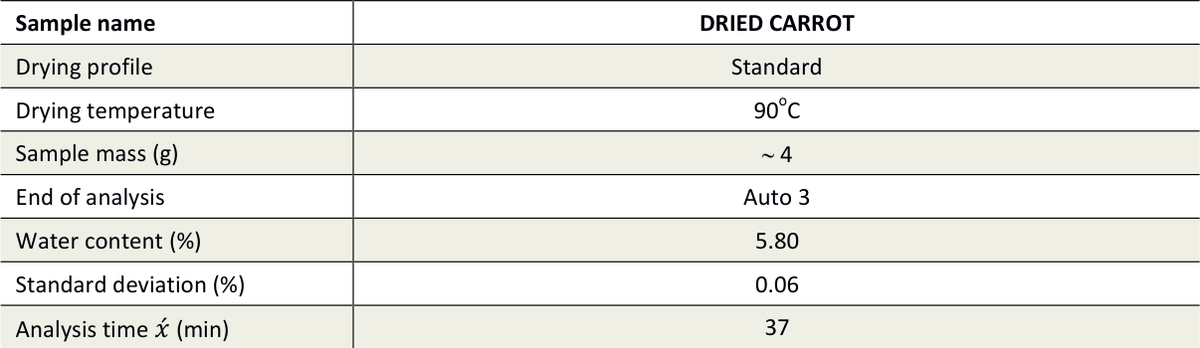
Analysis time x´ (min) 37

The method in question has been verified by the Research Laboratory, yet the results do not include factors arising from diversity of tested samples, operators’ personal skills as well as measuring capability used by moisture analyzer users. For this reason Radwag shall not be held responsible for drying parameters but they can be used to elaborate own drying method.

The Vaisala viewLinc Monitoring System tracks environmental conditions wirelessly using Vaisala’s VaiNet wireless devices based on LoRa®* technology…

One of the most important requirements to reduce cooling costs is to measure conditions properly in the first place. The first things to consider are:
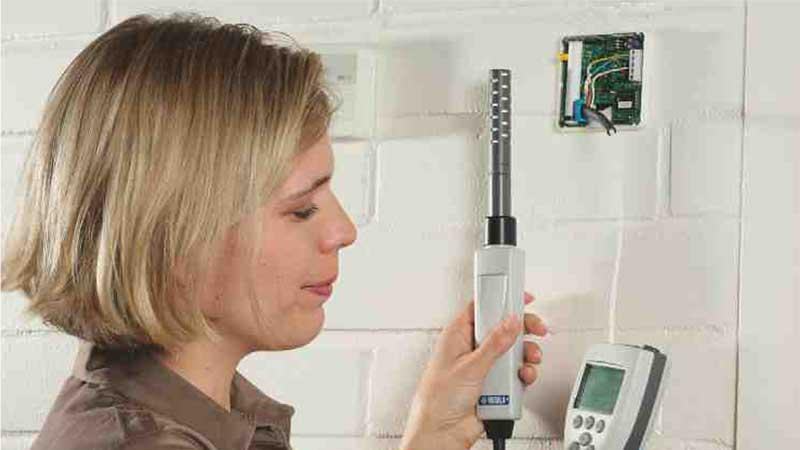
Carbon dioxide and other gases consisting of two or more dissimilar atoms absorb infrared (IR) radiation in a characteristic, unique manner. Such…
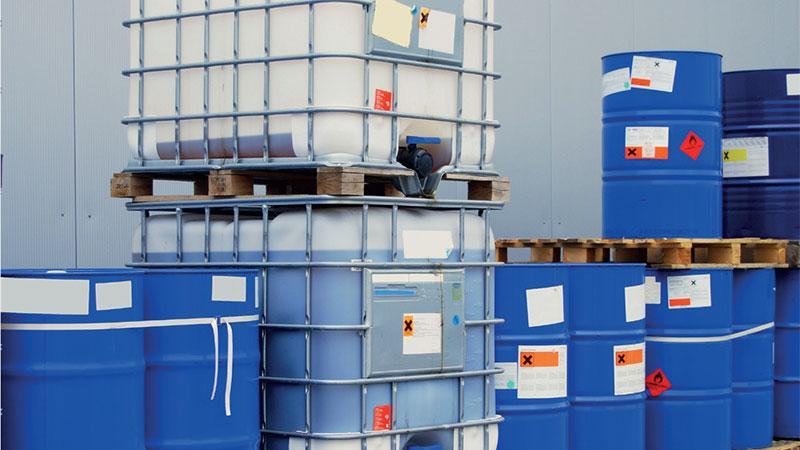
Another approach to preventing explosions is to install electrical equipment inside of “explosion proof” housings. These housings can withstand…
A specialist replies with the solution, the instrument and the service that fit.
Products to quote
No products yet. An enquiry can be sent anyway: a specialist answers.