

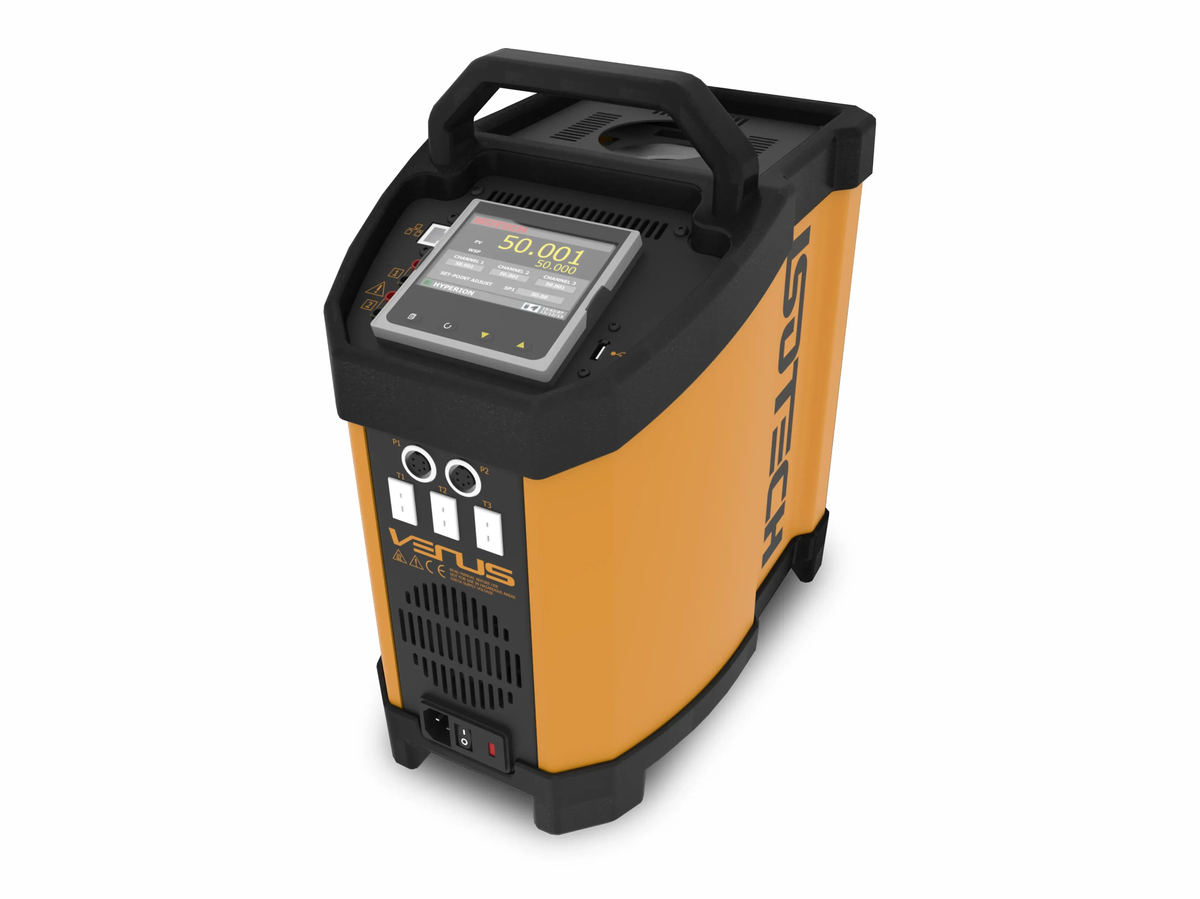
Venus 4951
Need advice on which model? Dry Block Selection Guide
News
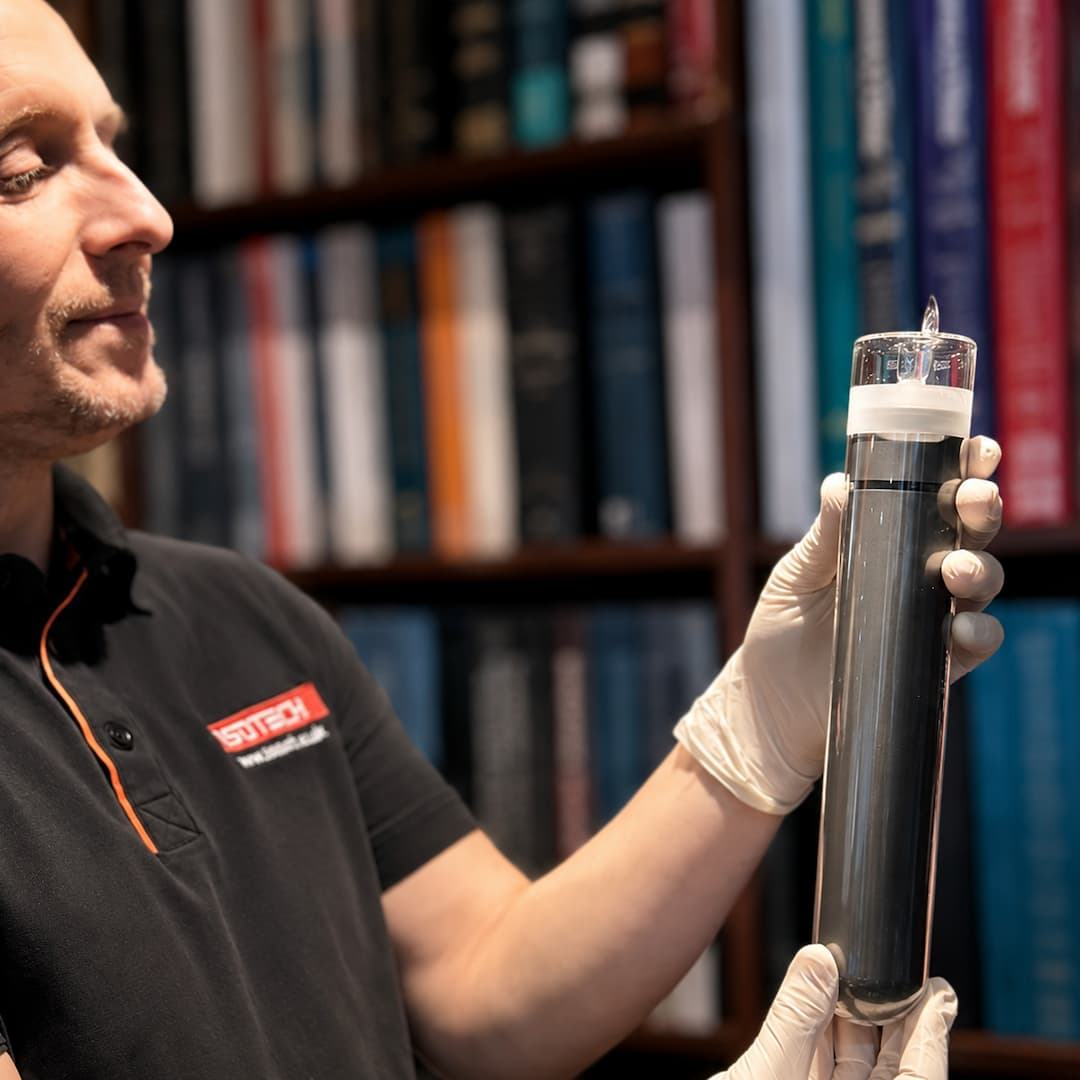
In 1986, a newspaper reported the laboratory’s approval under the headline “Tiny lab sets the standards”. Following its application in 1985, Isotech received approval for temperature and electrical measurements, becoming, according to the report, one of only five laboratories in the country approved by the British Calibration Service for temperature measurement. Pictured showing a visitor around was Isotech founder John Tavener, who drove the laboratory’s development and contributed internationally through fixed point standards, published research and collaboration. His work advanced laboratory methods worldwide, while his commitment to reducing uncertainty and sharing practical knowledge laid the foundations for today’s capabilities.
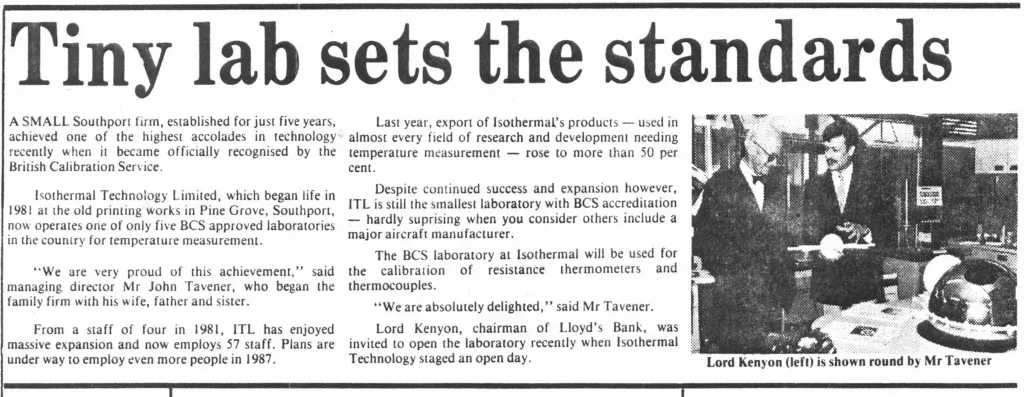
Today, the Laboratory holds UKAS accreditation number 0175 to ISO/IEC 17025:2017. Its accredited temperature calibration capabilities include uncertainties smaller than those offered by most national metrology institutes, and Isotech has the lowest uncertainties of any privately owned temperature calibration laboratory.
That capability matters to customers maintaining their own temperature standards. The uncertainty of a reference calibration contributes to the uncertainty of subsequent measurements. A laboratory with demanding requirements needs a calibration service capable of supporting them.
Isotech was the first UKAS laboratory accredited to calibrate ITS-90 fixed point cells. Alongside thermometer calibration, this allows the laboratory to assess the references used by other laboratories to realise the temperature scale.
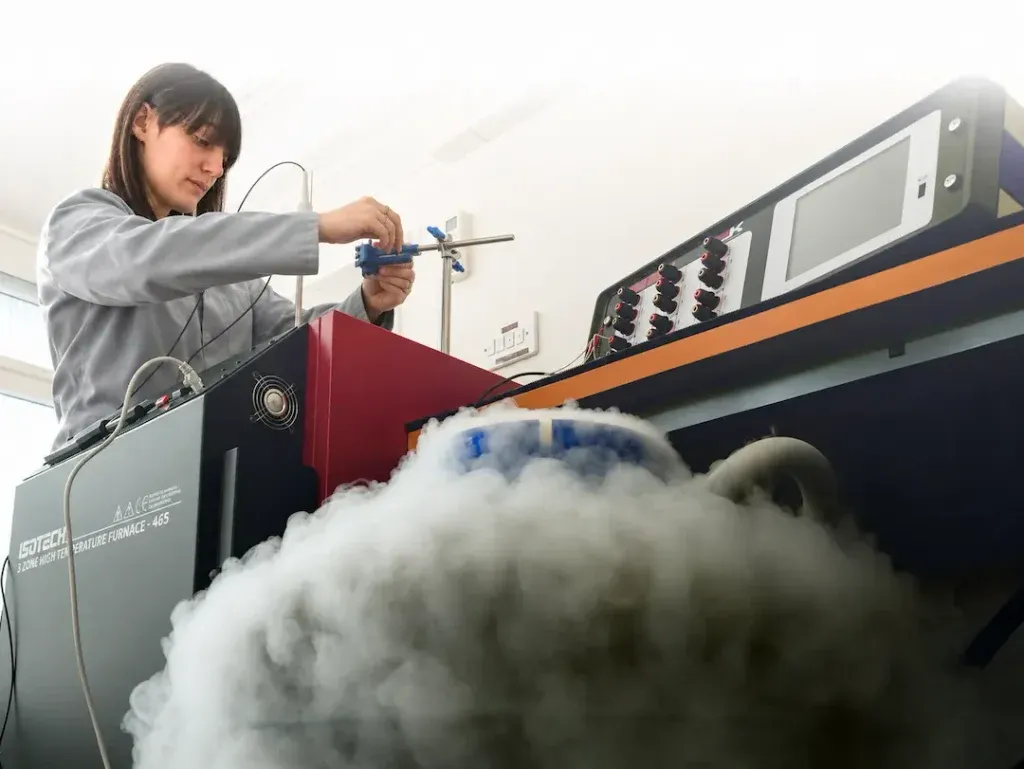
Under Laboratory Director Nick Davies, the laboratory continues to serve national metrology institutes and calibration laboratories. Its work brings together calibration, investigation of fixed point standards and the practical knowledge needed to use them.
Research involving Nick Davies examined 100 water triple point cells manufactured between 2001 and 2006, investigating agreement between cells and the influence of the water’s isotopic composition. Such investigations help explain differences that become significant at the smallest uncertainties.
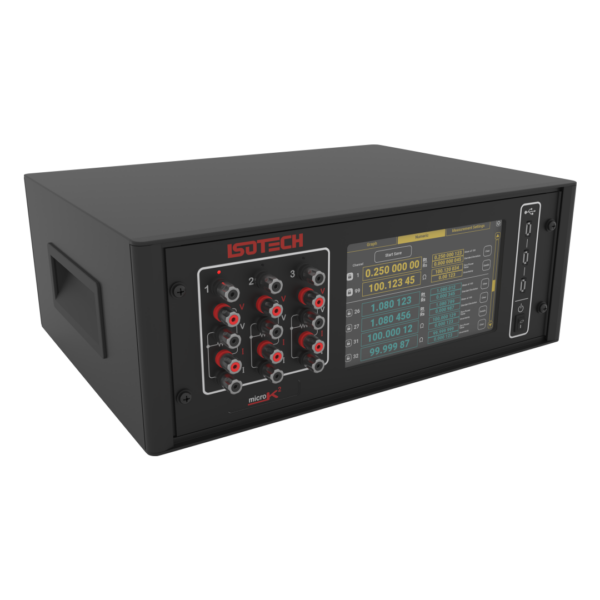
Isotech’s wider development work has also drawn on collaboration with national laboratories. The original microK thermometry bridge, for example, was developed with contributions from the UK’s National Physical Laboratory.
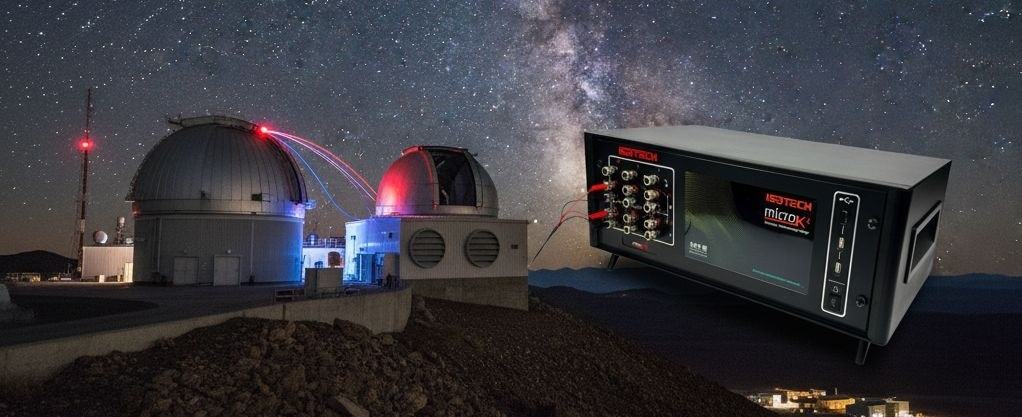
The reach of this temperature metrology expertise extends into research where very small changes matter. A study by researchers at Canada’s National Research Council and the Royal Netherlands Institute for Sea Research used an Isotech microK 70 in a facility for calibrating deep-ocean reference thermometers with sub-millikelvin uncertainty.
In astronomy, instruments including the Habitable-Zone Planet Finder and NEID use microK bridges to monitor the thermal stability of spectrographs searching for planets around other stars. Small temperature changes can affect the instruments and interfere with the signals astronomers are trying to measure.
These applications show why low uncertainty, stability and dependable reference measurements have value far beyond the calibration bench.
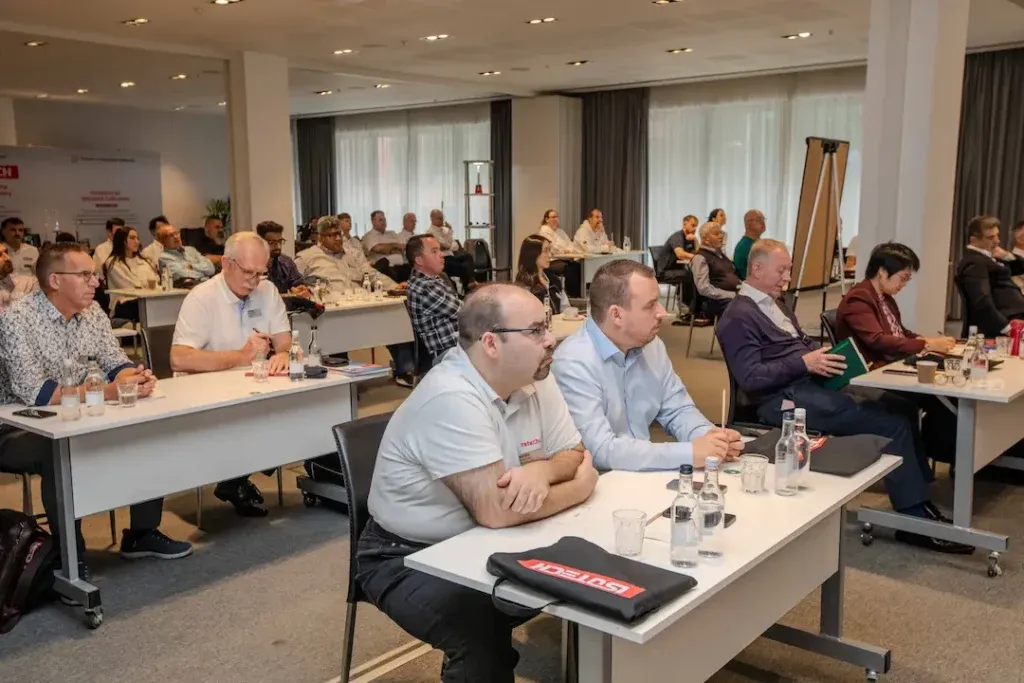
Training has become another important part of Isotech’s contribution. The laboratory welcomes visiting metrologists for specialist courses, while “From Industry to ITS-90” introduces the principles and practice of temperature calibration to a wider audience. Courses are delivered in the UK and internationally, with specialist training tailored to participants’ requirements.
In 2026, Isotech made a record investment in the laboratory’s future, securing higher-purity metals for fixed point cells, bringing a distillation research project into production and expanding the team. These developments form part of a long-term plan to meet future calibration demand and the evolving needs of global temperature metrology.
Isotech thanks the colleagues, customers and collaborators who have contributed to forty years of accredited calibration. That experience continues to support customers as they establish standards, improve their measurements and develop the skills to use them.
-260°C to 1800°C
Product Spec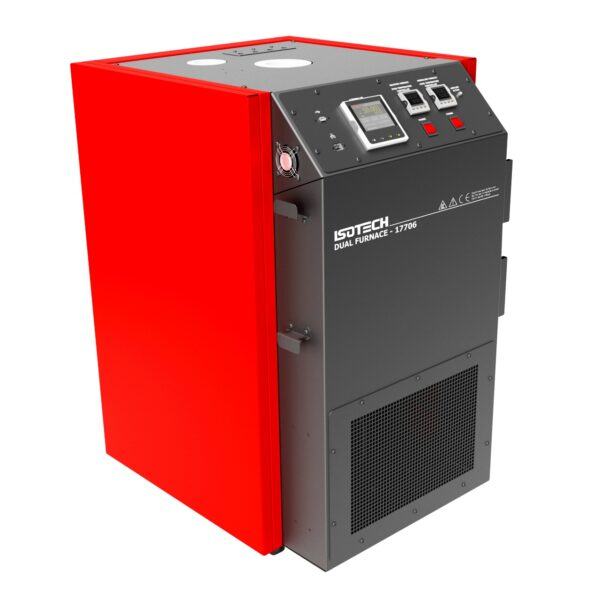
125°C to 1090°C
Product Spec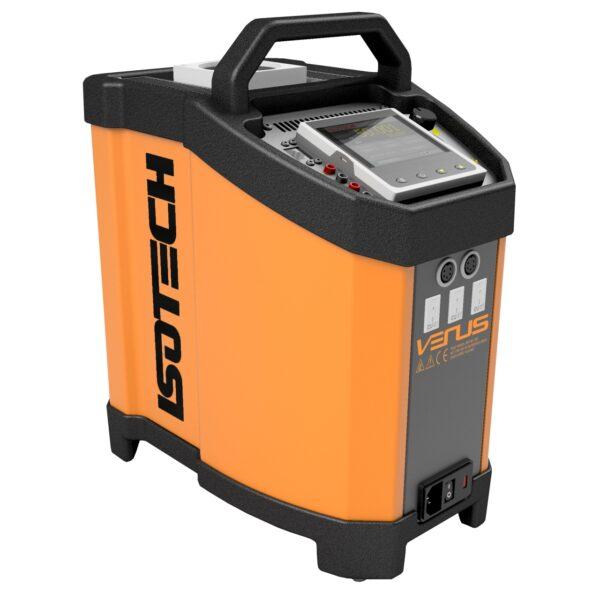
-35°C to 140°C
Product SpecNeed advice on which model? Dry Block Selection Guide
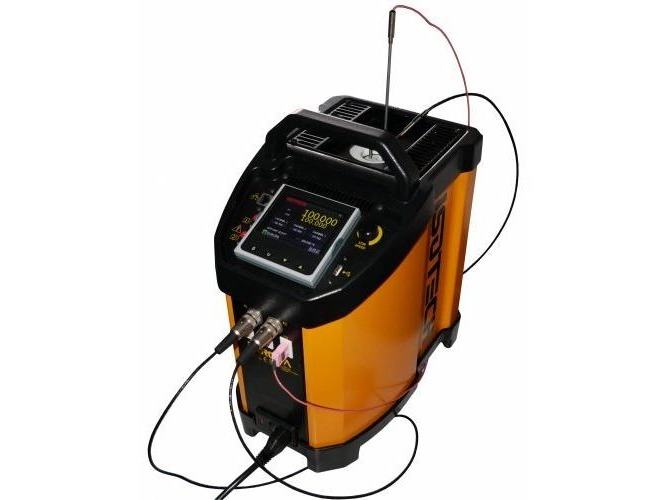
Need advice on which model? Dry Block Selection Guide
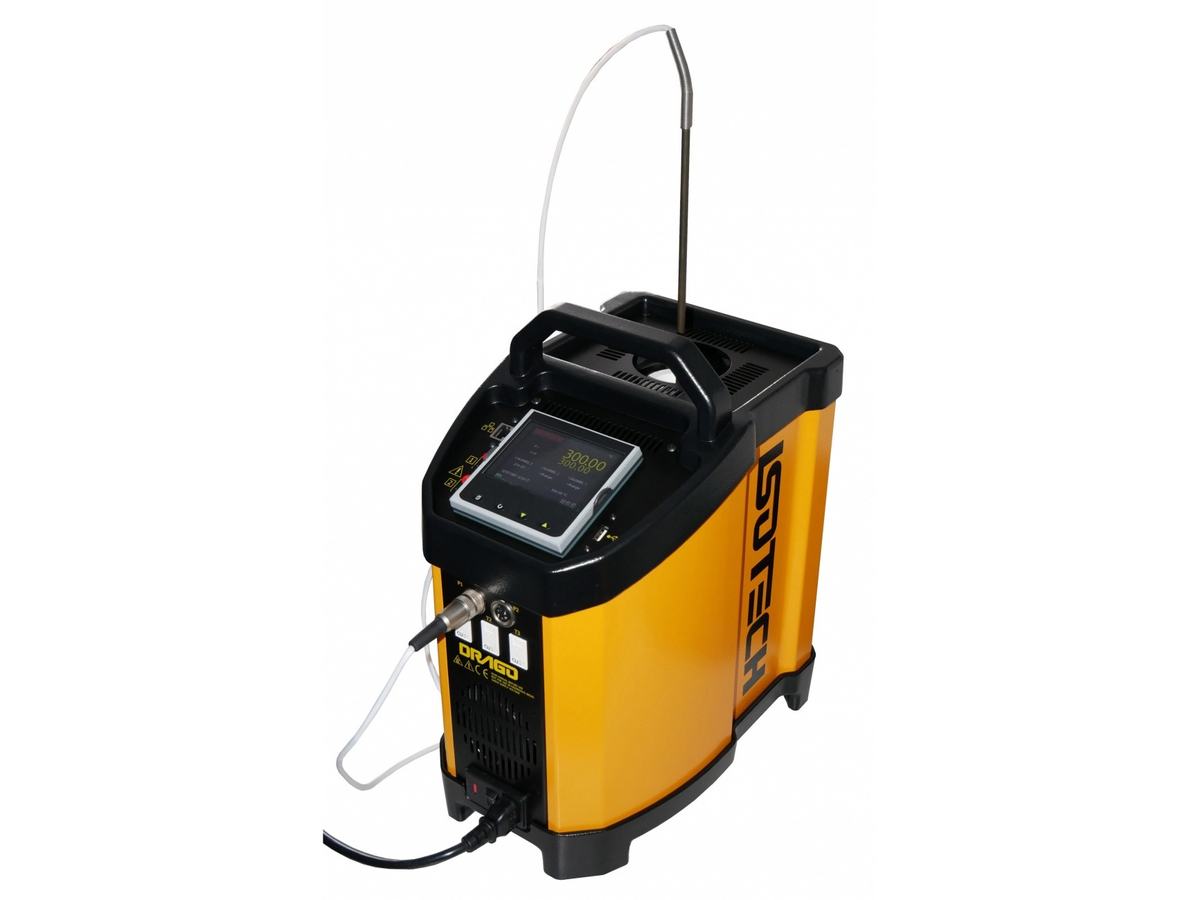
Need advice on which model? Dry Block Selection Guide
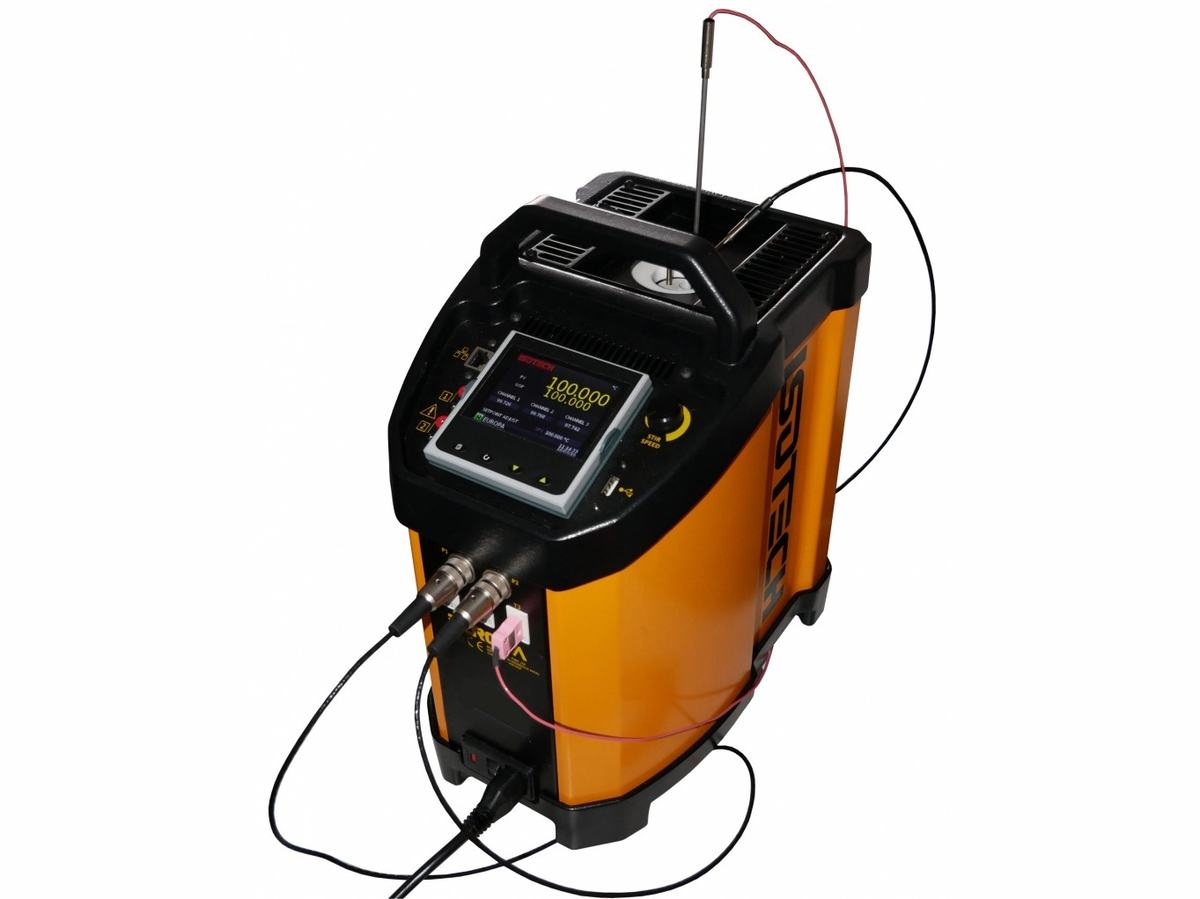
Need advice on which model? Dry Block Selection Guide
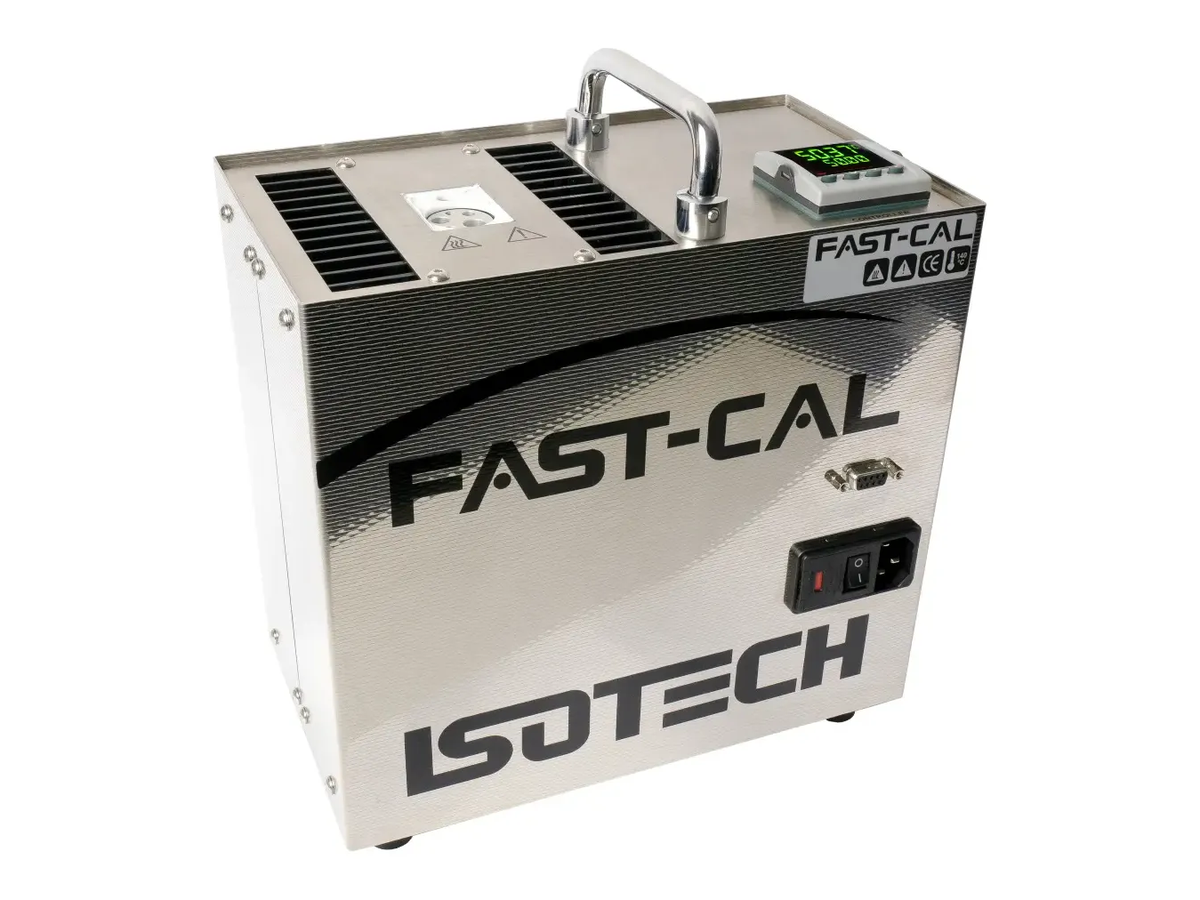
Need advice on which model? Dry Block Selection Guide
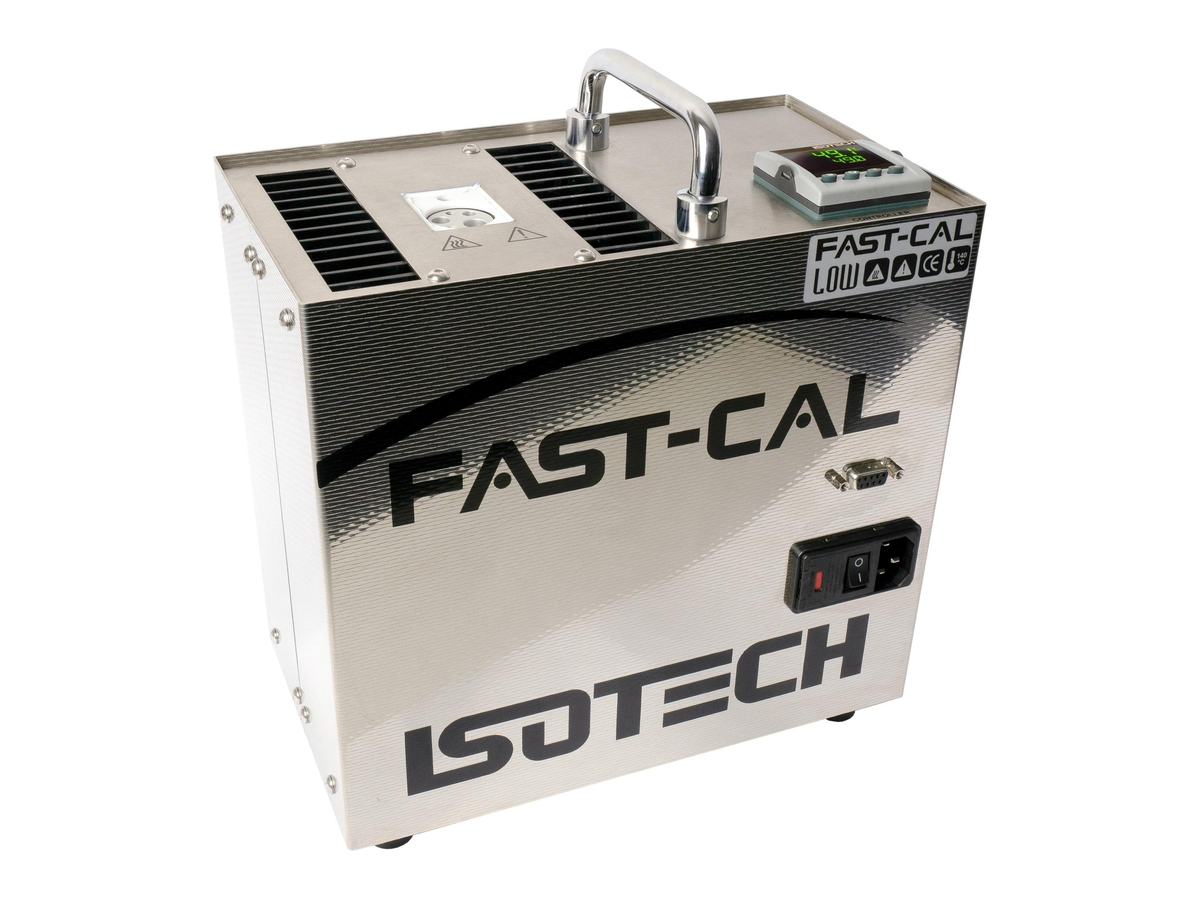
Need advice on which model? Dry Block Selection Guide
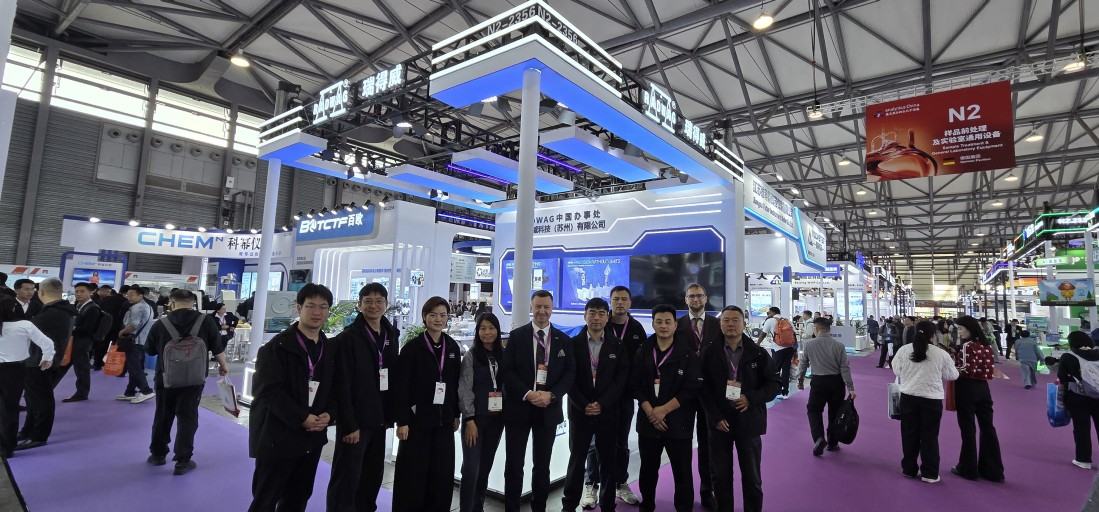
Between 16 and 18 November , RADWAG balances and scales could be seen at “analytica China” in Shanghai – the largest analytical, laboratory and…
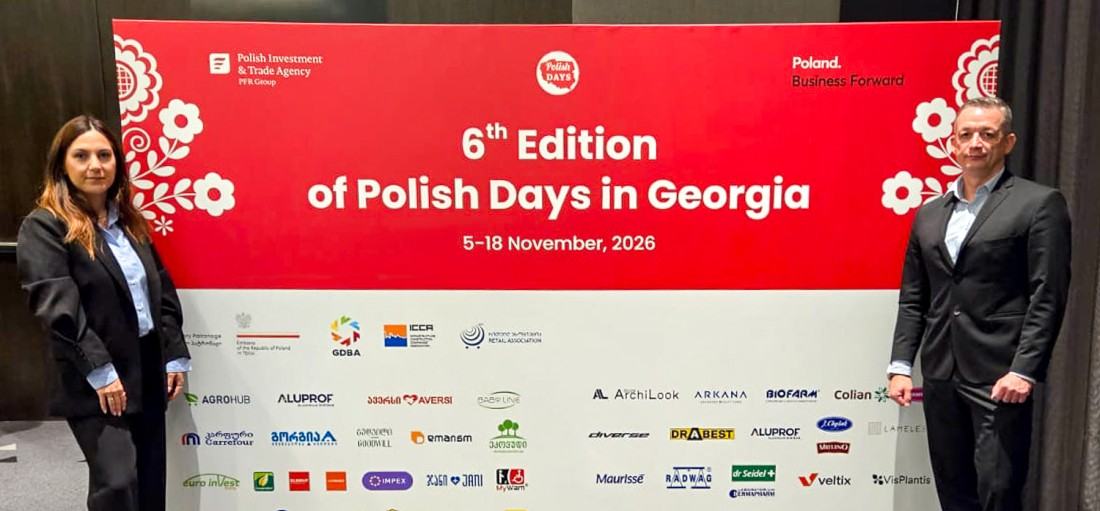
“Polish Days in Georgia” is the most important promotional event aimed at Polish entrepreneurs in the country and designed to increase the…
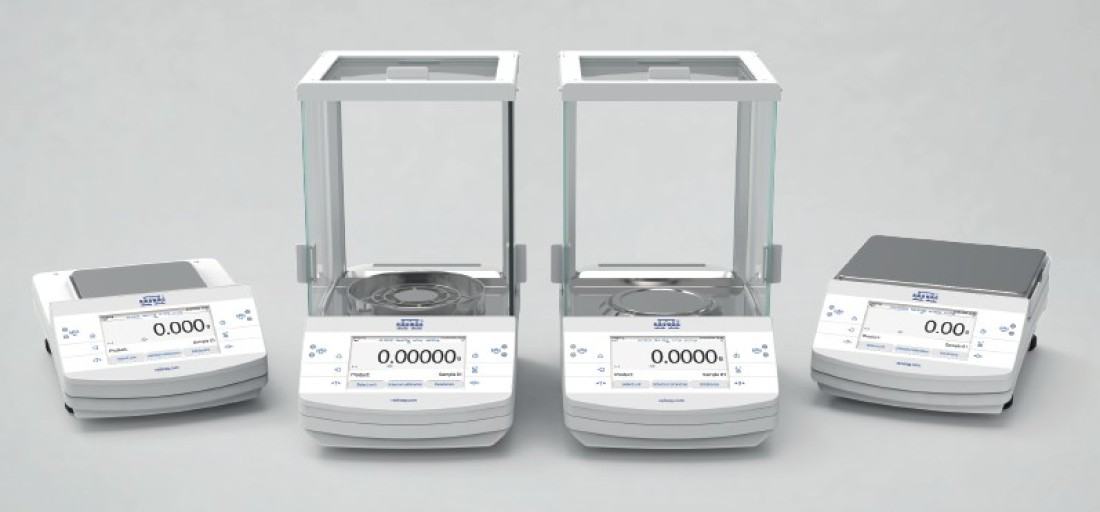
RADWAG’s product range has been expanded to include AS RX Analytical Balances as well as PS RX and PS RX.M Precision Balances . This marks the next…
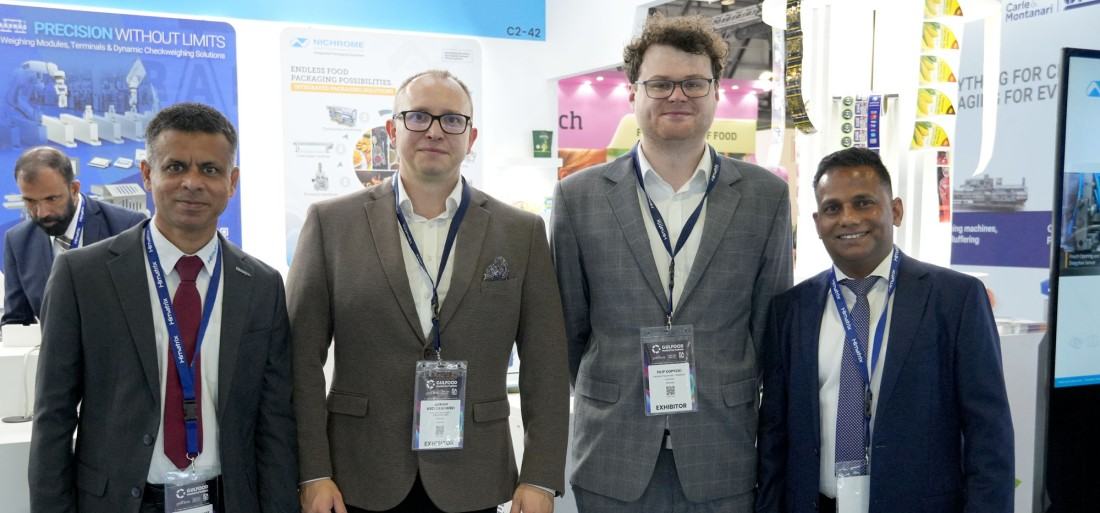
An international food trade fair is an event we simply couldn’t miss! Why? Because RADWAG weighing equipment is used in the food industry, supporting…
A specialist replies with the solution, the instrument and the service that fit.
Products to quote
No products yet. An enquiry can be sent anyway: a specialist answers.