

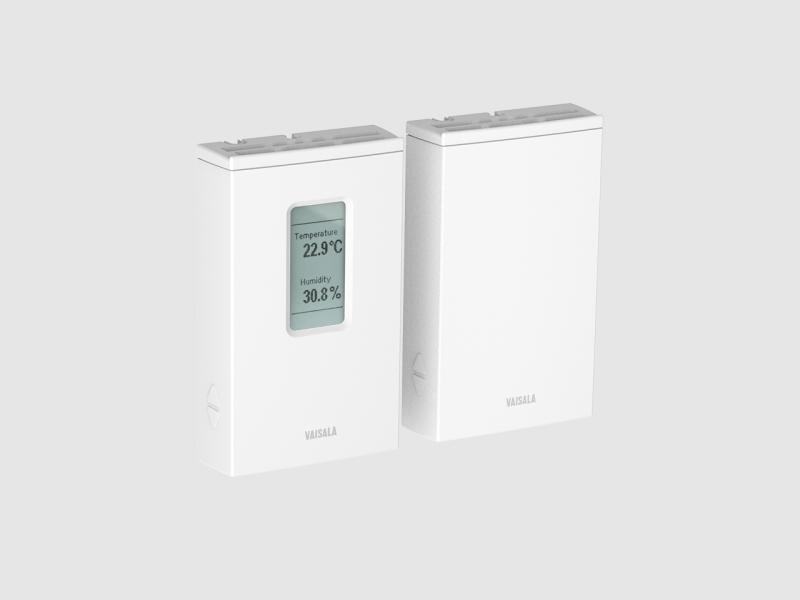
Humidity and Temperature Transmitter Series HMW90
±1.7%RH wall transmitters with a certificate for demanding HVAC
Technical note
How to install duct-mounted sensors for optimal energy efficiency and indoor air quality
Measurement instruments need to be installed correctly to ensure your building’s HVAC system gets the accurate carbon dioxide, temperature, and humidity readings it needs to ensure a healthy and comfortable environment for building occupants. These installation tips for duct-mounted sensors will help you to optimize the energy efficiency and indoor air quality of your building, ensuring you get the most from your investment.
Incorrect sensor placement is one of the most common causes of inaccurate measurements. High-quality sensors can provide accurate measurements long-term – but only if they are installed correctly. Everything from mounting direction to temperature differences between the indoor and outdoor air can affect readings for duct-mounted sensors, leading to sub-optimal energy efficiency and poor indoor air quality. Knowing the installation mistakes to avoid will help you to provide your HVAC system with the best measurement data possible.
Duct-mounted sensors are primarily installed in return air ducts and outside air intake ducts. The most common source of measurement error for duct-mounted sensors is the temperature difference between the air inside and outside the duct. Large temperature differences can cause heat to flow through the duct sensor tube, resulting in condensation and incorrect measurements.
To minimize condensation and temperature differences it is essential to mount your sensors correctly. Mounting the transmitter head of a duct sensor within the insulation envelope will help to prevent unwanted temperature transfer and reduce the risk of condensation.
Sensor orientation is important: if the sensor is mounted pointing downwards, condensate can flow onto the sensor and affect the readings – or even corrode and damage the sensor. If you are using duct sensors to control humidity, foggers or spray humidifiers can have the same effect.
To avoid this issue, make sure duct sensors are mounted horizontally at a 90-degree angle or, if necessary, a slight upward angle. This will ensure condensate falls safely away from the sensor. You should also ensure your transmitter housing is sealed to prevent water from reaching the electronics. Install sensors a sufficient distance away from any water sources like foggers or spray humidifiers – the distance will depend on duct size and flow rates, but a minimum distance of five meters is a good rule of thumb.
Another common mistake is mounting sensors in a non-representative location. If you install a sensor where the main airflow does not pass over it, the measurements it takes will not accurately reflect the humidity and temperature conditions in the duct. This can make conditions uncomfortable for the people in your building, creating unnecessarily hot or humid zones that can have a negative impact on comfort and even productivity.
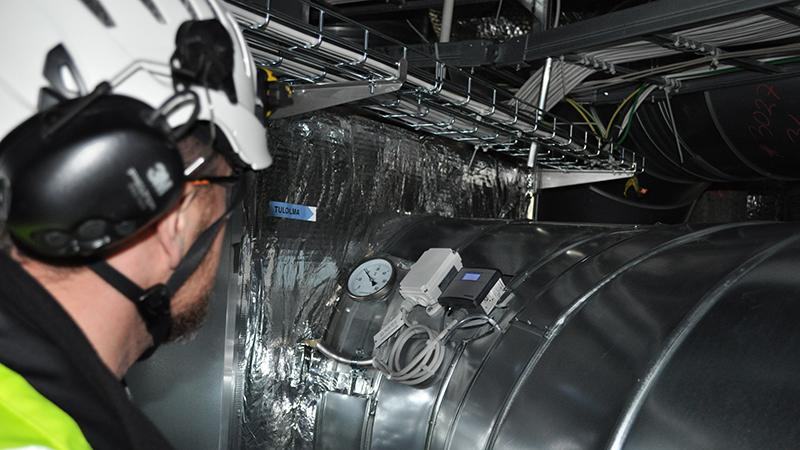
To avoid this problem, sensors should be installed directly in the main airflow – this is particularly important if you have high humidity and low flow speeds in the duct. Finally, consider adding an additional access port on your duct, downstream from the sensor. This can then be used for a reference probe so you can verify and calibrate your primary sensors.
Vaisala delivers advanced HVAC transmitters that empower automation systems to perform flawlessly in the most demanding environments, from data centers and semiconductor fabs to cleanrooms, hospitals, and other critical spaces, ensuring precise, reliable measurements where they matter most.
Our transmitters offer superior reliability, easy installation, and seamless integration with major Building Automation and Building Management Systems. The comprehensive product range includes temperature, humidity, air pressure, dew point, and CO₂ for ambient air, pipes, ducts, and outdoor applications.
±1.7%RH wall transmitters with a certificate for demanding HVAC
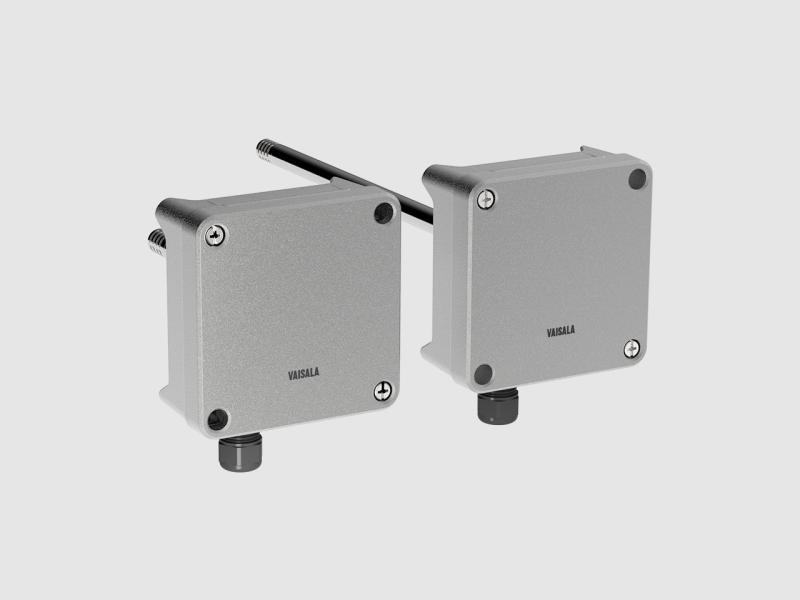
For high precision measurements in demanding HVAC applications
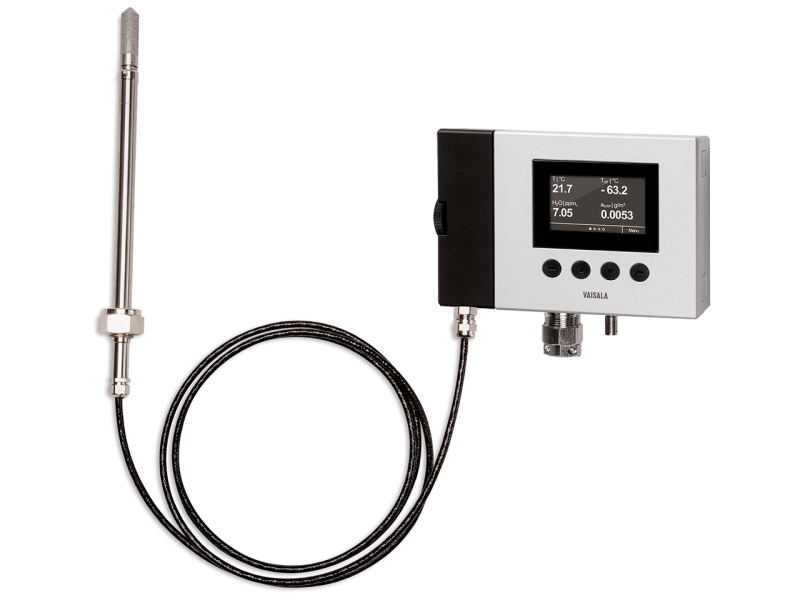
For use up to zone 0 and 20
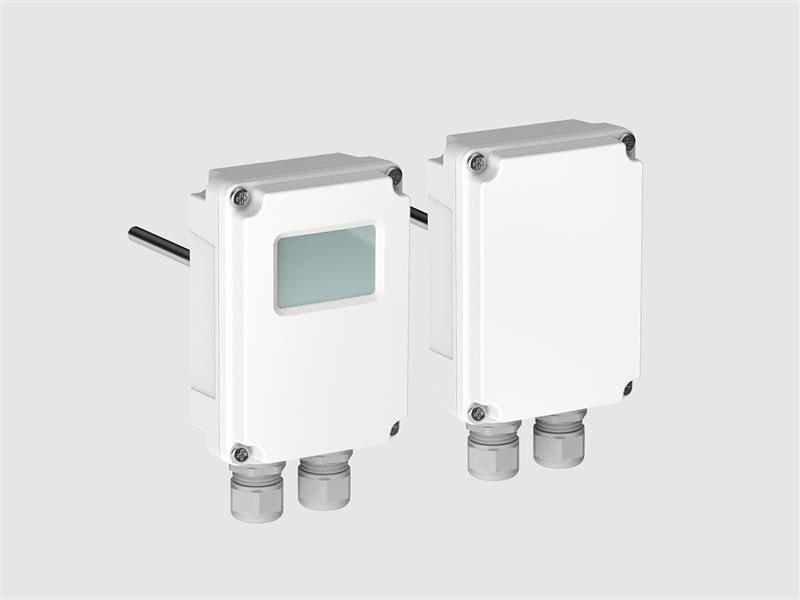
For high precision measurements in HVAC applications
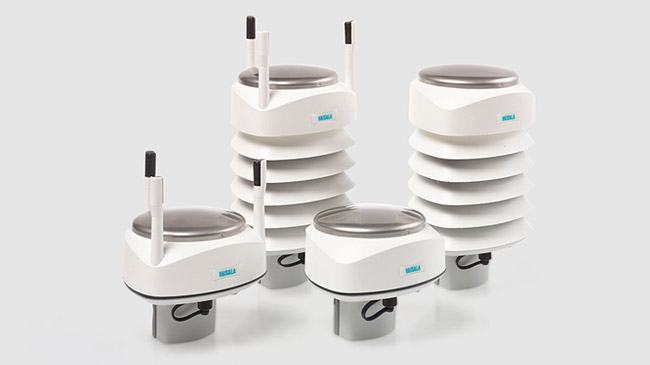
Vaisala Weather Transmitter WXT530 series is a unique collection of cost-effective sensors that accurately and reliably measure weather conditions…
Vaisala Weather Transmitter WXT530 series is a unique collection of cost-effective sensors that accurately and reliably measure weather conditions…

Vaisala DRYCAP® Dew Point and Temperature Probe DMP5 is designed for in-line humidity measurement in industrial drying applications with high…

Dr. Lauri Reuter is an expert in the future of food, and the person to ask if you’ve ever wondered what we are going to eat in the future, and how…

Industrial companies are continuing to take action to minimize their carbon emissions. Many are reducing their use of fossil fuels and switching to…

In the causticizing process, passive chemicals are converted into active cooking chemicals to make white liquor. This is used in the digester as a…
A specialist replies with the solution, the instrument and the service that fit.
Products to quote
No products yet. An enquiry can be sent anyway: a specialist answers.