

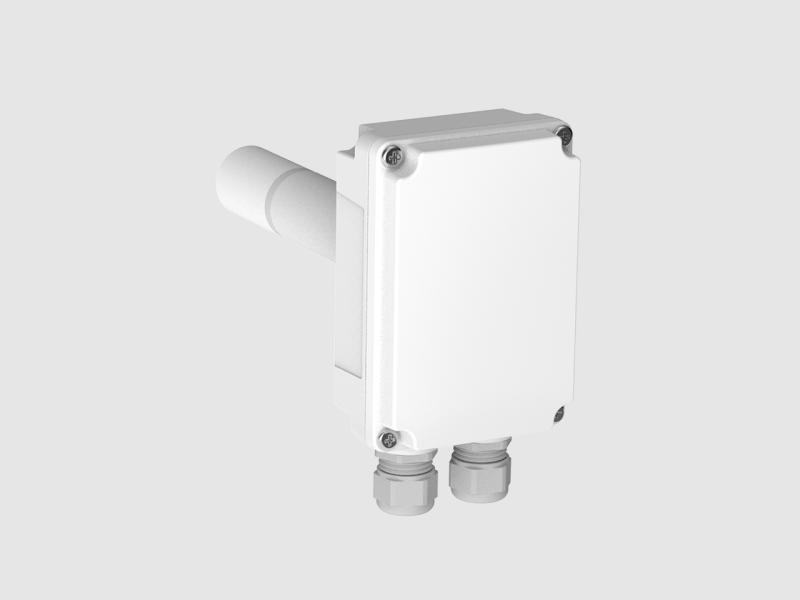
Duct CO2 Transmitter GMD110
For high-accuracy measurements in HVAC applications
Technical note
How to install duct-mounted sensors for optimal energy efficiency and indoor air quality
Installing outdoor sensors correctly is essential to optimize the energy efficiency and indoor air quality of your building. When your HVAC system has reliable data on outdoor conditions, it can regulate ventilation rates and indoor climate more precisely – improving comfort, productivity, and well-being for building occupants. These installation tips will help you provide people in your building with fresh, healthy air in the most energy-efficient way possible.
Using unsuitable sensors, installing them unshielded, or choosing the wrong location are all common causes of inaccurate outdoor measurements. High-quality outdoor sensors can provide accurate measurements long-term – but only if they are installed and located correctly.
It is important to use outdoor-specific sensors for measuring outside air conditions, rather than trying to measure them from inside an inlet duct further inside the building. Outdoor sensor requirements vary, so always check the manufacturer’s instructions to see if your sensor needs to be vented, shaded, or shielded; the sensor might also need mechanical aspiration to maintain airflow rates.
The main challenges for outdoor measurements are heating from solar radiation and interference from the weather. Sensors need to be shielded with a reflective solar radiation shield – which also functions as a rain shield – to ensure you are measuring the ambient outdoor temperature and the correct relative humidity. Proper radiation shields are white on top with a black surface beneath the plates. Dirty shields will absorb more heat, so they must be cleaned regularly. You should also ensure sensors are mounted where the airflow is not blocked, ideally on a pole completely away from any buildings or on a pole on the roof. Make sure there are no exhaust air ducts, doors, or windows nearby.
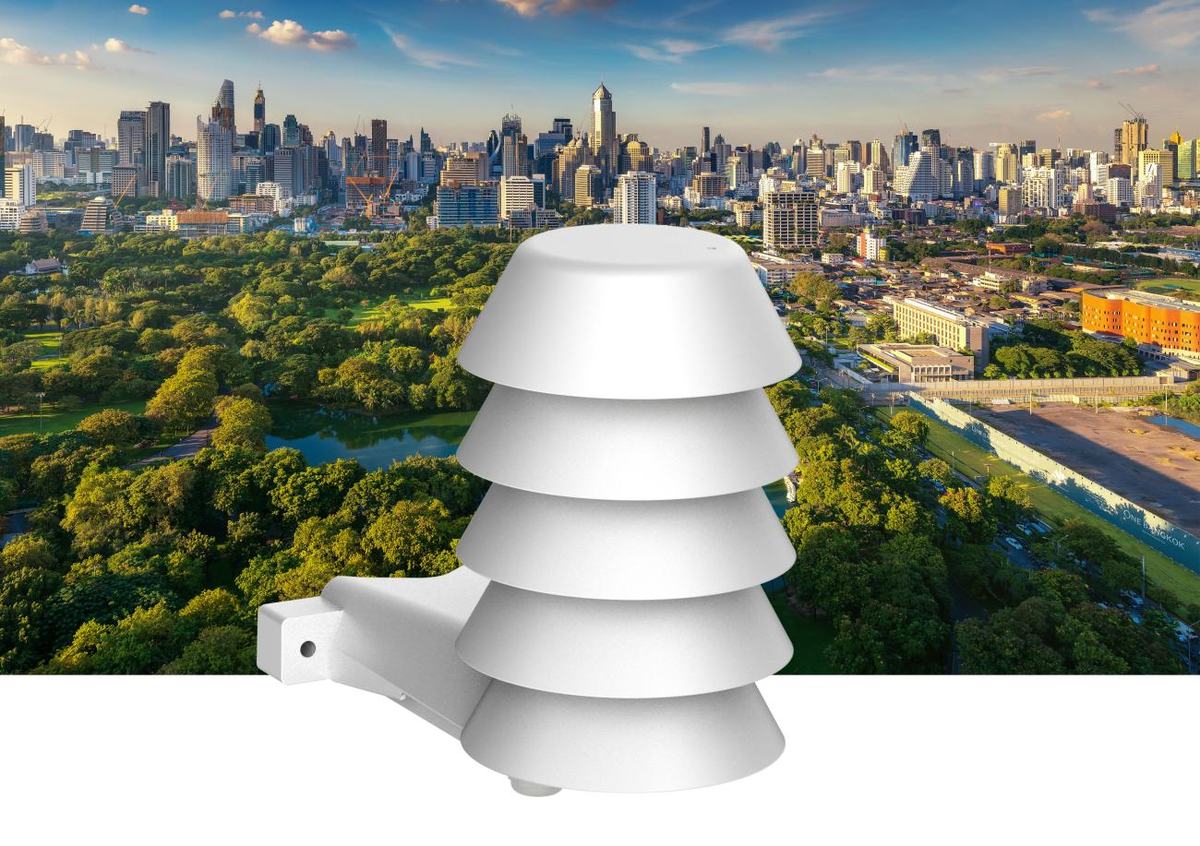
Vaisala HMS110
Ensure your outdoor sensors are designed to withstand harsh weather conditions, including high wind speeds and extreme temperatures. For industrial applications, it can be worth investing in a sensor with a heated probe to prevent condensation. For outdoor CO2 measurement, you should avoid areas with restricted air circulation. A good example of where not to install CO2 sensors is in or near a parking garage, as the exhaust from vehicles can elevate CO2 readings. Instead, find an open location with good airflow, close to your air inlet ducts.
An outdoor CO2 sensor can be used to optimize the air exchange rate in your demand-controlled ventilation (DCV) system by calculating the difference between indoor and outdoor CO2 concentrations, helping to save energy. You should choose a high-quality sensor with excellent accuracy and long-term stability; these requirements matter more than with indoor sensors because of the narrow measurement range of outdoor CO2. A sensor that provides less accurate readings or that drifts will have a significant effect on the exchange rates of your entire DCV system. You also need to ensure the proper pressure compensation settings are set in the devices.
Vaisala’s outdoor HVAC sensors have been developed based on our decades of experience in weather and environmental measurements to offer reliable performance even in the harshest conditions. We understand how solar radiation, airflow patterns, and environmental contaminants can impact sensor accuracy, and we have applied shielding and placement principles used in professional weather stations – such as reflective radiation shielding and unobstructed airflow – when developing our products.
This means that when you choose a Vaisala outdoor sensor, you are choosing a product that will provide reliable measurements regardless of the climate or season, supporting more accurate ventilation control and healthier indoor environments.
Vaisala delivers advanced HVAC transmitters that empower automation systems to perform flawlessly in the most demanding environments, from data centers and semiconductor fabs to cleanrooms, hospitals, and other critical spaces, ensuring precise, reliable measurements where they matter most.
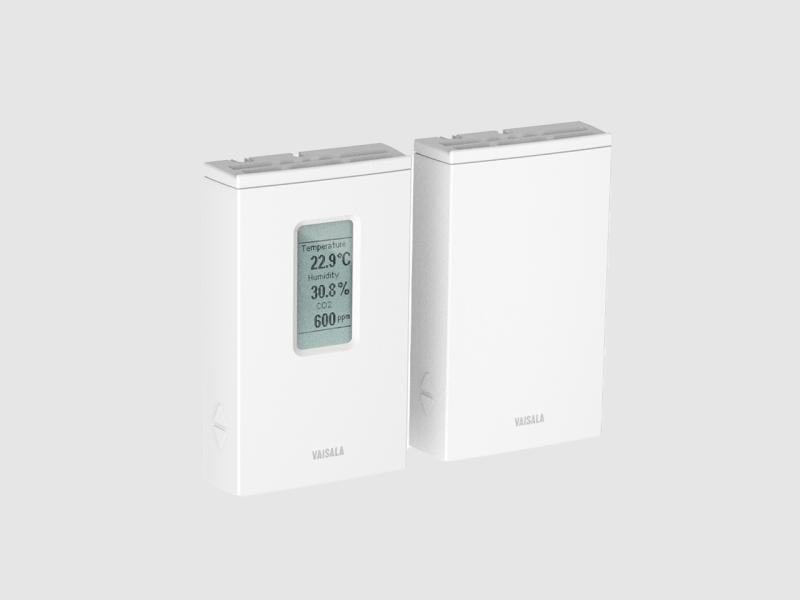
Our transmitters offer superior reliability, easy installation, and seamless integration with major Building Automation and Building Management Systems. The comprehensive product range includes temperature, humidity, air pressure, dew point, and CO₂ for ambient air, pipes, ducts, and outdoor applications.
For high-accuracy measurements in HVAC applications
for green building projects
for green building projects
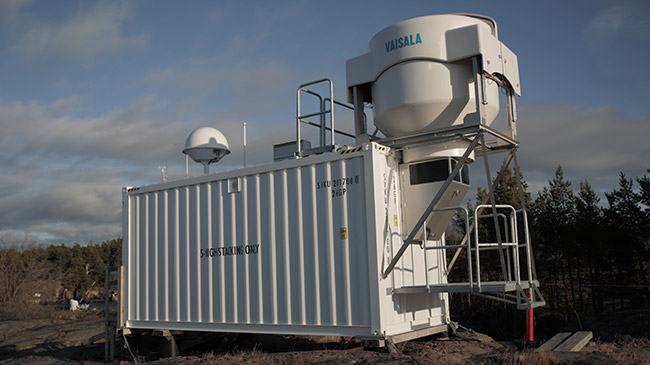
Upper air soundings provide the crucial data necessary for a complete atmospheric weather profile that leads to accurate forecasting. However…
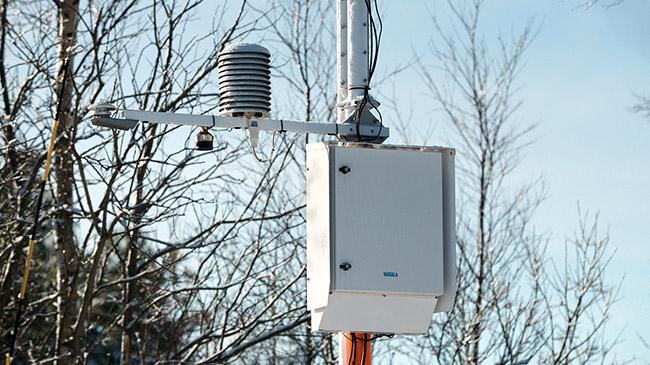
Vaisala Automatic Weather Station AWS310 is a complete communication and weather observation solution that can be used as a standalone unit, or as…
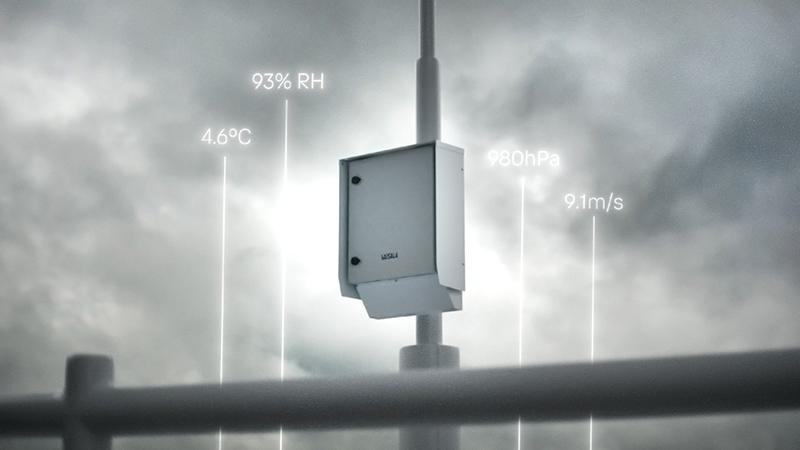
Our next-generation, cyber secure and modular Maritime Automatic Weather Station AWS830 is engineered for harsh marine environments and compliant…

Vaisala DRYCAP® Dew Point and Temperature Probe DMP5 is designed for in-line humidity measurement in industrial drying applications with high…

Dr. Lauri Reuter is an expert in the future of food, and the person to ask if you’ve ever wondered what we are going to eat in the future, and how…

Industrial companies are continuing to take action to minimize their carbon emissions. Many are reducing their use of fossil fuels and switching to…

In the causticizing process, passive chemicals are converted into active cooking chemicals to make white liquor. This is used in the digester as a…
A specialist replies with the solution, the instrument and the service that fit.
Products to quote
No products yet. An enquiry can be sent anyway: a specialist answers.