

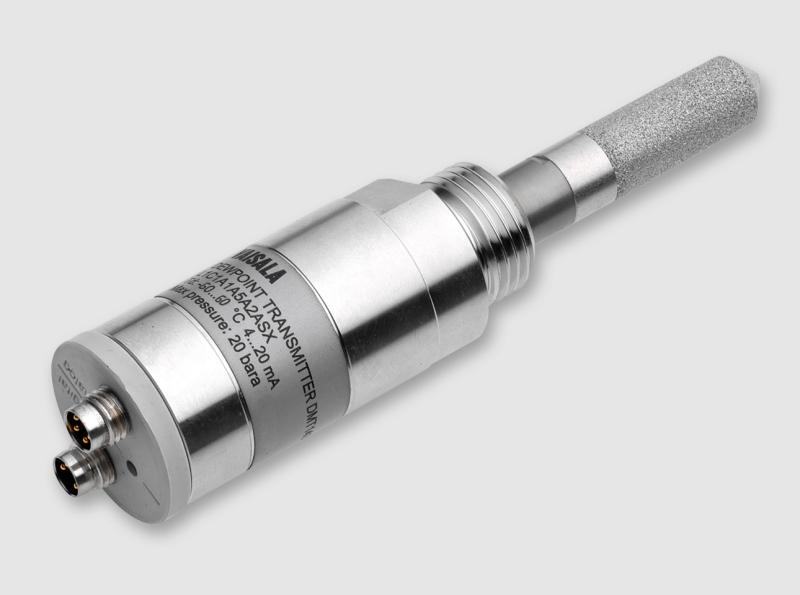
Miniature Dew Point Transmitters DMT143 & DMT143L (Long)
for OEM applications
Technical note
When producing lithium-ion batteries, cathode drying is a crucial step that requires precise control over moisture levels. Optimizing the drying process is essential to high-quality battery performance and longevity. An optimized process also saves energy and money.
Dew point and humidity sensors are essential in the cathode drying process because they measure the moisture content in the drying environment. This allows manufacturers to accurately minimize any residual moisture in the cathode material. Because cathode drying often occurs at high temperatures, it’s essential that the dew point and humidity sensors used are capable of withstanding these conditions.
Sensors that can tolerate high temperatures provide accurate real-time data on moisture levels even under extreme drying conditions. This allows manufacturers to fine-tune the drying process, preventing under or over-drying which could negatively affect battery quality and consistency. By preventing over-drying, temperature-resistant sensors also help reduce energy usage and prolong the lifespan of dryers by optimizing conditions and reducing wear and tear on equipment.
Ultimately, using dew point and humidity sensors that can tolerate the extreme temperatures used in cathode drying means manufacturers can safely produce batteries with optimal performance and a long lifespan – ensuring that they meet stringent quality standards while also improving operational efficiency.
Vaisala dew point and humidity sensors offer numerous benefits for high-temperature processes, where accurate and reliable moisture measurement is essential for ensuring product quality, process efficiency, and equipment longevity.
For example, Vaisala DMP5 sensors can withstand temperatures up to 180 °C. This makes them ideal for demanding industrial applications such as cathode drying in battery manufacturing, where temperature highs average around 150 °C. It is important to have a buffer range between the operating temperature and the maximum temperature of the sensor as sensors lose sensitivity the closer they get to their limit.
In cases where higher temperatures are used, Vaisala offers DMP6 sensors that can withstand temperatures up to 350 °C.
Vaisala dew point and humidity sensors are specifically designed to operate accurately in high-temperature environments, providing reliable readings without the need for additional cooling. This resilience enables precise monitoring directly within the process, which is particularly useful for maintaining optimal conditions in sensitive manufacturing steps.
You might have been told that sensors with less heat tolerance can be used by placing them further away from the exhaust gases. While this is true, the further away any sensor is located from the heat source, the longer it takes to get accurate readings – reducing your ability to control the process. You would be adjusting the temperature based on what happened, not on what is happening, potentially leading to wasted energy or a lower quality end product.
By providing real-time, accurate data, Vaisala dew point and humidity sensors help optimize drying and heating processes for battery making, reducing unnecessary energy use. This makes them beneficial not only from an environmental standpoint but also in terms of operational cost savings.
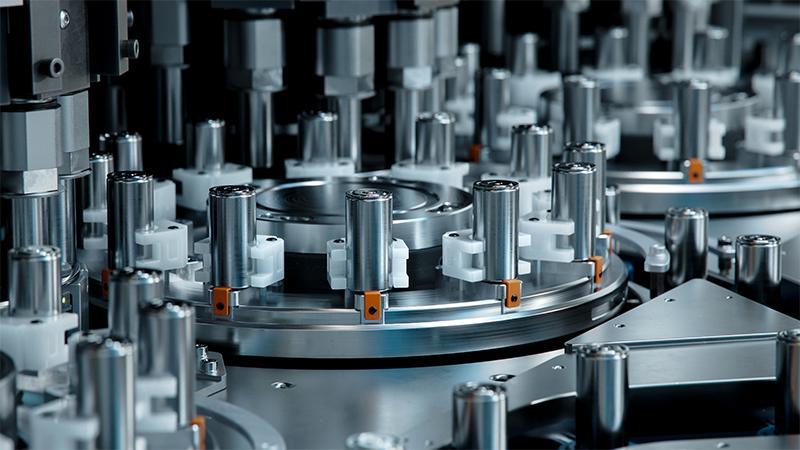
Equip your dry room, glove box operations, and NMP solvent concentration monitoring with products that are designed to be operated in the most demanding environments.
for OEM applications
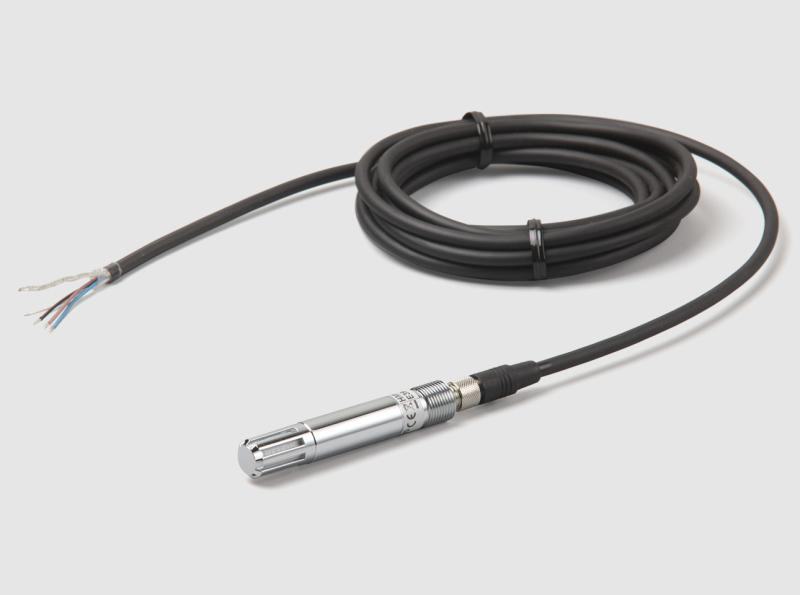
with ±1.5%RH accuracy for demanding volume applications
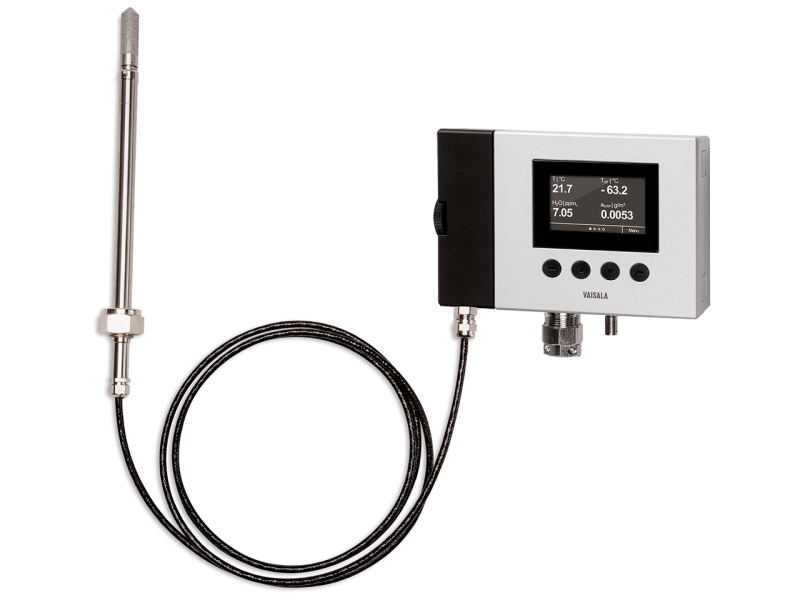
For use up to zone 0 and 20
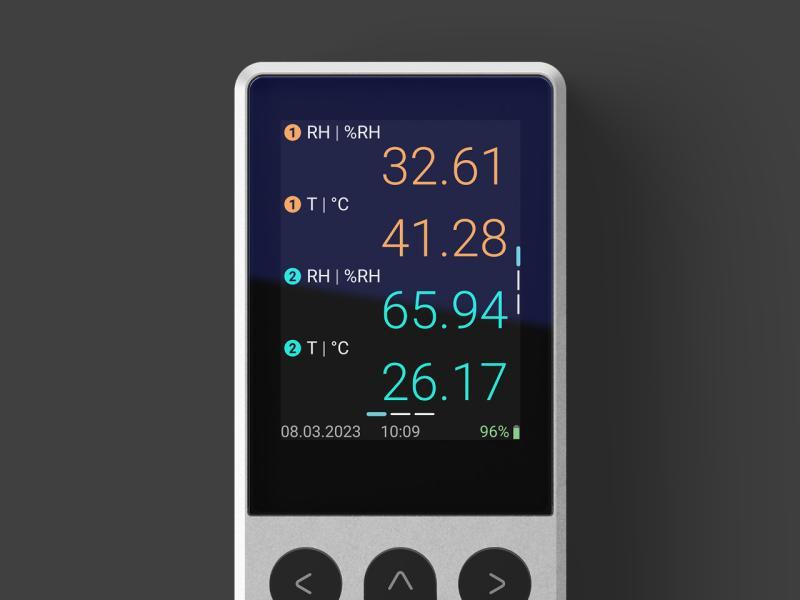
The latest addition to the Indigo family of transmitters and probes, the Indigo80 is a compact, handheld indicator and data logger. Ideal for field…
The latest addition to the Indigo family of transmitters and probes, the Indigo80 is a compact, handheld indicator and data logger. Ideal for field…
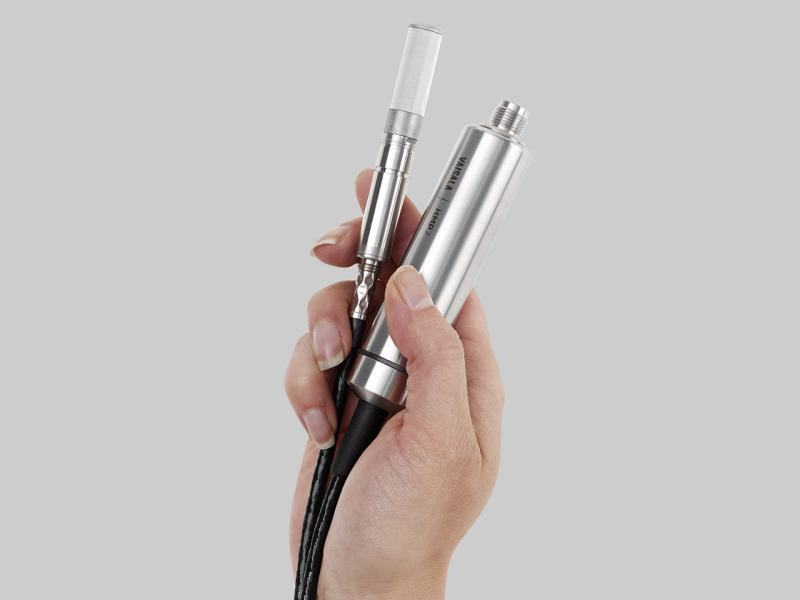
for high humidities

Vaisala DRYCAP® Dew Point and Temperature Probe DMP5 is designed for in-line humidity measurement in industrial drying applications with high…

Dr. Lauri Reuter is an expert in the future of food, and the person to ask if you’ve ever wondered what we are going to eat in the future, and how…

Industrial companies are continuing to take action to minimize their carbon emissions. Many are reducing their use of fossil fuels and switching to…

In the causticizing process, passive chemicals are converted into active cooking chemicals to make white liquor. This is used in the digester as a…
A specialist replies with the solution, the instrument and the service that fit.
Products to quote
No products yet. An enquiry can be sent anyway: a specialist answers.