


Autosonde AS41
Upper air soundings provide the crucial data necessary for a complete atmospheric weather profile that leads to accurate forecasting. However…
Technical note

During one of our webinars on Environmental Mapping Qualification, we received a question from a participant on the difference between mapping temperature only, and temperature with RH. Senior Regulatory expert Paul Daniel answers below:
Dear Paul,
I recently attended your webinar on Mapping Protocols and I wonder – can I use the same methodology you discuss for temperature and humidity mapping studies as with temperature-only mapping studies? Thanks!
J
Dear J,
Short answer: Absolutely, the same methodology would be used for humidity mapping. Almost everything would be the same when considering the protocol document, and the attachments you would use for mapping humidity. Long answer: there are two critical differences in humidity mapping; those are sensor calibration and sensor placement.
Calibration: It is rare that a pre-study or post-study calibration can be done for a humidity sensor unless you have a well-equipped calibration lab. In these cases, there would be a single check before the study to verify that calibration certificates were available for your humidity sensors, and that each sensor was within its calibration interval at the time of use.
Sensor placement: Generally, the easiest practice is to use the same number of humidity and temperature sensors. However sometimes it can make sense to utilize fewer humidity sensors. If you do use fewer humidity sensors, it is important that you understand humidity well enough to explain to an auditor what the expected humidity values would be (based on the temperature) in the spots that had only temperature sensors.
Our Humidity Calculator is a tool that can help with that. The free Vaisala Humidity Calculator allows you to calculate several humidity parameters from one known value. Make unit conversions on the fly, and see the effects of changing ambient conditions, like temperature and pressure. No more installing software for offline use - just bookmark the calculator page or add it to the home screen on your mobile device.
Upper air soundings provide the crucial data necessary for a complete atmospheric weather profile that leads to accurate forecasting. However…
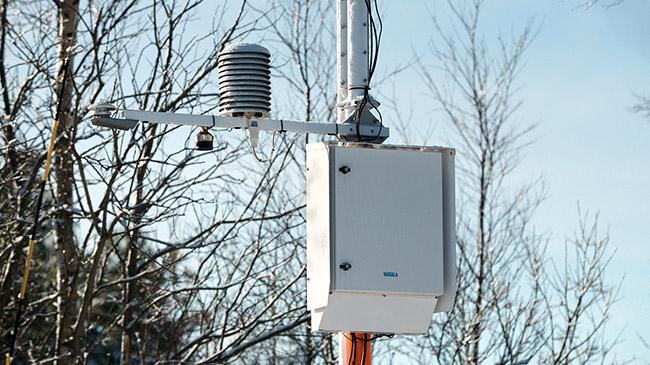
Vaisala Automatic Weather Station AWS310 is a complete communication and weather observation solution that can be used as a standalone unit, or as…
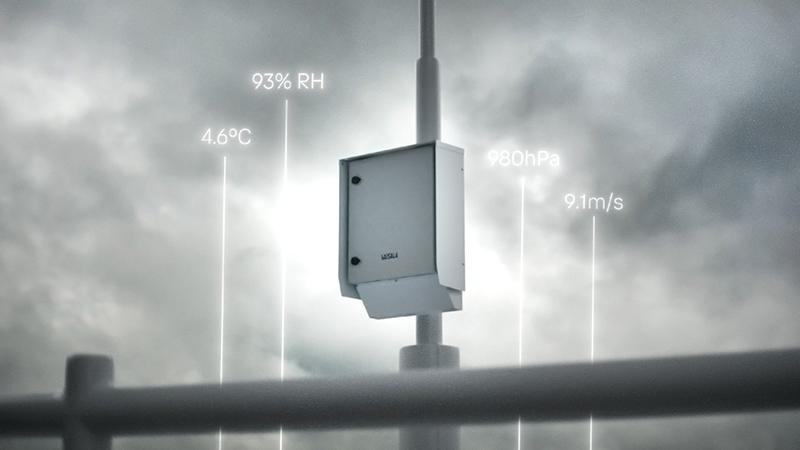
Our next-generation, cyber secure and modular Maritime Automatic Weather Station AWS830 is engineered for harsh marine environments and compliant…
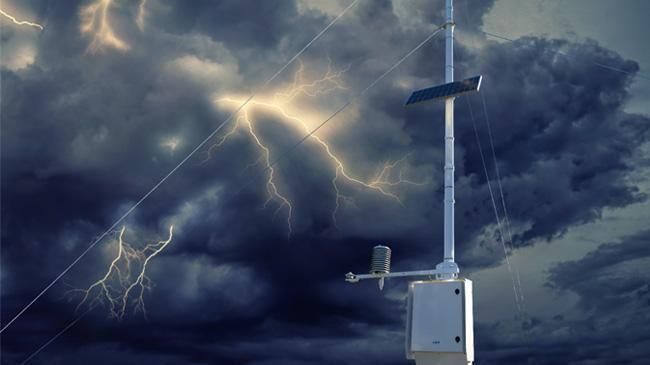
The Vaisala Automatic Weather Station AWS810 enables modern, high-quality surface weather observation networks anywhere in the world.
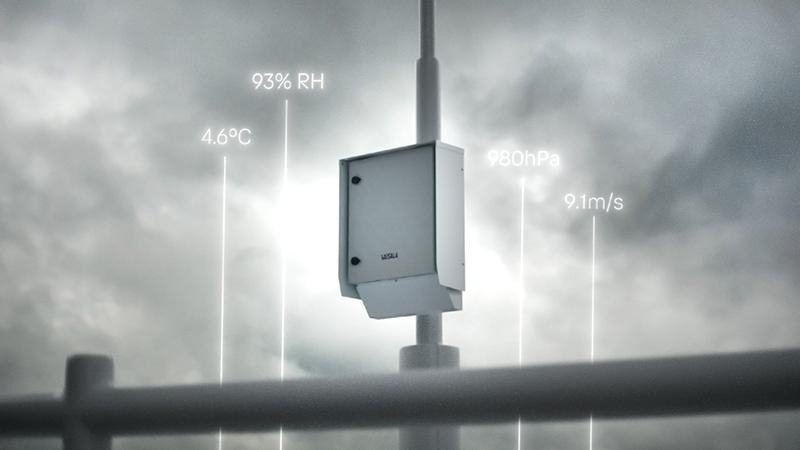
Vaisala Maritime Automatic Weather Station AWS830 delivers accurate, always‑on weather, environmental, oceanographic, and motion data for demanding…
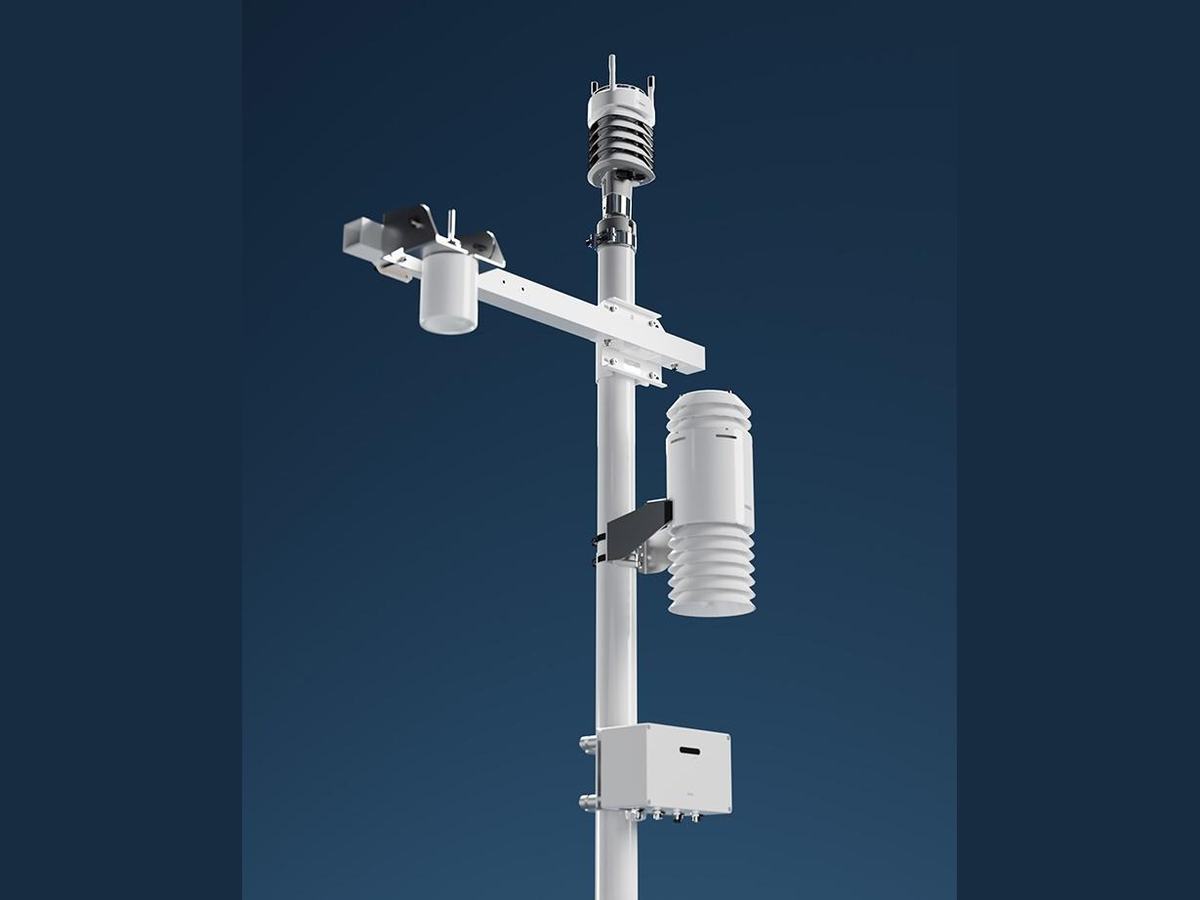
Vaisala Beam Weather Station BWS500 is a compact, scalable station for weather, air quality and road condition data, from a single standalone station…

Vaisala DRYCAP® Dew Point and Temperature Probe DMP5 is designed for in-line humidity measurement in industrial drying applications with high…

Dr. Lauri Reuter is an expert in the future of food, and the person to ask if you’ve ever wondered what we are going to eat in the future, and how…

Industrial companies are continuing to take action to minimize their carbon emissions. Many are reducing their use of fossil fuels and switching to…

In the causticizing process, passive chemicals are converted into active cooking chemicals to make white liquor. This is used in the digester as a…
A specialist replies with the solution, the instrument and the service that fit.
Products to quote
No products yet. An enquiry can be sent anyway: a specialist answers.