

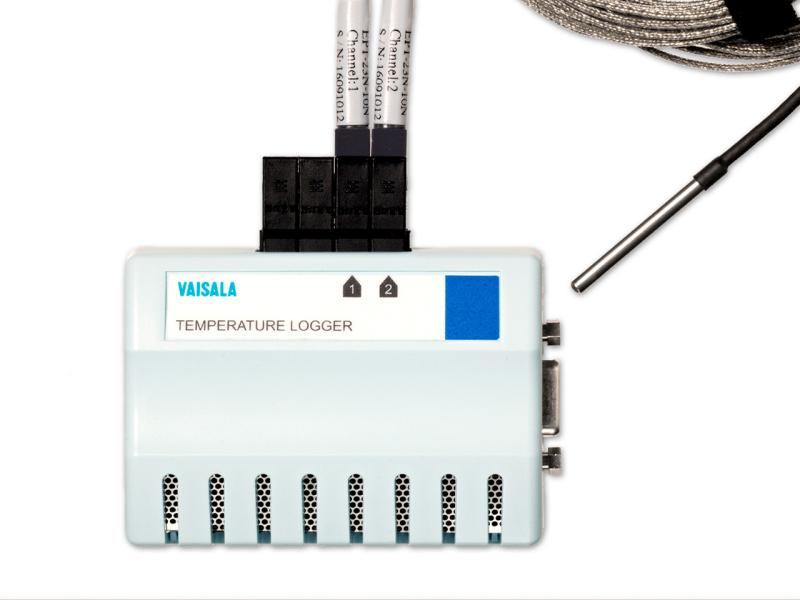
DL1000-1400 Temperature Logger
for demanding temperature monitoring & mapping
Technical note
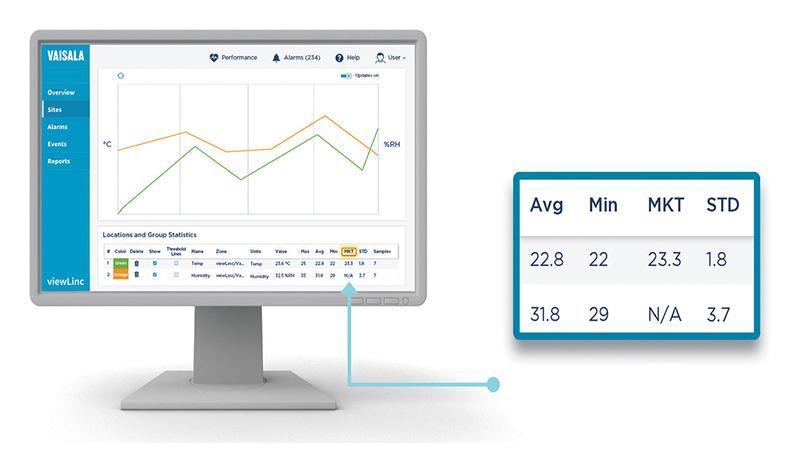
Back for more on Mean Kinetic Temperature with a customer question:
Hi Paul,
I have reviewed Vaisala’s application note on mean kinetic temperature. But, I am still wondering what particular guidance states that mean kinetic temperature should only be used for room temperature environments and not for refrigerators or freezers? That is Rule #5 on your 6 rules for MKT.
But I’m still unclear to me exactly why not to use it in colder temperatures. Your assistance is greatly appreciated.
Thank you!
K
Dear K,
Thank you for checking out our training materials! We are happy to provide these to our customers and contacts in the industry at large. Here are the links to the webinar and the application note.
First off, you are not alone in your question, so below I have listed several questions we received in our last webinar on mean kinetic temperature. You will see that your question about cold chambers was asked then as well. And it is a very common question.
Second, to review our application note and the rules you mention, I will list all of them again here.
Finally, the answer to your question: Why Not Use MKT in Cold Chambers?
Because the best guidance we can use, and probably the only one to use in regulated environments, is the source of the idea that we can use mean kinetic temperature to evaluate temperature excursions: John Taylor.
Here is the name of the paper: The Pharmaceutical Journal (Vol 267), July 2001, J. Taylor. “Recommendations on the Control and Monitoring of Storage and Transportation Temperatures of Medicinal Products.”
I draw your attention to the lower left-hand corner of page 131 in the paper:
Strict conditions should be applied to the use of mean kinetic temperature. It is applicable only to storage of products under controlled room temperature conditions (I.E., those labeled “do not store above 25°C”). Mean kinetic temperature can be applied to the shipping of these products and it may provide a degree of assurance during prolonged transit periods. Mean kinetic temperature is not appropriate for products requiring controlled low temperature storage and shipping.
This paper basically brought the mean kinetic temperature calculation into its current use and describes how and why to use it. Simply put, the guy who first thought that MKT might be good for evaluating excursions also explicitly stated where not to use it, saying: “[MKT] is not appropriate for products requiring controlled low temperature storage and shipping.” It was a great innovation in its time, but we recommend sticking to the original guidance that accompanied the use of mean kinetic temperature.
That’s why we made recommendation 5 in our application note. We can also find that rates of change in chemical reactions and degradation pathways further support this position. Our caution against using the value for cold chamber applications is directly from the seminal paper on the topic, but also from the likelihood that you might have an uphill battle convincing an auditor that mean kinetic temperature for refrigerated chambers is a better solution for evaluating excursions than the other tools we at our disposal. Please contact me further if you have any questions!
Paul Daniel
for demanding temperature monitoring & mapping
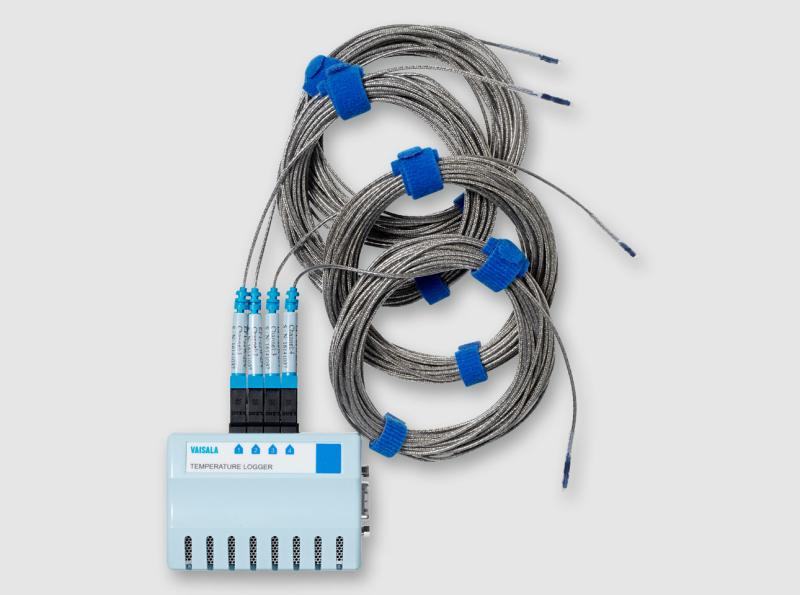
for wide-range temperature monitoring
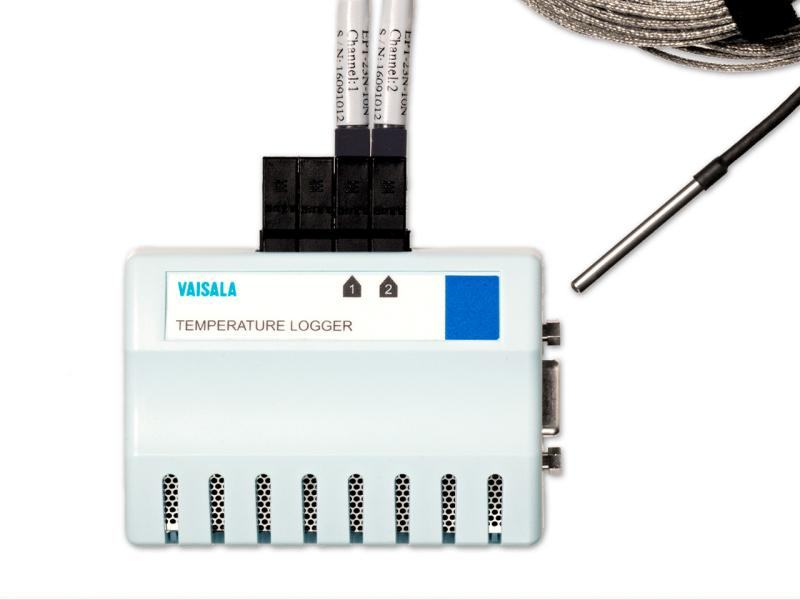
for demanding temperature monitoring & mapping
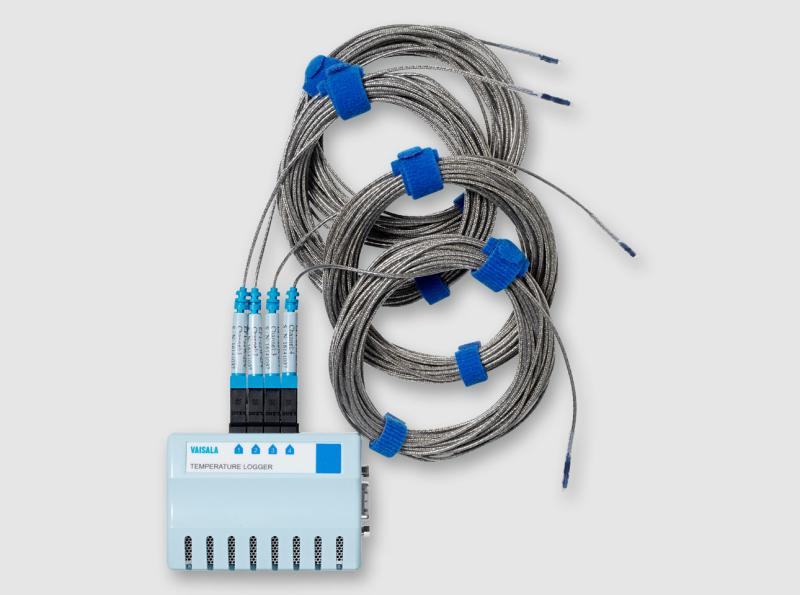
for wide-range temperature monitoring
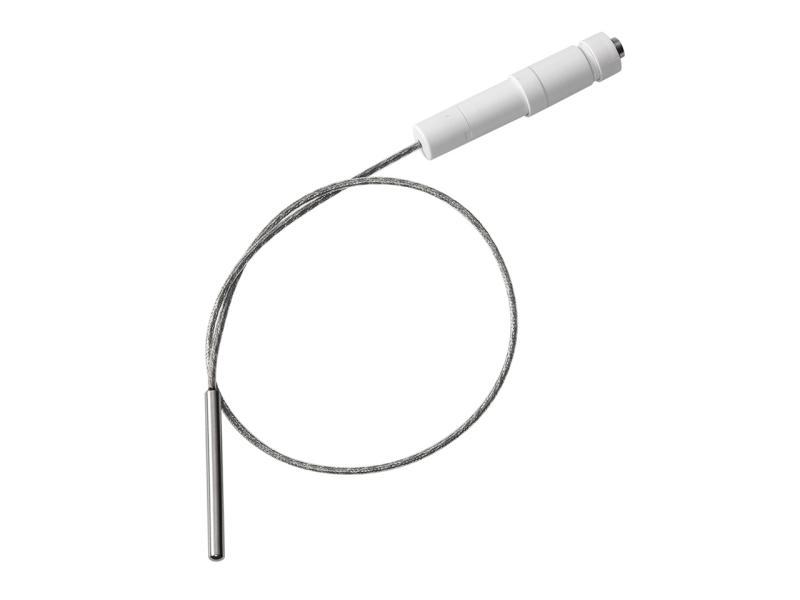
for demanding temperature-controlled environments

Upper air soundings provide the crucial data necessary for a complete atmospheric weather profile that leads to accurate forecasting. However…

Vaisala DRYCAP® Dew Point and Temperature Probe DMP5 is designed for in-line humidity measurement in industrial drying applications with high…

Dr. Lauri Reuter is an expert in the future of food, and the person to ask if you’ve ever wondered what we are going to eat in the future, and how…

Industrial companies are continuing to take action to minimize their carbon emissions. Many are reducing their use of fossil fuels and switching to…

In the causticizing process, passive chemicals are converted into active cooking chemicals to make white liquor. This is used in the digester as a…
A specialist replies with the solution, the instrument and the service that fit.
Products to quote
No products yet. An enquiry can be sent anyway: a specialist answers.