

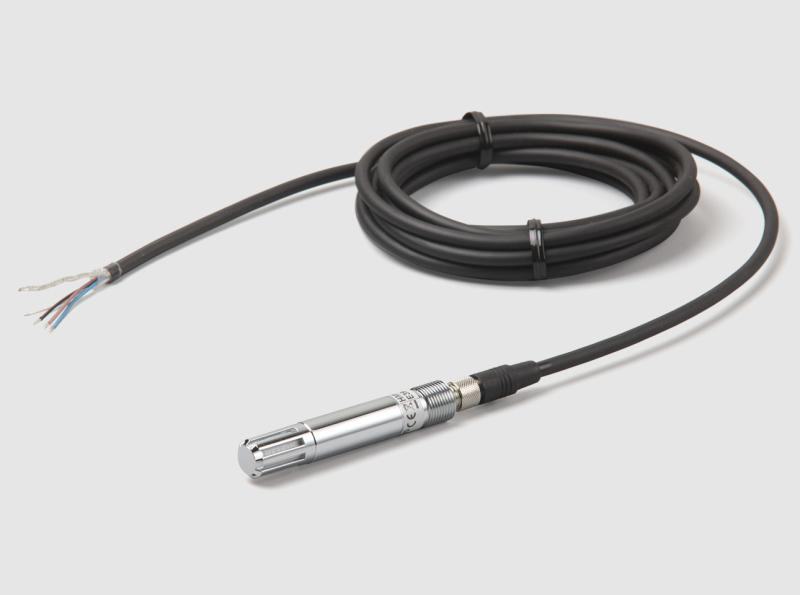
Humidity and Temperature Probe HMP110
with ±1.5%RH accuracy for demanding volume applications
Technical note

Where human comfort is the main factor, for example in office buildings, RH is often a good choice for a control parameter. It allows flexibility in temperature settings without changing the RH control settings, allowing higher temperatures in summer and lower ones during winter, for example. It is also directly related to human comfort and many biological processes such as mold growth. A drawback is that very tight temperature and humidity control is difficult to achieve as temperature also affects relative humidity. These two controls may compete with each other, causing oscillation in the control loops.
The dew point temperature (Td) indicates at which temperature you will see the onset of condensation. A low dew point temperature indicates dry conditions while a high dew point indicates high humidity. The dew point cannot exceed the ambient temperature; when the dew point is the same as the ambient temperature, you have reached saturation and RH is 100%. The advantage of using dew point in HVAC controls is that it isn’t affected by changes in temperature, so you can control both temperature and humidity precisely and reliably. The control circuits are independent of one another, so changing the temperature does not change the dew point in the controlled space and vice versa. Dew point and temperature control are used in spaces with the highest requirements for stability, like labs, museums, and data centers.
The wet bulb temperature indicates the temperature to which a water surface can be cooled by evaporation. This cooling effect varies with the relative humidity of the ambient air. When the air is saturated with water there is no evaporation and no cooling. The wet bulb temperature is used to control cooling towers, which can provide low-cost cooling especially in hot and dry climates. If the humidity is too high and the wet bulb temperature approaches the ambient temperature, the cooling effect becomes too small and it no longer makes sense to run the cooling towers.
Take a look at the Vaisala HMD62 duct humidity sensor that allows you to select the desired humidity output with a DIP switch. Also check our free online humidity calculator that makes parameter conversions easy!
with ±1.5%RH accuracy for demanding volume applications
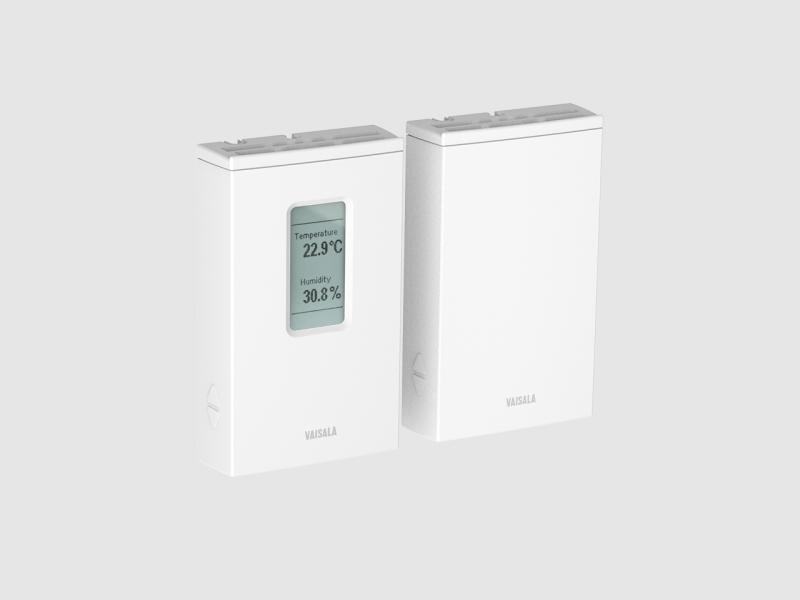
±1.7%RH wall transmitters with a certificate for demanding HVAC
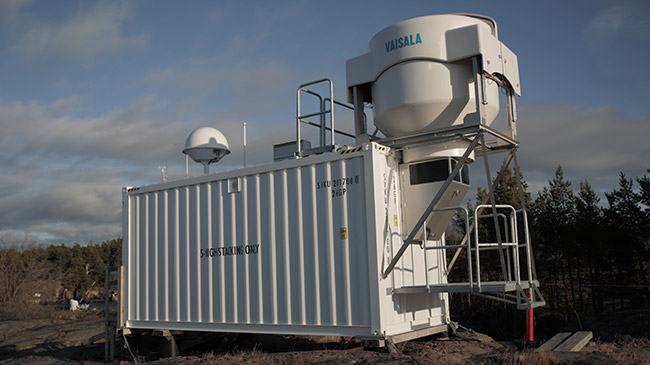
Upper air soundings provide the crucial data necessary for a complete atmospheric weather profile that leads to accurate forecasting. However…
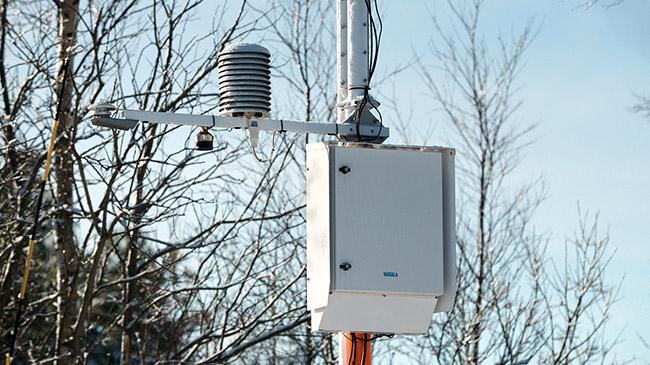
Vaisala Automatic Weather Station AWS310 is a complete communication and weather observation solution that can be used as a standalone unit, or as…
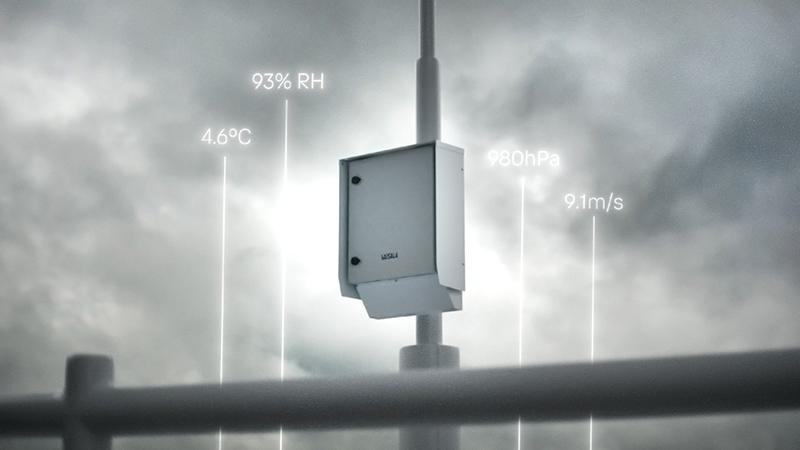
Our next-generation, cyber secure and modular Maritime Automatic Weather Station AWS830 is engineered for harsh marine environments and compliant…

The Vaisala Automatic Weather Station AWS810 enables modern, high-quality surface weather observation networks anywhere in the world.

Vaisala DRYCAP® Dew Point and Temperature Probe DMP5 is designed for in-line humidity measurement in industrial drying applications with high…

Dr. Lauri Reuter is an expert in the future of food, and the person to ask if you’ve ever wondered what we are going to eat in the future, and how…

Industrial companies are continuing to take action to minimize their carbon emissions. Many are reducing their use of fossil fuels and switching to…

In the causticizing process, passive chemicals are converted into active cooking chemicals to make white liquor. This is used in the digester as a…
A specialist replies with the solution, the instrument and the service that fit.
Products to quote
No products yet. An enquiry can be sent anyway: a specialist answers.