


Autosonde AS41
Upper air soundings provide the crucial data necessary for a complete atmospheric weather profile that leads to accurate forecasting. However…
Technical note
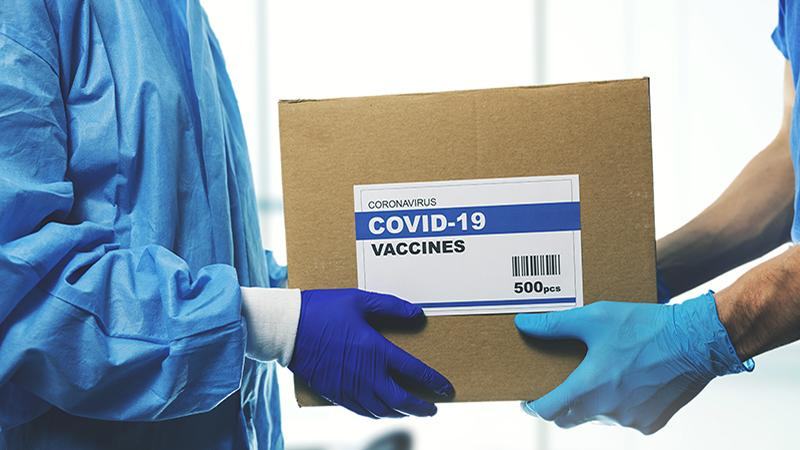
The current COVID-19 pandemic has brought acute attention to the development, storage, and distribution of vaccines. Proper storage and distribution of the vaccines will be key components to conquering the virus and saving lives because, as with any temperature-sensitive pharmaceutical or biological, storage at incorrect temperatures can decrease the quality, safety, and effectiveness of the product.
Regulatory requirements for distribution and storage of a temperature-sensitive drug or vaccine has three basic parts. First, stability testing is required to determine the appropriate storage temperatures for preserving product efficacy. Typically, stability testing is done at common temperatures, including: ambient (15 to 25°C), refrigerated (2 to 8°C), and frozen (≤-20°C). These temperatures tend to match the conditions drugs will encounter in the supply chain. Stability testing is used to define the expiration dates for products.
Second, the product is stored in appropriate temperatures using equipment that has been proven through testing to be capable of maintaining the required temperatures. My first job in biotechnology 24 years ago was qualifying freezers through validation. If the freezer passed the validation, it was considered qualified to store temperature controlled medicines. The third step required by regulation is monitoring the storage environments to detect emergencies, verify ongoing performance, and prove compliance for regulatory agencies. This is where Vaisala’s viewLinc Continuous Monitoring System is often used, as an automated and efficient solution to the challenge of monitoring these various temperature controlled environments. These three steps – stability testing, qualification, and monitoring – are the foundation for protecting temperature-sensitive drugs and vaccines during manufacturing and storage.
The majority of vaccines must be stored within a few degrees (plus or minus) of their ideal temperature. Classic vaccines made with weakened or inactive viruses typically require storage in refrigerators between 2 and 8°C. This is the case with the AstraZeneca and Johnson & Johnson vaccines, which use a DNA strand packaged in a harmless adenovirus. However, the first two vaccines developed for COVID-19 utilize a new kind of vaccine technology using mRNA (messenger ribonucleic acid). Although mRNA has been studied since 1961, with both “Nature” and “The Journal of Molecular Biology” publishing on it in that year, the COVID-19 vaccines from Pfizer and Moderna are the first mRNA based vaccines approved for widespread use. In 2018, "Nature” published "mRNA vaccines — a new era in vaccinology" sharing research that indicated that when mRNA is injected into an animal, the cells of that animal would produce a desired protein that would initiate an immune response. Initially, mRNA vaccines were known to degrade easily and were often destroyed by the immune system. But in 2005, researchers proposed ways to stabilize mRNA molecules using a lipid envelope. Research into mRNA vaccines progressed slowly until the COVID-19 pandemic, and the appearance of this novel coronavirus advanced research efforts as never before to create a fast, effective solution.
Traditional vaccines inject an antigen, usually an inactive or weakened version of a virus. An mRNA vaccine injects mRNA instructions to build part of the antigen, and the cells in the vaccinated person create the necessary antigen proteins. Once the antigen proteins are in the body, the immune system can produce antibodies, which are the backbone of our immune response to a viral infection. This is how a vaccine provides protection from an actual virus.
Despite the work that has been done to stabilize mRNA vaccines by storing them in small lipid envelopes, the mRNA molecules remain relatively delicate. This is why the COVID-19 mRNA vaccines must be stored at much colder temperatures than traditional vaccines. The Moderna vaccine is to be stored between -15°C to -25°C, while the Pfizer vaccine requires storage at an ultralow -60°C to -80°C. The more extreme the temperature, the more difficult it is to maintain, and the more critical it is to monitor the environment with sensitivity and accuracy. Distribution of vaccines is complex, even for standard and relatively stable vaccines. The path from manufacturer to clinic for a temperature-sensitive product is known as the cold chain. This cold chain has static storage applications, where the product is held in storage, such as a warehouse. There are dynamic storage applications in cold chains, where the product is in transit, such as a temperature-controlled truck or other shipping container. Both types of storage, static and dynamic, have specific monitoring challenges.
The Vaisala viewLinc Continuous Monitoring System is used worldwide in static cold chain applications, such as warehouses, loading docks, and pharmacies. The system monitors environmental conditions, collecting and protecting inalterable data on the time, temperature, and location of vaccines.
Now that COVID-19 vaccines are being shipped from manufacturers to be administered to the public, accurately monitoring both static and dynamic links in global cold chain applications is receiving more scrutiny than ever before. Vaisala has been providing measurement solutions for over 80 years. Trusted for accurate and stable measurements, our sensors are currently used in the Mars Exploration Program and by the world’s top pharmaceutical and biotechnology manufacturers. Safely distributing the new vaccines is one of the most complex logistical challenges we have ever faced on this planet and Vaisala is proud to support the distribution of the COVID-19 vaccines by helping manufacturers, distributors, and pharmacies monitor their storage and production environments.
Upper air soundings provide the crucial data necessary for a complete atmospheric weather profile that leads to accurate forecasting. However…
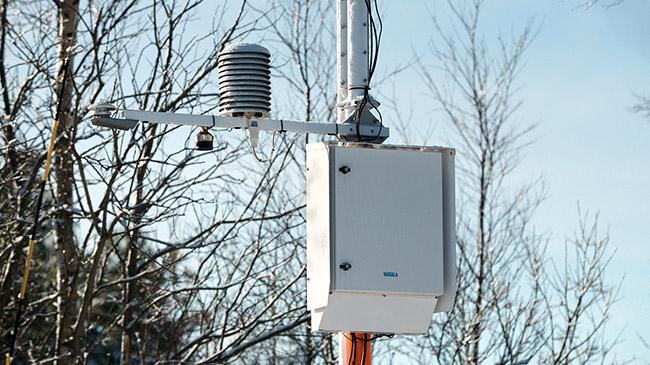
Vaisala Automatic Weather Station AWS310 is a complete communication and weather observation solution that can be used as a standalone unit, or as…
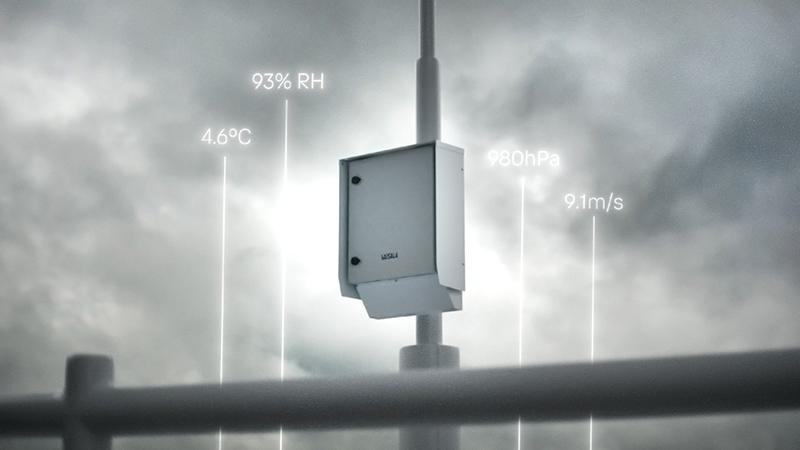
Our next-generation, cyber secure and modular Maritime Automatic Weather Station AWS830 is engineered for harsh marine environments and compliant…
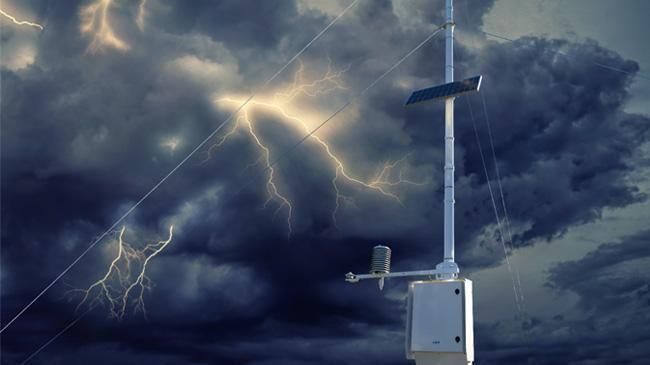
The Vaisala Automatic Weather Station AWS810 enables modern, high-quality surface weather observation networks anywhere in the world.
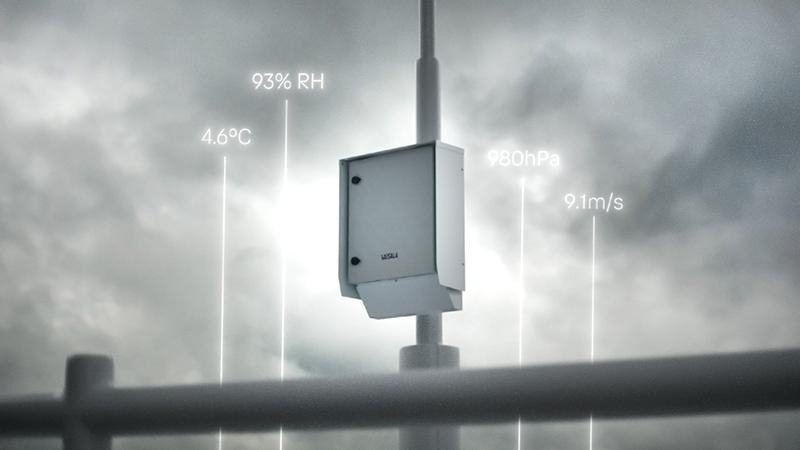
Vaisala Maritime Automatic Weather Station AWS830 delivers accurate, always‑on weather, environmental, oceanographic, and motion data for demanding…
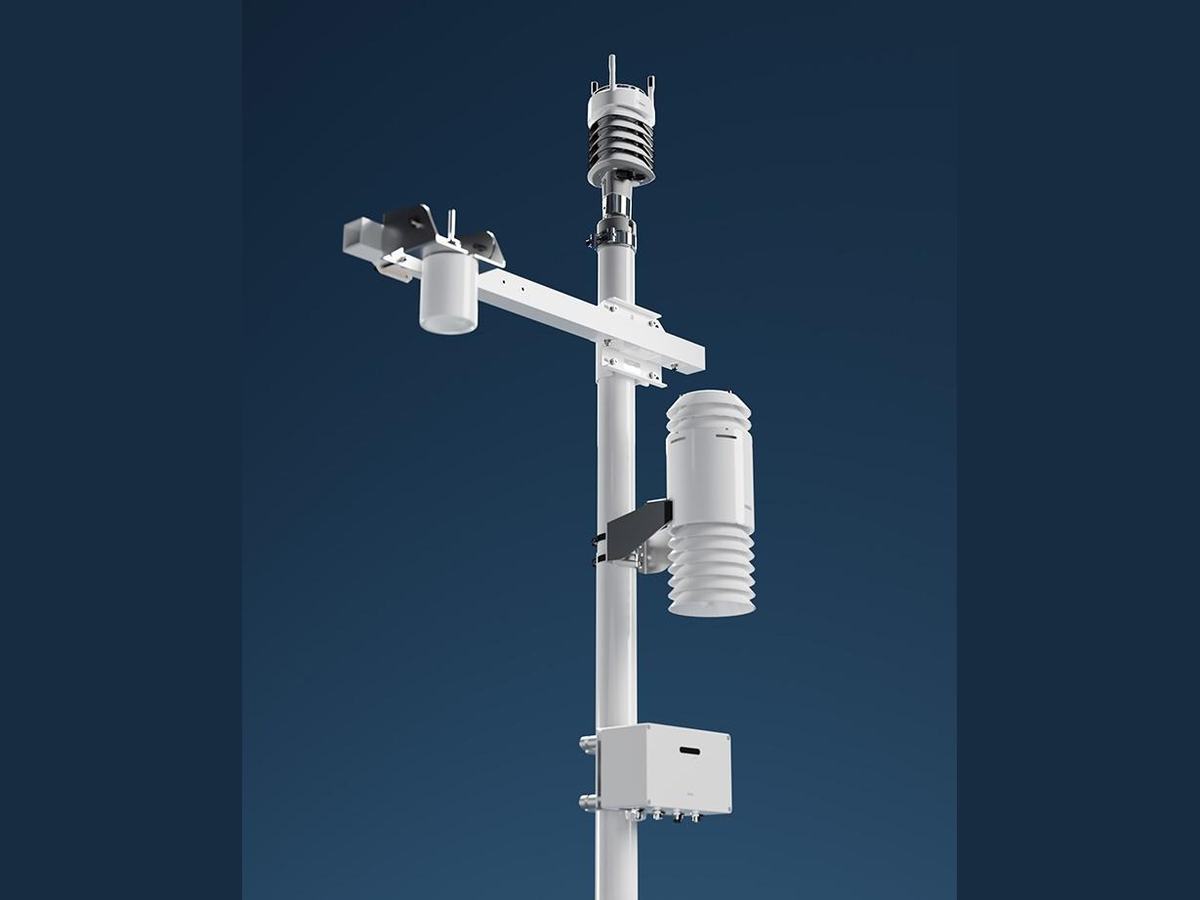
Vaisala Beam Weather Station BWS500 is a compact, scalable station for weather, air quality and road condition data, from a single standalone station…

Vaisala DRYCAP® Dew Point and Temperature Probe DMP5 is designed for in-line humidity measurement in industrial drying applications with high…

Dr. Lauri Reuter is an expert in the future of food, and the person to ask if you’ve ever wondered what we are going to eat in the future, and how…

Industrial companies are continuing to take action to minimize their carbon emissions. Many are reducing their use of fossil fuels and switching to…

In the causticizing process, passive chemicals are converted into active cooking chemicals to make white liquor. This is used in the digester as a…
A specialist replies with the solution, the instrument and the service that fit.
Products to quote
No products yet. An enquiry can be sent anyway: a specialist answers.